Source Farm Tractor Cultivator Plows for soil prep, bed planting, and dry cultivation
Explore 30 listings of Farm Tractor Cultivator Plows from verified manufacturers in China. Buyers can compare models like the 1LY-320 and 1LX-320 based on disc diameter, working depth, and tractor horsepower requirements for efficient field operations.
Key considerations
Products List


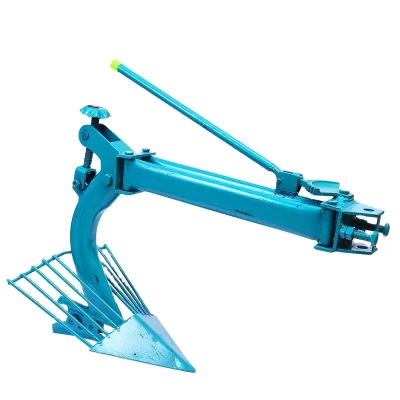
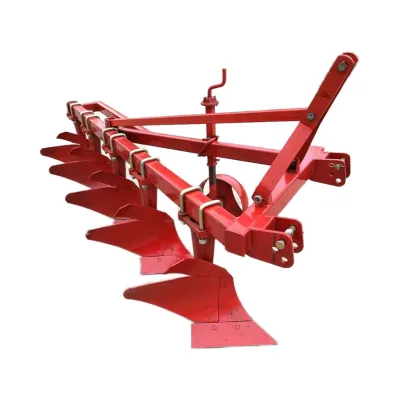
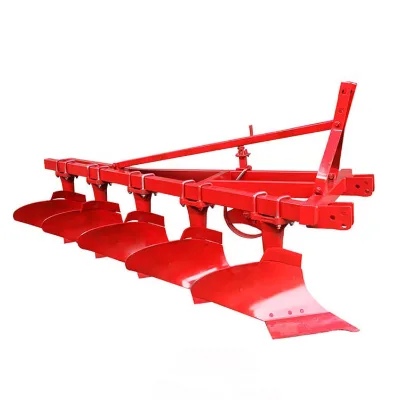
Farm Tractor Power Tiller Cultivator Disc Plow Matched for 4 Wheel Tractors
$350.00 - $360.00
MOQ: 1 Pieces


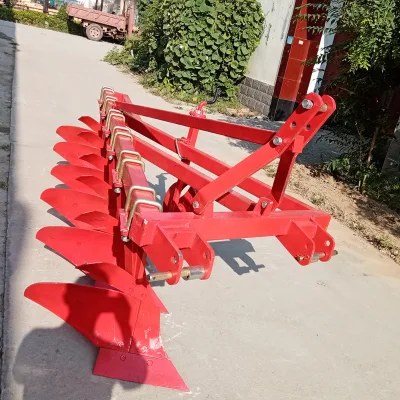
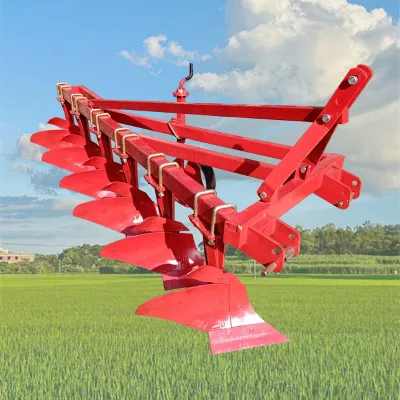
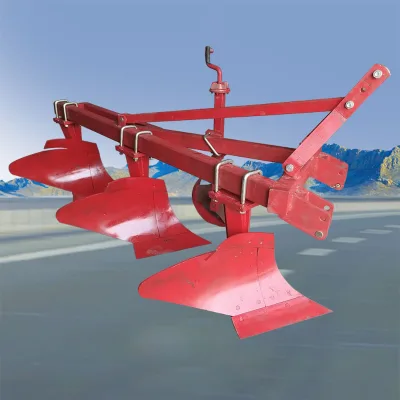
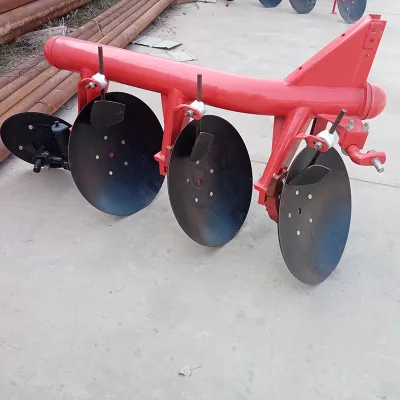
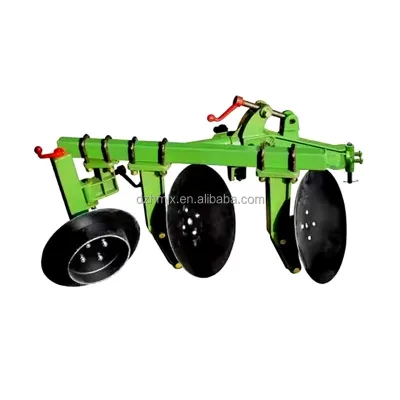
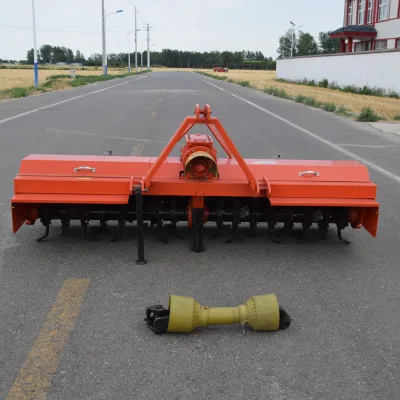


Agricultural Farming Cultivator 80-90HP Tractors Use 3-Point Hitch 4 Discs Plow
$928.00 - $960.00
MOQ: 1 Pieces
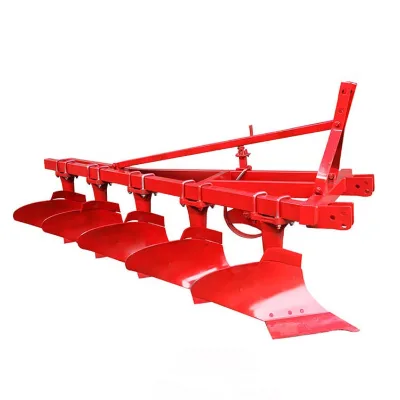
Comprehensive Sourcing Guide
Strategic Sourcing Guide for Farm Tractor Cultivator Plows
The global agricultural machinery market presents a complex landscape for buyers seeking efficient soil preparation equipment. Specifically, the segment of Farm Tractor Cultivator Plows requires a nuanced understanding of technical specifications, operational compatibility, and supply chain reliability. This guide synthesizes observed market data to provide a disciplined framework for procurement professionals. The focus remains on evidence-based analysis of available product attributes, ensuring that sourcing decisions are grounded in verified specifications rather than speculative claims. Buyers must navigate a variety of configurations, from moldboard plows to disc ploughs, each serving distinct agricultural needs and soil conditions.
Technical Specifications and Operational Compatibility
Understanding the technical architecture of a cultivator plow is the first step in any procurement strategy. The market offers distinct models with varying power requirements, dimensions, and operational depths. For instance, specific product lines such as the 1LY-320 and 1LYT series demonstrate the diversity in design. The 1LY-320 model is characterized by a disc diameter of 510mm and a working width of 60cm. It is engineered for a power requirement of 25-40HP, indicating its suitability for medium-to-large scale tractor operations. In contrast, other configurations, such as the 1lx-220, are designed for lower horsepower tractors, requiring only 15-20HP, with a working depth of 12-16mm and a significantly lighter weight of 65 kg.
The working depth is a critical variable that dictates the effectiveness of soil preparation. Observed data indicates working depths ranging from 12-18cm for heavier units to 12-16mm for lighter, specialized cultivators. This discrepancy highlights the importance of matching the machine to the specific soil type and crop rotation requirements. The number of discs also varies; some units feature three discs, while others may differ based on the working width and intended application. The drive type is another technical differentiator, with options including gear drives and PTO shaft configurations. The 1LX-320 model, for example, utilizes a PTO shaft and a gear drive, suggesting a direct power transmission system that may offer different torque characteristics compared to traction-based models.
Buyers must verify the traction type, as this determines how the implement attaches to the tractor. The market includes both traction and hanging configurations. Traction types are often associated with heavy-duty moldboard plows, whereas hanging types, like the 1LX-320, are designed for three-point linkage systems. The material composition is consistently observed as stainless steel in high-performance units, which offers resistance to corrosion and wear, essential for continuous running operations in diverse soil conditions.
Compliance, Certification, and Safety Standards
In the international B2B agricultural sector, compliance with safety and quality standards is non-negotiable. The supplied data confirms that certain models carry CE certification, a mandatory requirement for products entering the European Economic Area. This certification indicates that the machinery meets EU safety, health, and environmental protection requirements. However, buyers must not assume that all listed products possess this status without verification. The presence of CE certification on specific models like the 1LY-320 serves as a benchmark for quality assurance but does not automatically extend to the entire product catalog.
Beyond CE, buyers should investigate adherence to local agricultural standards in their target markets. The "standard size" designation found in product attributes suggests adherence to generic dimensional norms, but specific national or regional standards for agricultural machinery may apply. For instance, the working dimensions and weight limits might need to align with specific road transport regulations if the equipment is to be moved between fields or sold across borders. The origin of the machinery, noted as Changzhou, China, or Jiangsu, China, implies a concentration of manufacturing in these regions, which are known for their agricultural machinery clusters. Buyers should verify that the supplier's factory holds valid ISO certifications or other recognized quality management system accreditations, even if not explicitly listed in the initial product description.
Cost Drivers and Pricing Structures
The pricing of Farm Tractor Cultivator Plows is influenced by a complex interplay of factors, including material costs, manufacturing complexity, and logistical expenses. The observed price range in the market spans from 4.9 USD to 2999 USD, a variance that reflects differences in scale, material quality, and feature sets. The lower end of the spectrum likely corresponds to smaller, lighter units or partial components, while the higher end represents fully assembled, heavy-duty systems with advanced features like gear drives and specialized disc configurations.
Material selection is a primary cost driver. The use of stainless steel, as noted in the product attributes, generally commands a higher price point compared to standard carbon steel due to durability and corrosion resistance. Additionally, the weight of the unit is a significant factor; a 200kg unit will incur higher shipping costs and raw material expenses than a 65kg unit. The Minimum Order Quantity (MOQ) also impacts the effective unit cost. The observed MOQ range of 1 to 500 sets allows for flexibility, but bulk purchasing often yields better pricing. Buyers should analyze the total cost of ownership, including shipping, insurance, and potential import duties, rather than focusing solely on the listed unit price. The packing method, whether wooden cases, iron pallets, or veneer boxes, also adds to the overall cost and must be factored into the budget.
Typical Applications and Farming Policies
The application of these cultivator plows is dictated by the specific farming policy and the type of land being cultivated. The data distinguishes between "Bed Planting Machinery" and "Dry Cultivating Machinery," indicating that the equipment is tailored to specific agronomic practices. Bed planting is common in regions where moisture conservation and row spacing are critical, often requiring precise depth control and specific disc configurations. Dry cultivating machinery, on the other hand, is designed for arid conditions where soil aeration and weed control are paramount.
The power source is another determinant of application. Most units are tractor-powered, utilizing the tractor's PTO or hydraulic systems. The 1LX-320 model, for example, is explicitly listed as a "Farm Land Cultivation" tool with a power requirement of 25-35HP. This makes it suitable for medium-sized farms with standard tractor fleets. The operation type, described as "Soil Preparation Machinery" and "Continuous Running Operation," suggests that these units are built for high-volume, repetitive tasks rather than occasional use. Buyers should match the machine's power rating (e.g., 15-20HP vs. 25-40HP) to their existing tractor fleet to ensure optimal efficiency and fuel consumption.
Supplier Evaluation and Manufacturing Capabilities
When evaluating potential suppliers, the company type is a crucial indicator of reliability. The market data identifies the suppliers as "Manufacturers," which implies direct control over the production process, quality assurance, and customization capabilities. This is a significant advantage over trading companies, as manufacturers can offer more competitive pricing and better technical support. The availability of customization is explicitly noted as "Available," allowing buyers to tailor specifications such as working width, disc diameter, or color to their specific needs.
The origin of the products, primarily from Changzhou and Jiangsu in China, points to established industrial hubs for agricultural machinery. These regions benefit from a robust supply chain and a skilled workforce. However, buyers must verify the supplier's capacity to handle their specific order volume. The MOQ of 1 set suggests that suppliers are willing to accommodate small orders, which is beneficial for testing the market or for smaller farms. Conversely, the ability to handle orders up to 500 sets indicates scalability for larger procurement projects. The OEM and ODM acceptance further confirms the supplier's flexibility in producing branded or custom-designed units.
Quality Control and Packaging Standards
Quality control in agricultural machinery is paramount to ensure longevity and safety in the field. The observed packing standards vary, with options including wooden cases, iron pallets, veneer boxes, and plywood cases. The specific packing size of 220010001100mm for 10-12 pieces suggests a standardized shipping configuration that optimizes container space. The use of "Iron Box" or "Iron Pallet" for certain models indicates a higher level of protection against moisture and physical damage during transit, which is critical for heavy machinery.
Buyers should verify that the packaging meets international shipping standards to prevent damage during long-distance transport. The "standard size" designation for the product itself implies that the dimensions are consistent, facilitating easier handling and storage. However, the specific weight and dimensions of the packed unit must be confirmed to ensure compatibility with the buyer's logistics infrastructure. The color options, such as red or yellow, are not merely aesthetic; they often serve as safety indicators or brand identifiers. Ensuring that the color and finish are consistent with the supplier's quality standards is essential for maintaining the professional appearance of the fleet.
Long-Term Procurement Considerations
Sourcing Farm Tractor Cultivator Plows is not a one-time transaction but a strategic decision that impacts long-term operational efficiency. Buyers should consider the availability of spare parts and the supplier's after-sales support. The "Continuous Running Operation" capability of these machines implies that they will undergo significant wear and tear, making the availability of replacement discs, bearings, and gears critical. The customization options allow for future-proofing the equipment, ensuring that it can adapt to changing farming practices or crop requirements.
Furthermore, the environmental impact and sustainability of the machinery should be considered. Efficient power usage, such as the specific HP requirements, can lead to reduced fuel consumption and lower operational costs over time. The durability of the stainless steel construction contributes to a longer service life, reducing the frequency of replacement and the associated waste. Buyers should also evaluate the supplier's commitment to innovation and whether they are likely to introduce updated models with improved efficiency or safety features in the future. By focusing on these long-term factors, buyers can build a resilient supply chain that supports sustainable agricultural practices.
Comparative Analysis of Key Models
To facilitate decision-making, the following table summarizes the key technical differences between the observed models. This comparison highlights the variance in power, weight, and application, aiding buyers in selecting the most appropriate equipment for their specific needs.
| Feature | Model 1LY-320 | Model 1lx-220 | Model 1LX-320 |
|---|---|---|---|
| Type | Moldboard Plow | Cultivator | Disc Plough |
| Power Required | 25-40 HP | 15-20 HP | 25-35 HP |
| Working Depth | 12-18 cm | 12-16 mm | 12-16 cm |
| Weight | 200 kg | 65 kg | 105 kg |
| Disc Diameter | 510 mm | N/A | N/A |
| Working Width | 60 cm | N/A | 12-16 cm |
| No. of Discs | 3 | N/A | N/A |
| Traction Type | Traction | N/A | Hanging |
| Drive Type | N/A | N/A | Gear Drive |
| Material | Stainless Steel | N/A | N/A |
| Color | Red | N/A | Yellow |
| Origin | Changzhou, China | Jiangsu, China | Jiangsu, China |
This structured approach ensures that buyers can make informed decisions based on concrete data, minimizing the risks associated with procurement and maximizing the operational efficiency of their agricultural machinery.
FAQs
What is the working depth range for the 1LY-320 model?
The 1LY-320 model offers a working depth range of 12 to 18 centimeters. This specification ensures effective soil preparation for medium-to-large scale tractor operations while maintaining stability during continuous running.
Can I customize the dimensions of the moldboard plow?
Yes, customization is available for the moldboard plow units listed. Buyers can request specific adjustments to dimensions or features to match their unique farming policies and field conditions without compromising the standard size integrity.
Which certification does the 1LY-320 model carry?
The 1LY-320 model carries CE certification to meet European safety and environmental standards. This certification is mandatory for entry into the European Economic Area and indicates compliance with strict health and safety requirements.
How much power is required for the 1LY-320 disc plow?
The 1LY-320 disc plow requires a power input between 25 and 40 horsepower. This range makes it suitable for medium-to-large tractors, ensuring efficient operation for heavy-duty tillage tasks in various soil types.
What is the minimum order quantity for these plows?
The minimum order quantity is one set for the 1LY-320 model. This low threshold allows smaller farms to test the equipment or purchase single units while larger operations can scale up to 500 sets for bulk efficiency.
Where are these Farm Tractor Cultivator Plows manufactured?
These plows are manufactured in Changzhou, China, and Jiangsu, China. These regions are established industrial hubs for agricultural machinery, providing a robust supply chain and access to skilled manufacturing capabilities for consistent quality.
What material is used for the disc plow construction?
The disc plow construction utilizes stainless steel for high durability. This material choice offers superior resistance to corrosion and wear, which is essential for continuous running operations in diverse and challenging agricultural soil conditions.