Source Fashion Bracelet for Gifts, Decoration, and Electronics
Explore 30 options for a Fashion Bracelet, including stainless steel bangles, alloy pieces, and electronic components. Compare materials like silver and gold plating, styles from natural to ethnic trends, and features such as luminous effects or custom logos to find the right fit for your needs.
Key considerations
Products List


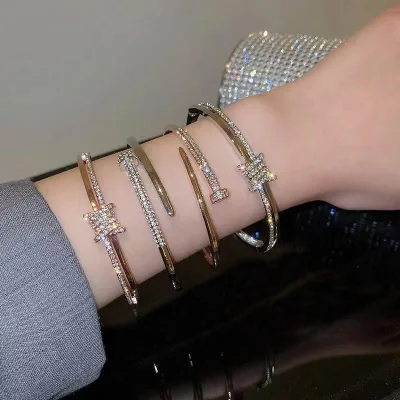


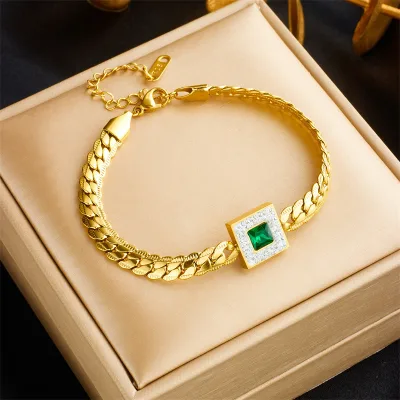


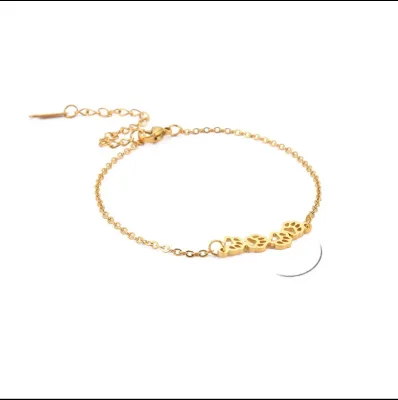

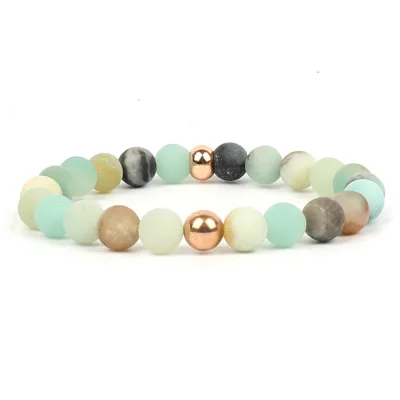


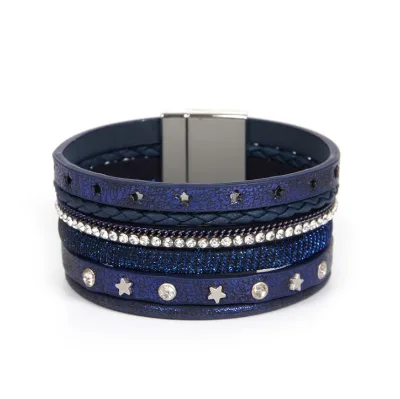
Metallic Chain Bracelet Fashion Diamond Encrusted Bracelet Hip Hop Trend Bracelet
$0.90 - $1.10
MOQ: 100 Pieces
Comprehensive Sourcing Guide
Fashion Bracelet Sourcing Guide
The Fashion Bracelet market presents a diverse array of options ranging from simple stainless steel bangles to complex electronic accessories. Buyers must navigate a landscape where materials vary significantly, including stainless steel, alloy, and acrylic, each offering distinct aesthetic and functional properties. The observed product listings indicate a strong emphasis on customization, with many suppliers offering logo services and tailored designs to meet specific brand requirements. This flexibility allows purchasers to align products with their target demographic, whether focusing on informal occasions or formal events.
Procurement strategies should account for the wide variance in product types, from traditional bangles to electronic products featuring luminous or novelty features. The supply chain often originates from China, where manufacturers provide various finishing techniques such as polishing, casting, and specific plating like gold or nickel. Understanding these material and craft distinctions is essential for selecting the right supplier, as the intended usage—whether as a gift, decoration, or functional component—directly influences the required specifications and quality standards.
Product Scope and Observed Listing Signals
Buyers should first analyze the specific attributes listed in product catalogs to ensure alignment with their brand identity. The available data highlights a spectrum of styles, including natural, ethnic trends, and star fashion, alongside color options like silver and multicolour. It is critical to verify the intended occasion, as listings explicitly distinguish between informal and formal settings. This distinction helps in filtering suppliers who specialize in the specific market segment, ensuring that the selected bracelets meet the aesthetic expectations of the end consumer.
Commercial signals also reveal significant variations in packaging and physical dimensions, which impact logistics and presentation. Products are observed in packaging ranging from simple PP and OPP bags to more premium plastic boxes or trays, depending on the order volume and client requirements. Furthermore, the physical specifications, such as standard sizes of 578mm or custom magnet sizes, must be cross-referenced with the buyer's design needs. Ignoring these details can lead to mismatches in product fit or presentation quality, necessitating a thorough review of the listing details before placing an order.
Technical Specifications to Verify
Technical due diligence requires a close examination of material composition and manufacturing tolerances to ensure product durability. The supply base includes items made from stainless steel, alloy, and acrylic, each with different wear characteristics and environmental resistances. For instance, some listings specify a "No Fade" attribute, which is a crucial verification point for long-term customer satisfaction. Buyers must confirm that the chosen material matches the intended usage, particularly when the bracelet is marketed as a gift or a decorative item that requires sustained visual appeal.
Dimensional accuracy and structural integrity are equally vital, especially for products with specific functional requirements. Some listings detail precise tolerances, such as 0.05mm to 0.1mm, which are essential for components like magnets or electronic parts integrated into the jewelry. Additionally, the shape and size, ranging from cylinders to round pendants, must be validated against the design blueprint. Verifying these technical parameters prevents issues related to assembly or fit, ensuring that the final product performs as expected in its intended application, whether it is a simple accessory or a complex electronic device.
Compliance and Safety Documentation
Regulatory compliance is a non-negotiable aspect of sourcing fashion bracelets, particularly when products are intended for global distribution. While some listings mention certifications like SGS, buyers must independently verify the scope of these certifications to ensure they cover the specific materials and finishes used. The presence of eco-friendly claims requires substantiation through recognized environmental standards, as these assertions can significantly impact market access and consumer trust. Relying solely on supplier assertions without documented proof can expose the buyer to regulatory risks and potential recalls.
Safety documentation must also address the specific risks associated with the product's components, such as magnets or electronic elements. Listings that mention applications in speakers, motors, or industrial magnets imply a need for rigorous safety testing to prevent hazards like ingestion or magnetic interference. Buyers should request detailed test reports that confirm the safety of plating materials, such as nickel, and ensure that all components meet the safety standards of the destination market. This proactive approach mitigates liability and ensures that the products are safe for use by the intended demographic, including children or sensitive users.
Cost Drivers and Commercial Terms
Pricing in the Fashion Bracelet sector is heavily influenced by material costs, customization levels, and order volume. The observed price range of 0.01 to 20 USD reflects the vast difference between basic acrylic items and more complex electronic or plated products. Buyers must understand that lower unit costs often correlate with higher minimum order quantities, which can range from 1 to 100,000 units. Negotiating these terms requires a clear understanding of the total cost of ownership, including the impact of customization fees and the economies of scale achieved through larger orders.
Commercial terms also encompass packaging and logistics, which can significantly affect the final landed cost. Suppliers offer various packing options, from standard export packing to custom requirements, each carrying different cost implications. The origin of the goods, typically China, introduces specific shipping and tariff considerations that must be factored into the budget. Buyers should clarify who bears the cost of these variables and ensure that the agreed-upon terms align with their financial constraints and supply chain strategy to avoid unexpected expenses during the procurement process.
Supplier Qualification and Quality Control
Supplier qualification involves a rigorous assessment of the manufacturer's capabilities, particularly their ability to deliver consistent quality across large batches. The presence of a "Factory: Yes" attribute suggests direct manufacturing, which can offer better control over the production process compared to trading companies. However, buyers must verify the supplier's track record in handling specific crafts like polishing, casting, and plating to ensure they possess the necessary expertise. This verification is crucial for maintaining the high standards required for fashion accessories that compete in a crowded market.
Quality control protocols must be established early to prevent defects and ensure product consistency. Given the variety of finishes and materials, a robust inspection plan is essential to catch issues such as fading, incorrect dimensions, or poor plating adhesion. Buyers should implement a system of pre-shipment inspections that aligns with the specific tolerances and standards observed in the product listings. This proactive quality management ensures that the final delivery meets the agreed-upon specifications and reduces the risk of returns or customer dissatisfaction.
Long-Term Procurement Checks
Sustaining a successful procurement relationship requires ongoing monitoring of supplier performance and product consistency over time. Buyers should establish regular review cycles to assess whether the supplier continues to meet the agreed-upon quality standards and delivery timelines. This includes verifying that the customization services, such as logo application, remain consistent and that the materials used have not been substituted without notice. Continuous engagement helps in identifying potential issues early and fosters a collaborative environment for continuous improvement.
Strategic planning for the future involves anticipating market trends and adjusting the product portfolio accordingly. As fashion trends shift, the demand for specific styles, colors, or materials may change, requiring the supply chain to be agile and responsive. Buyers should maintain open communication with suppliers to stay informed about new technologies or materials that could enhance their product offerings. By staying ahead of these changes, companies can ensure their fashion bracelets remain competitive and relevant in the evolving marketplace.
FAQs
Can I customize the logo on fashion bracelets?
Yes, logo customization is available for these fashion bracelets. The supplier offers logo services to allow for personal branding or corporate gifting. This feature supports both informal and formal occasions, ensuring the jewelry meets specific aesthetic requirements while maintaining the natural style and silver color of the stainless steel or alloy materials used.
What materials are used for these fashion bracelets?
The fashion bracelets are crafted from stainless steel and alloy materials. Some variants also utilize acrylic for multicolour designs. These materials are selected for their durability and ability to maintain a silver or gold plating finish. The products are designed to be eco-friendly and suitable for daily wear without fading, ensuring long-lasting quality for the wearer.
What is the minimum order quantity for these bracelets?
The minimum order quantity ranges from 1 to 100,000 units depending on the specific product model. This flexibility allows buyers to place small trial orders or large bulk purchases. The supplier accommodates various packaging requirements, including PP bags, OPP bags, and plastic boxes, to suit different distribution needs and budget constraints for the Fashion Bracelet inventory.
Are these fashion bracelets suitable for gifting?
Yes, these fashion bracelets are explicitly designed as gifts for occasions such as Mother's Day. They feature novelty and luminous elements that make them attractive presents. The products are packaged in standard export packing or custom options, ensuring they arrive in pristine condition. Their decorative appeal and durable construction make them ideal for personal or corporate gifting purposes.
What certifications do these fashion bracelets have?
The fashion bracelets hold SGS certification, ensuring compliance with quality and safety standards. This certification applies to the materials and manufacturing processes used. Buyers can rely on this verification for product integrity. The supplier also adheres to standard export packing practices, further supporting the reliability of the goods for international trade and ensuring that the jewelry meets expected market requirements.