Source Fashion Anklet for Decoration, Gift, and Health Use
Compare 29 Fashion Anklet listings from verified Chinese manufacturers. Buyers can evaluate alloy materials, gold plating options, and customization services for informal occasions and gift purposes.
Key considerations
Products List


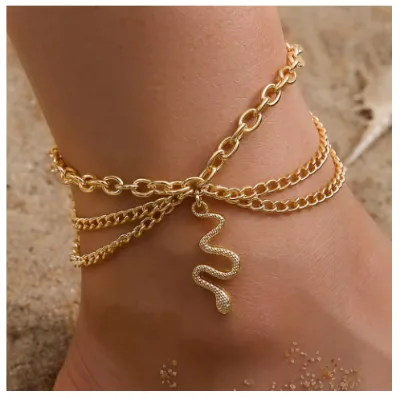
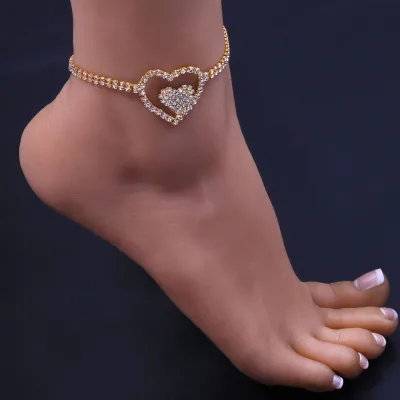
Fashion Alloy Butterfly Pendant Anklet Open Snake-Shaped Love Pearl Anklet
$0.99 - $1.19
MOQ: 12 Pieces

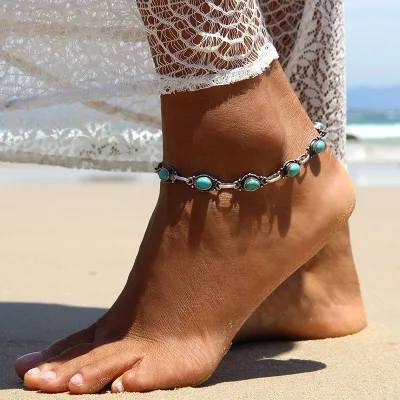
Bohemian Style Woven Rope Anklet Adjustable Color Women's Anklet Fashion Jewelry
$0.75 - $0.89
MOQ: 12 Pieces

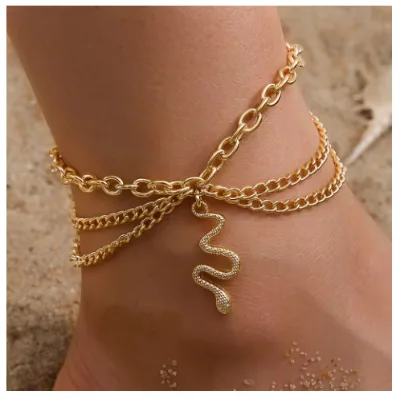
Bohemia Multilayered Lock Snake Chain Anklet Gold Butterfly Shell Anklets
$0.99 - $1.19
MOQ: 12 Pieces

Bohemia Multilayered Lock Snake Chain Anklet Gold Butterfly Shell Anklets
$0.92 - $1.12
MOQ: 12 Pieces

Female Summer Gold Silver Color Anklets for Women Snake Chain Ankle Bracelets
$0.85 - $1.05
MOQ: 12 Pieces
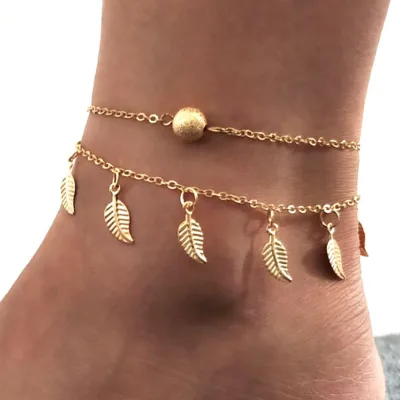
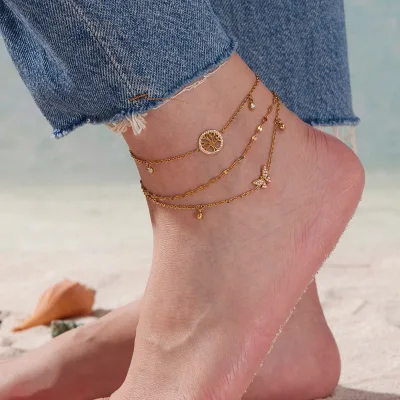
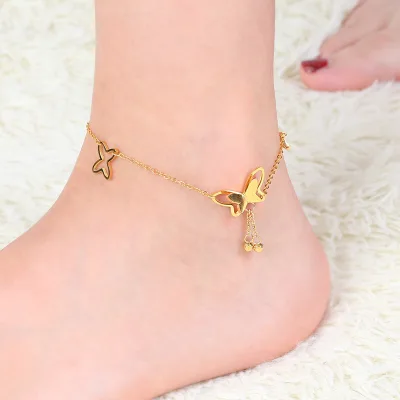
Comprehensive Sourcing Guide
Strategic Sourcing Guide for Fashion Anklets
Navigating the global market for fashion anklets requires a nuanced understanding of product specifications, material integrity, and supplier capabilities. The current landscape presents a diverse array of options, ranging from simple, minimalist designs to intricate, star-fashion pieces that cater to informal occasions and gift-giving markets. Buyers must approach this category with a rigorous framework that prioritizes evidence-based verification over marketing claims. The following guide outlines the critical dimensions of sourcing fashion anklets, focusing on technical attributes, compliance standards, and supply chain reliability based on verified market data.
Technical Specifications and Design Attributes
The foundation of any successful procurement strategy lies in a precise definition of technical specifications. In the realm of fashion anklets, the "Item Name" often appears as "Jewelry Necklace" in broad listings, yet the specific application is clearly defined as an anklet or bangle depending on the model. Buyers must scrutinize the "prod_model" identifiers, such as HDX20123002, CA, or WTKJ-120, to distinguish between different design iterations. These model numbers often correlate with specific dimensions and structural requirements.
Material composition is a primary differentiator. The dominant material observed in this sector is "Alloy," which offers a balance of durability and cost-effectiveness. However, the finish is equally critical. Plating specifications vary significantly, with options ranging from standard "Gold Plated" to premium "18K Gold Plated." The color palette is equally diverse, extending beyond simple gold to include "Antique silver," "Steel," and complex multicolour combinations like "Gold Snake," "Silver Starfish," and "Gold Butterfly." The "Shape\pattern" attribute further refines the selection, with designs featuring snakes, hearts, leaves, and shells being prominent.
Physical dimensions must be verified against the "prod_standard" to ensure fit and comfort. One observed standard indicates a width of 10mm with a specific length parameter, though buyers should verify the exact circumference for anklets, as a standard of "H 275MM" might refer to a necklace length rather than an ankle circumference. The "Single package size" is often compact, recorded as 5x5x5 cm, which impacts shipping logistics. Additionally, the "Single gross weight" is typically minimal, around 0.018 kg per unit, suggesting lightweight construction that is essential for wearable comfort.
Compliance, Certification, and Safety Standards
Safety and regulatory compliance are non-negotiable in the jewelry sector, particularly for products worn directly against the skin. The "Standard" attribute frequently cites "Nickel & Lead Free" as a baseline requirement. This is a critical health and safety marker, as nickel and lead are common allergens and toxic substances regulated in many jurisdictions. Buyers must treat this as a mandatory verification point rather than an optional feature.
Certification processes add another layer of assurance. The "Certificate Type" field mentions "Aigs," which implies third-party verification of quality or material composition. While the specific scope of this certification should be confirmed with the supplier, its presence indicates a commitment to standardized testing. Furthermore, the "Standard" for production often references specific manufacturing protocols, such as "customized" standards or specific regional origins like "Zhejiang, China" and "Guangdong, China." These locations are known manufacturing hubs, but the origin alone does not guarantee quality; it must be paired with verified compliance documentation.
The "Warranty" section offers insight into the manufacturer's confidence in their plating and durability. A "1-2 Fade-Proof Warranty" suggests that the supplier stands behind the longevity of the gold plating. However, buyers should clarify the exact terms of this warranty, including what constitutes "fading" and the conditions under which the warranty is void. This is particularly relevant for "Gold Plated" items, where the thickness of the plating determines the fade resistance.
Cost Drivers and Pricing Dynamics
Understanding the cost structure of fashion anklets is essential for budgeting and margin analysis. The observed price range in the market spans from $0.49 to $4.60 USD. This wide variance is driven by several factors, including the complexity of the design, the quality of the plating, and the volume of the order. Simple "Alloy" anklets with basic "Gold Plated" finishes tend to cluster at the lower end of the spectrum, while items featuring "18K Gold Plated" finishes, intricate "Micro insert" inlay technology, or complex patterns like "Snake" or "Starfish" command higher prices.
The "MOQ" (Minimum Order Quantity) is another significant cost driver. The observed range is between 8 and 100 units, with a specific listing noting "100PCS/Jewelry Necklace" as a standard threshold. Lower MOQs, such as 8 units, are typically reserved for sample orders or highly customized runs, which may carry a higher per-unit cost. Conversely, orders meeting the 100-unit threshold often benefit from economies of scale. Buyers must balance the desire for low initial investment with the need for competitive unit pricing.
Other service factors, such as "Sourcing Agent" availability, can influence the final landed cost. While these services facilitate the procurement process, they may add a layer of cost or require a clear understanding of the fee structure. The "Package" attribute, which can be "Customized," also impacts cost; standard "OPP Bag" packaging is the baseline, but custom branding or eco-friendly materials will increase the unit price.
Typical Applications and Market Segmentation
Fashion anklets serve multiple functions, categorized under "Usage" as Health, Decoration, and Gift. The "Occasion" attribute further segments the market, with "Informal Occasions" being the primary use case. This suggests that these products are designed for casual wear, beach outings, or everyday fashion rather than formal events. The "Style" attribute reinforces this, with descriptors like "Simple," "Star Fashion," and "Trendy" indicating a focus on current fashion cycles rather than timeless, formal jewelry.
The "Gender" attribute is listed as "Unisex" in some contexts, while others specify "Female." This indicates a broad market potential, though the design aesthetics often lean towards feminine trends with elements like hearts, shells, and flowers. The "Design" features, such as "anklet Chain" or "Heart," are specifically tailored to appeal to consumers looking for statement pieces that complement casual attire.
The "Gift" usage category is particularly significant. The "Occasion: Gift" tag suggests that these items are frequently purchased for personal gifting, birthdays, or holidays. This implies that packaging and presentation are as important as the product itself. The availability of "Customized" packaging supports this application, allowing buyers to brand the product for corporate gifts or special events. The "OEM&ODM" acceptance indicates that suppliers are willing to create custom designs for brands looking to enter this market with unique product lines.
Supplier Evaluation and Operational Capabilities
Evaluating a supplier for fashion anklets requires a deep dive into their operational capabilities and service offerings. The "OEM/ODM" status is a key indicator of flexibility. Suppliers that "Welcomed" or "Accept" OEM and ODM services are better equipped to handle custom orders, which is crucial for brands seeking differentiation. The "Customization" attribute confirms that design modifications are possible, allowing buyers to tailor products to specific market demands.
Logistics and shipping are critical components of supplier evaluation. The "Shipping" methods listed include major carriers like "DHL," "UPS," "FedEx," and "EMS." The availability of these options suggests a mature logistics network capable of handling international shipments efficiently. However, buyers should verify lead times and shipping costs, as these can vary based on the destination and the urgency of the order.
The "Place of Origin" provides context regarding the manufacturing ecosystem. Listings from "Zhejiang, China" and "Guangdong, China" highlight the concentration of jewelry manufacturing in these regions. These areas are known for their supply chain efficiency and specialized craftsmanship. However, the "Brand Name" field, such as "QUEENMANN," indicates that some suppliers operate under their own brands, while others may be white-label manufacturers. Buyers must distinguish between brand owners and contract manufacturers to ensure they are negotiating the correct terms.
Quality Control and Long-Term Procurement Considerations
Maintaining consistent quality is paramount in the jewelry sector. The "Inlay technology" described as "Micro insert" suggests a high level of craftsmanship, particularly for items with detailed patterns or embedded elements. Buyers should request samples to verify the quality of this inlay and the overall finish. The "Warranty" of 1-2 years for fade-proofing is a strong quality signal, but it must be backed by clear testing protocols.
Long-term procurement considerations involve building a sustainable relationship with suppliers. The "Other Service" of "Sourcing Agent" can be valuable for ongoing management, ensuring that the supply chain remains stable and responsive to market changes. Buyers should also consider the "prod_packing" standards, ensuring that the "OPP Bag" or custom packaging protects the product during transit without damaging the delicate plating.
Finally, buyers must remain vigilant about the "Standard" and "Certificate Type" requirements. While "Nickel & Lead Free" is a common standard, it should be verified through independent testing for every batch, especially for large orders. The "prod_standard" of "customized" implies that specifications can change, so maintaining a clear, written agreement on quality benchmarks is essential. By focusing on these technical and operational details, buyers can secure a reliable supply of high-quality fashion anklets that meet both market demands and regulatory requirements.
FAQs
What materials are used for fashion anklets?
Fashion anklets are primarily constructed from alloy materials to ensure durability and cost-effectiveness. The products often feature gold plated or 18K gold plated finishes with various shapes like snakes or hearts.
Can I customize the packaging for my order?
Yes, customized packaging is available for Fashion Anklet orders to meet specific branding needs. While standard packing uses OPP bags, buyers can request tailored solutions to enhance the gift presentation.
Which certifications ensure the safety of these anklets?
The products adhere to Nickel and Lead Free standards to ensure safety for skin contact. Some listings also reference Aigs certification types, indicating third-party verification of material quality and composition.
How does the minimum order quantity affect pricing?
The minimum order quantity typically ranges from 8 to 100 pieces depending on the specific model and customization level. Orders meeting the 100-piece threshold often benefit from better economies of scale.
What is the warranty period for the plating?
Suppliers offer a 1 to 2 year fade-proof warranty for the gold plating on these anklets. This warranty indicates confidence in the durability of the finish, though specific terms should be verified.
Where are these fashion anklets manufactured?
These anklets are manufactured in China, specifically in regions like Zhejiang and Guangdong. These locations are known hubs for jewelry production and supply chain efficiency.
What shipping methods are available for delivery?
Delivery is handled via major carriers including DHL, UPS, FedEx, and EMS for international shipping. These options ensure reliable logistics for transporting the lightweight alloy jewelry to global destinations.