Source Fashion PU Leather Cover Button for Jacket Sweater Bags
Find 30 verified options for Fashion PU Leather Cover Button suitable for jackets, sweaters, and bags. Compare prices, sizes, and customization features from multiple suppliers to streamline your sourcing process efficiently.
Key considerations
Products List


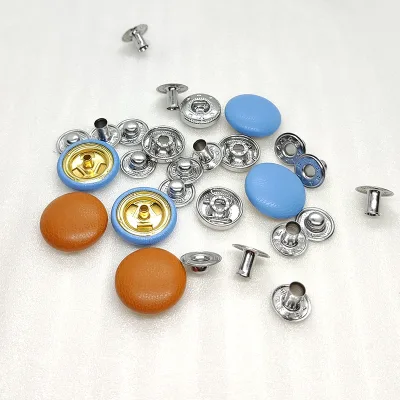


PU Leather Covered Aluminum Shank Button for Bed Furniture Upholesteries
$0.01 - $0.01
MOQ: 10000 Sets




Comprehensive Sourcing Guide
Strategic Sourcing Guide for Fashion PU Leather Cover Buttons
Understanding Product Specifications and Material Composition
When sourcing fashion PU leather cover buttons, buyers must first distinguish between the core material of the button shell and the specific covering technique. The market offers a diverse range of options, including plastic, resin, cloth, and PU leather variants. While the core keyword specifies PU leather, the broader category often includes buttons where the base material is plastic or resin, covered with various fabrics to achieve a specific aesthetic. The observed product data indicates that materials can range from standard plastic and resin to cloth and specialized coverings. A critical distinction lies in the shape and construction; buttons are frequently round, but combined shapes and flatback styles are also prevalent in the market.
The sizing specifications for these components vary significantly depending on the intended application. Standard ranges observed in the industry span from 10mm to 25mm for smaller, delicate applications, while larger fashion statements can extend up to 60mm. Buyers should verify the exact diameter required for their garment pattern, as the standard range of 10mm to 60mm covers most fashion needs, from children's wear to heavy outerwear. The hole configuration is another vital technical parameter. While many fashion buttons are single-hole, the data highlights the availability of 2-hole buttons, which offer enhanced security for heavier fabrics like jackets and trousers. Additionally, the distinction between adjustable and non-adjustable buttons is crucial; some designs allow for size modification, while others are fixed, requiring precise measurement during the design phase.
The visual and tactile attributes of the button are equally important for fashion applications. The "Element" category often includes descriptors such as Fashion, Luxurious, and Vintage, indicating that the finish can be tailored to match specific design themes. Color options range from monocolor solids to complex color-matching schemes and mixture colors, allowing for seamless integration with fabric patterns. The surface finish, described as "Flat Pearl" or "Albid" in certain contexts, suggests a specific sheen or texture that must be matched against the brand's aesthetic guidelines. For PU leather specifically, the "Covered" technics indicate that a base material is encased in the leather-like material, providing durability and a premium look. Buyers must ensure that the supplier can consistently replicate the desired texture and color depth, as these are often the primary drivers of the product's perceived value.
Compliance, Certification, and Safety Standards
In the global apparel supply chain, compliance and safety certifications are non-negotiable, particularly for items that come into direct contact with skin or are used in children's clothing. While specific certification status for every listed product cannot be assumed, the industry standard for textile accessories often involves adherence to safety regulations regarding chemical content. The data references the OEKO-TEX standard and REACH compliance as background expectations, suggesting that buyers should actively request documentation to confirm that the PU leather covering and the underlying materials do not contain prohibited substances.
The "Okeo Certificate" mentioned in the product attributes serves as a concrete example of the type of testing documentation a buyer should expect. This certification typically verifies that the product has been tested for harmful substances, ensuring it is safe for human use. For fashion PU leather buttons, it is essential to verify that the adhesive used in the covering process and the PU material itself meet these safety thresholds. Buyers should not rely on general claims but must request specific test reports from the supplier. These reports should detail the testing methods used and the specific chemical limits that were met.
Furthermore, the origin of the product plays a role in compliance verification. Products originating from major manufacturing hubs like Ningbo and Guangdong, China, are subject to rigorous export controls, but the specific compliance level depends on the individual factory's quality management system. Buyers should confirm that the supplier maintains a quality control protocol that aligns with international standards. This includes verifying that the production process does not introduce contaminants and that the final product is free from defects that could compromise safety. The "Eco-Friendly" attribute noted in some listings suggests a growing market trend toward sustainable materials, but buyers must clarify what specific eco-standards this claim refers to, as it may range from recycled content to non-toxic dyeing processes.
Cost Drivers and Pricing Dynamics
The pricing of fashion PU leather cover buttons is influenced by a complex interplay of material costs, production complexity, and order volume. The observed price range in the market spans from $0 to $1.50 USD, indicating a wide spectrum of quality and value propositions. Lower-priced items often utilize standard plastic bases with basic PU coverings, while higher-priced variants may feature premium materials, intricate designs, or specialized finishes like the "Flat Pearl" or "Luxurious" elements observed in the data. The cost per unit is heavily dependent on the Minimum Order Quantity (MOQ), which ranges widely from 50 pieces to as high as 144,000 pieces.
For buyers with smaller order volumes, the unit cost will naturally be higher due to the fixed costs of setup and production runs. Conversely, large-scale orders can leverage economies of scale to significantly reduce the per-unit price. The packaging method also impacts the final cost. Some products are packed in OPP bags with 25 pieces per bag, while others use larger bags containing 1,000 pieces or cartons with 10 gross per bag. The choice of packaging affects logistics costs and handling efficiency, which should be factored into the total landed cost calculation.
Material selection is another primary cost driver. PU leather, being a synthetic material, generally offers a cost-effective alternative to genuine leather, but the quality of the PU and the thickness of the covering can vary. The "Covered" technics require additional labor and machinery, which adds to the production cost compared to molded plastic buttons. Additionally, the complexity of the design, such as the "Combined" shape or specific color-matching requirements, can increase the manufacturing time and cost. Buyers should request detailed cost breakdowns to understand how much of the price is attributed to raw materials versus labor and overhead.
Typical Applications and Design Integration
Fashion PU leather cover buttons are versatile components used across a wide array of apparel and accessory categories. The observed usage data indicates that these buttons are suitable for jackets, trousers, shoes, sweaters, toys, hats, and bags. The specific application dictates the required durability, size, and aesthetic finish. For heavy-duty applications like jackets and coats, larger buttons with a 2-hole configuration are preferred to ensure they can withstand the tension of thick fabrics. The "Adjustable" feature noted in some products is particularly useful for garments that may require size adjustments or for unisex designs that need to fit a range of body types.
In the realm of sweaters and hats, the aesthetic appeal of the button is paramount. The "Vintage" and "Luxurious" elements suggest that these buttons are often used to add a touch of elegance or retro charm to casual wear. The "Flatback" style is ideal for applications where the button needs to lie flush against the fabric, such as on hats or bags, preventing snagging and ensuring comfort. For toys and children's clothing, safety and durability are the primary concerns. The "Eco-Friendly" attribute and the availability of "Okeo Certificate" testing make these buttons suitable for products intended for young consumers, provided the supplier can verify the safety claims.
The color and finish of the button must align with the overall design of the garment. The "Monocolor" and "Color Matching" options allow designers to create cohesive looks where the button blends seamlessly with the fabric or provides a striking contrast. The "Misture Color" (likely referring to mixed or mottled colors) offers a unique texture that can add depth to a design. Buyers should consider the lighting conditions under which the garment will be worn; a "Flat Pearl" finish may look different under natural light compared to artificial light, affecting the overall perception of the product.
Supplier Evaluation and Quality Control Protocols
Selecting the right supplier for fashion PU leather cover buttons requires a rigorous evaluation process that goes beyond price comparisons. Buyers should assess the supplier's production capabilities, including their ability to handle the specific "Covered" technics and the range of sizes from 10mm to 60mm. The presence of multiple product models, such as FB6521, FB2659, and PJ4982, suggests that the supplier has a diverse catalog, but buyers must verify if the specific model meets their technical requirements. The origin of the product, whether from Ningbo or Guangdong, can provide insights into the supplier's logistical capabilities and experience with international trade.
Quality control is a critical component of the sourcing process. Buyers should implement a system to verify the consistency of the button's dimensions, color, and finish. The "Stock" status of the product is another factor to consider; while some items are available in stock for immediate delivery, others may be made-to-order, which affects lead times. The "7_days_sample_order_lead_time: Not Support" attribute indicates that some suppliers may not offer rapid sampling, which can delay the design and approval process. Buyers should clarify the sample lead time and cost before placing a large order.
To ensure consistent quality, buyers should request physical samples and conduct internal testing. This includes checking the button's tensile strength, color fastness, and resistance to wear and tear. The "Test: Okeo Certificate" mentioned in the data should be verified with the original test report to ensure it is current and applicable to the specific batch of products. Additionally, buyers should inspect the packaging to ensure that the buttons are protected during transit, as damage to the "Flat Pearl" or "Albid" finishes can render the product unsellable.
Long-Term Procurement Considerations and Relationship Management
Establishing a long-term relationship with a supplier of fashion PU leather cover buttons requires a strategic approach that balances cost, quality, and reliability. The wide range of MOQs, from 50 to 144,000 pieces, allows buyers to start with small orders and scale up as demand grows. However, buyers should be aware that the "Not Stock" status of some items may lead to longer lead times for reorders. Planning ahead and maintaining a buffer stock can mitigate the risk of production delays.
The customization options available, such as the "Customization: Available" attribute, offer significant flexibility for brands looking to differentiate their products. Buyers should work closely with the supplier to develop unique designs that align with their brand identity. This collaboration can lead to exclusive products that are difficult for competitors to replicate. However, customization often comes with higher MOQs and longer lead times, so buyers must balance the desire for uniqueness with the need for timely delivery.
Sustainability is an increasingly important factor in long-term procurement. The "Eco-Friendly" attribute suggests that there is a market for sustainable materials, and buyers should explore options that align with their corporate social responsibility goals. This may involve sourcing PU leather from suppliers who use recycled materials or non-toxic production processes. By prioritizing sustainability, buyers can future-proof their supply chain against evolving regulations and consumer preferences.
Finally, buyers should maintain open communication with their suppliers to address any issues promptly. Regular quality audits and performance reviews can help identify areas for improvement and ensure that the supplier continues to meet the brand's standards. By fostering a collaborative relationship, buyers can secure a reliable supply of high-quality fashion PU leather cover buttons that enhance their product offerings and drive business growth.
Summary of Key Sourcing Parameters
| Parameter | Observed Range/Details | Verification Requirement |
|---|---|---|
| Material | Plastic, Resin, Cloth, PU Leather | Confirm specific material composition and coating. |
| Size Range | 10mm to 60mm | Verify exact diameter for garment compatibility. |
| Hole Configuration | 2-Hole, Single-Hole | Check hole count and spacing for sewing requirements. |
| MOQ | 50 to 144,000 pieces | Negotiate based on order volume and budget. |
| Packaging | 25PCS/OPP, 1000PCS/Bag, Carton | Confirm packaging type for logistics efficiency. |
| Origin | Ningbo, Guangdong, China | Verify factory location and export compliance. |
| Certifications | Okeo Certificate (Sample) | Request current test reports for chemical safety. |
| Lead Time | Varies; 7-day sample not always supported | Clarify sample and production lead times upfront. |
By adhering to these guidelines and maintaining a disciplined approach to verification, buyers can successfully navigate the complex landscape of Fashion PU Leather Cover Button sourcing, ensuring they secure high-quality components that meet their design and operational needs.
FAQs
What materials are used for fashion pu leather cover buttons?
These buttons are typically made from plastic, resin, or cloth with a covered finish. Some variants feature a flat pearl or albid appearance, while others are designed with a luxurious or vintage element to match specific fashion trends.
Which sizes are available for these fashion buttons?
The standard size range spans from 10mm to 60mm, covering various applications from delicate accessories to heavy outerwear. Specific models like 14L or 60L indicate different diameter options to suit jackets, trousers, or sweaters.
Can I find adjustable fashion pu leather cover buttons?
Yes, adjustable options exist alongside non-adjustable fixed designs. Buyers should verify the specific product attributes, as some models allow size modification while others are fixed, requiring precise measurement during the design phase.
How are these buttons packaged for shipment?
Packaging varies by product, with options including 25 pieces per OPP bag or 1000 pieces per bag. Some larger orders may be shipped in cartons containing 10 gross per bag to ensure protection during transit.
What certifications are available for these fashion buttons?
Some products come with an Oeko Certificate to verify safety standards for human use. While OEKO-TEX and REACH are industry expectations, buyers must request specific test reports to confirm the absence of prohibited substances in the materials.
Where are these fashion buttons manufactured?
Production origins include major hubs like Ningbo and Guangdong in China. These locations are known for their manufacturing capabilities, but buyers should verify the specific place of origin for each supplier to ensure compliance with export controls.
What is the typical price range for these buttons?
The observed price range spans from 0 to 1.5 USD per unit, depending on material quality and order volume. Lower prices often reflect standard plastic bases, while higher costs may include premium finishes or specialized covering techniques.