Source Fast Installation Modern Tiny House for Villa, Warehouse, and Dormitory
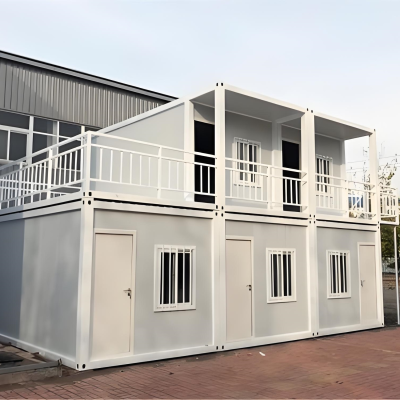
Explore 30 options for a Fast Installation Modern Tiny House designed for villas, warehouses, and dormitories. These prefabricated units offer quick assembly, earthquake resistance, and customizable features like PVC flooring and aluminum windows. Compare specifications from Chinese manufacturers to find the right fit for your project needs.
Key considerations
Products List


Sustainable Mobile Village Modular House Tiny House
$600.00 - $767.00
MOQ: 1 Square Meters
Youran Mushe (Shandong) Cultural and Creative Technology Co., Ltd

Multi-Generation Compound Luxury Modular Tiny House
$200.00 - $300.00
MOQ: 1 Square Meters
Youran Mushe (Shandong) Cultural and Creative Technology Co., Ltd

High-End Modular Stay Modular House Tiny House
$600.00 - $767.00
MOQ: 1 Square Meters
Youran Mushe (Shandong) Cultural and Creative Technology Co., Ltd


Comprehensive Sourcing Guide
Fast Installation Modern Tiny House Sourcing Guide
Procuring fast installation modern tiny houses requires a strategic approach to balancing speed, structural integrity, and aesthetic customization. Buyers must navigate a market where prefabricated modules offer rapid deployment but demand rigorous verification of material quality and assembly logic. The core appeal lies in the ability to deploy functional living or commercial spaces in days rather than months, yet this speed often masks complex logistical and compliance challenges. Understanding the distinction between container-based units and sandwich panel structures is critical for aligning product selection with specific site conditions and usage requirements.
This guide provides evidence-based procurement advice for sourcing these modular structures, focusing on technical verification, compliance documentation, and commercial risk management. By examining observed listing signals and standard specifications, buyers can avoid common pitfalls related to hidden costs, inadequate warranties, and non-compliant materials. The following sections detail the essential steps for evaluating suppliers, ensuring product safety, and securing favorable commercial terms, enabling informed decision-making for both residential and commercial applications.
Product Scope and Observed Listing Signals
The current market for fast installation modern tiny houses features a diverse range of prefabricated solutions, primarily categorized into container homes and sandwich panel structures. Observed listings indicate a price range from $180 to $12,999 USD, reflecting significant variation in material quality, size, and included features. Minimum order quantities (MOQ) typically start at one set, allowing for flexible procurement for individual projects or small-scale developments. Buyers should note that the term "tiny house" often encompasses larger modular units, such as those with a footprint of 36 square meters or dimensions around 5800mm in length, which may exceed traditional tiny house definitions but offer greater utility.
Key product attributes observed include customizable colors, modern design styles, and various wall panel materials such as EPS, rock wool, or graphene bamboo fiber. Flooring options often include PVC, while windows and doors are commonly made from aluminum, glass, or PVC materials. The application scope extends beyond residential use to include warehouses, villas, dormitories, and temporary offices, highlighting the versatility of these structures. Buyers must carefully distinguish between these variations, as the choice of wall material and window type significantly impacts thermal insulation, durability, and overall cost, requiring a clear definition of project needs before engaging with suppliers.
Technical Specifications to Verify
Verifying technical specifications is paramount to ensuring the structural integrity and functionality of the purchased unit. Buyers should confirm the exact dimensions, as observed sizes vary, with some units measuring 5900mm2200mm2480mm and others around 5800mm in length. The package gross weight, often cited around 2700kg, is a critical factor for transportation logistics and foundation planning. Additionally, the electrical system should be tailored to customer requirements, ensuring compatibility with local power standards and usage demands. It is essential to verify the loading capacity, with some units allowing 10-12 units per 40HC container, which affects shipping efficiency and cost.
Thermal insulation and weather resistance are key performance indicators that require careful scrutiny. Features such as wind resistance, waterproofing, and earthquake resistance are commonly advertised, but buyers must request specific test data or material certifications to validate these claims. The lifespan of these structures is typically estimated at 10-20 years, depending on maintenance and environmental conditions. Furthermore, the customization options for decoration and external cladding should be clearly defined in the contract to avoid discrepancies between the ordered design and the delivered product, ensuring the final structure meets aesthetic and functional expectations.
Compliance and Safety Documentation
Compliance with international and local standards is non-negotiable for safe and legal deployment of prefabricated houses. Buyers must verify that suppliers hold valid certifications, such as CE and ISO, which indicate adherence to quality management and safety standards. The CE mark, in particular, is crucial for markets in Europe and other regions requiring strict regulatory compliance. It is important to request copies of these certificates and verify their authenticity with the issuing bodies. Additionally, buyers should inquire about fireproofing materials and structural engineering reports, especially for units intended for permanent installation or multi-story configurations.
Safety features such as moisture proofing, leak proofing, and eco-friendliness are often highlighted in product descriptions, but buyers should seek detailed material safety data sheets (MSDS) for all components. The use of materials like rock wool for wall panels offers inherent fire resistance, but the specific fire rating should be confirmed. Furthermore, buyers must ensure that the electrical systems comply with local electrical codes, including proper grounding and circuit protection. Documentation regarding the structural design, including wind and seismic load calculations, should be provided to assure buyers of the unit's stability and safety under various environmental conditions.
Cost Drivers and Commercial Terms
Understanding the cost drivers behind fast installation modern tiny houses is essential for accurate budgeting and negotiation. The primary cost factors include the choice of wall panel material, the extent of customization, and the complexity of the electrical and plumbing systems. Observed MOQs of one set allow for single-unit purchases, but bulk orders may offer significant discounts. Buyers should also consider the packaging costs, with options ranging from export standard packaging to film packaging, which can affect shipping damage risks and insurance premiums. The warranty period, typically one year or 12 months, should be clearly defined, including coverage for structural defects and material failures.
Commercial terms such as payment methods, delivery schedules, and after-sales service support are critical components of the procurement agreement. Buyers should negotiate clear terms for modifications or additional features, as customization can significantly impact the final price. The loading capacity of shipping containers, with some units allowing up to 12 units per 40HC, can reduce per-unit shipping costs, but this depends on the specific dimensions and weight of the chosen model. Additionally, buyers should clarify the responsibilities for installation and assembly, as some suppliers offer online support while others may require local contractors, impacting the overall project timeline and cost.
Supplier Qualification and Quality Control
Evaluating supplier qualification is a crucial step in mitigating procurement risks for prefabricated houses. Buyers should assess the supplier's production capacity, quality control processes, and track record in delivering similar projects. Requesting references from previous clients and visiting the manufacturing facility, if possible, can provide valuable insights into the supplier's operational standards. It is also important to verify the supplier's ability to provide CAD and 3D one-stop solutions, which ensures that the design phase is handled professionally and accurately. Suppliers with strong engineering capabilities are more likely to deliver products that meet technical specifications and compliance requirements.
Quality control measures should be integrated into the procurement process, including pre-shipment inspections and material testing. Buyers should specify the inspection criteria in the contract, covering aspects such as dimensional accuracy, material quality, and finish work. The use of standardized packaging, such as export standard packaging, helps protect the units during transit, but buyers should also consider third-party inspection services for high-value orders. Additionally, establishing a clear communication channel with the supplier for addressing any issues during production or delivery is essential for maintaining project momentum and ensuring customer satisfaction.
Long-Term Procurement Checks
Long-term procurement success depends on establishing robust relationships with suppliers and implementing continuous improvement strategies. Buyers should conduct regular performance reviews of their suppliers, assessing factors such as delivery reliability, product quality, and after-sales support. Maintaining open communication and providing feedback can help suppliers improve their products and services over time. It is also important to stay updated on industry trends and technological advancements, as the prefabricated housing sector is rapidly evolving with new materials and construction methods. This proactive approach enables buyers to make informed decisions and adapt to changing market conditions.
Finally, buyers should develop a comprehensive maintenance and lifecycle management plan for their prefabricated houses. This includes regular inspections, timely repairs, and adherence to manufacturer guidelines for upkeep. Understanding the expected lifespan of the structure, typically 10-20 years, helps in planning for future replacements or upgrades. Additionally, buyers should consider the environmental impact of their procurement choices, opting for eco-friendly materials and sustainable construction practices where possible. By focusing on long-term value rather than just initial cost, buyers can ensure the enduring success and sustainability of their prefabricated housing projects.
FAQs
How fast is the installation for this modern tiny house?
The installation is fast and designed for quick assembly. The structure uses prefabricated sandwich panels and modular components that allow for rapid on-site construction. This fast installation feature minimizes labor time and reduces overall project duration significantly compared to traditional building methods.
What materials are used for the wall panels?
The wall panels are constructed from EPS, Rock Wool, or Graphene Bamboo Fiber sandwich panels. These materials provide excellent thermal insulation, wind resistance, and earthquake resistance. The choice of material ensures the structure is safe, moisture-proof, and eco-friendly for various applications.
Can the design style be customized for apartments?
Yes, the design style is modern and can be customized to suit apartment or villa requirements. You can choose customized colors and decorations. The project solution capability includes CAD and 3D one-stop solutions to ensure the final structure meets your specific aesthetic and functional needs.
What certifications does the prefabricated house have?
The prefabricated house holds CE and ISO certifications. These certifications confirm that the product meets specific quality and safety standards. The CE mark indicates compliance with European health, safety, and environmental protection standards, ensuring reliability for international buyers and diverse market applications.
What is the warranty period for the structure?
The warranty period is typically one year or twelve months. This covers the structural integrity and key components of the house. Buyers should verify specific warranty terms with the supplier, as some variations may exist depending on the specific model and agreed-upon contract conditions.
How many units can be loaded in a 40HQ container?
Loading capacity varies by model, with options for two units or ten to twelve units per 40HQ container. This flexibility depends on the specific size and packaging of the house. Efficient loading helps reduce shipping costs and improves logistics planning for large-scale projects.