Source FDA Certified Dinner Set for Home, Hotel, and Catering
Compare 29 FDA Certified Dinner Set options from verified Chinese manufacturers. Buyers can evaluate ceramic and glass materials, customization features, and eco-friendly designs for daily use, holiday events, and commercial kitchens; compare the available evidence and request quotations based on your requirements.
Key considerations
Products List





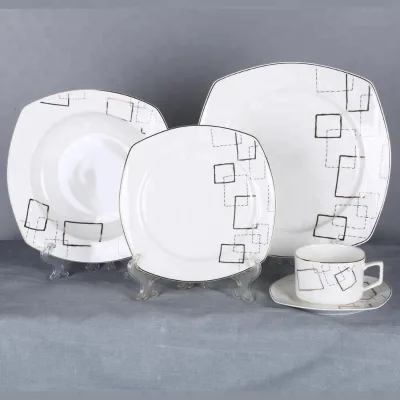
wholesale restaurant 20pcs royal gold new bone china square dinner set
$19.36 - $39.75
MOQ: 500 Minimum


Comprehensive Sourcing Guide
FDA Certified Dinner Set Sourcing Guide
Procuring FDA certified dinner sets requires a disciplined approach to verifying material safety and supply chain transparency. Buyers must distinguish between products that are genuinely compliant with United States Food and Drug Administration regulations and those that merely use the term for marketing appeal. The core keyword signals a focus on ceramic, porcelain, and glass tableware intended for daily household use, where leaching of heavy metals or harmful chemicals is a primary concern. Sourcing teams should prioritize suppliers who provide clear documentation of their manufacturing processes and raw material sources.
This guide outlines the critical steps for evaluating suppliers, interpreting technical specifications, and ensuring commercial terms align with quality expectations. By focusing on observable listing signals and verified compliance documents, buyers can mitigate the risk of receiving non-conforming goods. The following sections provide a structured framework for assessing product scope, technical details, and long-term supplier reliability, ensuring that the final procurement decision is based on factual evidence rather than unverified claims.
Product Scope and Observed Listing Signals
The observed product landscape for FDA certified dinner sets reveals a diverse range of materials, primarily ceramic, porcelain, and glass. Listings indicate a strong emphasis on customization, with many suppliers offering tailored designs, colors, and packaging options to meet specific brand requirements. Common styles include simple, eco-friendly, and colored variants, with some products featuring specialized attributes like color-changing glazes or specific holiday themes such as Christmas. The presence of handles on cup accessories and various bowl sizes suggests a focus on complete tableware solutions rather than isolated items.
Commercial signals show a wide price range and flexible minimum order quantities, indicating a market that caters to both small boutique orders and large-scale retail distributions. Packaging methods vary from individual polybags to standard export cartons and display boxes, reflecting different logistical needs. Buyers should note that while many products are labeled as customized, others are non-customized, requiring careful selection based on inventory strategy. The availability of different piece counts, from single items to sets of six to ten pieces, allows for flexible assortment planning.
Technical Specifications to Verify
Technical verification begins with confirming the material composition, as ceramic, porcelain, and glass each have distinct thermal and chemical properties. Buyers must verify that the glazes and coatings used are lead-free and cadmium-free, especially for products intended for hot food or beverages. Specifications such as model numbers (e.g., 96B-011, 33B-028) and standard sizes (e.g., 8" to 12" plates) should be cross-referenced with supplier catalogs to ensure consistency. It is crucial to confirm whether the product is disposable or non-disposable, as this impacts durability expectations and environmental compliance.
Dimensional accuracy and weight tolerance are also key technical factors that affect shipping costs and shelf presentation. Buyers should request detailed specifications for each item in a set, including diameter, height, and capacity, to ensure compatibility with existing tableware or storage solutions. The presence of features like eco-friendly materials or specific color options should be validated through physical samples before bulk ordering. Additionally, verifying the grade of the ceramic or glass, such as high-grade porcelain, can provide insights into the product's resilience and thermal shock resistance.
Compliance and Safety Documentation
Compliance with FDA regulations is non-negotiable for dinner sets entering the US market. Buyers must request valid FDA compliance certificates or test reports from accredited laboratories, ensuring that the documents are current and cover the specific materials and glazes used. While some listings mention certifications like CE/EU, CIQ, and LFGB, these do not substitute for FDA approval. It is essential to verify that the testing was conducted on the actual finished product, not just raw materials, to guarantee that the final item meets safety standards for food contact.
Documentation should also include a Declaration of Conformity and a Material Safety Data Sheet (MSDS) if applicable. Buyers should check for any additional certifications, such as BSCI, which indicate social compliance, although this is separate from product safety. It is advisable to request a copy of the test report to review the specific parameters tested, such as lead and cadmium leaching levels. Ensuring that the supplier has a robust quality management system, potentially supported by ISO 9001, can further enhance confidence in their compliance processes.
Cost Drivers and Commercial Terms
Cost drivers for FDA certified dinner sets include material quality, customization complexity, and packaging requirements. Customized designs, special colors, and unique packaging options typically incur higher costs due to setup fees and lower production efficiency. Buyers should also consider the impact of minimum order quantities (MOQs) on unit pricing, as larger orders often benefit from economies of scale. The observed MOQ range of 1 to 10,000 pieces suggests flexibility, but buyers must balance order size with inventory holding costs and cash flow constraints.
Commercial terms such as delivery time, payment methods, and shipping responsibilities significantly affect the total cost of ownership. A typical delivery time of 20 days should be factored into supply chain planning, with allowances for potential delays due to customization or quality checks. Buyers should negotiate clear terms for defects and returns, ensuring that non-conforming products are addressed promptly. Additionally, understanding the packaging details, such as the use of polyfoam or pallets, can help optimize shipping costs and reduce the risk of damage during transit.
Supplier Qualification and Quality Control
Supplier qualification involves a thorough assessment of their manufacturing capabilities, quality control processes, and track record. Buyers should verify the supplier's production capacity and lead times to ensure they can meet demand peaks without compromising quality. Requesting references from existing clients, particularly those in the US market, can provide valuable insights into the supplier's reliability and responsiveness. It is also important to check for any history of compliance violations or product recalls, which could indicate systemic quality issues.
Quality control measures should be clearly defined in the purchase agreement, including pre-shipment inspections and random sampling protocols. Buyers should consider hiring third-party inspection services to verify product quality before shipment, especially for large orders. Establishing clear acceptance criteria for defects, such as chipping, cracking, or color inconsistencies, helps prevent disputes upon delivery. Regular communication with the supplier regarding quality feedback and continuous improvement initiatives can foster a stronger partnership and ensure consistent product standards.
Long-Term Procurement Checks
Long-term procurement success depends on continuous monitoring of supplier performance and market trends. Buyers should establish key performance indicators (KPIs) to track delivery accuracy, product quality, and responsiveness to issues. Regular audits of the supplier's quality management system and compliance documentation help ensure ongoing adherence to FDA standards and other relevant regulations. Staying informed about changes in food safety regulations and consumer preferences allows buyers to adapt their sourcing strategies proactively.
Building a diversified supplier base can mitigate risks associated with single-source dependencies, ensuring continuity of supply in case of disruptions. Buyers should also evaluate the supplier's innovation capabilities, such as their ability to develop new eco-friendly materials or designs, to maintain a competitive edge. Regularly reviewing contract terms and pricing structures ensures that the procurement strategy remains aligned with business objectives. By maintaining a proactive approach to supplier management, buyers can secure a reliable supply of high-quality, FDA certified dinner sets.
FAQs
What certifications are available for these dinner sets?
The dinner sets are available with FDA, CE/EU, CIQ, LFGB, and EEC certifications. These credentials ensure compliance with international safety and quality standards for food contact materials. Buyers can select specific certifications based on their target market regulations, ensuring the products meet all necessary legal requirements for import and sale.
Can I customize the design of the ceramic dinner sets?
Yes, customization is available for many of the ceramic and porcelain dinner sets. Buyers can request specific models, colors, or packaging options to match their brand identity. The supplier accepts customized orders, allowing for tailored solutions that meet unique aesthetic or functional requirements while maintaining high-quality manufacturing standards.
What is the typical delivery time for orders?
The typical delivery time for these dinner sets is approximately 20 days. This lead time allows for efficient production and quality control processes. Buyers should plan their inventory accordingly to ensure timely receipt of goods, especially for large orders or customized designs that may require additional processing time.
Which materials are used in these dinner sets?
The dinner sets are primarily made from high-grade ceramic, porcelain, and glass materials. These materials are chosen for their durability, eco-friendly properties, and aesthetic appeal. The use of high-quality materials ensures that the dinner sets are suitable for daily use and can withstand regular washing and handling without compromising integrity.
What is the minimum order quantity for these products?
The minimum order quantity varies, with some items requiring up to 10,000 pieces. Buyers should check specific product listings for exact MOQ requirements. This range allows for flexibility in sourcing, catering to both small boutique orders and large-scale commercial purchases, ensuring that suppliers can accommodate diverse business needs.
Are these dinner sets suitable for holiday gifting?
Yes, several dinner sets are specifically suitable for Christmas and other holidays. They come in festive colors and elegant designs, making them ideal for gifting. The packaging options, such as color boxes, enhance their presentation, ensuring they are ready for retail display or direct gifting to customers during the holiday season.