Source FDM PLA 3D Printer Filament for Prototyping, Education, and Architecture
Compare 30 listings of FDM PLA 3D Printer Filament with varying specifications like 1.75mm diameter and printing temperatures. Buyers can evaluate options for prototyping, educational projects, and architectural applications based on available customization and spool details; compare the available evidence and request quotations based on your requirements.
Key considerations
Products List


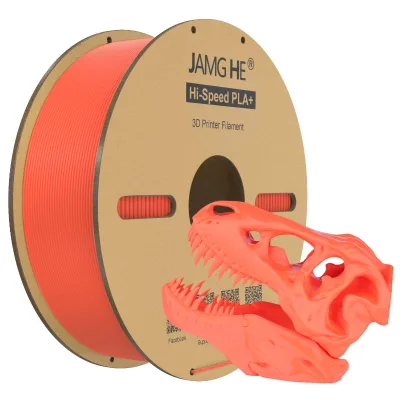
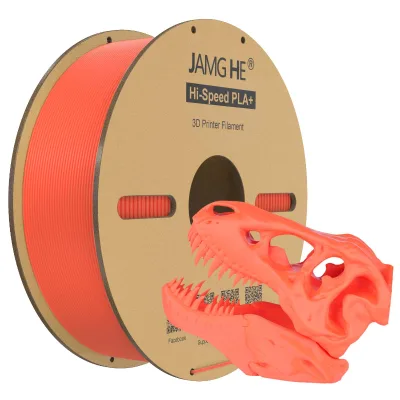

Comprehensive Sourcing Guide
FDM PLA 3D Printer Filament Sourcing Guide
Procuring FDM PLA 3D Printer Filament requires careful attention to dimensional consistency and material composition to ensure reliable printing performance. Buyers must verify that the filament diameter matches the standard 1.75mm specification, with a tolerance of +/- 0.03mm, to prevent nozzle clogging and extrusion issues. The material is typically supplied in a coiled state, which facilitates smooth feeding through the printer's drive gears and extruder mechanisms.
Sourcing decisions should also account for the specific printing temperature ranges required by the filament type, which generally fall between 180°C and 240°C. Different batches may exhibit variations in base plate temperature requirements, often ranging from 50°C to 60°C, necessitating verification of thermal compatibility with the intended printer hardware. Understanding these thermal parameters is essential for achieving optimal layer adhesion and minimizing warping during the fabrication process.
Product Scope and Observed Listing Signals
The market for FDM PLA filament presents a wide range of product listings, with observed prices spanning from 1 to 20,000 USD and minimum order quantities varying between 1 and 500 units. This broad spectrum indicates significant variation in product quality, packaging, and supplier capabilities, requiring buyers to distinguish between standard consumer-grade spools and industrial-grade materials. The presence of customization options suggests that suppliers may offer tailored solutions for specific color, diameter, or packaging requirements.
Listing signals often include specific product models such as ERYONE PLA or Creality Ender PLA, which serve as identifiers for the filament type rather than the printer itself. Packaging formats vary from wooden cases and carton bags to standard boxes, directly impacting shipping costs and material protection during transit. Buyers should scrutinize these listing details to ensure the physical product matches the intended application, whether for prototyping, educational projects, or architectural modeling.
Technical Specifications to Verify
Dimensional accuracy is the primary technical specification to verify, as the filament diameter must remain consistent at 1.75mm to ensure smooth extrusion. Variations beyond the +/- 0.03mm tolerance can lead to inconsistent flow rates and print failures, making precise measurement a critical step in the qualification process. Additionally, the spool dimensions, such as a diameter of 200mm and height of 67mm, must be compatible with the printer's filament holder to prevent mechanical interference.
Thermal properties and printing speed capabilities are equally vital for operational success, with recommended printing speeds ranging from 50mm/s to 600mm/s depending on the specific filament formulation. Buyers must confirm that the material supports the required nozzle temperatures, typically between 190°C and 230°C, and that the base plate temperature aligns with the 50-60°C range for optimal bed adhesion. Verifying these parameters against the printer's capabilities ensures that the filament will perform reliably under the intended printing conditions.
Compliance and Safety Documentation
While specific certification data is not explicitly detailed in the provided listings, buyers should request documentation confirming that the filament meets relevant safety standards for 3D printing materials. The material type is identified as PLA, which is generally considered safer than ABS due to lower emissions, but verification of non-toxicity and environmental compliance remains a prudent step for workplace safety. Ensuring that the supplier can provide evidence of material safety is essential for maintaining a secure manufacturing environment.
Documentation should also cover the software and operating system compatibility required to utilize the filament effectively, such as support for .stl file formats and Windows XP operating systems. Although these system requirements may seem dated, they highlight the need to verify that the filament's digital profiles and slicing software are compatible with the buyer's existing infrastructure. Confirming these technical prerequisites prevents workflow disruptions and ensures seamless integration into the production pipeline.
Cost Drivers and Commercial Terms
The cost of FDM PLA filament is influenced by several factors, including the material type, packaging quality, and the specific product model selected. Prices observed in the market range significantly, reflecting differences in quality control, brand reputation, and the inclusion of value-added services like customization. Buyers must evaluate whether the higher price points correspond to tangible benefits such as tighter diameter tolerances or enhanced mechanical properties like high strength and heat resistance.
Commercial terms, including minimum order quantities and packaging standards, play a crucial role in the total cost of ownership. Listings indicate MOQs as low as 1 unit, offering flexibility for small-scale prototyping, while larger orders may require quantities up to 500 units. Packaging standards, such as the 5030300cm or 222415cm dimensions, affect shipping logistics and storage requirements, necessitating a thorough review of these terms to optimize supply chain efficiency and reduce overhead costs.
Supplier Qualification and Quality Control
Supplier qualification should focus on the consistency of product attributes, such as the absence of bubbles and the reliability of the forming technology used. The FDM process is standard for this filament type, but buyers must verify that the supplier maintains strict quality control to ensure the material remains bubble-free and dimensionally stable. Consistency in the coiled state and the ability to meet the specified printing temperature ranges are key indicators of a supplier's capability to deliver high-quality filament.
Quality control processes should also include verification of the spool material and its temperature resistance, which is noted as ABS with a resistance of 70°C in some listings. This distinction is important for ensuring that the spool itself does not deform under the heat generated during the printing process. Buyers should request evidence of these quality checks to confirm that the supplier adheres to rigorous standards and can consistently deliver products that meet the specified technical requirements.
Long-Term Procurement Checks
Long-term procurement strategies require regular monitoring of filament performance to ensure sustained quality and reliability over time. Buyers should establish a schedule for testing print quality, dimensional accuracy, and thermal performance to detect any deviations from the initial specifications. This proactive approach helps identify potential issues early, allowing for timely adjustments to the supply chain or supplier selection to maintain production efficiency.
It is also essential to review the supplier's ability to maintain consistent product attributes, such as the 1kg net weight and the specific packing formats like wooden cases or carton bags. Changes in packaging or material composition can impact the filament's performance and the buyer's operational costs. By maintaining a close relationship with the supplier and conducting periodic audits, buyers can ensure a stable supply of high-quality FDM PLA filament that meets their evolving production needs.
FAQs
What is the diameter of the PLA filament?
The filament diameter is 1.75mm with a tolerance of plus or minus 0.03mm. This precise specification ensures compatibility with most desktop printers and maintains consistent extrusion flow during the printing process for high-quality results.
Can I customize the PLA filament for my project?
Yes, customization is available for this PLA filament product. Buyers can request specific modifications to meet unique project requirements, ensuring the material fits perfectly into their specific 3D printing applications and design needs.
What is the recommended printing temperature for this material?
The recommended printing temperature ranges from 180 to 240 degrees Celsius. This range allows for optimal layer adhesion and material flow, ensuring the filament performs well across various desktop printer models and environmental conditions.
Which state is the filament supplied in?
The filament is supplied in a coiled state. This packaging format prevents tangling and ensures easy feeding into the printer extruder, facilitating smooth operation and reducing the risk of jams during extended printing sessions.
What is the minimum order quantity for this product?
The minimum order quantity ranges from one to five hundred units. This flexible MOQ allows buyers to start with small batches for prototyping or scale up to larger orders for mass production without excessive initial investment.
How is the product packed for shipping?
The product is packed in wooden cases, boxes, or cartons depending on the specific model. This varied packaging ensures safe transport and protection against damage, maintaining the integrity of the filament spools during international shipping.
What is the origin of this PLA filament?
The product originates from China. This location indicates the manufacturing source and helps buyers understand the supply chain logistics, including potential lead times and shipping routes associated with sourcing this specific 3D printing material.