Source Jewelry Set for Wedding, Gift, and Party Decoration
Explore 30 verified listings for a Jewelry Set suitable for weddings, gifts, and parties. Buyers can compare materials like silver and copper, customization options, and lead times from Guangzhou suppliers offering OEM services; compare the available evidence and request quotations based on your requirements.
Key considerations
Products List


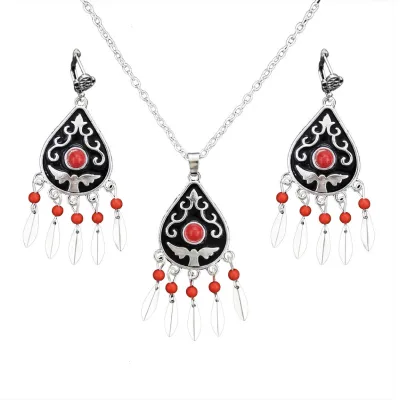


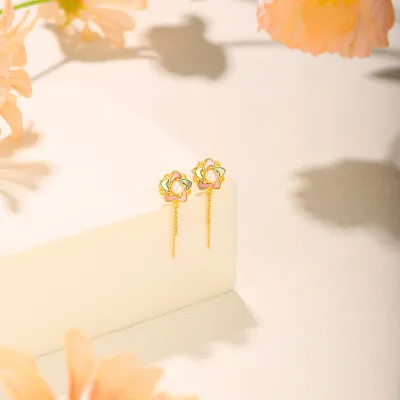
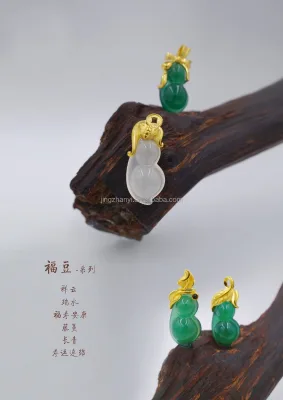

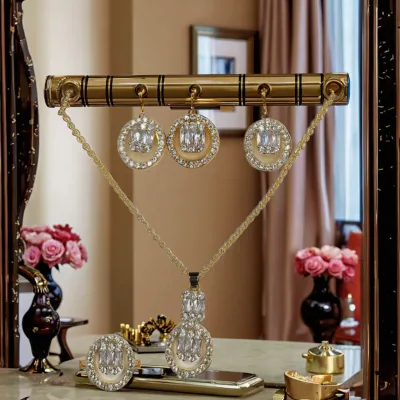
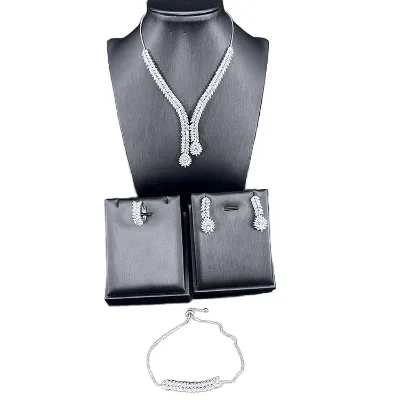
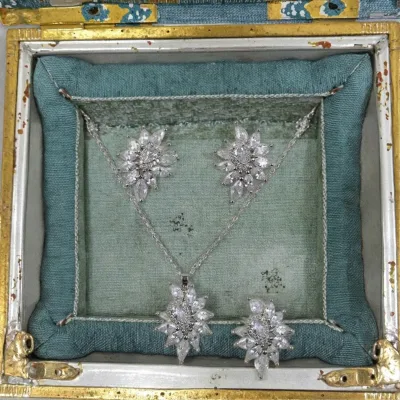


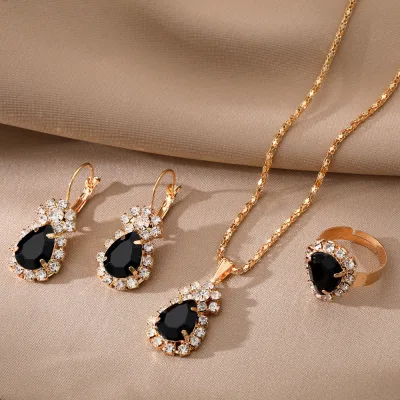
Comprehensive Sourcing Guide
Jewelry Set Sourcing Guide
Sourcing jewelry sets requires a disciplined approach to balancing aesthetic appeal with commercial viability. Buyers must navigate a market where customization is prevalent, allowing for tailored designs that align with specific brand identities or seasonal trends. The observed product landscape indicates a strong emphasis on fashion-forward styles, including geometric and heart shapes, which cater to diverse consumer preferences. Understanding these stylistic nuances is the first step in defining a successful procurement strategy that resonates with target demographics.
Commercial terms and logistical constraints play a pivotal role in finalizing supplier partnerships. Lead times vary significantly, ranging from short delivery windows to extended production periods, necessitating careful inventory planning. Minimum order quantities also fluctuate, requiring buyers to assess their capacity to absorb initial stock levels. By aligning product specifications with realistic supply chain capabilities, purchasers can mitigate risks associated with delays or overstocking, ensuring a smoother transition from sourcing to market launch.
Product Scope and Observed Listing Signals
The current market for jewelry sets exhibits a wide range of material compositions, primarily featuring silver, copper, and metal alloys. Buyers should note that accessory materials often include 925 sterling silver and cubic zirconia, which contribute to the perceived value and durability of the final product. These material choices directly influence the aesthetic outcome, with plating options such as rhodium, rose gold, yellow gold, and black providing additional customization layers. This diversity allows for the creation of sets that range from simple, everyday wear to more elaborate, statement pieces.
Color and finish variations further expand the scope of available inventory, with options including silver, white, clear, black, and beige tones. The setting techniques observed, such as wax setting, indicate specific manufacturing processes that affect the final texture and security of gemstones or decorative elements. Additionally, the suitability of these sets for unisex or female audiences highlights the importance of targeted marketing strategies. Buyers must carefully evaluate these visual and material signals to ensure alignment with their brand’s core identity and customer expectations.
Technical Specifications to Verify
Verifying technical specifications is critical to ensuring product consistency and quality across large orders. Buyers should confirm the purity levels of precious metals, such as the 92.5% silver content often cited in sterling silver products, to prevent discrepancies in material value. The stamping process, whether marked as 925 or customized per client requirements, serves as a key verification point for authenticity. Additionally, understanding the processing methods, such as casting, helps in assessing the structural integrity and potential limitations of intricate designs.
Size and weight parameters also require close attention, as some listings indicate customized sizing or specific weight standards like 35 grams. These specifications impact both the user experience and the shipping costs associated with the final goods. Buyers must ensure that the supplier can consistently meet these dimensional and weight tolerances across all units in an order. Clear communication regarding these technical details during the sampling phase can prevent costly revisions and ensure that the final products meet the agreed-upon quality benchmarks.
Compliance and Safety Documentation
Compliance with international standards is essential for mitigating legal risks and ensuring product safety in global markets. The presence of SGS certification in observed listings suggests a baseline level of adherence to quality and safety protocols, but buyers must verify the scope and validity of these certificates. It is crucial to confirm that the certification covers the specific materials and processes used in the jewelry sets, particularly regarding heavy metal content and chemical treatments. This verification protects against regulatory hurdles and enhances consumer trust in the brand.
Beyond certification, buyers should inquire about the specific standards applied during production, such as those related to plating durability and hypoallergenic properties. Documentation should clearly outline the testing procedures used to validate these claims, ensuring that the products are safe for prolonged skin contact. Establishing a robust compliance framework early in the sourcing process helps in building a reputable supply chain that prioritizes ethical manufacturing and consumer safety, thereby reducing the risk of recalls or legal disputes.
Cost Drivers and Commercial Terms
Cost structures in the Jewelry Set market are influenced by material prices, customization complexity, and order volume. Buyers should analyze how factors like plating choices and accessory materials impact the final unit cost, as these elements often require additional processing steps. Minimum order quantities, ranging from small batches to larger volumes, also play a significant role in pricing negotiations. Understanding these cost drivers enables buyers to make informed decisions about order sizes and budget allocations, optimizing their return on investment.
Commercial terms, including lead times and delivery schedules, further affect the total cost of ownership. Extended lead times, such as those observed in some listings, may require higher safety stock levels, increasing holding costs. Conversely, faster delivery options might come at a premium. Buyers must balance these factors to create a cost-effective procurement strategy that aligns with their sales cycles and market demands. Clear agreement on payment terms and shipping responsibilities is also vital to avoid unexpected expenses.
Supplier Qualification and Quality Control
Evaluating supplier capabilities is crucial for ensuring consistent product quality and reliable service. Buyers should assess the supplier’s ability to handle OEM and ODM requests, as this indicates flexibility in design and manufacturing processes. The availability of custom design services suggests a partnership potential that can enhance brand uniqueness. Additionally, verifying the supplier’s experience with specific materials and techniques, such as wax setting or casting, helps in gauging their technical proficiency and reliability.
Quality control measures must be clearly defined and enforced throughout the production process. Buyers should request detailed quality assurance protocols, including inspection criteria for materials, finishes, and packaging. The use of standard packaging, such as OPP bags and strong cartons, should be confirmed to ensure product protection during transit. Establishing a rigorous quality control framework, including pre-shipment inspections, helps in maintaining high standards and minimizing the risk of defects reaching the end consumer.
Long-Term Procurement Checks
Sustaining a successful sourcing relationship requires ongoing monitoring and evaluation of supplier performance. Buyers should regularly review key performance indicators, such as on-time delivery rates, defect rates, and responsiveness to issues. This continuous assessment helps in identifying potential risks early and implementing corrective actions. Additionally, staying informed about market trends and material price fluctuations allows buyers to adjust their strategies proactively, ensuring competitiveness and cost-efficiency over time.
Building a resilient supply chain also involves diversifying suppliers and maintaining open communication channels. Regular feedback sessions with suppliers can foster collaboration and drive continuous improvement in product quality and service. By focusing on long-term partnerships rather than transactional relationships, buyers can secure better terms, priority production slots, and innovative design support. This strategic approach ensures that the sourcing function remains a valuable asset to the business, supporting growth and market expansion.
FAQs
What customization options are available for jewelry sets?
Customization is available for these jewelry sets, allowing buyers to request specific designs or modifications. The products support OEM and ODM services, enabling tailored solutions for anniversaries, weddings, or parties. Buyers can specify details like shape, color, and plating to meet unique requirements.
Which certifications do the jewelry sets hold?
The jewelry sets hold SGS certification, ensuring they meet specific quality and safety standards. This certification applies to the materials and production processes used. Buyers can rely on this verified standard when sourcing products for decoration, gifts, or collection purposes.
How long is the delivery time for orders?
Delivery times vary between 10 to 30 days depending on the specific product model and order volume. Some items have a lead time of 15 to 20 days, while others may take up to 45 days. Sample preparation typically requires about 10 days before mass production begins.
What materials are used in the jewelry sets?
Materials include silver, copper, and metal alloy, with some pieces featuring 925 sterling silver. Plating options range from rhodium and rose gold to yellow gold and black. Accessories may also incorporate cubic zirconia, offering diverse aesthetic choices for different styles and applications.
Can I order small quantities of jewelry sets?
Yes, minimum order quantities range from 10 to 30 pieces depending on the specific model selected. Some items require 20 pieces, while others start at 10 or 30. This flexibility allows buyers to test the market or fulfill small gift orders without committing to large bulk purchases.
Where are the jewelry sets manufactured?
The jewelry sets originate from Guangzhou, China, a major hub for jewelry manufacturing. This location supports efficient production and logistics for international buyers. Products are packed in OPP bags and strong cartons, ready for shipment via various global carriers like DHL or FedEx.
What styles are available for the jewelry sets?
Available styles include fashion, simple, and Korean designs, catering to diverse tastes. Shapes range from hearts to geometric forms, suitable for unisex or female wearers. The sets are designed for decoration, gifts, and collection, ensuring versatility across various occasions and personal preferences.