Source Fiber Laser Protective Coated Lens for Industrial, Medical, and Lighting
Find and compare 30 Fiber Laser Protective Coated Lens options from China. Evaluate fused silica and optical glass variants with HC coatings, available in flat and plane lens shapes for industrial laser equipment, medical, and lighting applications.
Key considerations
Products List


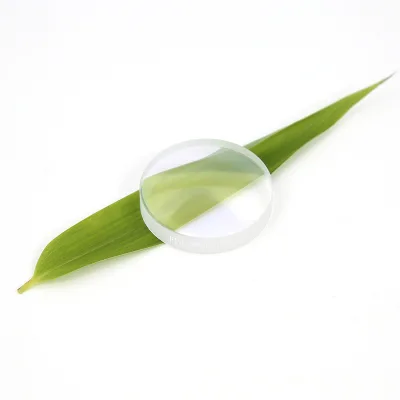

Fiber Laser Metal Cutting Protective Lens Window Lens for Steel Laser Equipment
$0.80 - $35.00
MOQ: 10 Pieces


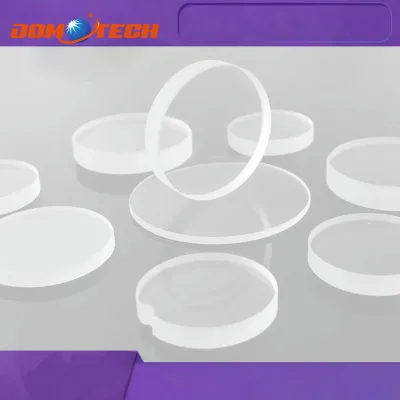

Comprehensive Sourcing Guide
Fiber Laser Protective Coated Lens Sourcing Guide
Sourcing fiber laser protective coated lenses requires a disciplined approach to balancing optical performance with mechanical durability. These components serve as critical barriers between the laser source and the cutting head, protecting expensive internal optics from plasma, spatter, and debris generated during metal material cutting. Buyers must recognize that while the core function is protection, the secondary function of maintaining beam quality through high transmittance is equally vital. The market offers a wide variety of options, ranging from non-customized standard components to fully customized solutions, necessitating a clear understanding of specific machine requirements before initiating procurement.
The procurement landscape for these lenses is characterized by significant variability in specifications, materials, and supplier capabilities. Observed listings indicate a broad range of product models, including specific dimensions such as 24.91.5mm, 27.94.1mm, and D25.4*4mm, alongside generic flat lens designs. This diversity means that a one-size-fits-all approach is ineffective. Buyers must verify the exact diameter, thickness, and coating type required for their specific fiber laser equipment. Furthermore, the presence of both "Non-Standard Component" and "Standard Component" classifications in market data suggests that while many suppliers offer off-the-shelf items, custom geometries are frequently requested to fit specialized industrial laser equipment configurations.
Product Scope and Observed Listing Signals
The product scope for fiber laser protective lenses encompasses a variety of optical materials, primarily fused silica and optical glass, chosen for their high thermal stability and laser damage thresholds. Listings frequently highlight the "Plane Lens" or "Flat" shape, which is standard for protective applications where beam focusing is handled by separate focusing lenses. The color is typically described as transparent or clear, indicating high visibility for inspection and alignment purposes. Buyers should note that while the base material is consistent, the specific grade of fused silica or optical glass can vary significantly between suppliers, directly impacting the lens's resistance to thermal shock and long-term degradation under high-power laser exposure.
Coating technology is a critical differentiator in this product category, with High Transmission (HC) coatings being a commonly observed specification. These coatings are designed to maximize the passage of the laser beam while minimizing reflection losses, which can otherwise cause back-reflection damage to the laser source. The observed transmittance rates often fall within the 90%-95% range, a key performance indicator for buyers evaluating efficiency. Additionally, the physical dimensions vary widely, with thicknesses ranging from 1.5mm to 7mm and diameters that can be customized. Buyers must carefully match these physical attributes to their machine's lens holder specifications to ensure proper seating and alignment, as even minor deviations can lead to optical aberrations or mechanical failure during high-speed cutting operations.
Technical Specifications to Verify
Verifying the precise geometric dimensions is the first step in ensuring compatibility with existing laser cutting heads. The market data shows specific model numbers such as GS-PL and various metric dimensions like 24.91.5mm and 305mm. Buyers must confirm whether their equipment requires a specific diameter, such as the commonly observed 25.4mm (1 inch) standard, or a non-standard size. The thickness is equally critical, as it affects the focal plane and the mechanical strength of the lens. A thickness range of 1.5mm to 7mm is observed, but the exact requirement depends on the laser power and the specific optical design of the cutting head. Mismatched dimensions can lead to improper installation, resulting in poor cut quality or damage to the lens holder.
The optical coating and material composition must be verified to ensure they meet the demands of the specific laser application. For fiber lasers, the wavelength is a fixed parameter, and the coating must be optimized for this specific wavelength to achieve the advertised transmittance rates. Buyers should request detailed spectral transmission curves from suppliers to confirm that the HC coating performs as expected across the operational bandwidth. Additionally, the distinction between fused silica and optical glass should be clarified, as fused silica generally offers superior thermal shock resistance and lower thermal expansion, which is crucial for high-power continuous wave lasers. Confirming the material grade ensures that the lens can withstand the thermal load without cracking or degrading prematurely.
Compliance and Safety Documentation
Regulatory compliance is a fundamental requirement for industrial components, with RoHS certification being a commonly observed standard in the market. This certification ensures that the lens and its manufacturing processes comply with restrictions on hazardous substances, which is particularly important for suppliers exporting to regions with strict environmental regulations. Buyers should request valid RoHS certificates for each batch or product line to ensure ongoing compliance. While RoHS addresses material safety, it does not guarantee optical performance or laser safety, so it should be viewed as a baseline requirement rather than a comprehensive quality assurance document.
Beyond material compliance, buyers must ensure that the lenses meet relevant optical safety and quality standards. Although specific international standards are not always explicitly listed in general product descriptions, reputable suppliers should be able to provide documentation regarding surface quality, scratch-dig specifications, and coating durability. The presence of "Video Outgoing-Inspection" in some listings suggests that some suppliers offer visual quality checks before shipment, which can be a valuable verification step for buyers. However, buyers should not rely solely on video evidence; they should establish clear acceptance criteria for surface defects, coating uniformity, and edge chipping in their purchase agreements.
Cost Drivers and Commercial Terms
The cost of fiber laser protective lenses is influenced by several factors, including material quality, coating complexity, and order volume. The observed price range of $0.59 to $500 USD reflects the vast difference between basic protective lenses and high-performance, custom-coated optics. Key selling points such as "Competitive Price" and "Factory Price" are frequently advertised, indicating that price is a major driver in this market. However, buyers should be cautious of prices that seem unusually low, as they may indicate inferior materials or coatings that do not meet the specified transmittance or durability standards. The minimum order quantity (MOQ) typically ranges from 1 to 5000 pieces, with some suppliers offering an MOQ of just 10 pieces, which is beneficial for testing and small-scale operations.
Commercial terms and packaging are also significant considerations in the procurement process. The observed MOQ of 10 pieces suggests flexibility for small buyers, but larger volumes may offer better unit pricing. Packaging methods vary, with options including carton packaging, plastic cases, and plywood packaging, which can impact the protection of the lenses during shipping. Given the fragility of optical components, proper packaging is essential to prevent damage. Buyers should also consider the supplier's production capacity, with some reporting yields of up to 200,000 pieces per month, which can be a reassuring indicator of supply chain stability for large-scale procurement needs.
Supplier Qualification and Quality Control
Supplier qualification should focus on their ability to provide consistent quality and reliable customization services. The market includes suppliers offering OEM/ODM customized services, which is valuable for buyers with specific machine requirements. Buyers should verify the supplier's manufacturing capabilities, including their ability to produce lenses with precise dimensions and high-quality coatings. The presence of "Customized" attributes in product listings indicates that many suppliers are willing to tailor products to specific needs, but buyers must ensure that the supplier has the technical expertise to deliver on these customizations without compromising quality.
Quality control processes are critical for ensuring that the lenses meet the required specifications. Buyers should inquire about the supplier's internal quality control measures, including inspection protocols for surface quality, coating uniformity, and dimensional accuracy. The observation that some suppliers provide video outgoing-inspection is a positive sign, but buyers should also request detailed quality reports or certificates of analysis for each batch. Additionally, verifying the supplier's place of origin, such as Shanghai or Dongguan in China, can provide context for their manufacturing ecosystem, but buyers should not rely solely on location as a proxy for quality. Instead, they should focus on the supplier's track record, customer reviews, and willingness to provide samples for testing.
Long-Term Procurement Checks
Long-term procurement success depends on establishing a robust supply chain that can adapt to changing production needs and technological advancements. Buyers should regularly review their inventory levels and consumption rates to ensure that they have adequate stock of protective lenses to prevent production downtime. Given the high consumption rate of these components in industrial laser equipment, maintaining a relationship with a reliable supplier who can offer consistent supply and competitive pricing is essential. Buyers should also consider diversifying their supplier base to mitigate risks associated with supply chain disruptions or quality issues.
Continuous monitoring of supplier performance is necessary to ensure that the lenses continue to meet the evolving requirements of the laser cutting process. Buyers should track key performance indicators such as lens lifespan, cut quality consistency, and failure rates. If a particular supplier's lenses begin to show signs of premature degradation or coating failure, buyers should investigate the root cause and consider switching to a different supplier or material grade. Additionally, staying informed about advancements in lens technology, such as new coating materials or designs that offer better protection and transmittance, can help buyers optimize their laser cutting operations and reduce long-term operating costs.
FAQs
What material is used for fiber laser protective coated lenses?
These lenses are typically made from fused silica or optical glass to ensure high durability and thermal resistance. The transparent material allows for efficient light transmission while protecting internal components from debris and spatter during industrial laser cutting operations.
Can these lenses be customized for specific laser equipment?
Yes, customization is available for various industrial laser equipment needs. Buyers can request specific dimensions, such as diameters ranging from 24.9mm to 37mm, and thicknesses between 1.5mm and 7mm. This flexibility ensures a precise fit for different machine models and optical requirements.
What coating is applied to these protective lenses?
The lenses feature a High Transmission (HC) coating to maximize light efficiency. This coating is applied to fused silica or optical glass substrates, ensuring high transmittance rates between 90% and 95%. The HC coating helps maintain laser performance and reduces energy loss during cutting.
What is the minimum order quantity for these lenses?
The minimum order quantity is generally 10 pieces, though some suppliers may accept orders starting from 1 unit. This low MOQ allows buyers to test product quality before committing to larger bulk purchases. It is ideal for small-scale operations or initial equipment maintenance needs.
Are these lenses suitable for metal material cutting?
Yes, these lenses are designed for use in industrial laser equipment that performs metal material cutting. They serve as machine consumables, protecting the main optical system from damage. Their robust construction ensures reliable performance in high-intensity cutting environments where debris and heat are common.
What certifications do these optical lenses hold?
These lenses are certified with RoHS standards, ensuring they are free from hazardous substances. This certification is important for compliance in various international markets. The products are manufactured in China, with origins in Shanghai and Dongguan, adhering to standard component quality controls.