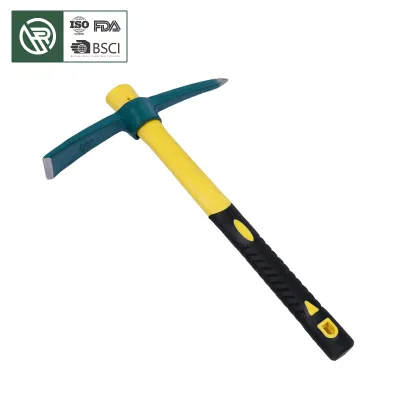
Source Fiberglass Handle Garden Pickaxe for Farming, Gardening, and Landscaping
Compare 30 listings for Fiberglass Handle Garden Pickaxe tools with steel or stainless steel heads. Buyers can evaluate specifications like head weight, handle material, and customization options from suppliers in China.
Key considerations
Products List


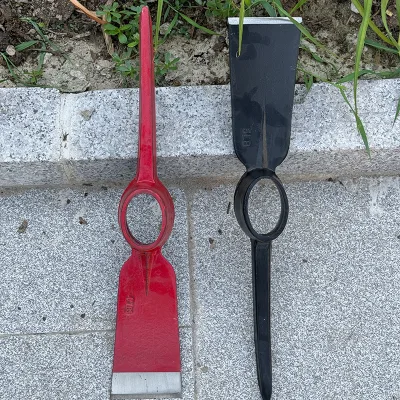
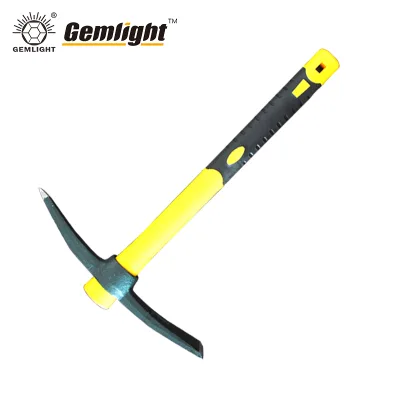
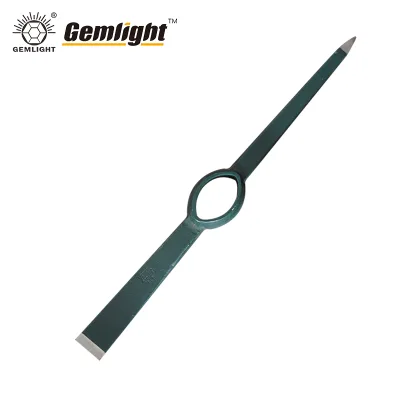
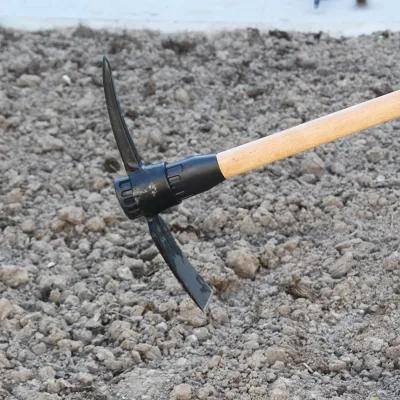
Versatile Pickaxe for Various Outdoor Environments for Different Terrains
$2.83 - $3.85
MOQ: 1200 pieces
Comprehensive Sourcing Guide
Strategic Sourcing Guide for Fiberglass Handle Garden Pickaxes
The global market for manual agricultural and gardening tools continues to demonstrate resilience, driven by the need for durable, cost-effective equipment in both developed and developing economies. Among these tools, the Fiberglass Handle Garden Pickaxe stands out as a critical asset for land preparation, soil loosening, and general landscaping tasks. Sourcing this specific category requires a nuanced understanding of material science, manufacturing standards, and supply chain logistics. This guide provides a comprehensive framework for buyers to navigate the procurement landscape, focusing on technical specifications, compliance verification, and supplier evaluation strategies based on current market realities.
Technical Specifications and Material Composition
The core performance of a garden pickaxe is dictated by the synergy between the head material and the handle construction. In the current market, the head is predominantly manufactured from high-carbon steel or stainless steel, with specific product lines also utilizing railway steel for heavy-duty applications. The selection of head material often correlates with the intended application; for instance, stainless steel variants are preferred for environments requiring corrosion resistance, while carbon steel offers superior hardness for breaking compacted soil. The standard weight specifications observed in the market range from 400g to 650g, with some heavy-duty models reaching between 1.5kg and 2kg. Buyers must verify the specific weight class against their operational requirements, as lighter units reduce fatigue during prolonged use, while heavier units provide greater impact force.
The handle is the defining feature of this product category. Fiberglass is the industry standard for modern pickaxes due to its high tensile strength and resistance to environmental degradation compared to traditional wood. However, the market also presents options with wooden or plastic handles, and some products offer a combination of wood and fiberglass. The length of the handle is a critical specification, with standard lengths often cited around 37.5cm for compact models, while others are available in "lengthened" configurations for extended reach. The attachment method is equally vital; most units are sold as "without attachment," requiring the user to assemble the head and handle, whereas others may come pre-assembled or with specific attachment mechanisms. The shape of the head varies significantly, ranging from flat tip pickaxes to sharp spade configurations and festoon pickaxe designs, each serving distinct soil conditions and gardening tasks.
Compliance and Certification Verification
Navigating the certification landscape is essential for ensuring product safety and marketability. The primary certification observed in the supply chain for these tools is ISO certification. While specific standard numbers like ISO 27001 are sometimes referenced in broader contexts, the immediate verification for tool manufacturing should focus on general quality management system certifications that ensure consistent production processes. Buyers should explicitly request proof of ISO certification from potential suppliers, as this indicates a commitment to standardized manufacturing protocols.
It is important to distinguish between generic certification claims and specific product compliance. Some listings mention "ISOCustomized," which may imply a customized certification process or a specific variation of the standard. Buyers must clarify whether the certification applies to the entire manufacturing facility or specific product lines. Additionally, the origin of the product plays a significant role in compliance; the majority of these tools originate from China, with specific manufacturing hubs noted in regions like Hebei. Origin verification is crucial for understanding the regulatory environment under which the tools are produced, including labor standards and environmental regulations. Buyers should ensure that the supplier can provide documentation confirming the product's origin and adherence to relevant international safety standards for hand tools.
Cost Drivers and Pricing Dynamics
The pricing structure for fiberglass handle garden pickaxes is influenced by a complex interplay of material costs, customization levels, and order volume. The observed price range in the market spans from approximately $0.45 to $9.67 USD per unit. This wide variance is primarily driven by the specifications of the head material, the length and quality of the handle, and the degree of customization required. For example, a basic carbon steel head with a standard fiberglass handle will occupy the lower end of the price spectrum, while a stainless steel head with a custom-branded, lengthened handle will command a premium.
Minimum Order Quantity (MOQ) is another significant cost driver. The market exhibits a broad MOQ range, starting as low as 2 units for sample orders or small-scale procurement and extending up to 4,800 units for large-scale industrial contracts. Suppliers often offer tiered pricing structures where the unit cost decreases as the order volume increases. Customization services, such as OEM branding or specific packaging requirements, typically incur additional costs and may affect the MOQ thresholds. Buyers should note that "ODM" (Original Design Manufacturing) is a common attribute, suggesting that suppliers may offer pre-designed models that can be rebranded, which can be more cost-effective than developing a unique product from scratch. Understanding these dynamics allows buyers to negotiate effectively and align their procurement strategy with their budgetary constraints.
Typical Applications and Functional Versatility
The utility of the Fiberglass Handle Garden Pickaxe extends across various sectors, primarily agriculture, gardening, and landscaping. The product scope is explicitly defined for use in gardens, where the tool is employed for breaking up soil, removing weeds, and preparing planting beds. In the agricultural sector, these tools are indispensable for tasks requiring manual soil aeration and root management. The functional versatility is further enhanced by the availability of multifunctional designs, which may combine pickaxe features with other tools like shovels or spades.
Specific applications are often dictated by the head shape and material. Flat tip pickaxes are ideal for general soil loosening, while sharp spade configurations are better suited for digging and trenching. The "festoon" pickaxe design may offer specialized benefits for specific soil types or root systems. Additionally, the folded or unfolded state of the tool is a consideration for storage and transport; most standard units are sold in an unfolded state, but some may offer folding mechanisms for compact storage. The application also extends to snow removal in certain contexts, where the sharp spade attachment can be utilized for clearing snow, highlighting the multifunctional nature of these tools. Buyers should match the specific application requirements with the tool's design features to ensure optimal performance.
Supplier Evaluation and Brand Considerations
Evaluating suppliers for fiberglass handle garden pickaxes requires a careful assessment of their capabilities, brand positioning, and logistical reliability. The market features a mix of OEM (Original Equipment Manufacturer) and own-brand suppliers. OEM suppliers typically produce tools for other brands, offering flexibility in customization and branding, while own-brand suppliers market their products under their own identity. The "Customized" attribute is prevalent, indicating that most suppliers are willing to accommodate specific design requests, packaging requirements, or branding needs.
When evaluating suppliers, buyers should consider the origin of the products, with China being the primary manufacturing hub. Specific regions, such as Hebei, are noted for their concentration of tool manufacturing. It is crucial to verify the supplier's capacity to meet the required production volume and lead times. The packaging options, ranging from cartons to woven bags, and shipping methods, including sea transportation, should be aligned with the buyer's logistical needs. Furthermore, the "Packing" specifications, such as 12 pieces per woven bag or 20 pieces per PP woven bag, should be confirmed to ensure efficient storage and distribution. Buyers should also assess the supplier's ability to provide consistent quality control and their responsiveness to customization requests.
Quality Control and Long-Term Procurement Strategy
Ensuring long-term success in sourcing fiberglass handle garden pickaxes necessitates a robust quality control (QC) framework. Given the variability in materials and manufacturing processes, buyers must establish clear QC protocols that cover material inspection, assembly integrity, and final product testing. The "Standard" specifications, such as 400g/500g/650g weights or 37.5cm lengths, should be strictly enforced during the production process. Regular audits of the manufacturing facility can help identify potential issues early and ensure compliance with agreed-upon standards.
Long-term procurement considerations also involve building a sustainable relationship with suppliers. This includes negotiating favorable terms for repeat orders, securing consistent supply chains, and maintaining open communication regarding market trends and product improvements. The "MOQ" flexibility observed in the market, ranging from 2 to 4800 units, offers opportunities for buyers to scale their orders based on demand fluctuations. Additionally, the availability of "Sea Shipping" and "Woven Bag" packaging suggests that logistics should be planned well in advance to avoid delays. By focusing on these strategic elements, buyers can mitigate risks and ensure a steady supply of high-quality fiberglass handle garden pickaxes for their operations.
Comparative Analysis of Product Variants
To facilitate informed decision-making, it is helpful to compare the key attributes of different product variants available in the market. The following table summarizes the primary differences observed in terms of material, specifications, and application.
| Feature | Variant A (Standard) | Variant B (Heavy Duty) | Variant C (Specialized) |
|---|---|---|---|
| Head Material | Carbon Steel | Railway Steel | Stainless Steel |
| Handle Material | Fiberglass | Wood or Fiberglass | Fiberglass |
| Weight Range | 400g - 650g | 1.5kg - 2.0kg | 37.5cm (Length) |
| Head Shape | Flat Tip Pickaxe | Festoon Pickaxe | Sharp Spade |
| Application | General Gardening | Agriculture | Snow/Garden Shovel |
| Customization | Available | Available | Customized |
| MOQ | 2 - 4800 | 2400 PCS | Variable |
| Origin | China | Hebei China | China |
This comparison highlights the diversity of options available to buyers. Variant A represents the standard offering suitable for general gardening tasks, offering a balance of cost and performance. Variant B is designed for heavy-duty agricultural applications, featuring robust materials and higher weight for increased impact. Variant C focuses on specialized applications, such as snow removal or specific gardening needs, with unique head shapes and materials. Buyers should select the variant that best aligns with their specific operational requirements and budget constraints.
In conclusion, sourcing fiberglass handle garden pickaxes requires a strategic approach that balances technical specifications, compliance requirements, and cost considerations. By leveraging the insights provided in this guide, buyers can make informed decisions that enhance their procurement efficiency and ensure the delivery of high-quality tools to their end-users. The market offers a wide range of options, and careful evaluation of suppliers and product variants is essential for achieving long-term success in this sector.
FAQs
What materials are used for the pickaxe head?
The head is primarily made of carbon steel, railway steel, or stainless steel. Stainless steel variants offer corrosion resistance, while carbon steel provides superior hardness for breaking compacted soil in gardens and agriculture.
Which handle materials are available for this tool?
Fiberglass is the industry standard for high tensile strength, though wooden or plastic handles are also available. Some products combine wood and fiberglass, with standard lengths around 37.5cm or lengthened configurations for extended reach.
What is the typical weight range for these pickaxes?
Standard weight specifications range from 400g to 650g, with heavy-duty models reaching between 1.5kg and 2kg. Lighter units reduce fatigue during prolonged use, while heavier units provide greater impact force for land preparation.
Can I customize the branding and packaging of the product?
Yes, customization is available with OEM and own-brand options. Suppliers offer customized packaging in cartons or woven bags, with specific packing configurations like 12 pieces per woven bag or 20 pieces per PP woven bag.
What certifications do the manufacturers typically hold?
The primary certification observed in the supply chain is ISO certification. Buyers should verify proof of this certification to ensure consistent production processes, as some listings may reference specific variations like ISOCustomized.
Where are these tools primarily manufactured?
The majority of these tools originate from China, with specific manufacturing hubs noted in regions like Hebei. Origin verification is crucial for understanding the regulatory environment and ensuring adherence to international safety standards.