Source Finned Tube Retrofit Radiator for Freezer, Food, and Cooler
Compare 30 Finned Tube Retrofit Radiator options featuring stainless steel, copper, and aluminum materials for food industry, freezer machines, and cooler applications. Buyers can review customization, certifications, and pricing details directly from verified suppliers.
Key considerations
Products List


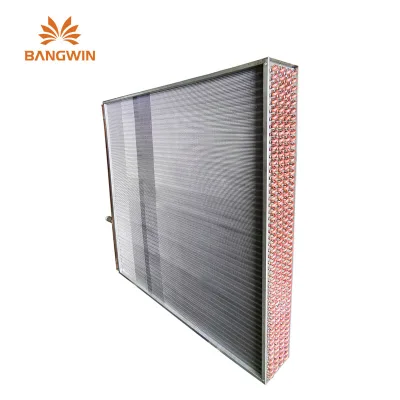
High Performance Steel Finned Tube Radiator for Roto Screen Printing M/C
$800.00 - $20000.00
MOQ: 1 Pieces


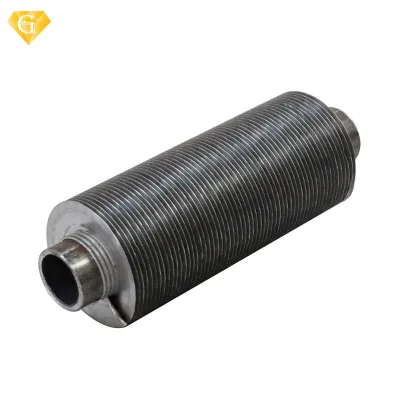
Heavy Duty Industrial Fin Tube Steam Radiator for Boiler Economisers
$800.00 - $20000.00
MOQ: 1 Pieces



Comprehensive Sourcing Guide
Strategic Sourcing Guide for Finned Tube Retrofit Radiators
Understanding Technical Specifications and Material Composition
When evaluating finned tube retrofit radiators, the primary focus must be on the material composition and the specific configuration of the heat exchange surfaces. The core functionality of these units relies heavily on the interaction between the tube material and the fin material to maximize thermal transfer efficiency. Based on available market data, the tube materials commonly utilized include stainless steel, copper, and copper-nickel alloys. The selection of the tube material is critical; stainless steel offers superior corrosion resistance, making it ideal for harsh environments, while copper provides excellent thermal conductivity for applications requiring rapid heat transfer. The fin material, which wraps around the tubes to increase surface area, is frequently specified as aluminum, stainless steel, copper, or copper-nickel. Aluminum fins are often preferred for their lightweight nature and cost-effectiveness, whereas stainless steel fins offer enhanced durability in corrosive atmospheres.
The structural integrity of the radiator is further defined by the frame material, which is typically constructed from galvanized sheet or stainless steel. This frame supports the tube and fin assembly, ensuring stability during operation and installation. The design of the tubes themselves varies, with options available in smooth or grooved configurations. Grooved tubes are often engineered to enhance the bonding between the fin and the tube, thereby reducing thermal resistance and improving overall heat transfer performance. The heat exchanger type is predominantly identified as a fin tube heat exchanger, operating on principles such as mixing heat exchange. These units are designed to function as condensers, vaporizers, coolers, or heaters, depending on the specific industrial application. Buyers must verify the specific application requirements, such as whether the unit is intended for the food industry or freezer machines, as these sectors have distinct hygiene and temperature control standards.
Compliance, Certification, and Regulatory Standards
Navigating the regulatory landscape is a critical step in the procurement of industrial heating and cooling equipment. While specific certification statuses can vary by manufacturer, the market data indicates that products in this category often carry certifications such as ISO and RoHS. The presence of ISO certification suggests adherence to international quality management standards, which is a baseline expectation for reliable industrial components. Additionally, RoHS compliance indicates that the product meets restrictions on hazardous substances, a crucial factor for environmental and safety compliance in many global markets. Some listings also reference CE certification, which implies conformity with health, safety, and environmental protection standards for products sold within the European Economic Area.
However, buyers must exercise caution when interpreting these certifications. It is essential to verify that the specific unit being purchased holds valid, current certification documents rather than relying on general marketing claims. The machinery test report is another vital document; a provided test report offers empirical evidence of the product's performance under controlled conditions. This report should be reviewed to confirm that the unit meets the required pressure and thermal specifications. For instance, the maximum pressure rating for certain units in this category is observed to be up to 4.5 MPa. Buyers should ensure that the pressure rating of the selected radiator exceeds the maximum operating pressure of their specific system to prevent catastrophic failure. Furthermore, the voltage specifications for the associated motor components must align with the local power grid, with common options including 220V, 380V, and 440V. Verifying these electrical parameters is necessary to ensure compatibility and safe operation.
Cost Drivers and Pricing Dynamics
The pricing of finned tube retrofit radiators is influenced by a complex array of factors, ranging from raw material costs to customization levels. The observed price range in the market is extensive, spanning from $1 to $20,000. This wide variance is primarily driven by the scale of the unit, the complexity of the design, and the specific materials selected. High-performance units utilizing copper-nickel alloys or custom-engineered stainless steel configurations will naturally command higher prices compared to standard aluminum and copper models. The degree of customization is another significant cost driver. Products listed with "Customized" capacity, model numbers, and standard specifications often require a bespoke manufacturing process, which increases both the unit cost and the lead time.
The minimum order quantity (MOQ) also plays a pivotal role in the total cost of ownership. The observed MOQ range is between 1 and 1,000 units. For buyers requiring a single unit or a small batch, the per-unit cost may be higher due to the fixed costs of setup and engineering. Conversely, purchasing in larger quantities, such as multiples of 500, can significantly reduce the average cost per unit. The weight of the unit is another factor; observed weights range from 5 kg to 50 kg, with heavier units generally implying more material usage and potentially higher shipping costs. Buyers should also consider the packaging requirements, as options range from standard wooden boxes to customized packing solutions, which can add to the overall expense. Understanding these cost drivers allows procurement teams to balance budget constraints with performance requirements effectively.
Typical Applications and Operational Context
Finned tube retrofit radiators are versatile components designed for a wide array of industrial applications. The primary use cases identified include the food industry and freezer machines, where precise temperature control and hygiene are paramount. In these environments, the corrosion resistance of stainless steel components is particularly valuable to prevent contamination and ensure long-term reliability. Beyond these specific sectors, the heat exchangers serve as condensers, vaporizers, coolers, and heaters in general industrial processes. The principle of operation often involves mixing heat exchange, which allows for efficient thermal transfer between different fluid streams.
The application context also dictates the required specifications. For instance, a unit intended for a freezer machine may require specific voltage ratings and pressure tolerances to handle the extreme temperature differentials involved. The liquid flow rate is another critical parameter, with some units capable of handling maximum flow rates. Buyers must assess their specific system requirements, including the required power output, which can be customized to meet exact needs. The design services offered by suppliers, such as fast design solutions within 12 hours, can be particularly beneficial for retrofit projects where time is of the essence. Understanding the specific operational demands of the target application ensures that the selected radiator will perform optimally within the existing infrastructure.
Supplier Evaluation and Service Capabilities
Selecting the right supplier is as important as selecting the right product. When evaluating potential partners, buyers should look for suppliers that offer comprehensive after-sales support. Key service attributes observed in the market include online customer service available 24 hours a day, remote video coaching for troubleshooting, and the availability of overseas engineers for on-site assistance. These services are crucial for minimizing downtime and ensuring that any technical issues are resolved promptly. The warranty period is another critical factor, with a standard offering of 1 year being common. Buyers should verify the terms of the warranty to understand what is covered and the process for claiming repairs or replacements.
The supplier's location and origin are also relevant considerations. Many suppliers in this category are based in China, specifically in regions like Jiangsu, which is a hub for manufacturing. The origin of the product can influence shipping times and logistics costs. Additionally, the brand name associated with the product, whether it is a recognized OEM brand or a specific manufacturer like Jinmeicheng, can impact the perceived quality and reliability. Buyers should investigate the supplier's track record, including their ability to provide machinery test reports and their adherence to quality standards. The availability of design services, such as fast design solutions, indicates a supplier's flexibility and responsiveness to custom requirements. A supplier that offers these comprehensive services is better positioned to support the long-term success of the procurement project.
Quality Control and Long-Term Procurement Considerations
Ensuring the quality of finned tube retrofit radiators requires a rigorous approach to quality control. Buyers should demand detailed machinery test reports that validate the performance of the unit under various conditions. These reports should confirm that the product meets the specified pressure ratings, thermal efficiency, and material integrity. The certification status, such as ISO and RoHS, serves as a baseline indicator of quality management, but direct verification of these documents is essential. The design of the radiator, including the fin space and tube type, should be inspected to ensure it matches the technical specifications required for the application.
Long-term procurement considerations extend beyond the initial purchase. The key selling points of these products often include a long service life, which is a critical factor for reducing total cost of ownership. Buyers should evaluate the durability of the materials used, particularly the resistance of the fins and tubes to corrosion and wear. The customization options available, such as custom-made capacity and fin space, allow for tailoring the product to specific needs, which can enhance longevity and performance. The packaging, whether standard wooden boxes or customized solutions, also plays a role in protecting the product during transit and storage. By focusing on these quality control measures and long-term factors, buyers can make informed decisions that ensure the reliability and efficiency of their heating and cooling systems.
Summary of Key Product Attributes
To facilitate a clear comparison of the attributes observed in the market, the following table summarizes the critical specifications and features relevant to finned tube retrofit radiators. This overview is based on the aggregated data from available product listings and is intended to guide the buyer's initial screening process.
| Attribute Category | Observed Specifications / Options |
|---|---|
| Tube Material | Stainless Steel, Copper, Copper-Nickel |
| Fin Material | Aluminum, Stainless Steel, Copper, Copper-Nickel |
| Frame Material | Galvanized Sheet, Stainless Steel |
| Tube Type | Smooth, Grooved |
| Heat Exchanger Type | Fin Tube Heat Exchanger |
| Principle | Mixing Heat Exchanger |
| Application | Food Industry, Freezer Machine, Condenser, Vaporizer, Cooler, Heater |
| Certifications | ISO, RoHS, CE (Verify specific unit status) |
| Pressure Rating | Up to 4.5 MPa (Verify specific unit rating) |
| Voltage | 220V, 380V, 440V |
| Warranty | 1 Year |
| After-Sales Service | Online 24/7, Remote Video Coaching, Overseas Engineers |
| Origin | China (e.g., Jiangsu) |
| Packaging | Wooden Box, Customized Packing |
| Customization | Available (Capacity, Model, Standard, Power) |
This table serves as a reference point for buyers to ensure that the products they consider align with their technical and operational requirements. By systematically evaluating these attributes, procurement teams can identify suppliers and products that offer the best balance of performance, compliance, and value.
FAQs
What materials are used for the tubes in finned tube retrofit radiators?
Tube materials commonly include stainless steel, copper, and copper-nickel alloys. Stainless steel offers superior corrosion resistance, while copper provides excellent thermal conductivity for rapid heat transfer in various industrial applications.
Which certifications should I look for in a Finned Tube Retrofit Radiator?
Products often carry ISO and RoHS certifications, with some listings also referencing CE compliance. Buyers must verify that the specific unit holds valid, current certification documents rather than relying on general marketing claims.
Can I customize the capacity and model of the radiator?
Yes, capacity, model numbers, and standard specifications are frequently available as customized options. This bespoke manufacturing process increases both the unit cost and lead time compared to standard off-the-shelf models.
What is the maximum pressure rating for these heat exchangers?
The maximum pressure rating for certain units in this category is observed to be up to 4.5 MPa. Buyers should ensure that the pressure rating of the selected radiator exceeds the maximum operating pressure of their specific system.
How long is the warranty period for finned tube retrofit radiators?
A standard warranty period of 1 year is commonly offered by suppliers. Buyers should verify the specific terms of the warranty to understand what is covered and the process for claiming repairs or replacements.
Where are these radiators typically manufactured and shipped from?
Many suppliers in this category are based in China, specifically in regions like Jiangsu. The origin of the product can influence shipping times and logistics costs for international buyers.
What after-sales services are available for these industrial units?
Key services include online customer support 24 hours a day, remote video coaching, and the availability of overseas engineers. These services are crucial for minimizing downtime and ensuring that any technical issues are resolved promptly.