Source Finned Tube Aluminum Radiator for Heaters, Machinery, Cooling
Compare 27 Finned Tube Aluminum Radiator options from verified Chinese suppliers. Buyers can evaluate corrosion-resistant, temperature-resistant, and pressure-resistant models with customizable dimensions and certifications like ISO and CE for diverse industrial applications; compare the available evidence and request quotations based on your requirements.
Key considerations
Products List


Finned Tube Heat Exchanger Steel Aluminum Composite Radiator Finned Tube
$50.00 - $2400.00
MOQ: 1 Pieces


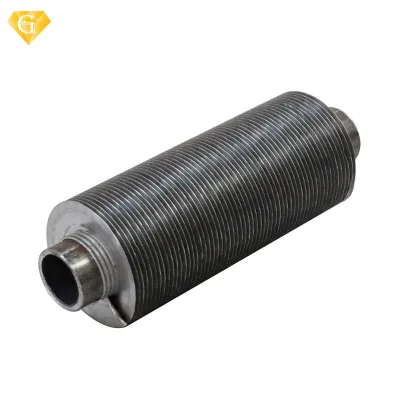


Factory Customized OEM Aluminum Hydraulic Oil Cooler (torque converter radiator)
$58.00 - $899.00
MOQ: 1 Pieces


Comprehensive Sourcing Guide
Finned Tube Aluminum Radiator Sourcing Guide
Procuring finned tube aluminum radiators requires a disciplined approach to verifying technical compatibility and commercial viability. Buyers must align their specific thermal management needs with the available product configurations, ensuring that the selected units can handle the intended operating conditions without failure. This guide outlines the critical verification steps necessary to mitigate supply chain risks and ensure consistent performance across procurement cycles.
The primary focus for procurement teams should be on distinguishing between standard off-the-shelf components and customized solutions. While many listings offer standard dimensions, the ability to customize fin pitch, tube length, and material composition is often essential for specialized industrial applications. Understanding the observed market signals helps buyers set realistic expectations for lead times and pricing structures.
Product Scope and Observed Listing Signals
The market for finned tube aluminum radiators encompasses a wide range of configurations, primarily defined by their base tube material and fin geometry. Observed listings indicate that while aluminum is a dominant material, suppliers also offer carbon steel, stainless steel, and copper variants. This diversity allows buyers to select materials based on corrosion resistance requirements and thermal conductivity needs. The observed fin thickness typically ranges from 0.3 to 0.8 mm, providing a balance between surface area and structural integrity.
Buyers should note that product models are frequently listed as "Customized" or specific alphanumeric codes, indicating a high degree of flexibility in manufacturing. The observed base tube length spans from zero to 22 meters, suggesting that suppliers can accommodate both compact and extended heat exchange requirements. Additionally, the selling units are often multiples of 500, which impacts inventory planning and minimum order quantities. Understanding these listing signals helps buyers negotiate better terms and avoid miscommunication regarding product specifications.
Technical Specifications to Verify
Verifying technical specifications is crucial to ensure that the radiator meets the thermal and mechanical demands of the application. Key parameters include fin pitch, which is observed to range from 2 to 8 mm, and base tube length. These dimensions directly influence the heat transfer efficiency and pressure drop characteristics of the unit. Buyers must confirm that the fin pitch aligns with the airflow or fluid flow conditions of their system to prevent fouling or reduced performance.
Material composition is another critical specification to verify. Listings indicate that base tubes can be made from carbon steel, aluminum, stainless steel, copper, or alloys. The choice of material affects corrosion resistance, temperature tolerance, and pressure resistance. For instance, stainless steel may be preferred in corrosive environments, while copper offers superior thermal conductivity. Buyers should request detailed material certifications and test reports to validate the performance claims made by the supplier.
Compliance and Safety Documentation
Compliance with international standards and safety regulations is a non-negotiable aspect of sourcing industrial components. Observed certifications include RoHS, ISO, and CE, which indicate adherence to environmental, quality, and safety standards. Buyers should request copies of these certificates to verify their validity and scope. Additionally, some listings mention CCC and TS16949 certifications, which may be relevant for specific regional or automotive applications.
Documentation should also include machinery test reports, which are noted as provided in some listings. These reports offer evidence of the product's performance under controlled conditions, helping buyers assess reliability. Buyers should ensure that all documentation is up-to-date and covers the specific batch or model being procured. Failure to obtain proper compliance documentation can lead to regulatory issues and potential liability in case of product failure.
Cost Drivers and Commercial Terms
Understanding the cost drivers for finned tube aluminum radiators is essential for effective budgeting and negotiation. The observed price range in USD is broad, from 1 to 11,000, reflecting the variability in size, material, and customization. Larger units with specialized materials or complex geometries will command higher prices. Buyers should request detailed quotations that break down costs by component, such as base tubes, fins, and assembly.
Commercial terms, including minimum order quantities (MOQ) and payment structures, also significantly impact total procurement costs. The observed MOQ range is 1 to 1000 units, allowing for flexibility in order sizing. Buyers should negotiate payment terms that align with their cash flow and production schedules. Additionally, shipping methods, such as sea or air, affect delivery times and costs. Clear communication of commercial terms helps avoid disputes and ensures a smooth procurement process.
Supplier Qualification and Quality Control
Qualifying suppliers is a critical step in ensuring the reliability and consistency of finned tube aluminum radiators. Buyers should evaluate suppliers based on their manufacturing capabilities, quality control processes, and track record. Look for suppliers who provide detailed information about their production facilities, including equipment and workforce. This helps assess their ability to meet specific technical requirements and maintain consistent quality.
Quality control measures should be verified through audits or third-party inspections. Suppliers should have robust inspection processes in place, including incoming material checks, in-process inspections, and final product testing. Buyers can request samples for testing to validate performance before placing large orders. Establishing a clear quality agreement with the supplier, including acceptance criteria and penalty clauses, helps mitigate risks and ensures accountability.
Long-Term Procurement Checks
Long-term procurement strategies require ongoing monitoring and relationship management with suppliers. Buyers should establish key performance indicators (KPIs) to track supplier performance, including on-time delivery, quality defect rates, and responsiveness to issues. Regular reviews of these KPIs help identify areas for improvement and ensure that the supplier continues to meet the buyer's needs.
Building a strong relationship with the supplier can lead to better terms, priority support, and collaborative problem-solving. Buyers should engage in regular communication, sharing forecasts and feedback to foster a partnership. Additionally, considering multiple suppliers for critical components can reduce dependency and enhance supply chain resilience. By implementing these long-term checks, buyers can secure a stable and efficient supply of finned tube aluminum radiators.
FAQs
What certifications do the finned tube aluminum radiators have?
The products hold RoHS, ISO, CE, CCC, and TS16949 certifications. These standards ensure compliance with international safety and quality requirements for industrial heating and cooling applications.
Which materials are used for the base tubes and fins?
Base tubes are made from carbon steel, aluminum, stainless steel, copper, or alloy materials. The fins and body often utilize aluminum alloy or copper to ensure corrosion and temperature resistance.
Can I request customized dimensions for the fin thickness?
Yes, customization is available for fin thickness ranging from 0.3 to 0.8 mm. Buyers can also specify base tube lengths up to 22 meters to fit specific machinery requirements.
How is the product packaged for international shipping?
Items are packed on wooden pallets or in neutral packing to ensure safe transit. Shipping options include sea or air freight, with samples accepted for quality verification before bulk orders.
What is the warranty period for these radiator components?
A one-year warranty is provided for the fin tube products. This coverage applies to manufacturing defects and ensures reliability for heater parts used in various machinery applications.
Which cooling fluid types are compatible with these radiators?
The radiators support cooling fluids such as industrial water or alcohol. They are designed for direct-flow systems with sealed or open structures depending on the specific machinery application needs.
What is the minimum order quantity for these products?
The minimum order quantity ranges from 1 to 1000 units depending on the supplier. Some sellers require orders in multiples of 500, while others offer flexible purchasing options for smaller batches.