Source Fir Tree Cable Zip Ties for Electrical, Industrial, and Home Use
Compare 30 listings of Fir Tree Cable Zip Ties from verified suppliers. These nylon self-locking and releasable ties offer insulation and high tensile strength for bundling wires in industrial and electrical applications; compare the available evidence and request quotations based on your requirements.
Key considerations
Products List




Comprehensive Sourcing Guide
Fir Tree Cable Zip Ties Sourcing Guide
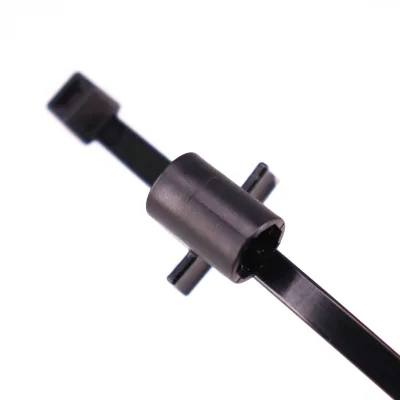
Procuring Fir Tree Cable Zip Ties requires a nuanced understanding of their unique mechanical design, which differs significantly from standard self-locking nylon ties. These fasteners utilize a series of flexible prongs or "teeth" that allow for easy insertion and removal without cutting, making them ideal for applications requiring frequent maintenance or reconfiguration. Buyers must distinguish between true fir tree designs and generic releasable ties, as the former offers superior retention on cylindrical objects like pipes or bundles of wires. The sourcing process begins with identifying suppliers who specialize in this specific geometry, ensuring the product meets the precise dimensional tolerances required for secure bundling without damaging the underlying cables.
The market for these components is diverse, with manufacturers offering variations in material composition, color, and tensile strength. While standard nylon 66 is the most common material due to its durability and resistance to environmental factors, some suppliers may offer alternative polymers for specific thermal or chemical resistance needs. Buyers should carefully review product listings for explicit mentions of the "fir tree" or "releasable" mechanism, as generic terms like "cable tie" often refer to non-releasable variants. Establishing clear communication with suppliers regarding the exact retention force and insertion ease is critical to ensuring the selected product performs reliably in the intended industrial or electrical application.
Product Scope and Observed Listing Signals
Current market listings indicate a wide range of product attributes, with observed prices ranging from $0 to $45.8 USD and minimum order quantities (MOQs) spanning from 1 to 20,000 units. This variability suggests a fragmented supplier base catering to both small-scale prototyping and large-volume industrial procurement. Buyers should note that many listings describe products as "New" and "Non-Customized," indicating that off-the-shelf solutions are prevalent. However, the availability of customization options in some listings provides an opportunity for buyers with specific branding or dimensional requirements to negotiate tailored solutions, provided the MOQ thresholds are acceptable for the project scale.
Product names and keywords in the observed data frequently include "Cable Zip Ties," "Nylon Cable Ties," and "Self-Locking Cable Tie," which may cause confusion with fir tree variants. It is essential to verify that the specific "fir tree" or "releasable" feature is explicitly stated, as many listings describe standard self-locking ties. Specifications such as model numbers (e.g., Bd1230, shcp-157STB) and dimensions (e.g., 220mm, 5*230mm) are commonly provided, allowing buyers to cross-reference technical requirements. The presence of certifications like ISO, CE, RoHS, and UL in some listings serves as a positive signal for quality assurance, though buyers must verify that these certifications apply specifically to the fir tree product line and not just general company credentials.
Technical Specifications to Verify
When evaluating technical specifications, buyers must prioritize the material composition, with Nylon 66 being the industry standard for its balance of strength and flexibility. Listings often specify tensile strengths ranging from 18kgs/40lbs to 8-175kgs, which directly correlates with the tie's ability to hold heavy bundles. It is crucial to verify the width and length dimensions, as these determine the maximum cable diameter that can be secured. For instance, models like 3.6200mm or 7.9200mm offer specific capacity ranges that must match the buyer's cable bundle size. Additionally, the operating temperature range, typically cited as 35~85 Degrees Celsius, should be confirmed to ensure suitability for the environmental conditions of the installation site.
The mechanical design of the fir tree mechanism requires careful inspection of the prong structure and locking teeth. Buyers should request detailed drawings or samples to assess the ease of insertion and the retention force provided by the flexible prongs. Specifications such as "Fits Sheet Metal Thickness: 0.7-3" may indicate versatility in mounting options, but for cable bundling, the focus should remain on the tie's ability to grip cylindrical objects securely. The color, often white, may be relevant for visual identification in complex wiring harnesses. Furthermore, packaging details, such as "Plastic Bag/Carton Box" or "500pcs/bag," impact handling efficiency and storage requirements, so buyers should align these with their internal logistics capabilities to minimize waste and damage during transit.
Compliance and Safety Documentation
Compliance with international standards is a critical factor in sourcing Fir Tree Cable Zip Ties, particularly for applications in regulated industries such as automotive, aerospace, and electrical infrastructure. Listings frequently mention certifications such as ISO, CE, RoHS, REACH, SGS, and UL, which indicate adherence to quality management, environmental safety, and electrical safety standards. Buyers must verify that these certifications are current and specifically cover the fir tree product line, as some suppliers may hold general company certifications that do not extend to all product variants. The presence of a fire rating, such as 94V, is also essential for applications where flame retardancy is required to prevent the spread of fire in cable trays or conduits.
Documentation should include test reports that validate the tensile strength, UV resistance, and thermal stability of the nylon material. Buyers should request certificates of conformity (CoC) and material safety data sheets (MSDS) to ensure the product meets specific project requirements. While standards like UL 62275 and IEC 62275 are relevant to cable ties, buyers must confirm that the supplier's products have been tested against these specific standards. Additionally, compliance with REACH and RoHS directives is crucial for products intended for the European market, ensuring that hazardous substances are not present in the nylon composition. Maintaining a complete audit trail of these documents is essential for quality assurance and regulatory compliance during procurement.
Cost Drivers and Commercial Terms
The cost of Fir Tree Cable Zip Ties is influenced by several factors, including material costs, production complexity, and order volume. Nylon 66 prices fluctuate based on global petrochemical markets, directly impacting the final price of the ties. The manufacturing process for fir tree designs, which requires precise molding of the flexible prongs, may be more complex than standard self-locking ties, potentially leading to higher unit costs. Buyers should expect price variations based on the tensile strength and dimensions of the product, with larger and stronger ties commanding higher prices. Minimum order quantities (MOQs) also play a significant role, with larger orders typically benefiting from economies of scale and lower per-unit costs.
Commercial terms such as payment methods, shipping options, and lead times should be clearly defined in the purchase agreement. Buyers should negotiate favorable terms for bulk orders, including discounts for repeat purchases or long-term contracts. Shipping costs can vary significantly depending on the weight and volume of the order, with packaging details like "584030" carton dimensions affecting freight charges. Lead times should be confirmed to ensure timely delivery, especially for time-sensitive projects. Additionally, buyers should consider the total cost of ownership, including potential costs for quality inspections, storage, and handling, to make informed procurement decisions that balance cost efficiency with supply chain reliability.
Supplier Qualification and Quality Control
Supplier qualification is a critical step in ensuring the reliability and consistency of Fir Tree Cable Zip Ties. Buyers should assess suppliers based on their manufacturing capabilities, quality management systems, and track record in the industry. Suppliers with ISO certification demonstrate a commitment to standardized processes, which can lead to more consistent product quality. It is advisable to request samples for rigorous testing before placing large orders, allowing buyers to evaluate the mechanical performance, material quality, and dimensional accuracy of the ties. Suppliers who offer customization options should be evaluated on their ability to meet specific technical requirements without compromising quality or delivery schedules.
Quality control measures should be integrated into the procurement process to minimize the risk of defects. Buyers should establish clear acceptance criteria based on tensile strength, visual inspection, and functional testing of the releasable mechanism. Regular audits of the supplier's production facility can provide insights into their quality control practices and help identify potential issues early. Communication channels should be open and responsive, allowing for quick resolution of any quality concerns. Additionally, buyers should consider implementing a supplier scorecard system to monitor performance over time, tracking metrics such as on-time delivery, defect rates, and responsiveness to issues. This proactive approach helps build a robust supply chain and ensures long-term partnership success.
Long-Term Procurement Checks
Long-term procurement of Fir Tree Cable Zip Ties requires ongoing monitoring of market trends, supplier performance, and product evolution. Buyers should stay informed about changes in material costs, regulatory requirements, and technological advancements in cable management solutions. Regular reviews of supplier contracts and performance metrics help ensure that the procurement strategy remains aligned with business objectives. It is also important to evaluate the availability of alternative suppliers to mitigate supply chain risks and maintain bargaining power. By maintaining a diverse supplier base, buyers can ensure continuity of supply and access to competitive pricing, even in the face of market disruptions or supplier-specific issues.
Continuous improvement in the procurement process involves leveraging data analytics to identify cost-saving opportunities and optimize inventory levels. Buyers should analyze usage patterns to forecast demand accurately and avoid stockouts or excess inventory. Feedback from end-users and maintenance teams can provide valuable insights into the performance of the ties in real-world applications, highlighting areas for improvement or potential product upgrades. Additionally, staying engaged with industry associations and attending trade shows can help buyers network with suppliers, discover new products, and benchmark against industry best practices. This holistic approach to long-term procurement ensures that the organization remains competitive and resilient in a dynamic market environment.
FAQs
What material are these cable ties made from?
These cable ties are manufactured from high-quality Nylon or Nylon 66. This material provides excellent durability and resistance to environmental factors. It ensures the ties maintain their structural integrity during bundling tasks. The nylon composition supports the self-locking mechanism effectively. This makes them suitable for various industrial and electrical applications where strength is required.
What certifications do these cable ties hold?
These cable ties hold several key certifications including ISO, CE, RoHS, Reach, SGS, and UL. These certifications verify compliance with international safety and environmental standards. They ensure the products meet rigorous quality requirements for global markets. Buyers can rely on these credentials for regulatory compliance in their projects. The specific certifications may vary slightly by product model and batch.
What is the typical tensile strength of these ties?
The tensile strength of these cable ties ranges from 8 to 175 kgs depending on the size. A specific model offers a tensile strength of 18 kgs or 40 lbs. This variation allows users to select the appropriate tie for their load requirements. Higher strength ratings are available for heavier bundling needs. Always check the specific model specifications to ensure adequate holding power.
Can these cable ties be customized for specific needs?
Yes, customization is available for these cable ties to meet specific project requirements. Buyers can request modifications to suit particular industrial or electrical applications. The product attributes indicate that customized options are supported by the supplier. This flexibility allows for tailored solutions in various manufacturing contexts. Contact the supplier directly to discuss specific customization parameters and feasibility.
What is the standard operating temperature range for these ties?
The standard operating temperature range for these cable ties is 35 to 85 degrees Celsius. This range ensures reliable performance in typical industrial and electrical environments. The nylon material maintains its properties within this thermal window. Exceeding these temperatures may affect the tie's structural integrity. Always verify the specific model's thermal rating for extreme condition applications.
How are these cable ties packaged for shipment?
These cable ties are packaged in plastic bags, PE bags, or carton boxes. Specific packing dimensions such as 58 by 40 by 30 cm are used. Some models are packed at 500 pieces per bag. The single package size is approximately 20 by 10 by 8 cm. This packaging ensures safe transport and easy storage for bulk orders.