Source Fire Retardant Indoor MDF Board for Home Theater, Classroom, and Furniture
Find and compare 30 listings for Fire Retardant Indoor MDF Board suitable for home theater, classroom, and furniture applications. Evaluate options based on formaldehyde emission standards, acoustic performance, and production processes to select the right material for your project.
Key considerations
Products List


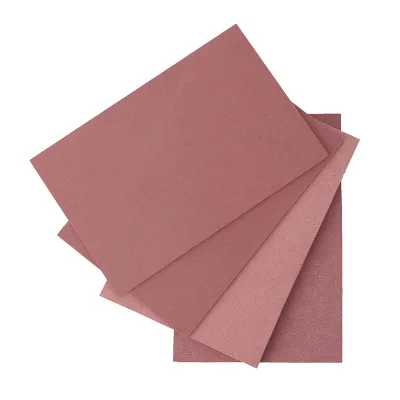


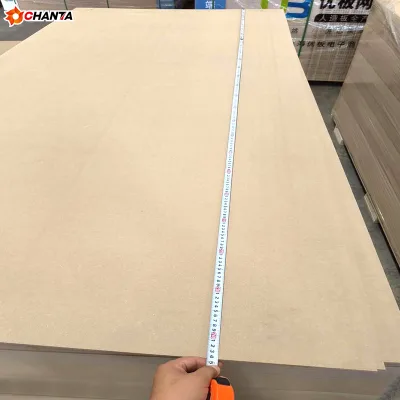
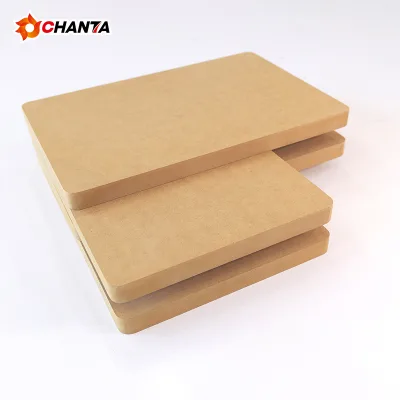
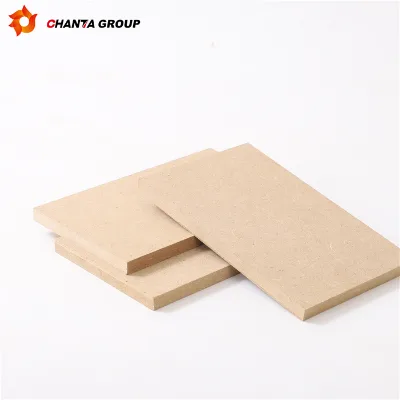
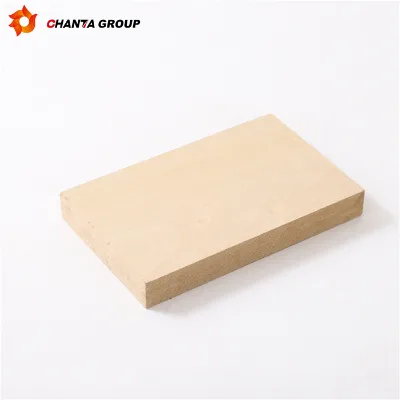


$190.00 - $258.00
MOQ: 10 Square Meters


Comprehensive Sourcing Guide
Fire Retardant Indoor MDF Board Sourcing Guide
Sourcing fire retardant indoor MDF boards requires a disciplined approach that balances acoustic performance, formaldehyde emission limits, and structural integrity. The market offers a diverse range of products, from standard semi-hardboards to specialized acoustic panels with groove finishes. Buyers must navigate varying production processes, such as dry-process and semi-dry process methods, to ensure the final product meets specific project requirements for home theaters, classrooms, or furniture applications. Understanding the distinction between general MDF and specialized fire-retardant variants is critical for making informed procurement decisions that align with safety codes and aesthetic goals.
The observed market signals indicate a wide price range, from $1.5 to $1500 USD, reflecting differences in thickness, density, and certification levels. Minimum order quantities (MOQs) vary significantly, ranging from single units to full container loads (40hc), which impacts supply chain flexibility for small-scale renovations versus large commercial builds. Key attributes such as NRC acoustic performance, Class C fire ratings, and E0/E1 formaldehyde standards are frequently cited, but these are observations of listed products rather than universal guarantees. Procurement teams must verify these specifications against actual product data sheets to avoid mismatches between expected performance and delivered goods.
Product Scope and Observed Listing Signals
The product scope for fire retardant indoor MDF boards encompasses a variety of forms, including standard flat panels, acoustic panels with circle patterns, and groove wooden acoustic panels. These boards are primarily designed for indoor applications, serving roles in home theaters, classrooms, and furniture manufacturing. The materials often utilize poplar wood fiber as a core component, with surface finishes ranging from sanded and melamine-coated to wood veneer options. Buyers should note that while "fire retardant" is a common descriptor, the specific fireproof grade, such as B1, and fire rating, such as Class C, vary by manufacturer and must be confirmed for each specific order.
Listing signals reveal that customization is widely available, allowing buyers to tailor thickness, size, and surface treatments to their needs. Common specifications include a thickness of 1 inch or 15mm, with standard dimensions of 1220x2440mm. The production process is typically described as either dry-process or semi-dry process, which can influence the board's density and internal bond strength. Observations also highlight the use of pallet packing for shipment, with lead times often cited around 20 days. However, these are general market observations, and buyers must treat them as starting points for negotiation rather than fixed commitments.
Technical Specifications to Verify
Thickness and density are primary technical parameters that affect both the structural performance and the acoustic properties of the MDF board. Listings indicate thicknesses of 1 inch or 15mm, but the density is often noted as dependent on the core board, which can vary significantly between suppliers. Buyers should request specific density values to ensure the board meets load-bearing requirements, especially for furniture applications. The modulus of rupture (Mor) and internal bond strength (Ib) are critical mechanical properties; observed values include a Mor of 14.5 and an Ib of 0.37, but these figures are not universal and must be verified for the specific batch being purchased.
Acoustic performance is a key differentiator for many of these boards, with some products offering NRC ratings suitable for home theaters and classrooms. The surface finish, whether sanded, melamine-coated, or wood veneer, impacts both aesthetics and durability. Installation methods typically involve adhesives, which requires compatibility checks with the intended substrate. Additionally, the formaldehyde emission standards, such as E0, E1, or E2, are crucial for indoor air quality. Buyers must verify the exact emission class, as "Eco-Friendly" claims are often associated with CARB P2 or FSC certifications, but the actual emission level must be confirmed through testing reports.
Compliance and Safety Documentation
Fire safety compliance is paramount when sourcing fire retardant MDF boards. The observed fireproof grade of B1 and fire rating of Class C are common indicators, but buyers must ensure these align with local building codes for the intended application, such as classrooms or home theaters. Documentation should include test reports from accredited laboratories that verify these ratings under relevant standards. While ASTM E84 and EN 13501-1 are trusted category standards, their specific application to a given product is not guaranteed by the listing alone. Buyers should request explicit confirmation of which standards were used for testing and ensure the results meet the project's safety requirements.
Formaldehyde emission compliance is equally critical for indoor applications. The observed formaldehyde emission standards include E0, E1, and E2, with E0 representing the lowest emission level. Certifications such as CARB P2, FSC, and ISO are frequently mentioned, indicating adherence to environmental and quality management standards. However, buyers must verify that the specific product batch holds these certifications and that the documentation is current. The presence of FSC certification also suggests sustainable sourcing of the poplar wood fiber, which may be a requirement for green building projects.
Cost Drivers and Commercial Terms
The price range of $1.5 to $1500 USD reflects significant variations in product specifications, certifications, and order volumes. Thicker boards, those with higher fire ratings, or those with specialized acoustic properties typically command higher prices. The MOQ, ranging from 1 to 2000 units or up to 40hc containers, directly impacts the unit cost. Buyers with smaller requirements may face higher per-unit costs, while those ordering full container loads can negotiate better rates. Understanding these cost drivers helps in budgeting and selecting the most cost-effective solution that still meets technical and compliance requirements.
Commercial terms such as shipment lead times and after-sales support are also important considerations. Observed lead times are around 20 days, but this can vary based on production capacity and order volume. After-sales services, including online technical support and a 1-year warranty, provide additional value and risk mitigation. Buyers should clarify these terms in the contract, ensuring that warranty coverage includes defects in materials and workmanship. Clear communication regarding payment terms, shipping responsibilities, and dispute resolution mechanisms is essential for a smooth procurement process.
Supplier Qualification and Quality Control
Supplier qualification involves verifying the manufacturer's ability to consistently produce fire retardant MDF boards that meet specified standards. Buyers should assess the supplier's production capabilities, including their use of dry-process or semi-dry process methods, and their quality control systems. Certifications such as ISO, CARB, and FSC are strong indicators of a supplier's commitment to quality and environmental standards. However, buyers should also conduct site audits or request third-party audits to verify these claims and ensure that the supplier's practices align with their own quality requirements.
Quality control measures should include regular testing of key parameters such as density, internal bond strength, and formaldehyde emissions. Buyers should request sample testing before placing large orders to verify that the product matches the specified technical data. The observed internal bond strength of 0.37 and modulus of rupture of 14.5 are useful benchmarks, but buyers must ensure that these values are maintained across production batches. Establishing a clear quality assurance protocol, including acceptance criteria and rejection procedures, helps mitigate the risk of receiving non-conforming goods.
Long-Term Procurement Checks
Long-term procurement success depends on establishing a robust supplier relationship and continuous performance monitoring. Buyers should regularly review supplier performance metrics, including on-time delivery rates, product quality consistency, and responsiveness to issues. The observed 1-year warranty and online technical support are valuable, but buyers should also assess the supplier's ability to provide ongoing support and address any emerging issues promptly. Building a partnership based on transparency and mutual benefit can lead to better pricing, priority production, and improved service levels over time.
As regulations and market conditions evolve, buyers must stay informed about changes in fire safety standards, formaldehyde emission limits, and sustainability requirements. Regularly updating technical specifications and compliance requirements ensures that the sourced MDF boards remain suitable for future projects. Buyers should also consider diversifying their supplier base to mitigate supply chain risks. By maintaining a proactive approach to supplier management and compliance, buyers can ensure a steady supply of high-quality fire retardant indoor MDF boards that meet their project needs.
FAQs
What certifications do fire retardant indoor MDF boards have?
These boards hold ISO, CARB, and FSC certifications. They also meet E0 formaldehyde emission standards and carry a B1 fireproof grade for safety compliance in indoor environments.
How thick are the available fire retardant MDF panels?
The panels are available in 15mm and 18mm thicknesses. Specific models like SA MDF are 15mm thick, while fire retardant variants can reach 18mm to suit different structural needs.
Can I customize the size and finish of these boards?
Customization is available for these products. They come in standard sizes like 1220x2440mm and feature sanded or melamine surface finishes, with options for wood veneer applications.
What is the minimum order quantity for these boards?
The minimum order quantity varies by product type, ranging from 1 unit up to 2000 units. Some specific listings indicate a requirement of 40hc for certain bulk orders.
How long does it take to ship these MDF boards?
Shipment is typically completed within 20 days. The products originate from China and are packed on pallets for secure transport to international destinations.
Which acoustic performance ratings apply to these panels?
Some acoustic panels feature an NRC rating of 0 and are designed for home theaters and classrooms. They are available as wooden acoustic panels with groove designs for specific sound control.
What warranty and support are provided for these boards?
A 1-year warranty is included with the purchase. Buyers also receive online technical support and graphic design project solution capabilities for their specific installation requirements.