Source Fire Retardant Inflatable Cash Cube for Events
Find and compare 30 listings for Fire Retardant Inflatable Cash Cube units suitable for amusement parks, outdoor events, and decorative displays. These PVC structures feature UV printing, manual inflation, and customizable sizes to meet diverse commercial needs.
Key considerations
Products List


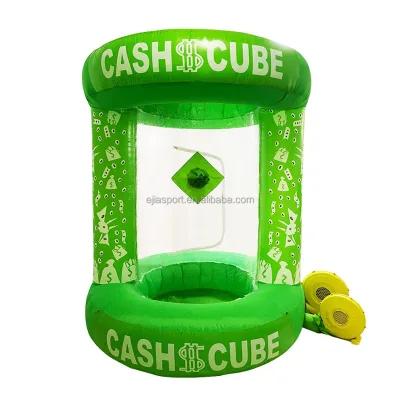
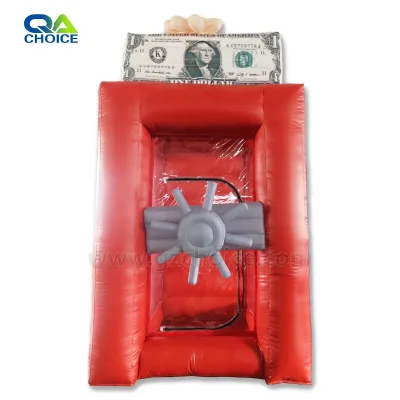
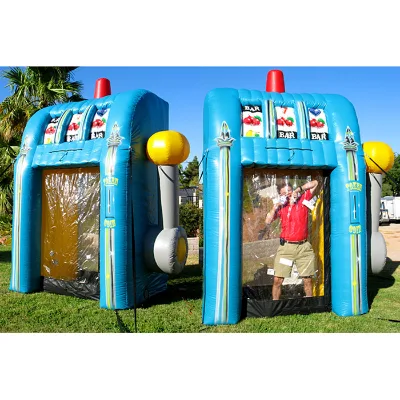
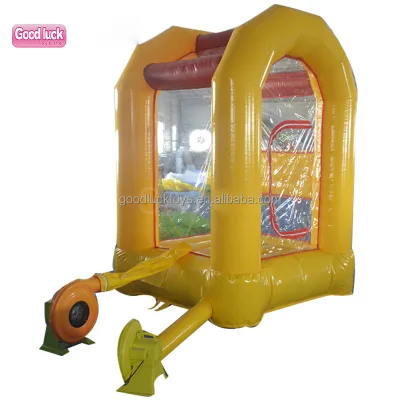
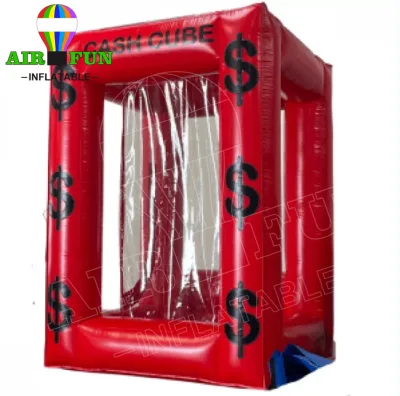
Commercial Fruit Theme Inflatable Cash Machine Cube Inflatable Money Booth
$300.00 - $500.00
MOQ: 1 Minimum


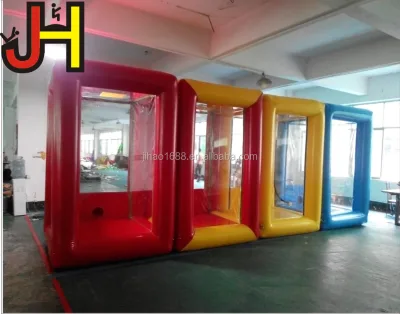
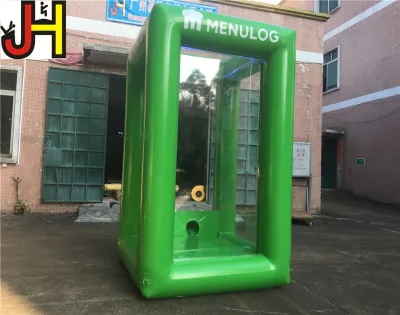


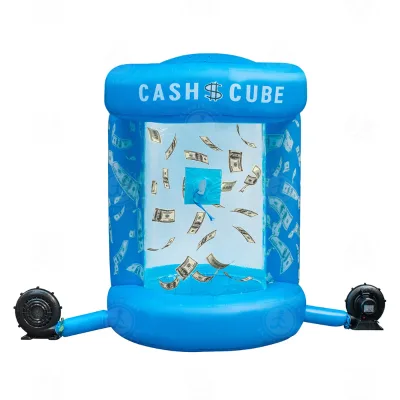
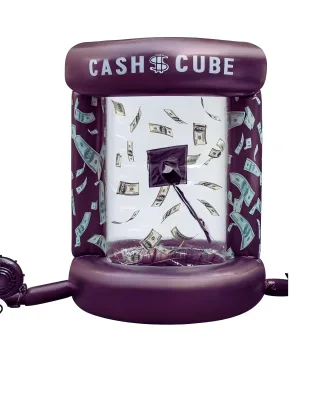
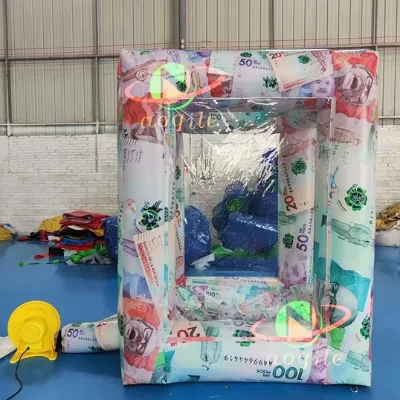
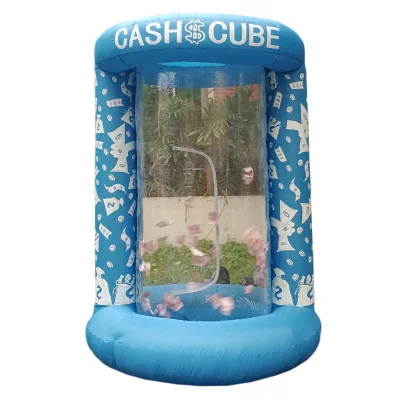

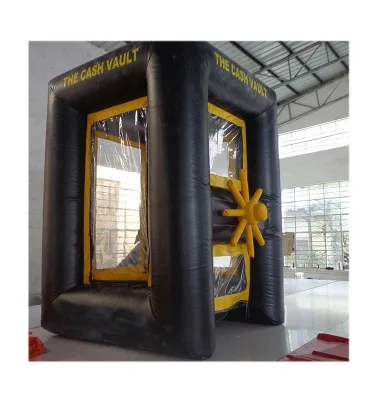
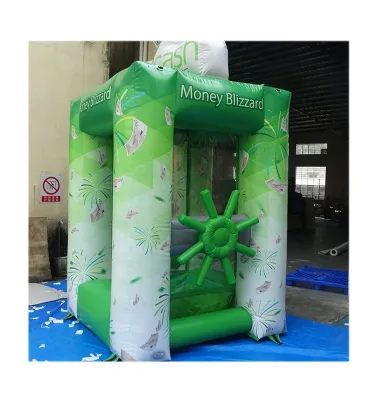
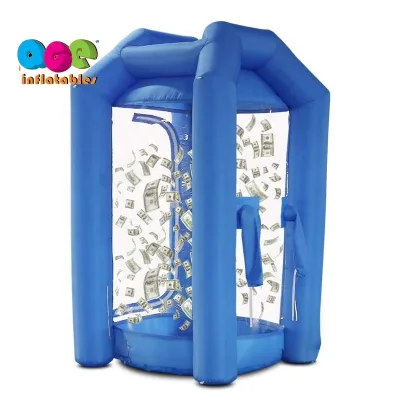
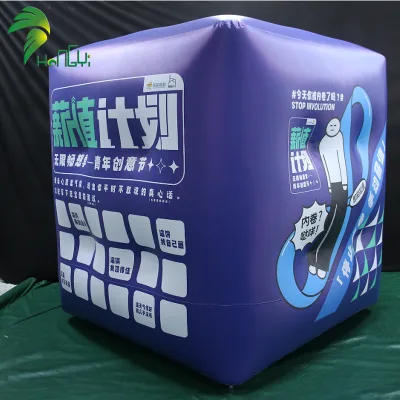
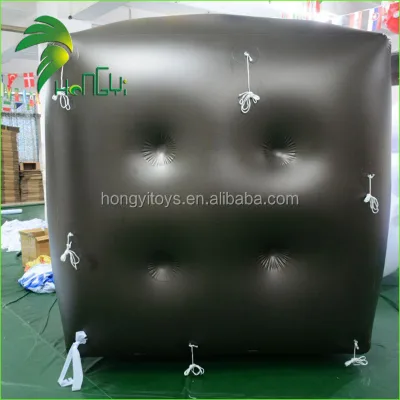
Giant Inflatable Party Cube Custom Inflatable Floating Cube for Advertisement
$180.00 - $520.00
MOQ: 1 Minimum
Comprehensive Sourcing Guide
Fire Retardant Inflatable Cash Cube Sourcing Guide
Sourcing inflatable promotional structures, particularly those designed to resemble currency or cash cubes, requires a careful balance between visual impact and operational safety. These products are primarily utilized in amusement parks, trade shows, and large-scale outdoor events to attract attention and engage audiences. The core keyword "Fire Retardant Inflatable Cash Cube" highlights two critical procurement priorities: the aesthetic design that mimics stacked banknotes and the mandatory safety feature of flame resistance. Buyers must recognize that while the visual appeal drives foot traffic, the fire retardant property is a non-negotiable compliance requirement for most public venues and insurance providers.
The procurement process for these items involves navigating a diverse supplier landscape, often centered in manufacturing hubs like Guangzhou and Jiangxi in China. Suppliers typically offer customization options ranging from size and color to specific branding elements, allowing businesses to tailor the inflatable to their marketing campaigns. However, the term "fire retardant" is not a universal standard across all listings; it is a specific attribute that must be verified through documentation rather than assumed from product titles. This guide provides a structured approach to evaluating suppliers, verifying technical specifications, and ensuring that the final product meets both aesthetic expectations and rigorous safety standards.
Product Scope and Observed Listing Signals
The market for inflatable cash cubes presents a wide range of product variations, with observed price points spanning from approximately $81.92 to $3,500 USD. This significant variance reflects differences in material quality, size, complexity of design, and the inclusion of additional features such as blowers or repair kits. Buyers should note that the minimum order quantity (MOQ) is frequently low, often starting at just one piece or one set, which facilitates sampling and small-batch testing. However, a low MOQ does not guarantee uniform quality or safety compliance; it merely indicates supplier flexibility. Understanding the price-to-feature ratio is essential, as cheaper options may compromise on material thickness or the durability of the fire-retardant treatment.
Listing signals often highlight customization capabilities, with many suppliers offering UV printing, digital printing, or custom logo application on the PVC material. The observed product attributes indicate that materials are typically PVC, sometimes combined with mirror-like finishes for enhanced visual appeal, and that inflation is achieved via manual air pumps or electric blowers. Some listings specify a "Modern" style or "Simple" design, while others emphasize durability and easy setup. Buyers should scrutinize these signals carefully, as terms like "fire retardant" may appear in general descriptions without specific test data. It is crucial to distinguish between marketing language and verifiable technical specifications, ensuring that the product’s intended use, such as in amusement parks or for decoration, aligns with the supplier’s stated capabilities and safety certifications.
Technical Specifications to Verify
When evaluating the technical specifications of an inflatable cash cube, the material composition is a primary concern. The supplied facts indicate that products are commonly made from PVC, with some variations including PVC and mirror materials. Buyers must verify the thickness and grade of the PVC, as this directly impacts the structure’s durability and its ability to withstand wind and frequent inflation cycles. Additionally, the productive technology, often cited as blow molding or standard sewing for inflatables, affects the seam strength and overall integrity. It is essential to confirm whether the material is treated to be fire retardant, as this is a critical safety feature that must be integrated into the fabric itself, not just a surface coating.
Size and configuration are also key technical variables. Listings show sizes ranging from customized dimensions to specific sets, such as 60cm per cube with eight cubes in a set, or larger structures measuring 1.5x1.5x2.5 meters. Buyers should verify the inflated dimensions to ensure they fit the intended venue space and comply with local safety regulations regarding crowd density and emergency exits. The inflation method, whether manual air pump or electric blower, impacts operational logistics; electric blowers require access to power sources with specific voltage requirements, such as AC 220-240V or AC 110-120V, depending on the region. Confirming these electrical specifications and the inclusion of matched plugs is vital to prevent operational failures during events.
Compliance and Safety Documentation
Safety compliance is the most critical aspect of sourcing fire retardant inflatables, particularly for public use in amusement parks or large gatherings. Buyers must request and verify specific certification documents, such as CE certification, which indicates conformity with health, safety, and environmental protection standards for products sold within the European Economic Area. The presence of a CE mark is often a baseline requirement for many international markets, but it must be accompanied by detailed test reports from accredited laboratories. These reports should explicitly confirm that the PVC material meets the required fire retardancy standards, such as passing specific flame spread and self-extinguishing tests.
In addition to CE certification, buyers should inquire about other relevant safety standards, such as ISO certifications, although specific ISO standards like ISO 27001:2022 relate to information security and are not directly applicable to product safety. Instead, focus on standards related to textile flammability and inflatable structure stability. Suppliers should provide a warranty, with observed terms including a 2-year warranty, which can serve as an indicator of manufacturer confidence in product durability. However, a warranty does not replace safety certification. Buyers must ensure that the documentation provided is current, valid, and specific to the exact model and material batch being purchased, as generic certificates may not reflect the actual product quality.
Cost Drivers and Commercial Terms
The cost of an inflatable cash cube is influenced by several factors, including material quality, customization complexity, and order volume. While observed prices range widely, buyers should understand that higher costs often correlate with thicker PVC, more durable printing techniques like UV printing, and comprehensive safety certifications. Customization options, such as custom logos, colors, and sizes, can also impact the final price due to the additional setup and production time required. It is important to request a detailed breakdown of costs to identify any hidden fees, such as those for tooling, mold creation, or special packaging requirements.
Commercial terms, including lead times and shipping methods, also play a significant role in the total cost of ownership. Observed lead times range from 7 to 15 working days after order confirmation, which buyers must factor into their event planning schedules. Shipping options typically include sea, express, and air freight, with costs varying significantly based on the size and weight of the packaged product. The standard export carton or PVC bag packaging must be robust enough to protect the inflatable during transit. Buyers should negotiate clear terms regarding payment schedules, return policies, and liability for damage during shipping to mitigate financial risks associated with international procurement.
Supplier Qualification and Quality Control
Selecting a reliable supplier involves verifying their manufacturing capabilities and quality control processes. Buyers should prioritize suppliers with established production facilities in recognized manufacturing regions, such as Guangzhou or Jiangxi, China, as these areas often have mature supply chains for PVC products. Requesting factory audits or virtual tours can provide insight into the production environment, including the cleanliness of the facility and the adherence to safety protocols during manufacturing. Suppliers should be able to demonstrate consistent quality control measures, such as pre-production sampling and final inspection reports, to ensure that each unit meets the specified standards.
Brand reputation and customer feedback are also valuable indicators of supplier reliability. While specific supplier names should not be recommended, buyers can look for brands with a history of positive reviews and long-term market presence. Inquiring about the supplier’s experience with fire retardant materials and their ability to provide necessary documentation is crucial. Additionally, buyers should assess the supplier’s responsiveness and willingness to collaborate on custom designs, as good communication is essential for resolving issues during the production and delivery phases. Establishing a clear point of contact and agreeing on regular progress updates can help ensure that the project stays on track and meets all requirements.
Long-Term Procurement Checks
Long-term procurement success depends on establishing ongoing quality assurance and relationship management strategies. Buyers should implement periodic re-verification of safety certifications, especially if the supplier changes materials or manufacturing processes. Maintaining a record of all test reports and compliance documents is essential for audits and insurance purposes. Additionally, buyers should monitor the performance of the inflatable structures in the field, noting any issues related to durability, air retention, or material degradation, and share this feedback with the supplier to drive continuous improvement.
Building a strong partnership with the supplier can lead to better pricing, priority production, and access to new product innovations. Regular communication about future needs, such as seasonal promotions or new event requirements, can help suppliers plan their production schedules more efficiently. Buyers should also stay informed about changes in international trade regulations and safety standards that may affect the importation of inflatable products. By maintaining a proactive approach to supplier management and compliance, buyers can ensure a steady supply of high-quality, safe, and visually appealing inflatable cash cubes for their marketing and entertainment initiatives.
FAQs
How is a Fire Retardant Inflatable Cash Cube customized for branding?
Customization is available, including custom size, color, and logo printing. Graphics are applied through UV printing or digital printing on the PVC material, so full-color artwork and sponsor branding can be reproduced. Buyers typically supply vector artwork, and the cube is made to a specified diameter or cube size, with single-piece MOQ available for branded builds.
What material is used in a Fire Retardant Inflatable Cash Cube?
These cash cubes are made from PVC, often combined with mirror surfaces for the money-grabbing booth effect. PVC tarpaulin is durable, easy to clean, and suited to repeated amusement park or event use. Each unit usually ships with a repair kit, including carry bag and material, so minor punctures can be fixed on site.
How is the inflatable cash cube inflated and set up?
Inflation is done with a manual air pump for sealed units or a matched blower for continuous-airframe designs, with plugs matched to your local power supply. Voltage options include AC 110-120V and AC 220-240V, so verify your region before ordering. Setup is described as easy, and one or two staff can usually prepare the cube before an event.
What is the typical minimum order quantity and lead time?
Minimum order quantity is low, commonly 1 piece or 1 set, which suits event companies testing new inventory. Lead time is generally 7 to 15 working days after the order is received, depending on customization level and factory workload. Confirm both values with the supplier before payment, since complex printed artwork can extend production.
Which sizes are available for a Fire Retardant Inflatable Cash Cube?
Sizes are customized, with common configurations including 60cm per cube in sets of eight cubes or dimensions such as 1.5 x 1.5 x 2.5 meters. The inflated width for some units falls in the 4 to 6 feet range. Choose a size based on booth footprint, expected user age group, and whether the cube must fit through standard doors.
Can the cash cube be used by both children and adults at events?
Yes, suitability covers children and adults, though some listings indicate users above 12 years, and it is positioned for amusement park and entertainment use. Supervision is recommended during money-grab games regardless of age. Check the allowable passenger or user specification and any certification requirements before booking the unit for public events.
How is a Fire Retardant Inflatable Cash Cube packed and shipped?
Packing is typically a standard export carton or a PVC bag, with a repair kit included. Shipping options cover sea, express, and air freight, so urgent event dates can be met with air delivery at higher cost. Sea freight is more economical for large or repeated orders, and sellers sell as single items.
What warranty and after-sales support should buyers expect?
Warranty of around 2 years is offered on some inflatable products, covering manufacturing defects under normal use. Each unit comes with a repair kit so small tears can be patched locally without returning goods. Confirm in writing what the warranty covers, how replacement parts are handled, and whether repair material matching the PVC color is supplied.