Source Flame Retardant Aluminum Hydroxide for Cables, Plastics, and Rubber
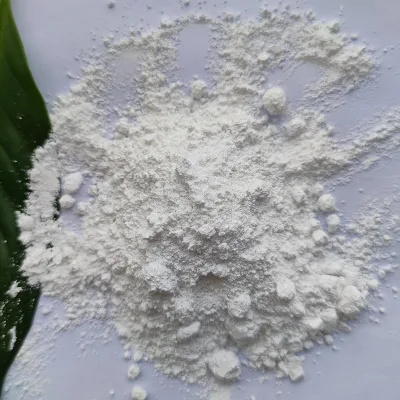
Find and compare 30 listings for Flame Retardant Aluminum Hydroxide, a white powder used as a fire retardant and smoke suppressant in industrial applications. Evaluate specifications like 99.6% purity, GB/T4294-2010 standards, and packaging options from Chinese manufacturers to identify suitable suppliers for your chemical needs.
Key considerations
Products List




Comprehensive Sourcing Guide
Flame Retardant Aluminum Hydroxide Sourcing Guide
Flame Retardant Aluminum Hydroxide (ATH) serves as a critical functional additive in the manufacturing of polymers, coatings, and construction materials where fire safety is paramount. Sourcing this material requires a disciplined approach to verifying chemical purity, particle morphology, and thermal decomposition characteristics, as these factors directly influence the efficacy of the final product’s fire resistance. Buyers must navigate a market characterized by varying grade standards, from industrial to superior grades, ensuring that the selected material aligns with specific regulatory requirements and performance expectations. The following guide outlines the essential verification steps, technical parameters, and commercial considerations necessary for effective procurement.
Product Scope and Observed Listing Signals
The market for Flame Retardant Aluminum Hydroxide presents a diverse array of product models and packaging configurations, reflecting the varied needs of downstream manufacturers. Observed listings indicate a wide price range, typically spanning from low-cost industrial variants to premium specialized grades, with minimum order quantities (MOQs) generally ranging from single units to small bulk orders. This variability suggests that buyers can access both trial quantities for testing and larger volumes for production, but it also necessitates careful scrutiny of the specific product model codes, such as AH-10H, A-10, or AT-FR-1, to ensure they match the required technical specifications. The presence of multiple packaging options, including 25kg bags with or without pallets, and jumbo bags, indicates flexibility in logistics but requires precise calculation of loading efficiency and handling costs.
Key product attributes observed in current listings highlight the material’s primary function as a fire retardant and smoke suppressant, often described as a difficult soluble alkali with a white powder appearance. The chemical identity is consistently marked by the CAS number 21645-51-2 and the formula Al(OH)3, confirming the core composition. However, buyers must distinguish between general industrial alkali uses and specialized chemical industry products, as the latter may require stricter purity controls. The classification as an alkaline oxide and its weak alkali ionization capacity are relevant for processing compatibility, particularly in applications where pH stability or chemical reactivity with other additives is a concern. Understanding these baseline signals helps in filtering suppliers who offer generic commodities versus those providing specialized flame retardant solutions.
Technical Specifications to Verify
Purity and chemical composition are the most critical technical parameters for Flame Retardant Aluminum Hydroxide, directly impacting its thermal stability and flame-retardant efficiency. Buyers should verify that the Al2O3 content meets the required threshold, with observed specifications indicating values such as 99.3% or higher, while ensuring that impurities like SiO2, Fe2O3, and Na2O are kept within strict maximum limits, often cited as 0.1% and 0.04% respectively. The overall purity is frequently stated as 99.6% or 98%, and it is essential to confirm whether these figures refer to the total aluminum hydroxide content or the alumina equivalent, as this distinction affects dosage calculations and performance predictions. Discrepancies in these numerical values can lead to inconsistent fire performance in the final polymer matrix, making precise verification of the chemical analysis certificate (COA) a mandatory step.
Particle size and physical form also play a significant role in the dispersion and mechanical properties of the final product. The material is typically supplied as a powder, with specific models like H-WF-1 or AT-FR-1 potentially indicating different particle size distributions or surface treatments. Buyers must confirm the source type, whether it is derived from natural bauxite or synthetic processes, as this influences the crystal structure and thermal decomposition temperature. Additionally, the packing density and bulk density, inferred from loading capacities such as 23.5mt or 25mt per 20-foot container, are vital for logistics planning. Ensuring that the particle morphology is consistent with the supplier’s technical data sheet prevents issues such as poor dispersion, increased viscosity, or reduced impact strength in the compounded material.
Compliance and Safety Documentation
Regulatory compliance is a non-negotiable aspect of sourcing Flame Retardant Aluminum Hydroxide, particularly for applications in electronics, automotive, and construction sectors. Buyers must request documentation that confirms adherence to relevant international and regional standards, such as GB/T4294-2010 for domestic Chinese production or ISO 9001 for quality management systems. While specific certifications like REACH or RoHS are not explicitly detailed in the provided facts, it is standard practice to verify that the material does not contain restricted substances and that the supplier can provide a full declaration of conformity. The absence of explicit certification claims in some listings underscores the need for proactive verification, as non-compliant materials can lead to shipment rejections or legal liabilities in regulated markets.
Safety data sheets (SDS) and handling guidelines are essential for ensuring safe storage and processing of the material. Aluminum hydroxide is generally considered safe, but buyers should confirm the recommended storage conditions to prevent moisture absorption, which can degrade its flame-retardant properties. The material’s classification as a difficult soluble alkali suggests that while it is not highly corrosive, proper handling procedures should still be observed to avoid dust inhalation or eye irritation. Suppliers should provide clear instructions on the material’s thermal decomposition behavior, noting that it releases water vapor at high temperatures, which is the mechanism behind its flame-retardant effect. Understanding these safety profiles helps in designing appropriate workplace safety protocols and emergency response plans.
Cost Drivers and Commercial Terms
The cost of Flame Retardant Aluminum Hydroxide is influenced by several factors, including raw material quality, particle size distribution, and packaging requirements. Higher purity grades, such as those with 99.6% Al2O3 content or lower impurity levels, typically command a premium price compared to standard industrial grades. Buyers should also consider the cost implications of different packaging options, such as PP woven bags, kraft bags, or jumbo bags, as these affect handling efficiency and potential product loss during transit. The observed MOQ range of 1 to 22 units suggests that smaller orders may incur higher per-unit costs due to handling and logistics overheads, while bulk purchases can leverage economies of scale. Understanding these cost drivers allows buyers to negotiate more effectively and align their procurement strategy with their budget and volume requirements.
Commercial terms, including payment methods, delivery schedules, and warranty policies, are critical for managing supply chain risk. Buyers should clarify the lead times for production and delivery, especially for customized grades or large orders, to ensure that production schedules are not disrupted. The availability of customization services, as indicated in the product facts, offers flexibility but may involve additional costs or longer lead times. It is advisable to establish clear quality acceptance criteria and return policies in the purchase agreement, particularly for high-value or specialized grades. Transparent communication regarding these commercial terms helps in building a reliable supplier relationship and mitigating potential disputes over product quality or delivery performance.
Supplier Qualification and Quality Control
Evaluating supplier qualifications is essential to ensure the reliability and consistency of the Flame Retardant Aluminum Hydroxide supply. Buyers should verify the supplier’s production capabilities, including their manufacturing processes and quality control systems, to confirm that they can consistently meet the specified purity and particle size requirements. The presence of ISO 9001 certification is a positive indicator, but buyers should also inquire about internal quality control measures, such as routine testing of raw materials and finished products. Requesting samples for independent testing is a crucial step to validate the supplier’s claims regarding chemical composition and physical properties. This due diligence helps in identifying suppliers who prioritize quality and can provide the technical support needed for successful product integration.
Quality control protocols should extend beyond the initial sample approval to include ongoing monitoring of production batches. Buyers should establish a clear process for receiving and inspecting incoming goods, including checks for packaging integrity, moisture content, and batch-to-batch consistency. The supplier should provide a certificate of analysis (COA) for each batch, detailing the key parameters such as Al2O3 content, impurity levels, and particle size distribution. Any deviations from the agreed specifications should be addressed promptly, with clear procedures for handling non-conforming materials. Implementing a robust quality control system helps in maintaining the performance of the final product and minimizing the risk of production disruptions due to material inconsistencies.
Long-Term Procurement Checks
Sustaining a reliable supply of Flame Retardant Aluminum Hydroxide requires ongoing monitoring of supplier performance and market dynamics. Buyers should regularly review supplier quality metrics, including defect rates, delivery performance, and responsiveness to issues, to ensure that the partnership remains productive. Periodic re-evaluation of the material’s technical specifications is also necessary, as advancements in flame retardant technology or changes in regulatory requirements may necessitate updates to the sourcing criteria. Staying informed about market trends, such as fluctuations in raw material prices or the emergence of new alternative flame retardants, helps in making informed procurement decisions and maintaining a competitive edge.
Building a resilient supply chain involves diversifying suppliers and maintaining safety stock to mitigate the risk of supply disruptions. Buyers should cultivate relationships with multiple qualified suppliers to ensure continuity of supply in case of unforeseen events. Regular communication with suppliers regarding future demand forecasts and technical requirements helps in aligning production plans and ensuring that the supplier can meet evolving needs. Additionally, staying engaged with industry associations and technical forums can provide valuable insights into best practices and emerging innovations in flame retardant materials. By proactively managing these long-term procurement checks, buyers can secure a stable and cost-effective supply of high-quality Flame Retardant Aluminum Hydroxide.
FAQs
What is the purity level of this Flame Retardant Aluminum Hydroxide?
The product offers a purity level of 99.6% or higher, ensuring high quality for industrial applications. This specification meets the GB/T4294-2010 standard and is suitable for use as a flame retardant and smoke suppressant in various chemical industries.
Which packaging options are available for this aluminum hydroxide product?
Packaging is available in 25kg bags, with or without pallets, and includes 1-ton jumbo bags for bulk shipping. Specific configurations like 23.5mt or 25mt per 20-foot container are offered depending on the specific product model selected by the buyer.
Can I request customization for this industrial grade aluminum hydroxide?
Yes, customization is available for this product to meet specific industrial requirements. Buyers can select from various models like AH-10H or A-10, which feature different specifications while maintaining the core properties of being a white powder with superior grade quality.
What is the minimum order quantity for these flame retardant materials?
The minimum order quantity ranges from 1 to 22 units depending on the specific supplier and product model. This flexibility allows buyers to source small batches or larger quantities while adhering to the standard 25kg bag packaging format provided by manufacturers in China.
How is the chemical composition defined for this aluminum hydroxide?
The chemical composition is defined by a formula of Al(OH)3 with an Al2O3 content of 99.3% minimum. Impurities such as SiO2 and Fe2O3 are strictly controlled at 0.1% and 0.04% maximum respectively, ensuring high purity for effective fire retardant performance.
Which standards does this flame retardant product comply with?
This product complies with the GB/T4294-2010 standard and holds ISO 9001 certification for quality management. The material is classified as an industrial grade alkali with a weak alkali ionization capacity, ensuring it meets rigorous safety and performance requirements for global markets.