Source American Football Rugby Tackle Bag for Training Drills
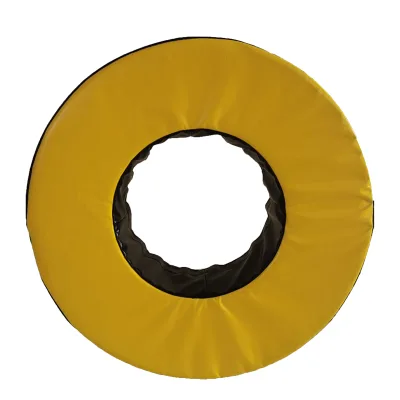
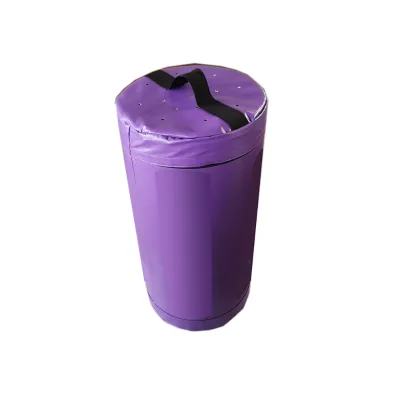
Find 30 American Football Rugby Tackle Bag options from suppliers in China. Compare sizes, materials like PVC and foam, and customization features for football training equipment needs.
Key considerations
Products List
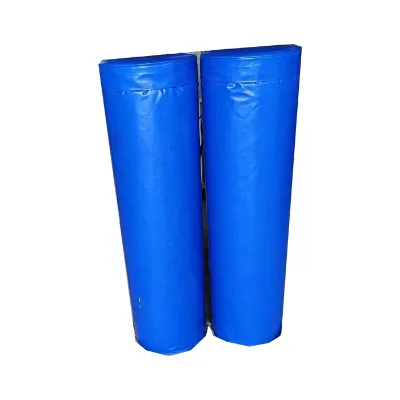
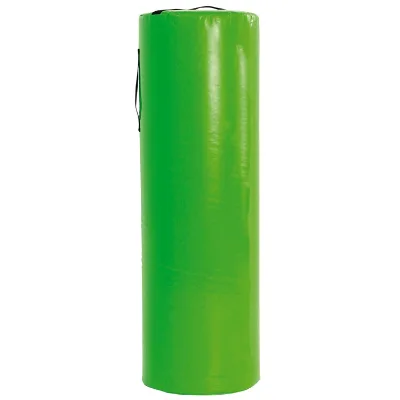
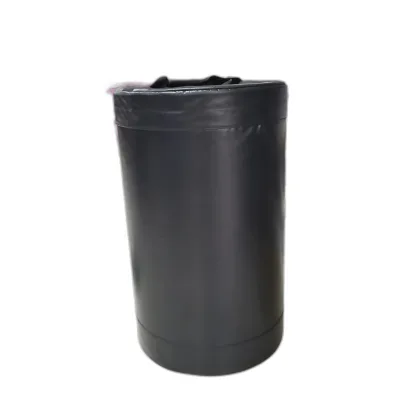
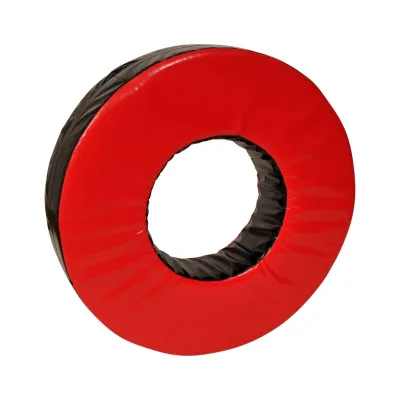
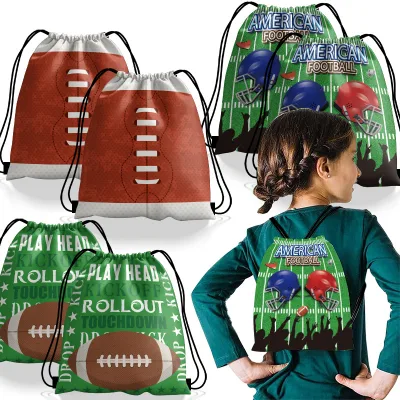
Portable Sports Goodie American Football Backpack Rugby Ball Drawstring Bag
$0.25 - $0.99
MOQ: 300 pieces

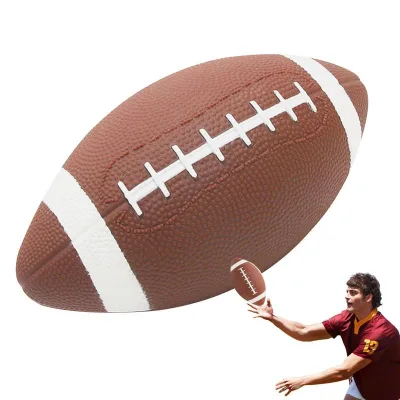


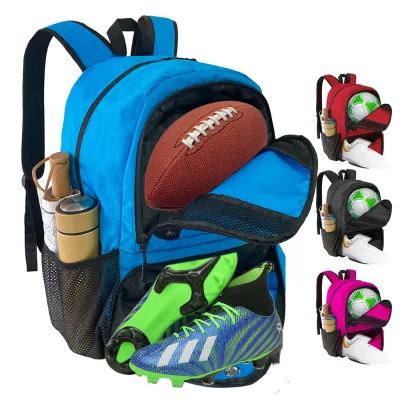
High Quality Sports Football Bag Backpack with Shoe Compartment for Activities
$13.20 - $14.20
MOQ: 300 Pieces


Customized Outdoor Sports Football Equipment Fashion Waterproof Basketball Bag
$6.25 - $8.95
MOQ: 500 Pieces




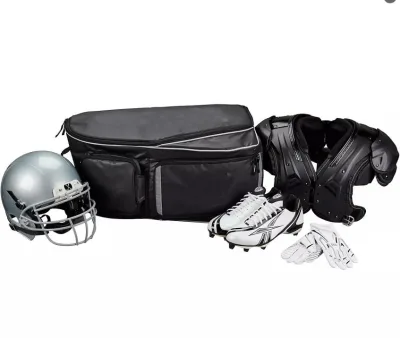
Customizable Large Capacity Nylon Tackle Backpack Waterproof Tackle Bag
$18.90 - $24.90
MOQ: 500 Pieces


Oversized Sports Ball Bag Mesh Soccer Bag Ball Sports Backpack Customized
$14.99 - $19.99
MOQ: 500 Pieces


Single Ball Net Bag with Ball, Net Bag, Basketball Storage Bag, Football Net Bag
$0.30 - $0.90
MOQ: 10000 Pieces
Comprehensive Sourcing Guide
Strategic Sourcing Guide for American Football and Rugby Tackle Bags
Procuring specialized training equipment for American football and rugby requires a nuanced understanding of product specifications, material durability, and supplier capabilities. The market for tackle bags is diverse, ranging from simple dummy bags to complex full-size tackling systems. Buyers must navigate a landscape where product attributes vary significantly between listings, often within the same category. This guide provides a structured approach to evaluating potential suppliers and selecting the right equipment based on verified technical data and industry best practices. The following sections detail the critical factors that define a successful procurement strategy for these high-impact training tools.
Technical Specifications and Material Composition
The foundation of any effective tackle bag lies in its physical construction. When reviewing product listings, buyers should prioritize the specific dimensions and material composition, as these directly influence the bag's utility and longevity. Observed market data indicates a wide variance in sizing, with specific models available in dimensions such as 15040cm, 14070*30cm, and customizable options ranging from 90cm to 180cm. The absence of a single universal standard means that procurement teams must align their order specifications with the exact dimensions required for their training drills.
Material selection is equally critical. High-quality tackle bags typically utilize a dual-layer construction. The outer shell is frequently described as Tarpaulin PVC or Durable PVC Tarpaulin Leather, chosen for its resistance to abrasion and impact. The inner core is often composed of foam, with observed densities ranging from 21kg/m³ to 21kg/cm³, or utilizing C3 Foam. It is essential to verify whether the foam density is a fixed specification or a customizable option, as this affects the bag's firmness and shock absorption. Some listings specify "Soft Foam" for specific applications, while others offer customization. Buyers should request detailed material data sheets to confirm that the inner material provides sufficient cushioning without compromising the structural integrity needed for tackling drills.
Compliance, Certification, and Safety Standards
In the realm of sports equipment, safety and compliance are paramount, though specific certification data in the current market context remains limited. While some background information suggests the existence of certifications like BSCI, this should be treated as a general background note rather than a guaranteed attribute for every listed product. Buyers must actively verify the safety compliance of any potential supplier. This involves requesting proof of adherence to relevant international safety standards for sports equipment, which may include testing for flammability, chemical content, and structural stability.
When evaluating a supplier, procurement teams should not assume that a product listing implies full certification. Instead, the verification process should include asking for specific test reports related to the foam density and the durability of the PVC cover. Since the industry does not universally mandate a single certification for all tackle bags, the buyer's due diligence must focus on the supplier's ability to provide documentation that the product meets the safety requirements of the destination market. Relying on unverified claims regarding certifications can lead to compliance issues upon import or use.
Cost Drivers and Pricing Variables
Understanding the cost structure of tackle bags is essential for budgeting and negotiation. The observed price range in the market spans from $0.17 to $93.64 USD, a variance that reflects differences in size, material quality, and customization levels. Several key factors drive these costs. First, the size of the bag is a primary determinant; larger models, such as those reaching 180cm, naturally command higher prices than smaller, compact versions. Second, the complexity of the material composition plays a role. Bags featuring high-density foam or specialized inner materials like C3 Foam may be priced differently than those with standard soft foam.
Customization is another significant cost driver. Many suppliers offer "custom logo" services, which can increase the unit price due to the setup costs for printing or embossing. The Minimum Order Quantity (MOQ) also heavily influences the per-unit cost. Listings show MOQs ranging from as low as 1 piece to as high as 10,000 pieces. Buyers purchasing in small quantities may face higher per-unit costs, while those committing to larger volumes can often negotiate better rates. Additionally, packaging requirements, such as the use of cartons versus kraft paper bags or PP bags, can affect shipping costs and overall pricing. Buyers should analyze the total landed cost, including shipping and packaging, rather than focusing solely on the base unit price.
Typical Applications and Usage Scenarios
Tackle bags serve various functions across different sports disciplines, primarily American football and rugby. The product names and applications listed often highlight their use in "football training equipment" and "tackling drills." The versatility of these bags allows them to be used for full-size tackling, half-size drills, and bodybuilding fitness exercises. The specific application dictates the required specifications. For instance, a bag designed for "tackling drills using rugby ring full size" requires a different structural rigidity compared to a bag intended for "bodybuilding fitness" or general conditioning.
The color options available, including red, black, yellow, green, blue, and white, are not merely aesthetic; they often serve functional purposes in training environments. High-visibility colors like yellow and orange can be crucial for distinguishing equipment in busy training facilities or for specific drill setups. The "All Seasons" attribute suggests that these bags are designed for use in various weather conditions, which is a vital consideration for outdoor training programs. Buyers should match the product's stated application with their specific training needs, ensuring that the bag's design supports the intended drills, whether they involve high-impact tackling or lower-intensity conditioning.
Supplier Evaluation and Operational Capabilities
Evaluating a supplier requires a deep dive into their operational capabilities and product consistency. The market data reveals a mix of brand names, including "KR FITNESS," "KR," and "caron," indicating a fragmented supplier landscape. Buyers should not rely on brand recognition alone but must assess the supplier's ability to meet specific customization requests. The availability of "customized logo" and "customized size" options suggests that many suppliers are flexible, but this flexibility must be verified through direct communication.
Key operational metrics to evaluate include the supplier's sample availability, as many listings indicate that samples are available. This allows buyers to physically inspect the product quality before committing to a large order. The packing methods, ranging from kraft paper bags to cartons and PP bags, also indicate the supplier's attention to logistics and product protection during transit. Furthermore, the "Place of Origin" being listed as Hebei, China, for multiple items provides a geographical context, but buyers should verify the specific factory location and capacity. It is crucial to ensure that the supplier can consistently deliver the specified dimensions and material densities, as inconsistencies in production can lead to equipment failure during critical training sessions.
Quality Control and Long-Term Procurement Considerations
Implementing a robust quality control (QC) process is essential for maintaining the integrity of the procurement. Given the wide range of observed specifications, such as varying foam densities and cover materials, buyers must establish clear acceptance criteria. QC should focus on verifying the physical dimensions, the integrity of the seams, and the durability of the PVC cover. Since the foam density is a critical performance metric, buyers should request samples to test the compression resistance and recovery time of the foam.
Long-term procurement considerations extend beyond the initial purchase. Buyers should assess the supplier's ability to provide consistent quality over multiple orders. The availability of "customized" options suggests a potential for long-term partnerships where the equipment can be tailored to evolving training needs. However, buyers must be cautious of suppliers who offer extreme customization without clear quality controls, as this can lead to inconsistent product performance. Additionally, the "Single item" selling unit and varying MOQs suggest that buyers should plan their inventory carefully to balance cost efficiency with storage constraints. Establishing a relationship with a supplier who can provide reliable lead times and consistent quality is more valuable than finding the lowest initial price, as it ensures a steady supply of safe and effective training equipment.
Comparative Analysis of Product Attributes
To facilitate decision-making, buyers should compare the key attributes of different product listings side-by-side. The following table summarizes the observed variations in specifications, helping to identify the most suitable options for specific procurement needs.
| Attribute | Option A (Standard) | Option B (Customized) | Option C (High Volume) |
|---|---|---|---|
| Model Number | KR019, KR032, KR016 | Customized | KR047 |
| Size | 15040cm, 14070*30cm | 90/120/150/180CM | Customized Size |
| Material | Tarpaulin PVC + Pu Foam | PVC Leather | PVC Leather |
| Inner Material | 21kg/m³ Foam, C3 Foam | Soft Foam (21kg/cm³) | Not Specified |
| MOQ | 100pcs, 5pcs | 1pcs | 1 piece |
| Color | Red, Black, Yellow, Green | Blue, Black, Red, Yellow | Blue, Black, Red, Yellow |
| Logo | Custom | Accept Customized Logo | Customized Logo Available |
| Packing | Carton | Kraft Paper Bag | PP Bag then Carton |
| Application | Football, Rugby | Football Training | Tackling Drills |
This comparison highlights that while many products share similar core materials like PVC and foam, the specific implementation varies. Buyers must use this data to filter options based on their specific requirements for size, volume, and customization. By systematically evaluating these attributes, procurement teams can make informed decisions that align with their training objectives and budgetary constraints.
Final Procurement Recommendations
In conclusion, sourcing American football and rugby tackle bags requires a meticulous approach that balances technical specifications, cost considerations, and supplier reliability. Buyers should prioritize products with verified material compositions and clear dimensional standards. The wide range of available options necessitates careful evaluation of each listing to ensure it meets the specific needs of the training program. By focusing on quality control, verifying supplier capabilities, and understanding the cost drivers, buyers can secure equipment that enhances athlete performance and safety. The market offers significant flexibility, but this flexibility must be managed through rigorous due diligence to avoid pitfalls associated with inconsistent quality or unclear specifications. Ultimately, a strategic procurement process will yield the best results for any organization investing in rugby and football training infrastructure.
FAQs
What are the standard dimensions for rugby tackle bags?
Standard dimensions include 150*40cm, 140*70*30cm, and customizable sizes ranging from 90cm to 180cm. Buyers should verify specific model numbers like KR019 or KR032 to ensure the bag fits their training drill requirements.
Which materials are used to construct these tackle bags?
These bags typically feature an outer shell of Tarpaulin PVC or Durable PVC Tarpaulin Leather. The inner core is often filled with 21kg/m3 foam, C3 Foam, or Soft Foam to provide necessary shock absorption and durability.
Can I order custom logos on these rugby training bags?
Yes, most suppliers accept customized logos as a standard service. This option is available across various models and colors, allowing teams to brand their equipment for professional training sessions or specific drills.
What is the minimum order quantity for these products?
Minimum order quantities vary significantly, ranging from 1 piece to 10,000 pieces depending on the supplier. Some listings offer samples or single items, while others require bulk orders of 100 pieces or more.
How does the foam density affect the bag performance?
Foam density, such as 21kg/m3 or 21kg/cm3, determines the firmness and shock absorption of the bag. Buyers should confirm if the density is fixed or customizable to match the intensity of their tackling drills.
Are these bags suitable for all weather conditions?
Yes, many models are designed for all seasons and outdoor use. The durable PVC cover material ensures resistance to abrasion and weather, making them suitable for year-round training programs in various environments.