Source Flame Retardant Aramid Fiber Paper for Motors, Transformers, and Inductors
Find 30 verified listings for Flame Retardant Aramid Fiber Paper suitable for motors, transformers, and inductors. Buyers can compare customization options, lead times, and technical specifications from suppliers in China to find the right material for industrial applications.
Key considerations
Products List


Fireproof & Flame Retardant Aramid Paper for Industrial High-Temperature Applications
$2.80 - $3.00
MOQ: 100 Square Meters

High Strength Aramid Paper for Electrical Insulation & Honeycomb Core
$2.80 - $3.00
MOQ: 100 Square Meters


High Temperature Resistance Aramid Fiber Woven Tape Aramid Kevlar Tape Flame and Fire Retardant
$7.99 - $9.99
MOQ: 50 Square Meters


Premium Fire Resistant Ceramic Fiber Paper for High-Temperature Applications
$8.00 - $10.00
MOQ: 100 Rolls
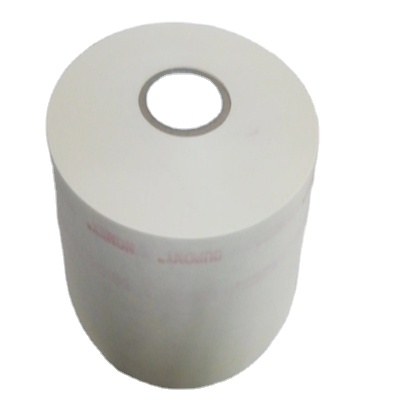
Comprehensive Sourcing Guide
Strategic Sourcing Guide for Flame Retardant Aramid Fiber Paper
Procuring Flame Retardant Aramid Fiber Paper requires a disciplined approach that balances technical performance with supply chain reliability. This material, often identified by specific model numbers such as 633, KD-F-20, or Kaidun-F004, serves critical roles in industries ranging from electrical insulation to protective apparel. Buyers must navigate a landscape where customization is standard, yet consistency in raw material quality is paramount. The following guide outlines the essential factors for evaluating suppliers and specifications, ensuring that procurement decisions are grounded in verifiable facts rather than marketing assertions.
Technical Specifications and Material Composition
The foundation of any successful procurement strategy lies in a precise understanding of the material's physical and chemical properties. Aramid fiber paper is distinct from standard paper due to its composition of 100% aramid material, which imparts unique thermal and mechanical characteristics. The core attribute of this product is its high mechanical strength, which ensures durability under stress. Furthermore, the material is characterized by being non-melting and resistant to deformation, a critical feature for applications exposed to extreme heat.
When evaluating technical data, buyers should look for specific fiber types, such as those described as having an aramid luster that is bright. The structure of the paper is often woven, contributing to its integrity. Key performance indicators include tear resistance, flame retardancy, and resistance to chemical corrosion, including acid and alkali environments. The material also exhibits high temperature resistance, with some specifications noting a temperature resistance grade of Class C.
Dimensions and physical form factors vary significantly based on the intended application. Available specifications include lengths ranging from standard 5-meter rolls to fully customized dimensions. Widths can extend up to 53.9 inches, and thicknesses are commonly observed around 0.16mm, though this is subject to customization. The product is available in plain patterns and can be supplied in various forms, including roll packaging or carton packaging. It is essential to verify that the specific model number aligns with the required thickness and width for the project, as these parameters directly impact the insulation or protection capabilities of the final assembly.
Compliance, Certification, and Safety Standards
In the realm of industrial safety, compliance is not merely a formality but a prerequisite for market access and operational safety. Buyers must rigorously verify the certification status of potential suppliers. While some product listings mention certifications such as GS, it is vital to treat these as observations of specific batches rather than universal guarantees for all inventory. The flame retardant performance of aramid fiber paper is often rooted in the use of natural flame retardant fibers, which provide self-extinguishing properties and thermal stability.
When assessing compliance, procurement teams should look for adherence to specific standards relevant to their industry. For instance, the EN ISO Flame Retardant Technology is a recognized benchmark for natural flame retardant fibers. However, buyers should not assume that a product listing implies compliance with every standard. Specific standards like UL 94 or EN 11612 are often referenced in the broader context of flame retardant textiles and materials, but their application to paper products must be confirmed through direct supplier communication and valid test reports.
The distinction between "natural flame retardant fibers" and chemically treated fabrics is significant. Aramid fiber paper typically relies on the inherent properties of the aramid polymer for its fire resistance. This means the material does not melt or drip when exposed to fire, a feature described as "non-melting & no deformation." Buyers should request specific test data that validates these claims for the exact model number being purchased, ensuring that the flame retardant performance meets the safety requirements of the end application, whether it be in electrical transformers or firefighter gear.
Cost Drivers and Pricing Dynamics
Understanding the cost structure of Flame Retardant Aramid Fiber Paper is essential for budgeting and negotiation. The observed price range for these products spans from $0.93 to $100 USD, a wide variance that reflects differences in material grade, thickness, customization level, and order volume. The primary cost drivers include the raw material cost of 100% aramid fiber, which is inherently more expensive than synthetic alternatives, and the complexity of the manufacturing process.
Customization is a major factor influencing price. The supply type is predominantly "Make-to-Order," meaning that standard off-the-shelf items may be less expensive than bespoke solutions. Customizable standards allow buyers to tailor the product to specific needs, but this flexibility often comes with a premium. Additionally, the Minimum Order Quantity (MOQ) plays a crucial role in unit pricing. The observed MOQ range is between 1 and 2000 units, with some specific listings citing an MOQ of 100GSM. Smaller orders typically incur higher per-unit costs, while larger volumes may benefit from economies of scale.
Lead times also impact the overall cost of procurement. Delivery times generally range from 7 to 25 days, depending on the complexity of the order and the supplier's current workload. Suppliers located in China, such as those in Suzhou or Foshan, offer competitive pricing due to established manufacturing ecosystems, but buyers must factor in logistics and potential tariffs. When negotiating, it is advisable to clarify whether the quoted price includes packaging, such as carton or roll packaging, and to confirm if all types of packaging are available at no extra cost.
Typical Applications and Industry Use Cases
Flame Retardant Aramid Fiber Paper is versatile, finding application across a diverse array of industries. The primary application fields include workwear, sportswear, leisure activities, machine building, and electronic appliances. In the electronic sector, the material is frequently used in transformers, motors, and inductors, where its high mechanical strength and thermal stability are critical for preventing electrical failures. The material's ability to resist chemical corrosion and acid-alkali environments makes it suitable for harsh industrial settings.
Beyond electrical components, the product is extensively used in the manufacturing of protective apparel. Its features, such as being windproof, ripstop, and mothproof, make it ideal for firefighter garments and workwear. The material's anti-pull and anti-hydraulic pressure properties add layers of safety for workers in demanding environments. In the home textiles and architectural decoration sectors, the flame retardant and eco-friendly attributes of the paper allow for its use in safety curtains, insulation, and decorative elements that must meet strict fire safety codes.
The specific usage cases often dictate the required model number. For instance, the model 633 Aramid Paper is highlighted for its high mechanical strength, making it suitable for heavy-duty applications. Models like KD-F-20 and KD-F-30 may be tailored for specific garment or industrial uses. Buyers should match the application field, such as cosmetic containers or electronic appliances, with the specific property profile of the paper, ensuring that features like breathability or black-out capabilities are present where needed.
Supplier Evaluation and Verification
Selecting the right supplier is as important as selecting the right product. Given the "Make-to-Order" nature of these products, the supplier's ability to manage customization and maintain quality control is paramount. Buyers should prioritize suppliers who offer ODM and OEM services, as this indicates a capacity to adapt to specific design requirements. The origin of the product, often listed as China, specifically Suzhou or Foshan, suggests a concentration of manufacturing expertise in these regions.
When evaluating a supplier, buyers must verify the consistency of their product attributes. While some listings claim features like "anti-bacterial" or "machine washable," these should be treated as observations of specific product lines rather than universal traits. It is crucial to request samples that match the exact model number and specifications before committing to a large order. The supplier's ability to provide a wide range of packaging options, from rolls to cartons, and their flexibility in meeting standard requirements are also key indicators of reliability.
Transparency regarding the supply chain is essential. Buyers should inquire about the raw material source, ensuring it is indeed 100% aramid fiber. The supplier's history with certifications, such as GS, should be verified through current documentation. Additionally, the supplier's lead time consistency is a critical metric; while 7-25 days is the observed range, the ability to meet deadlines consistently is a sign of a robust operation.
Quality Control and Long-Term Procurement
Maintaining quality over the long term requires a proactive approach to quality control. Buyers should establish clear acceptance criteria based on the observed properties of the material, such as tear resistance, flame retardancy, and chemical corrosion resistance. Regular testing of incoming materials against these criteria ensures that the product continues to meet specifications. The "Customizable" standard of the product means that quality control processes must be adaptable to the specific requirements of each order.
Long-term procurement considerations involve building a relationship with a supplier who can scale with the buyer's needs. As the buyer's demand grows, the supplier should be able to maintain the same level of quality and customization. The availability of different model numbers, such as 633, KD-F-20, and Kaidun-F004, suggests that a reliable supplier will have a diverse inventory to meet varying project needs.
Buyers should also consider the environmental impact of their procurement. The eco-friendly nature of aramid fiber paper is a significant advantage, and suppliers who can demonstrate sustainable manufacturing practices will be more attractive partners. Finally, maintaining open communication regarding lead times and delivery schedules will help mitigate risks associated with supply chain disruptions. By focusing on these strategic elements, buyers can ensure a steady supply of high-quality Flame Retardant Aramid Fiber Paper for their critical applications.
Comparative Analysis of Key Product Attributes
To facilitate decision-making, the following table summarizes the key attributes observed across different product listings. This comparison highlights the variability in specifications and helps buyers identify the most suitable options for their specific needs.
| Attribute | Observation A | Observation B | Observation C |
|---|---|---|---|
| Model Number | 633 | KD-F-20 | Kaidun-F004 |
| Material | 100% Aramid | Aramid Fiber | 100% Aramid |
| Thickness | 0.16mm | Customized | Customized |
| Length | 5m | Customized | Customized |
| Width | Up To 53.9 In | Customized | Customized |
| Key Features | High Mechanical Strength | Thermal Stability | Anti-Bacterial |
| Flame Retardancy | Non-Melting | Self-Extinguishing | Natural Flame Retardant |
| Application | Transformer, Motor | Workwear, Sportswear | Bags, Firefighter |
| Origin | China | Suzhou China | Foshan China |
| Lead Time | 15-25 Days | 7-15 Days | 15-25 Days |
This table illustrates that while the core material remains consistent, the specific attributes and applications vary. Buyers should use this comparison to align their project requirements with the specific strengths of each product model, ensuring that the selected paper meets all technical and safety criteria.
FAQs
What is the material composition of this aramid fiber paper?
The product is composed of 100% aramid fiber material. This composition ensures high mechanical strength and resistance to deformation under stress.
Can the product be customized for specific industrial needs?
Yes, customization is available for this aramid fiber paper. Buyers can request specific standards, dimensions, and packaging types to match their unique requirements.
What is the typical lead time for delivery of this paper?
The delivery time typically ranges from 7 to 25 days depending on the order. Specific lead times vary based on the customization level and current supplier workload.
Which certifications are associated with this flame retardant product?
Some listings indicate GS certification for specific batches of this product. Buyers should verify current certification status directly with the supplier for their specific order.
What are the primary applications for this aramid fiber paper?
Applications include transformers, motors, inductors, and protective workwear. It is also used in electronic appliances, architectural decoration, and cosmetic containers.
How does the product perform regarding temperature resistance?
The material offers high temperature resistance with a Class C temperature resistance grade. It is non-melting and self-extinguishing due to its natural flame retardant fibers.