Source Disposable Food Vacuum Sealer Bags for Meat, Produce, and Dry Goods
Source Disposable Food Vacuum Sealer Bags from 30 verified listings. Compare customization options, material layers like PA/PE and high-pressure polyethylene, and thickness ranges from 30-200um to find the right packaging for your food preservation needs; compare the available evidence and request quotations based on your requirements.
Key considerations
Products List


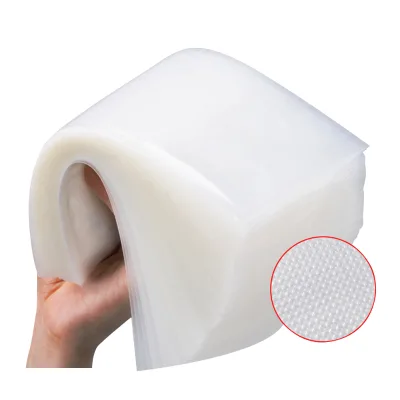

Custom Printed Vacuum Sealer Food Bag Plastic Packaging Food Vacuum Bags
$0.03 - $0.04
MOQ: 1000 Pieces


Comprehensive Sourcing Guide
Disposable Food Vacuum Sealer Bags Sourcing Guide
Procuring Disposable Food Vacuum Sealer Bags requires a clear understanding of the specific material compositions available in the current market. Buyers should prioritize suppliers offering High Pressure Polyethylene or Nylon/PE blends, as these materials provide the necessary structural integrity for vacuum applications. The observed product range includes both plain vacuum bags and specialized upright varieties, each serving distinct packaging needs for food and household items.
When evaluating listings, attention must be paid to the specific production models and their associated thickness ranges, which typically span from 30 to 200 micrometers. This variation directly impacts the bag's ability to withstand puncture resistance and moisture proofing requirements. Sourcing teams must verify that the selected model aligns with the intended storage duration and the specific physical properties of the food product being packaged to ensure optimal performance.
Product Scope and Observed Listing Signals
The market for these bags presents a diverse array of shapes and varieties, ranging from standard seal bags to flat bags and upright configurations. Buyers will encounter products labeled with specific model numbers such as XH078 or HK-047, which often indicate distinct manufacturing processes like co-extruded seven-layer air blown techniques. These signals help differentiate between basic packaging solutions and high-performance films designed for extended shelf life and superior barrier properties.
Listing observations reveal that customization is a standard feature, allowing buyers to request specific bag sizes, customized logos, and tailored packing methods like pallets or cartons. The raw materials frequently cited include PA/PE composites and EVOH composited films, which are critical for maintaining freshness. Procurement specialists should look for these specific material indicators to ensure the selected bags meet the rigorous demands of food safety and preservation without relying on generic descriptions.
Technical Specifications to Verify
Thickness and layer composition are the primary technical metrics that determine the efficacy of a vacuum sealer bag. Buyers must confirm that the product specifications explicitly state a thickness range between 30 and 200 micrometers and verify the layer count, which often includes seven or nine layers of co-extruded material. These specifications are essential for achieving the required hardness and transparency while ensuring the bag remains soft enough for easy handling yet robust enough to prevent leaks.
Temperature tolerance and dimensional limits are equally critical for operational success, particularly when dealing with frozen or heated food products. The observed data indicates a functional temperature range from -40 to 100 degrees, which must be validated against the specific thermal processing steps of the buyer's supply chain. Additionally, verifying the maximum bag size, often capped at 800mm by 800mm for certain models, ensures compatibility with existing vacuum sealing machinery and storage constraints.
Compliance and Safety Documentation
Safety compliance is non-negotiable when sourcing packaging for food applications, requiring suppliers to provide valid certificates such as SGS, ISO9001, ISO14001, and QS. These documents serve as proof that the manufacturing facility adheres to international quality management and environmental standards, which is vital for maintaining brand reputation and meeting regulatory requirements in export markets. Buyers should request current copies of these certificates to verify that the specific production batches are covered under the valid certification scope.
Beyond general certifications, the material composition must be verified for food-grade safety, particularly when using Nylon or Polyethylene blends. The presence of EVOH composited films suggests a high barrier against oxygen, which is crucial for preventing spoilage, but this must be backed by material safety data sheets. Procurement teams should ensure that all raw materials used in the production of these bags are explicitly approved for direct or indirect food contact to mitigate any risk of chemical migration.
Cost Drivers and Commercial Terms
The final cost of disposable vacuum bags is heavily influenced by the complexity of the material structure and the degree of customization required. Products featuring multi-layer co-extrusion, such as seven or nine-layer films, generally command higher prices due to the advanced manufacturing processes involved. Additionally, the inclusion of custom logo printing and specific packaging configurations like palletized shipments can significantly alter the unit price and overall order value.
Commercial terms and payment structures are equally important factors in the total cost of ownership. The observed market data indicates that transactions are typically settled via T/T or L/C, with minimum order quantities ranging widely from one unit to fifty thousand units. Buyers must negotiate these terms carefully, considering the lead times associated with custom production runs and the potential for volume discounts that can offset the higher costs of specialized materials and processing.
Supplier Qualification and Quality Control
Supplier qualification should focus on manufacturers with a proven track record, such as those established in 2009 and located in key industrial hubs like Zhejiang or Hubei. These regions are known for their robust plastic packaging infrastructure, which often translates to consistent production quality and reliable supply chain capabilities. Buyers should verify the business type to ensure they are dealing directly with a manufacturer rather than a trading company, which can provide better control over quality and pricing.
Quality control processes must be rigorously evaluated, specifically looking for suppliers that utilize advanced production lines like the W&H 7/9 Layer Co-extrusion Blown Production Line. This equipment is indicative of a high level of technical capability and consistency in film thickness and layer bonding. Procurement teams should request samples to test for moisture proofing and puncture resistance, ensuring that the physical attributes observed in the listing match the actual product performance before committing to large-scale orders.
Long-Term Procurement Checks
Sustaining a successful procurement relationship requires regular audits of the supplier's ability to maintain consistent product standards over time. Buyers should establish a schedule for re-verifying material compositions and thickness specifications, as these can drift due to changes in raw material sourcing or production adjustments. Continuous monitoring ensures that the bags continue to meet the required performance criteria for moisture proofing and temperature resistance throughout the contract period.
Strategic planning for long-term procurement also involves assessing the supplier's flexibility in adapting to changing market demands or regulatory updates. The ability to offer customized sizes and logos suggests a capacity for innovation, but this must be balanced with the supplier's ability to maintain lead times and quality consistency. Establishing clear communication channels for feedback and quality issues will help mitigate risks and ensure a stable supply of high-quality Disposable Food Vacuum Sealer Bags for future operations.
FAQs
What materials are used for Disposable Food Vacuum Sealer Bags?
These bags are typically made from High Pressure Polyethylene or Nylon/PE composites. Some advanced options utilize PA/PE and EVOH composited films for superior barrier properties. The material selection ensures moisture proofing and puncture resistance, which are critical for maintaining food freshness and preventing leaks during the vacuum sealing process.
Can these vacuum bags be customized for specific branding needs?
Yes, customization is available for these packaging solutions. Buyers can request customized bag sizes to fit specific product dimensions. Additionally, customized logo printing is accepted, allowing brands to display their identity directly on the packaging. This flexibility supports unique marketing strategies and specific storage requirements for various food items.
What certifications do these food packaging bags hold?
These bags hold several key certifications including SGS, ISO9001, ISO14001, and QS. These credentials verify that the manufacturing processes meet international quality and environmental standards. Such certifications are essential for food-grade packaging, ensuring that the materials are safe for direct contact with food products and comply with regulatory requirements.
What is the typical thickness range for these vacuum bags?
The thickness of these bags generally ranges from 30 to 200 micrometers. This variation allows buyers to select the appropriate durability level for their specific products. Thicker bags offer enhanced puncture resistance, while thinner options may be suitable for lighter items. The customizable nature ensures the thickness matches the intended application and protection needs.
Where are these vacuum sealer bags manufactured?
These bags are manufactured in China, with specific production origins noted in Zhejiang and Hubei provinces. The manufacturers are established entities, with some founded in 2009, indicating industry experience. Products are typically exported via Shanghai Port, facilitating international logistics for buyers seeking reliable sourcing from these established Chinese manufacturing hubs.
What are the payment terms for ordering these bags?
Standard payment terms for these orders are T/T or L/C. These methods provide secure financial transactions for both buyers and manufacturers. The flexibility in payment options accommodates different business preferences and international trade practices. Buyers should confirm specific payment details with the supplier to ensure smooth transaction processing and order fulfillment.