Source Full Metal Gear Digital Servo for Hoisting, Metal Cutting, and Control Systems
Find 30 listings for Full Metal Gear Digital Servo units suitable for hoisting machinery, metal cutting, and closed-loop control applications. Compare specifications like voltage range, communication protocols, and packaging options from verified Chinese manufacturers.
Key considerations
Products List
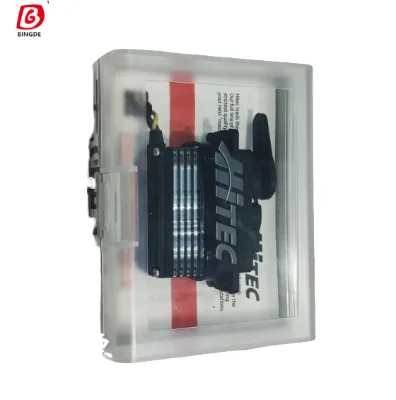


High Performance Dual-Axis Servo Drive System 750W-1.5kw 220V Servo System M100
$80.00 - $3000.00
MOQ: 1 Pieces


$150.00 - $15000.00
MOQ: 1 Sets

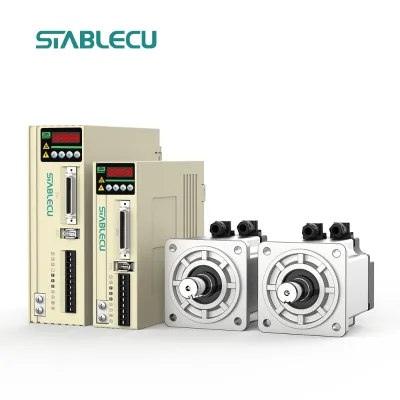

AC Servo Motor and Drive Servo Motor Drive
$18.00 - $286.17
MOQ: 1 pieces
Ji' Nan Tian Chuan Zhong Cheng Electricity Equipment Co., Ltd.

High Precision Servo Motor for Efficient Plastic and Rubber Production
$1650.00 - $1700.00
MOQ: 1 Pieces


Servo 25kg High Speed Metal Gear Programmable Digital for 1/8 1/10 Scale
$21.32 - $22.21
MOQ: 100 Pieces

Comprehensive Sourcing Guide
Strategic Sourcing Guide for Full Metal Gear Digital Servo Systems
Understanding the Technical Architecture and Core Specifications
When evaluating a Full Metal Gear Digital Servo system for industrial procurement, the buyer must first distinguish between the mechanical transmission components and the electronic control logic. The core keyword implies a specific construction where the gear train is manufactured from metal, typically aluminum alloy or steel, to ensure high torque density and durability under heavy loads. Based on observed market data, these systems often feature a digital controller architecture that utilizes closed-loop control methods. This configuration allows for precise feedback mechanisms, ensuring that the actual position and speed of the servo match the commanded values with minimal error.
The technical profile of these units frequently includes a high-end CNC machine tool classification, suggesting they are designed for applications requiring rigorous performance. The control method often cited in such specifications is SVPWM (Space Vector Pulse Width Modulation) or Vector Control, which optimizes the torque output and efficiency of the motor. Communication is a critical aspect of the digital interface; systems are expected to support protocols such as Modbus RTU, alongside standard physical interfaces like RS232, USB, and Network connections. This connectivity enables the servo to integrate seamlessly into larger automation networks, allowing for online editing of PLC programs and real-time data monitoring.
The physical dimensions and weight are also defining characteristics. In observed listings, units with a weight of approximately 0.5 kg are common for specific model configurations, indicating a balance between robustness and compactness suitable for various mounting scenarios. The cooling method is another vital specification; fan cooling is frequently employed to manage thermal loads during continuous operation, preventing overheating in high-duty cycles. Furthermore, the display interface often includes a 10.4-inch screen or a front panel with 5 keys and a 5-digit LED, facilitating local parameter setting and status monitoring without the need for external devices.
Compliance, Certification, and Regulatory Verification
In the global supply chain, verifying the compliance status of a digital servo system is paramount. Buyers must scrutinize the certification documentation provided by the supplier. Observed product attributes indicate that some units carry ISO and CE certifications, which are essential for market access in Europe and adherence to international quality management standards. However, the availability of these certifications can vary significantly between suppliers and specific product batches. It is crucial to note that while "ISO CE" may be listed as a standard attribute, the buyer must request the actual certificate documents to verify validity, as the presence of a logo does not guarantee current compliance.
The machinery test report is another area requiring careful attention. In many commercial listings, this document is marked as "Not Available." This absence does not necessarily indicate a defect but suggests that the specific unit may not have undergone a third-party mechanical stress test prior to listing. For critical applications, the buyer should explicitly request a test report or arrange for independent verification. Similarly, the warranty status is often listed as "Unavailable" in initial product descriptions. This ambiguity necessitates a direct negotiation with the supplier to define the warranty terms, coverage period, and the process for handling defects or failures.
Origin and production standards also play a role in compliance. Products originating from China, specifically from industrial hubs like Guangzhou, are common in this sector. The production standard listed as "1" is a generic placeholder and does not provide specific technical details. Buyers should verify the specific national or international standards (such as IEC or GB standards) that the manufacturing process adheres to. The material composition, such as the use of aluminum alloy for the gear housing, must be verified against the material safety data sheets (MSDS) to ensure it meets the environmental and safety regulations of the destination country.
Cost Drivers and Pricing Structure Analysis
The pricing of Full Metal Gear Digital Servo systems is influenced by a complex matrix of factors, including the complexity of the digital controller, the quality of the metal gears, and the level of customization required. The observed price range in the market is extremely broad, spanning from 1 USD to 100,000 USD. This vast disparity indicates that the keyword "Full Metal Gear Digital Servo" encompasses a wide spectrum of products, from simple hobby-grade components to high-end industrial automation controllers. A unit priced at the lower end of this spectrum likely represents a basic configuration with standard specifications, while a unit at the higher end may include advanced features like linear mathematical models, digital torque command capabilities, and extensive networking options.
The Minimum Order Quantity (MOQ) is another significant cost driver. The observed MOQ range varies from 1 to 100 units. For small-scale projects or prototyping, suppliers offering an MOQ of 1 are preferable, allowing for low-risk evaluation. However, for large-scale production runs, negotiating an MOQ closer to 100 or higher may yield better unit economics. The selling unit is typically listed as a "Single item," which simplifies the initial purchasing process but may increase the per-unit cost if bulk discounts are not available.
Customization is a major factor in the final cost. While many suppliers list "Customization: Available" or "Customized" as a standard attribute, the extent of this customization directly impacts the price. Options such as specific voltage ranges (e.g., -10 V to 10 V), unique communication protocols, or specialized cooling methods can add significant costs. Additionally, the packaging requirements, whether standard boxes, cartons, or heavy-duty plywood/wooden crates, can influence the total landed cost, especially for international shipping. Buyers should clarify whether the quoted price includes packaging, testing, and certification documentation to avoid hidden expenses.
Typical Applications and Operational Context
The application scope of Full Metal Gear Digital Servo systems is diverse, ranging from light-duty automation to heavy industrial machinery. Observed attributes list "Hoisting Machinery" and "Metal" as primary application areas. This suggests that these servos are particularly well-suited for lifting operations where high torque and precise position control are required to handle heavy loads safely. The use of metal gears ensures that the transmission can withstand the high mechanical stresses associated with hoisting and lifting tasks without deformation or failure.
In the context of metalworking, these servos are often integrated into CNC machine tools. The process usage categories include metal-cutting, metal-forming, and non-conventional machine tools. The closed-loop structure and continuous signal nature of the control system make them ideal for maintaining the precision required in machining operations. The ability to perform contour control allows for the creation of complex geometries with high accuracy. Furthermore, the "Automatic Control" function enables these systems to operate independently or as part of a larger automated production line, reducing the need for constant human intervention.
The versatility of these units is further highlighted by their compatibility with various control methods. Whether used in a linear mathematical model for simple positioning or a more complex vector control system for dynamic motion, the Full Metal Gear Digital Servo can adapt to different operational demands. The digital torque command and speed limit settings allow operators to fine-tune the performance for specific tasks, ensuring optimal efficiency and safety. The presence of a 10.4-inch screen and online PLC editing capabilities makes these systems particularly useful in environments where real-time adjustments and monitoring are critical for maintaining production quality.
Supplier Evaluation and Quality Assurance Protocols
Evaluating a supplier for Full Metal Gear Digital Servo systems requires a rigorous assessment of their technical capabilities and quality assurance processes. The first step is to verify the authenticity of the product attributes. For instance, the claim of "Original packaging" should be confirmed by inspecting the physical packaging upon delivery. The "Condition: New" status must be validated to ensure that the unit is not refurbished or used. Buyers should also check the "Numerical Control" attribute, specifically looking for CNC/MNC capabilities, to ensure the supplier can provide the necessary control logic for the intended application.
Quality control should extend beyond the initial inspection to include the manufacturing process. The "Process Usage" attributes, such as metal-cutting and metal-forming, indicate the types of machinery the supplier is familiar with. A supplier with experience in these areas is more likely to produce high-quality components. The "Structure: Closed-Loop" attribute is a critical quality indicator, as it implies a higher level of precision and reliability compared to open-loop systems. Buyers should request evidence of the supplier's quality management systems, such as ISO certification, and verify the validity of these certifications.
The "Machinery Test Report" status is a key differentiator in supplier evaluation. If a supplier consistently lists this as "Not Available," it may indicate a lack of rigorous internal testing. A reputable supplier should be able to provide test reports or at least a detailed description of their testing procedures. Additionally, the "Warranty: Unavailable" status should be a red flag, prompting the buyer to negotiate a clear warranty agreement before placing an order. The supplier's ability to offer "Online Editing" for PLCs and support various communication interfaces like Modbus RTU is also a strong indicator of technical competence and after-sales support capability.
Long-Term Procurement and Lifecycle Management
Sourcing Full Metal Gear Digital Servo systems is not merely a transactional activity but a strategic decision that impacts long-term operational efficiency. The "Customization: Available" attribute suggests that these systems can be tailored to specific long-term needs, which is beneficial for scaling operations. However, buyers must consider the lifecycle of the product, including maintenance, spare parts availability, and software updates. The "Cooling Method: Fan Cooling" indicates a component that may require periodic cleaning or replacement to maintain optimal performance over time.
The "Interface" and "Communication Function" attributes are critical for future-proofing the procurement. As industrial automation evolves, the ability to integrate with new network protocols and software platforms becomes increasingly important. A system with a robust interface, including RS232, USB, and Network capabilities, offers greater flexibility for future upgrades. The "Command Smoothing Mode: Low-Pass Filtering" is another feature that contributes to long-term stability, reducing wear and tear on the mechanical components by smoothing out rapid changes in command signals.
Finally, the "Mathematical Model: Linear" and "Control Method: Svpwm, Vector Control" specifications suggest a high level of sophistication that can extend the useful life of the system. Buyers should plan for regular maintenance schedules and ensure that the supplier provides comprehensive documentation and training. The "Prod_packing" options, such as "Carton or Plywood" or "Wooding," should be considered in the context of long-term storage and shipping logistics. By carefully evaluating these factors, buyers can ensure that their investment in Full Metal Gear Digital Servo systems yields reliable performance and a favorable return on investment over the long term.
FAQs
What is the core material used for the gears in this servo?
The gears are constructed from aluminum alloy to ensure high torque density and durability. This material choice supports heavy loads while maintaining a compact weight of 0.5 kg for various mounting scenarios.
Which control methods does the digital servo system utilize?
The system employs SVPWM and Vector Control methods for optimized torque output. It also features closed-loop control with Modbus RTU communication to ensure precise feedback and minimal error during operation.
Can the product be customized for specific industrial needs?
Yes, customization is available for specific voltage ranges and communication protocols. Buyers can request tailored configurations for metal-cutting or metal-forming applications to fit unique automation requirements.
How is the cooling system managed during continuous operation?
The unit utilizes fan cooling to manage thermal loads effectively. This method prevents overheating during high-duty cycles, ensuring reliable performance in applications like hoisting machinery and CNC machine tools.
What certifications are listed for this digital servo product?
The product attributes indicate ISO and CE certifications are present. Buyers should verify these documents directly as availability can vary between suppliers and specific product batches.
Where is the manufacturing origin of this servo system?
The product originates from Guangzhou, China, a known industrial hub. This location is common for such machinery, though specific lead times and shipping details must be confirmed with the supplier.