Source Flashing Solar Navigation Beacon Light for Road, Tunnel, and Railway
Find and compare 30 models of Flashing Solar Navigation Beacon Light designed for road construction, tunnels, and railways. These LED units offer customizable patterns and CE certification to enhance site safety and visibility.
Key considerations
Products List

Solar LED Traffic Warning Light Strobe Beacon Flashing Solar Warning Light
$6.30 - $6.55
MOQ: 500 Pieces


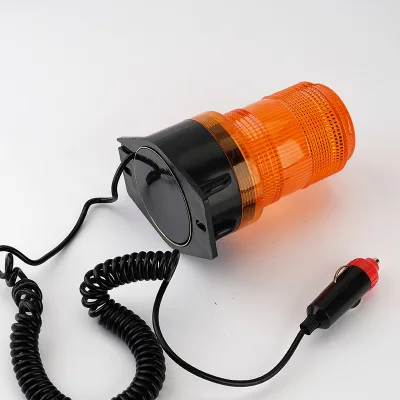
Flashing LED Beacon Warning Light LED Beacon Magnetic Base Signal Solar Lights
$5.50 - $6.80
MOQ: 100 Pieces


Waterproof Proximity Flashing Solar Beacon Light 4 LED Beacon Strobe Warning Light
$3.00 - $4.00
MOQ: 3000 Pieces


Battery Powered Beacon Light with Remote Control Beacon Lamp Beacon Light LED
$10.00 - $50.00
MOQ: 50 Pieces

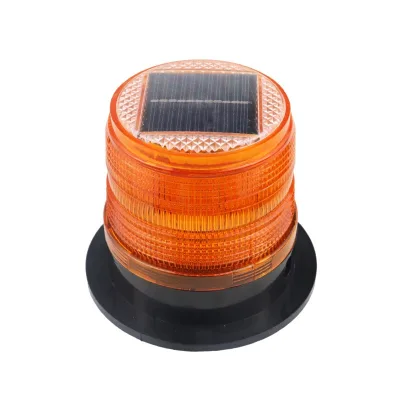

Traffic LED Flashing Road Solar Powered Warning Beacon Lights for Safety
$4.00 - $6.00
MOQ: 100 Pieces



Comprehensive Sourcing Guide
Flashes Solar Navigation Beacon Light Sourcing Guide
Sourcing flashing solar navigation beacon lights requires a disciplined approach to balancing optical performance, energy efficiency, and environmental durability. These devices are critical for traffic safety, road construction zones, and railway signaling, where visibility must be maintained regardless of ambient light conditions. Buyers must prioritize suppliers who provide transparent data on LED intensity, solar panel efficiency, and battery cycle life, as these factors directly determine the reliability of the beacon in low-visibility or extended cloudy weather scenarios. The procurement process should focus on verifying that the product specifications align with the specific operational environment, whether it involves high-speed highways, tunnel entrances, or temporary construction sites.
The market for these beacons is characterized by a wide range of configurations, from simple single-color warning lights to complex multi-function traffic signal wands. Buyers should expect to encounter products with varying flash rates, lens patterns, and mounting options. It is essential to distinguish between standard warning beacons and those designed for specific regulatory compliance, such as those used in railway or tunnel applications. Understanding the distinction between passive reflectors and active LED sources is also crucial, as active LED systems offer superior visibility and customizable flash patterns but require more rigorous maintenance and quality control regarding power management systems.
Product Scope and Observed Listing Signals
The current market landscape for flashing solar navigation beacon lights includes a diverse array of models designed for specific use cases, such as driveway traffic lights, warning lights, and traffic signal wands. Observed listings indicate a strong presence of LED-based units, with many products featuring dual-LED configurations to enhance brightness and redundancy. The functional scope extends beyond simple illumination, with some units offering multi-color capabilities, including red and yellow signals, to convey different traffic instructions. Buyers should note that customization is widely available, allowing for logo integration and specific pattern adjustments, which is particularly valuable for municipal contracts or large-scale infrastructure projects requiring branded safety equipment.
Listing signals reveal significant variation in physical dimensions and packaging standards, reflecting the different form factors available in the market. For instance, some models are compact, measuring approximately 15.1x15.1x8.3 cm, while others are larger, such as traffic signal wands with a height of 7 inches or cylindrical beacons with a diameter of 123 mm. Packaging also varies, with options ranging from single-unit corrugated kraft paper boxes to bulk cartons containing multiple units. These physical attributes are critical for logistics planning, as they determine shipping costs and storage requirements. Buyers must carefully review the product model numbers and standard dimensions to ensure compatibility with existing mounting infrastructure and to accurately forecast freight expenses.
Technical Specifications to Verify
When evaluating technical specifications, the light source and power management system are the most critical components to verify. Most modern beacons utilize LED lamps for their longevity and energy efficiency, with some models specifying a voltage range of 3-6V, indicating the use of rechargeable battery systems. Buyers should confirm the illumination time and battery capacity, as these metrics determine how long the beacon can operate during periods of insufficient sunlight. Additionally, the flash rate is a key performance indicator, with typical standards ranging around 65 +/- 5 flashes per minute. Verifying that the flash rate is consistent and meets regulatory requirements is essential for ensuring that the beacon effectively communicates warnings to drivers and operators.
The optical design and environmental durability are also paramount considerations. The lens pattern, often circular, affects the beam spread and visibility distance, while the housing material, such as polycarbonate (PC), determines resistance to impact and UV degradation. Buyers should inquire about the IP rating for water and dust resistance, especially for units intended for outdoor use in harsh weather conditions. Furthermore, the solar panel’s efficiency and the type of battery used (e.g., lithium-ion vs. lead-acid) significantly impact the overall performance and lifespan of the device. It is advisable to request detailed technical datasheets that specify the operating temperature range and the expected number of charge-discharge cycles to ensure long-term reliability.
Compliance and Safety Documentation
Compliance with international safety and environmental standards is a non-negotiable aspect of sourcing flashing solar navigation beacon lights. Certifications such as CE and RoHS are commonly cited, indicating that the products meet European health, safety, and environmental protection standards. Buyers must verify the validity of these certifications and ensure that they cover the specific models being procured. Additionally, for products intended for export to other regions, buyers should check for compliance with local regulations, such as FCC in the United States or other regional electromagnetic compatibility (EMC) standards. Documentation should include test reports from accredited laboratories to confirm that the emissions and safety features meet the required thresholds.
Safety documentation should also encompass user manuals and installation guidelines that clearly outline proper usage and maintenance procedures. These documents are crucial for ensuring that the beacons are installed correctly and operated safely, reducing the risk of accidents or equipment failure. Buyers should also inquire about the warranty terms, with many suppliers offering a two-year warranty, which serves as an indicator of the manufacturer’s confidence in their product’s durability. Understanding the warranty coverage, including what components are covered and the process for claims, is essential for managing long-term operational costs and minimizing downtime.
Cost Drivers and Commercial Terms
The cost of flashing solar navigation beacon lights is influenced by several factors, including the complexity of the design, the quality of components, and the order volume. Observed price ranges vary significantly, reflecting differences in features such as LED count, battery capacity, and customization options. Buyers should be aware that lower prices may correlate with reduced performance or shorter lifespans, so it is important to balance cost with quality requirements. Minimum Order Quantities (MOQs) also vary, with some suppliers offering low MOQs for sample orders and higher volumes for bulk purchases. Understanding the pricing structure and MOQ requirements is essential for budgeting and negotiating favorable terms.
Commercial terms and logistics play a significant role in the total cost of ownership. Suppliers often offer various trade terms, such as DDU, EXW, FOB, and CNF, each with different implications for shipping responsibilities and risk transfer. Buyers should carefully review these terms to determine who is responsible for freight, insurance, and customs clearance. Additionally, packaging standards, such as the use of 5-layer corrugated kraft paper or standard cartons, can impact shipping costs and product protection during transit. Negotiating clear delivery timelines and payment terms is also crucial to ensure a smooth procurement process and avoid unexpected delays or financial risks.
Supplier Qualification and Quality Control
Supplier qualification is a critical step in ensuring the reliability and consistency of flashing solar navigation beacon lights. Buyers should assess the supplier’s manufacturing capabilities, including their production capacity, quality control processes, and experience in the industry. Suppliers located in regions known for electronics manufacturing, such as Sichuan or Hubei in China, may offer competitive advantages in terms of supply chain efficiency and cost. However, buyers must verify the supplier’s ability to maintain consistent quality across large production runs, as variations in manufacturing can lead to performance issues in the field.
Quality control measures should include rigorous testing of each unit before shipment, covering aspects such as light intensity, flash rate, battery performance, and waterproofing. Buyers should request information on the supplier’s quality management systems, such as ISO certifications, and inquire about their defect rate and return policies. Additionally, conducting factory audits or third-party inspections can provide valuable insights into the supplier’s operational practices and commitment to quality. Establishing a strong relationship with a qualified supplier is essential for ensuring that the procured beacons meet the required performance standards and deliver value over their operational lifespan.
Long-Term Procurement Checks
Long-term procurement success depends on establishing robust mechanisms for monitoring supplier performance and product reliability. Buyers should implement a system for tracking key performance indicators, such as delivery times, defect rates, and customer feedback, to identify potential issues early. Regular communication with the supplier is essential to address any concerns and ensure that the products continue to meet evolving requirements. Additionally, staying informed about technological advancements in solar and LED technology can help buyers make informed decisions about future upgrades or replacements.
Maintenance and support are also critical components of long-term procurement. Buyers should ensure that the supplier provides adequate technical support and spare parts availability to minimize downtime in case of failures. Understanding the lifecycle of the product, including the expected lifespan of the battery and LED components, is essential for planning maintenance schedules and budgeting for replacements. By focusing on these long-term aspects, buyers can maximize the value of their investment in flashing solar navigation beacon lights and ensure the continued safety and efficiency of their operations.
FAQs
What light source and power type do these beacons use?
These beacons use LED light sources powered by solar energy. The solar design ensures they operate without external wiring, making them ideal for temporary road construction or permanent traffic safety applications. The LED technology provides high visibility and energy efficiency for continuous operation in various weather conditions.
Can I customize the logo on these warning traffic lights?
Yes, OEM customization is available for these warning traffic lights. You can customize the logo to match your brand identity. This service allows businesses to brand their safety equipment effectively while maintaining the standard yellow or red signal functions required for road construction and tunnel safety applications.
What certifications do these solar navigation beacons hold?
These beacons hold CE and RoHS certifications. These standards ensure the products meet European safety and environmental requirements. The certifications confirm that the materials and manufacturing processes comply with strict regulations, providing assurance for international buyers sourcing road construction and railway safety equipment from China.
What is the typical packaging for these traffic signal wands?
The typical packaging includes 5-layer corrugated kraft paper outer boxes or standard cartons. Some models are packed at 12 pieces per carton. This robust packaging protects the lights during transit, ensuring they arrive in good condition for immediate deployment in road, tunnel, or parking area safety projects.
What is the warranty period for these warning lights?
The warranty period for these warning lights is typically 2 years. This coverage provides protection against manufacturing defects and ensures product reliability for road construction and traffic safety applications. Buyers can rely on this warranty for peace of mind when sourcing LED solar beacons for critical infrastructure projects.
Which models are available for driveway or road construction use?
Available models include LTD-5266, LTD5188, LTE1316, and RX-JSD-S-17. These models vary in dimensions and specifications to suit different needs, from small driveway traffic lights to larger road construction beacons. Each model is designed to provide clear yellow or red signals for effective traffic management and safety.