Source Flexible Fabric Storage Cube with Handles for Home, Shoes, and Tools
Compare 30 Flexible Fabric Storage Cube with Handles options from verified Chinese suppliers. These collapsible organizers feature eco-friendly materials, stackable designs, and customizable logos for apparel, bedding, and sundries storage.
Key considerations
Products List


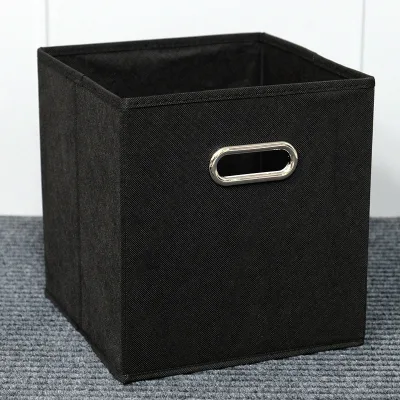


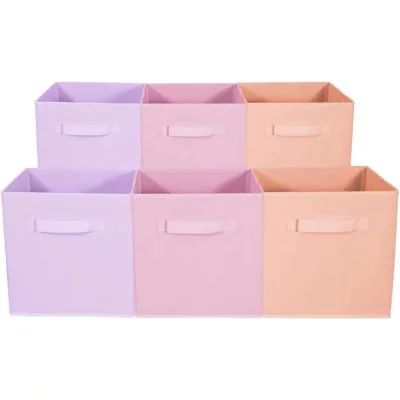


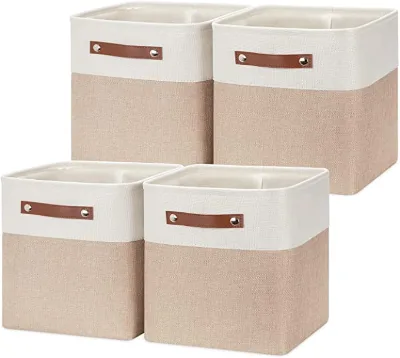
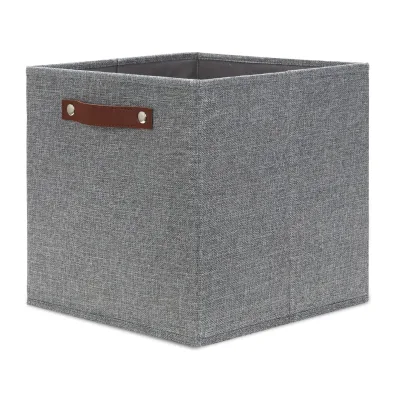
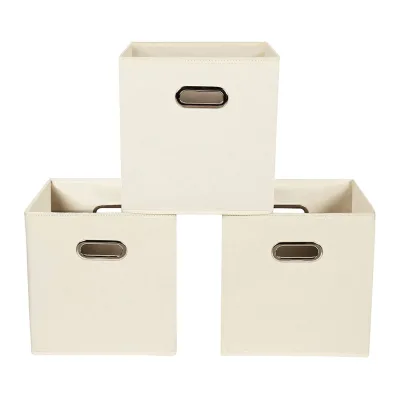


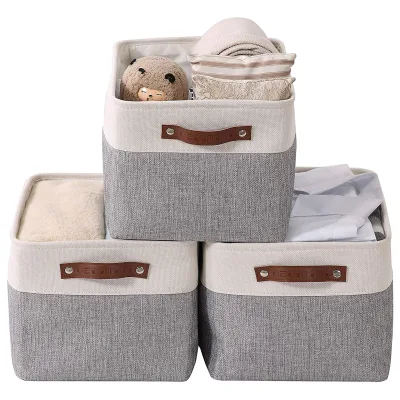
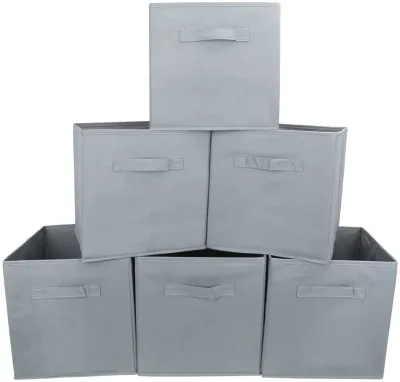


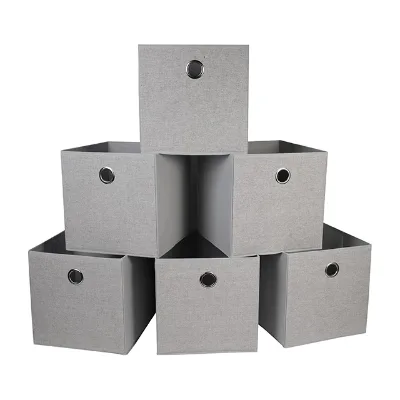
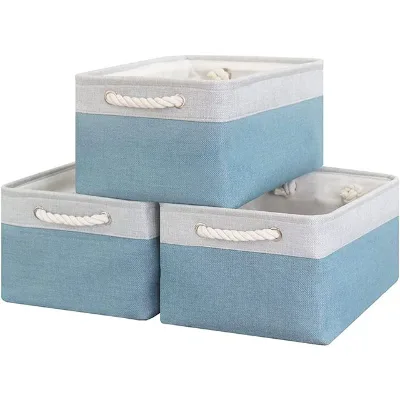
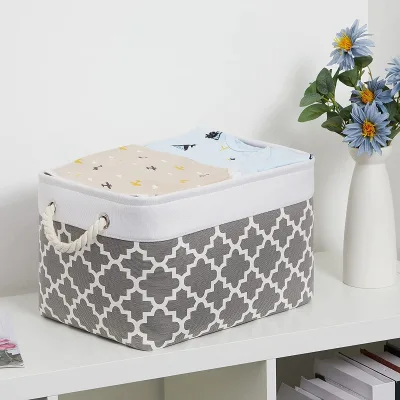
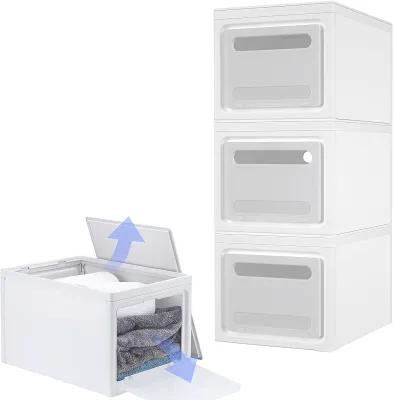

Comprehensive Sourcing Guide
Strategic Sourcing Guide for Flexible Fabric Storage Cubes with Handles
The global demand for efficient home organization has driven significant innovation in the storage sector, with flexible fabric storage cubes emerging as a dominant category. These units combine the structural benefits of rigid containers with the adaptability of textile-based materials. For B2B procurement professionals, navigating this market requires a disciplined approach to verifying technical specifications, understanding cost structures, and ensuring supplier reliability. This guide provides a comprehensive framework for sourcing these products, grounded in observed market data and essential procurement principles.
Technical Specifications and Material Composition
When evaluating flexible fabric storage cubes, the primary technical differentiator lies in the material composition and structural integrity. The observed market data indicates a prevalence of non-woven fabric as the standard material for these units. This material choice offers a balance between durability and cost-effectiveness, making it suitable for a wide range of applications from apparel storage to tool organization. The fabric must be robust enough to maintain its shape when loaded while remaining flexible enough to collapse for storage when empty.
Dimensions are a critical specification that varies significantly across suppliers. Market observations reveal standard cubic configurations such as 25x25x25 cm and 27x27x28 cm. These measurements are not universal; they represent common industry benchmarks that buyers must verify against their specific inventory needs. Some suppliers offer OEM dimensions, allowing for customization to fit unique shelving systems or retail packaging requirements. The capacity of these cubes typically ranges from 10L to 49L, depending on the depth and width of the unit.
The inclusion of handles is a functional necessity for this product category. While not explicitly detailed in every product listing, the presence of handles is implied by the "flexible" nature of the cube, which requires a mechanism for transport. Buyers should verify that handles are reinforced, as the stress points on fabric containers are prone to tearing if the stitching or attachment method is substandard. The shape is predominantly rectangular, designed to maximize space utilization in shelving units. Features such as collapsibility are standard, allowing for significant space savings during shipping and storage of the empty units.
Compliance, Certification, and Safety Standards
In the realm of B2B procurement, compliance is a non-negotiable aspect of supplier evaluation. While specific certification documents were not explicitly listed in the provided product data, the "Eco-Friendly" attribute frequently observed in this category suggests a focus on sustainable manufacturing practices. Buyers must actively verify that the non-woven fabric meets relevant safety standards for the intended market, particularly regarding flammability and chemical content.
For products intended for use in bedrooms or children's areas, compliance with fire safety regulations is paramount. The "Odor-Free" and "Dust-Proof" features observed in the market data indicate a focus on indoor air quality and hygiene, but these claims require third-party verification. Procurement teams should request test reports confirming that the materials do not emit volatile organic compounds (VOCs) at levels exceeding local regulatory limits.
Furthermore, the "Eco-Friendly" designation often implies adherence to specific environmental standards. Buyers should inquire about the recyclability of the non-woven fabric and the sourcing of raw materials. In regions with strict environmental regulations, suppliers may need to provide documentation proving that their production processes minimize waste and energy consumption. The "Reusable" attribute also suggests a lifecycle assessment, where the durability of the product is a key metric for environmental compliance.
Cost Drivers and Pricing Dynamics
The pricing of flexible fabric storage cubes is influenced by several variables, including material quality, customization complexity, and order volume. The observed price range in the market spans from $0.38 to $100 per unit, a wide disparity that reflects differences in quality, size, and feature sets. The lower end of this spectrum typically corresponds to basic, non-customized units with standard dimensions and minimal branding. Conversely, the higher end includes premium products with custom colors, reinforced handles, and specialized packaging.
Order Volume is a primary driver of unit cost. The Minimum Order Quantity (MOQ) varies significantly, with observed ranges from 500 pieces to 3,000 pieces. Suppliers offering lower MOQs, such as 500 or 1,008 pieces, often charge a premium per unit to cover the fixed costs of setup and production runs. For buyers with high-volume requirements, negotiating MOQs of 2,000 pieces or more can yield substantial cost savings. The "OEM / ODM Customization" capability is a significant cost factor; adding custom logos, specific colors, or unique dimensions will increase the per-unit price and may extend the lead time.
Packaging is another cost component. The standard "OPP Bag" packaging is cost-effective but offers minimal protection. Customized packaging, which may include branded boxes or eco-friendly materials, adds to the overall cost. Buyers must weigh the benefits of premium packaging against the impact on the final landed cost, especially if the product is intended for retail display where unboxing experience is crucial.
Typical Applications and Usage Scenarios
Flexible fabric storage cubes are versatile solutions designed for a broad spectrum of usage scenarios. The observed usage categories include apparel, books, magazines, sundries, bedding, shoes, and tools. This versatility makes them suitable for residential, commercial, and institutional settings. In the home environment, these cubes are ideal for organizing closets, under-bed storage, and children's playrooms. The "Save Storage Space" and "Foldable" features are particularly valuable in urban living spaces where square footage is limited.
In commercial settings, such as retail stores or office environments, these cubes serve as efficient organizational tools. The "Stackable" and "Foldable" attributes allow for easy reconfiguration of storage spaces as inventory needs change. The "Modern" style and availability of various colors (Blue, Black, White, Grey, Purple, Coffee) enable these units to blend seamlessly with contemporary interior designs. The "Unisex" nature of the product ensures broad market appeal, making it a safe choice for general merchandise.
The "High-Quality" and "Strong & Durable" attributes suggest that these cubes can withstand regular use, making them suitable for high-traffic areas. The "Dust-Proof" feature is particularly relevant for storing items that are sensitive to environmental contaminants, such as documents or delicate fabrics. The capacity range of 10L to 49L allows buyers to select units that match specific storage requirements, from small accessories to larger bedding items.
Supplier Evaluation and Verification
Selecting the right supplier is critical to the success of any procurement strategy. The market data indicates that suppliers are located primarily in Zhejiang and Guangdong, China, regions known for their manufacturing capabilities in textiles and packaging. Buyers should verify the supplier's location to ensure it aligns with their logistics strategy and to assess the potential for supply chain disruptions.
The "OEM & ODM" acceptance is a key indicator of a supplier's flexibility. Buyers should evaluate the supplier's capacity to handle custom orders, including their ability to manage design changes, color variations, and logo placement. The "Sample Offered" attribute is a valuable tool for quality verification; buyers should always request samples before committing to a large order to assess the material quality, stitching strength, and overall finish.
Supplier reliability can be gauged by their response to customization requests and their transparency regarding production capabilities. The "Accept Customized Logo" and "Acceptable" OEM/ODM status suggest a willingness to collaborate, but buyers must ensure that the supplier has the necessary infrastructure to maintain consistent quality across large batches. The "High Level" quality claim observed in the data should be validated through on-site audits or third-party inspections.
Quality Control and Long-Term Procurement Considerations
Implementing a robust quality control (QC) process is essential for mitigating risks associated with fabric storage products. Key QC checkpoints include inspecting the fabric for defects, verifying the strength of the handles and seams, and ensuring that the dimensions match the specified standards. The "Single gross weight" of 0.26 kg and "Single package size" of 29x29x2 cm are specific metrics that buyers should use to verify consistency in production batches.
Long-term procurement considerations involve building a sustainable relationship with suppliers. The "Eco-Friendly" and "Reusable" attributes suggest that buyers should prioritize suppliers who demonstrate a commitment to sustainability. This includes evaluating the supplier's waste management practices and their ability to source recycled or sustainable materials. The "Customization" availability allows for long-term product evolution, enabling buyers to adapt their offerings to changing market trends without switching suppliers.
Buyers should also consider the lifecycle of the product. The "Foldable" and "Collapsible" features extend the utility of the storage cubes, reducing the need for replacement and contributing to cost savings over time. Ensuring that the product maintains its structural integrity after repeated folding and unfolding is a critical aspect of long-term quality assurance. Regular quality audits and feedback loops with suppliers can help maintain high standards and address any issues before they escalate.
Comparative Analysis of Product Attributes
To facilitate decision-making, the following table summarizes key attributes observed in the market data, highlighting the variations that buyers should consider during the sourcing process.
| Attribute | Observation A | Observation B | Observation C | Procurement Implication |
|---|---|---|---|---|
| Material | Non-woven fabric | Fabric | Non-woven fabric | Verify fabric density and durability for load-bearing capacity. |
| Dimensions | 25x25x25 cm | 27x27x28 cm | 27x27x28 cm | Confirm exact dimensions against shelving requirements. |
| MOQ | 500 pcs | 1008 pcs | 2000 pcs | Align order volume with budget and storage capacity. |
| Features | Foldable, Stackable | Foldable, Space-Saving | Foldable, Dust-Proof | Prioritize features based on specific usage scenarios. |
| Origin | Guangdong, China | Zhejiang, China | China | Assess logistics costs and lead times based on location. |
| Customization | OEM / ODM | Accept Custom Logo | Accept Custom Logo | Confirm capability for branding and design modifications. |
| Capacity | 10L-29L | 30L-49L | Not specified | Select capacity based on intended storage volume. |
This comparative analysis underscores the importance of detailed specification verification. While the core product remains consistent, the variations in dimensions, MOQ, and features require careful evaluation to ensure the selected product meets the specific needs of the buyer's market. By adhering to these guidelines, procurement professionals can navigate the complex landscape of flexible fabric storage cubes with confidence and precision.
FAQs
What materials are used for flexible fabric storage cubes?
Non-woven fabric is the standard material used for these storage cubes, offering a balance of durability and cost-effectiveness. Some listings also specify general fabric, but non-woven options provide the necessary strength to maintain shape while remaining collapsible for space-saving storage.
Which dimensions are available for these storage cubes?
Common industry dimensions include 25x25x25 cm and 27x27x28 cm, though OEM custom dimensions are available. These sizes typically support capacities ranging from 10L to 49L, allowing buyers to select units that fit specific shelving systems or inventory needs.
Can suppliers offer OEM and ODM customization?
Yes, most suppliers accept OEM and ODM customization requests, including custom logos, colors, and specific dimensions. This flexibility allows buyers to brand products for retail or adapt sizes for unique packaging requirements, though it may affect unit pricing and lead times.
What is the typical minimum order quantity for these cubes?
Minimum order quantities vary significantly, with observed ranges from 500 pieces to 3,000 pieces depending on the supplier. Lower MOQs like 500 or 1,008 pieces often carry a higher per-unit cost, while larger orders of 2,000 pieces or more can yield better pricing.
How do these cubes help save storage space?
These cubes are designed to be foldable and collapsible, allowing them to be flattened when empty for efficient shipping and storage. The stackable feature further maximizes vertical space in closets or shelves, making them ideal for urban environments with limited square footage.
Where are these products typically manufactured?
Manufacturing is concentrated in China, specifically in the Zhejiang and Guangdong provinces, which are known for textile and packaging capabilities. Buyers should verify specific factory locations to assess logistics costs and potential supply chain risks associated with these regions.