Source Flexible Fire Proof Stone Veneer for School Bathroom Kitchen
Find 30 verified listings for Flexible Fire Proof Stone Veneer from manufacturers in China. Compare specifications including lightweight design, water absorption rates, and customization options for school, bathroom, and kitchen applications.
Key considerations
Products List

Fire Proof, Water Proof Flexible Stone Veneer for Easy Home Installation Veneer
$6.99 - $8.99
MOQ: 200 Square Meters

Flexible Stone Veneer: Water Proof Stone Fire Proof, and Scratch-Resistant Design
$6.99 - $8.99
MOQ: 200 Square Meters

Flexible Stone Veneer with Scratch Resistance and Easy Install Features
$5.99 - $7.99
MOQ: 200 Square Meters

Fire Proof Flexible Stone Natural Stone Veneer - Durable and Scratch-Resistant
$8.99 - $12.99
MOQ: 200 Square Meters

Flexible Stone Natural Stone Veneer - Waterproof and Fire Proof Features
$8.99 - $12.99
MOQ: 200 Square Meters

Fire Proof Soft Stone Veneer - Water Proof Eco-Friendly Easy Installation
$8.99 - $11.99
MOQ: 200 Square Meters


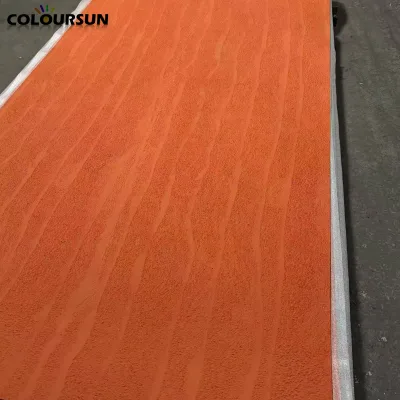
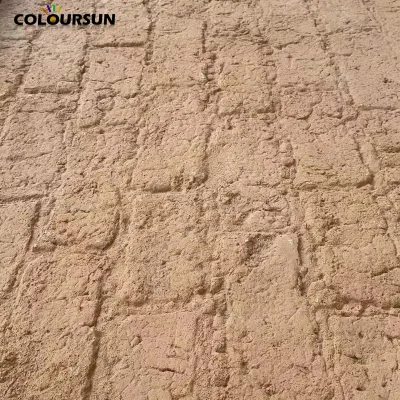
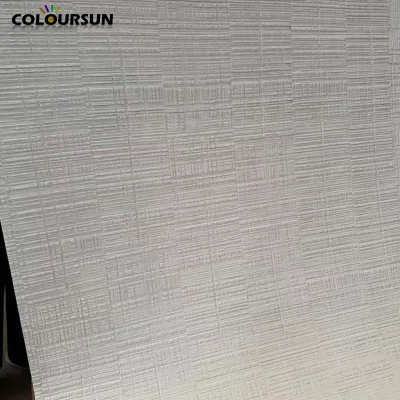
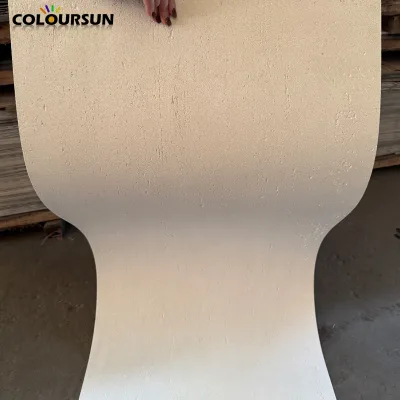


Flexible Soft Ceramic Tiles Interiors and Exteriors Flexible Stone Veneer Fireproof
$2.60 - $2.80
MOQ: 300 Square Meters


Flexible Soft Ceramic Tiles Interiors and Exteriors Flexible Stone Veneer Fireproof
$10.00 - $30.00
MOQ: 50 Square Meters


Comprehensive Sourcing Guide
Strategic Sourcing Guide for Flexible Fire Proof Stone Veneer
Understanding the Material Composition and Core Characteristics
When sourcing Flexible Fire Proof Stone Veneer, buyers must first distinguish this product from traditional rigid stone cladding. The material is engineered from a composite blend of natural stone powder and modified clay, resulting in a unique hybrid that retains the aesthetic appeal of stone while offering significant flexibility. This composition allows the veneer to be bent and curved, a feature that is critical for applications involving non-planar surfaces, such as rounded columns, arches, and complex architectural facades. The physical properties of this material are defined by its lightweight nature, with a weight range typically observed between 3 to 6 kilograms per square meter. This low mass significantly reduces the structural load on building frameworks compared to natural stone or ceramic tiles, often eliminating the need for heavy reinforcement.
The surface finish of these products is predominantly matte, which provides a natural, non-reflective appearance that mimics the texture of raw stone or wood grain. Some variants may feature advanced surface treatments, such as 5D printing, to enhance the visual depth and realism of the stone or wood patterns. The material is designed to be water-resistant, with water absorption rates observed to be less than 0.5%. This low absorption rate is a key indicator of durability in wet environments, preventing moisture ingress that could lead to mold growth or structural degradation. Furthermore, the product is inherently fire-resistant, a critical safety feature for commercial and public buildings. The combination of these attributes—lightweight, flexible, fire-proof, and water-resistant—positions this material as a versatile solution for modern construction challenges where traditional stone is impractical due to weight or rigidity.
Technical Specifications and Dimensional Standards
Buyers evaluating flexible stone veneer must scrutinize the technical specifications to ensure compatibility with their project requirements. The product is available in a variety of standard dimensions, though custom sizing is often an option. Common standard sizes observed in the market include 600 by 1200 millimeters and 1200 by 2400 millimeters. Some suppliers also offer specific thicknesses, such as 3 millimeters, which contribute to the overall flexibility of the panel. The standard length can vary, with some specifications noting ranges from 15 to 50 centimeters for specific product lines, while others offer larger format panels up to 3200 millimeters in length.
The edge processing for these panels is typically flat, ensuring clean lines during installation. However, the material is also available in a "cut-to-size" form, allowing for on-site adjustments to fit specific architectural details. The model numbers for these products vary widely, ranging from designations like "Sawn wood" and "Skyline stone" to specific codes such as "Chanyanmuwen," "Zen wood panel," and "Danxia Rammed Earth Board." These model names often indicate the visual pattern or the specific type of stone or wood texture being replicated. For instance, the "Sawn wood" model suggests a wood-grain aesthetic, while "Danxia Rammed Earth Board" implies a texture mimicking rammed earth construction.
It is essential for buyers to verify the specific standard dimensions and thicknesses required for their project, as the market offers a diverse range of formats. The product origin is primarily reported from regions in China, including Guangdong and Linyi City in Shandong Province. When reviewing technical data sheets, purchasers should confirm the exact standard size, thickness, and edge treatment to ensure seamless integration with their design specifications. The availability of custom sizes further enhances the utility of this material, allowing for tailored solutions in complex architectural designs.
Compliance, Certification, and Safety Standards
In the realm of construction materials, compliance with safety standards and certifications is paramount. Flexible Fire Proof Stone Veneer is marketed with specific safety attributes, including fire resistance and water proofing. Buyers should verify that the product meets relevant local and international fire safety standards, as the term "fire proof" implies a high level of resistance to ignition and flame spread. While specific certification bodies are not universally mandated for all regions, the product is often described as having customized certification options, suggesting that manufacturers can tailor compliance documentation to meet specific project requirements.
The material's fire resistance is a key selling point, particularly for commercial applications in schools, kitchens, and public buildings. The product is explicitly labeled as fire-proof, scratch-resistant, and water-proof, which are critical features for high-traffic and high-risk areas. Buyers should request test reports or certification documents that validate these claims, ensuring that the product meets the fire safety regulations of the destination country. Although some background information references standards like DIN 4102, buyers should not assume this standard applies unless explicitly confirmed by the supplier. Instead, the focus should be on verifying the specific fire rating and performance data provided by the manufacturer.
Additionally, the eco-friendly nature of the material is a significant consideration for sustainable building projects. The use of natural stone powder and modified clay, combined with the lightweight and flexible properties, contributes to a lower carbon footprint during transportation and installation. Buyers should inquire about the environmental certifications or sustainability claims associated with the product, ensuring that the material aligns with green building standards such as LEED or BREEAM, if applicable to the project. The absence of heavy metals or harmful chemicals in the modified clay composition is another factor that supports the eco-friendly positioning of the product.
Cost Drivers and Procurement Economics
The pricing of Flexible Fire Proof Stone Veneer is influenced by several factors, including material composition, customization, and order volume. The observed price range for these products in the market spans from approximately 0.85 to 30 US dollars per unit, reflecting the diversity in product types, sizes, and finishes. The lower end of the price spectrum typically corresponds to standard sizes and basic finishes, while the higher end may include custom sizes, specialized textures, or premium surface treatments like 5D printing.
Order volume plays a critical role in determining the final cost. The minimum order quantity (MOQ) varies significantly, ranging from as low as 1 unit to as high as 5500 units. This wide range indicates that suppliers cater to both small-scale renovation projects and large-scale commercial developments. For smaller orders, the per-unit cost may be higher due to setup and handling fees, whereas bulk orders often benefit from economies of scale. Buyers should negotiate based on their specific volume requirements to optimize cost efficiency.
Lead times are another important economic consideration. For orders under 1000 square meters, the lead time is typically around 15 days. For larger orders exceeding 1000 square meters, the lead time is subject to negotiation, which may extend the delivery schedule. Buyers must factor these lead times into their project timelines to avoid delays. Additionally, packaging requirements, such as wooden pallets, wooden boxes, or carton packaging with fumigated crates, can impact shipping costs. The weight of the product, being relatively light at 3-6 kg per square meter, generally results in lower shipping costs compared to traditional stone, but the volume and packaging type must be considered in the overall logistics budget.
Typical Applications and Installation Considerations
Flexible Fire Proof Stone Veneer is designed for a wide array of applications, making it suitable for both residential and commercial projects. The product is commonly used in schools, bathrooms, kitchens, and commercial spaces, where its durability and safety features are highly valued. The material's ability to be bent allows for creative applications on curved walls, columns, and arches, which would be difficult or impossible to achieve with rigid stone. This flexibility is particularly beneficial in modern architectural designs that emphasize organic shapes and fluid lines.
The installation process is generally straightforward, facilitated by the lightweight nature of the material. The product can be adhered to various substrates, including drywall, concrete, and metal studs, using standard adhesives. The cut-to-size capability allows for precise fitting around obstacles such as electrical outlets, windows, and doors. The matte surface finish provides a natural look that is easy to clean and maintain, making it ideal for high-traffic areas. However, buyers should note that while the material is scratch-resistant, it is not entirely immune to damage from sharp objects, and proper handling during installation is necessary to preserve its aesthetic quality.
In terms of specific use cases, the material is suitable for interior and exterior applications, provided the specific product variant is rated for outdoor use. The water absorption rate of less than 0.5% ensures that the material can withstand exposure to moisture, making it appropriate for bathroom and kitchen environments. The fire-resistant properties make it a safe choice for commercial buildings, where fire safety codes are stringent. Buyers should consult with their architects and contractors to determine the best installation method for their specific project, ensuring that the substrate and adhesive are compatible with the flexible stone veneer.
Supplier Evaluation and Quality Assurance
Selecting the right supplier is crucial for ensuring the quality and reliability of Flexible Fire Proof Stone Veneer. Buyers should prioritize manufacturers who offer customization options and have a proven track record in the industry. The product is primarily sourced from manufacturers and exporters based in China, with key production hubs in Guangdong and Linyi City, Shandong Province. When evaluating potential suppliers, buyers should request samples to assess the material's flexibility, surface finish, and color consistency. The ability to provide samples allows buyers to verify the product's quality before committing to a large order.
Quality assurance should be a central part of the supplier evaluation process. Buyers should inquire about the manufacturer's quality control procedures, including testing for water absorption, fire resistance, and scratch resistance. The product's weight and flexibility are key indicators of quality, and buyers should ensure that the supplier can consistently produce panels within the specified weight range of 3-6 kg per square meter. Additionally, the packaging method should be robust enough to prevent damage during transit, with options including wooden pallets, wooden boxes, or carton packaging with fumigated crates.
Buyers should also consider the supplier's ability to meet lead time requirements and handle large orders. For projects with tight deadlines, it is essential to confirm the production capacity and lead time flexibility. The supplier's responsiveness to customization requests and their willingness to provide detailed technical documentation are also important factors. By thoroughly evaluating suppliers based on these criteria, buyers can mitigate risks and ensure a successful procurement process for Flexible Fire Proof Stone Veneer.
Long-Term Procurement and Maintenance Strategies
Long-term procurement of Flexible Fire Proof Stone Veneer requires a strategic approach that considers maintenance, lifecycle costs, and future scalability. The material's durability and low maintenance requirements make it an attractive option for building owners seeking to minimize long-term operational costs. The water-resistant and fire-resistant properties ensure that the material will remain functional and safe over an extended period, reducing the need for frequent replacements or repairs.
Buyers should establish a maintenance plan that includes regular cleaning and inspection of the installed veneer. While the material is scratch-resistant, it is advisable to avoid using abrasive cleaning agents that could damage the matte surface finish. The lightweight nature of the product reduces the risk of structural issues over time, but periodic checks for adhesion and edge integrity are recommended to ensure continued performance.
For future scalability, buyers should consider the availability of the product and the supplier's ability to provide consistent quality for additional orders. Establishing a long-term relationship with a reliable supplier can help ensure that the product remains available for future renovations or expansions. Additionally, buyers should stay informed about any updates to building codes or safety standards that may affect the use of flexible stone veneer, ensuring that their procurement decisions remain compliant and relevant over time. By adopting a proactive approach to procurement and maintenance, buyers can maximize the value and longevity of their investment in Flexible Fire Proof Stone Veneer.
FAQs
What is the material composition of Flexible Fire Proof Stone Veneer?
The material is a composite blend of natural stone powder and modified clay. This unique hybrid retains the aesthetic of stone while offering significant flexibility for curved surfaces and complex architectural facades.
Can the product be bent for curved installations?
Yes, the product can be bent to fit non-planar surfaces like columns and arches. This flexibility is a core feature that distinguishes it from traditional rigid stone cladding used in construction projects.
What are the standard dimensions available for this veneer?
Standard sizes include 600 by 1200 millimeters and 1200 by 2400 millimeters. Some variants also offer specific thicknesses of 3 millimeters or lengths up to 3200 millimeters depending on the model.
How much does the product weigh per square meter?
The weight typically ranges from 3 to 6 kilograms per square meter. This lightweight nature significantly reduces structural load compared to natural stone, often eliminating the need for heavy reinforcement.
What is the lead time for orders under 1000 square meters?
The lead time is 15 days for orders under 1000 square meters. For larger orders exceeding this volume, the delivery schedule is subject to negotiation with the manufacturer.
Is the surface finish matte or glossy?
The surface finish is predominantly matte, providing a natural, non-reflective appearance. Some variants may feature 5D printing to enhance the visual depth of stone or wood patterns.
Where are these products primarily manufactured?
Products originate from regions in China, including Guangdong and Linyi City in Shandong Province. These locations serve as key production hubs for the flexible stone veneer industry.