Source Flexible Flat Battery Busbar for Power, Charging, and Automotive
Compare 29 Flexible Flat Battery Busbar options from verified manufacturers. Buyers can evaluate specifications like thickness, material, and customization support for power systems, charging systems, and automotive applications. These copper busbars feature high temperature resistance, good weldability, and are available with ISO certifications. Suppliers offer custom dimensions, electroplating, and cold stamping processes to meet diverse industrial needs efficiently.
Key considerations
Products List


Comprehensive Sourcing Guide
Flexible Flat Battery Busbar Sourcing Guide
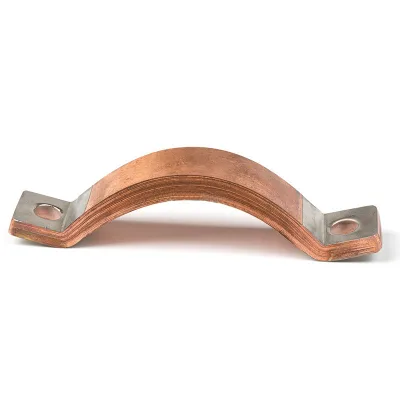
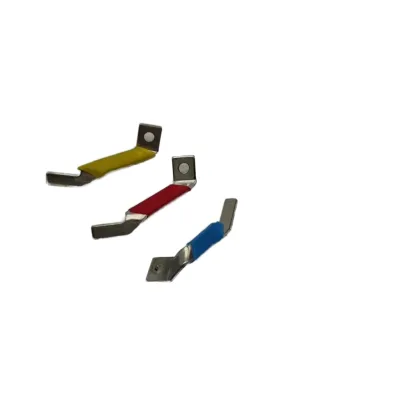
Procuring flexible flat battery busbars requires a clear understanding of the specific electrical and mechanical demands of your power system or charging infrastructure. These components serve as critical conductive links, often designed to accommodate movement and vibration in automotive or machinery applications. Buyers must distinguish between rigid copper bars and flexible variants, as the latter offers superior adaptability for complex assembly layouts while maintaining low resistance. The market offers various configurations, including those with electroplating or nickel plating to enhance conductivity and corrosion resistance.
When initiating a search, buyers should verify that the supplier explicitly supports customization for thickness, width, and cell spacing, as these dimensions directly impact current carrying capacity and fitment. The observed product range includes materials like copper, stainless steel, and aluminum, each offering distinct trade-offs between weight, cost, and conductivity. It is essential to confirm that the supplier can produce models like the CB-006 or BS14 series with tolerances as tight as 0.02mm, ensuring precise alignment within tight battery packs.
Product Scope and Observed Listing Signals
The available product listings indicate a strong focus on cold stamping and forming processes, which are vital for creating the intricate geometries required in modern battery modules. Suppliers typically offer these parts with high-temperature resistance and excellent weldability, attributes that are non-negotiable for safety-critical energy storage systems. The observed data suggests that many vendors provide samples free of charge, allowing buyers to validate the physical properties and surface finish before committing to a larger order volume.
Buyers should note that while some listings mention a minimum order quantity of 1000 pieces, others indicate flexibility down to single units, reflecting a tiered pricing structure based on volume. The packaging is generally standardized as cartons, though custom requests are often accommodated to protect delicate components during transit. It is crucial to verify the specific application scope, as these busbars are frequently utilized in automotive, agriculture, and furniture sectors, each demanding different durability standards.
Technical Specifications to Verify
Technical verification must begin with the material composition and surface treatment, as these factors dictate the electrical efficiency and lifespan of the busbar. The supplied facts confirm that copper is the primary material, often subjected to electroplating or nickel plating to prevent oxidation and ensure reliable connections. Buyers should explicitly request test data regarding the tolerance levels, as the observed standard of 0.02mm is critical for maintaining consistent contact pressure in high-voltage environments.
Dimensional flexibility is another key area where specifications must be rigorously checked against your design requirements. The ability to customize thickness from 0.1mm to 30mm and width to exact specifications allows for optimization of space and current density. Additionally, the press capabilities of the supplier, ranging from 16 to 300 tons, determine the complexity of the forming process they can execute. Ensuring the supplier has in-house die-making capabilities is essential for maintaining tight tolerances and reducing lead times for custom tooling.
Compliance and Safety Documentation
Compliance documentation is the foundation of any safe procurement strategy, particularly for components integrated into power and charging systems. The observed certifications include ISO9001:2015, RoHS, and SGS, which indicate a baseline commitment to quality management and environmental safety. Buyers must ensure that the specific batch of products carries valid certificates for the relevant standards, such as ASTM or JIS, depending on the target market regulations.
Safety verification extends beyond general certifications to specific material compliance and chemical restrictions. The presence of REACH and CE certifications suggests adherence to strict chemical and safety regulations, which is vital for automotive and consumer electronics applications. It is imperative to request the full certificate of conformity for each shipment to verify that the materials used, such as the copper or plating layers, meet the declared standards without containing prohibited substances.
Cost Drivers and Commercial Terms
Cost structures for flexible flat battery busbars are heavily influenced by the complexity of the customization and the volume of the order. While the observed price range is broad, from $0.09 to $1000, the final unit cost depends significantly on the thickness, surface treatment, and the precision of the tolerances required. Buyers should anticipate that higher precision requirements, such as the 0.02mm tolerance, will incur a premium compared to standard industrial tolerances.
Commercial terms regarding lead time and delivery are equally critical for supply chain planning. The standard lead time for production is often cited as 3-5 work days, but sample delivery may take 7-15 days, and bulk orders depend on the specific quantity requested. Shipping methods vary from sea to air or express, with costs fluctuating based on urgency and weight. It is advisable to clarify the delivery time terms explicitly, as some suppliers state that delivery is "according to the quantity," which can introduce variability in scheduling.
Supplier Qualification and Quality Control
Supplier qualification should prioritize those with demonstrated in-house capabilities for die making and deep drawing, as these processes ensure consistency in the final product. The ability to support OEM and ODM services indicates a supplier's flexibility in adapting to unique design files provided in formats like CAD, Solidworks, or PDF. Buyers should verify that the supplier has a robust quality control system that aligns with their ISO9001:2015 certification, ensuring that every batch meets the specified mechanical and electrical standards.
Quality control checks must also include the verification of the fine blanking process, which is noted as a multi-position capability in the observed listings. This process is essential for achieving the clean edges and precise dimensions required for high-performance battery assemblies. Buyers should request a quality assurance plan that details how the supplier inspects for defects in the forming process and surface treatment, ensuring that the final product is free from burrs or plating inconsistencies that could lead to failure.
Long-Term Procurement Checks
Establishing a long-term partnership requires regular audits of the supplier's ability to maintain consistent quality and delivery performance over time. Buyers should implement a schedule for periodic re-verification of certifications and material traceability to ensure that the supplier continues to meet the evolving standards of the industry. The flexibility of the supplier to handle custom requests and adapt to design changes is a key indicator of their suitability for long-term collaboration.
Finally, buyers must monitor the supplier's capacity to scale production as demand grows, ensuring that their press capabilities and stamping capacity can handle increased volumes without compromising quality. The availability of free samples for new designs allows for continuous testing and validation of new product iterations. Maintaining open communication regarding file formats and drawing requirements ensures that the supplier can quickly adapt to new engineering challenges, securing a reliable supply chain for future projects.
FAQs
What is the standard thickness range for flexible copper busbars?
The standard thickness range for flexible copper busbars is 0.1mm to 30mm. Buyers can also request custom thicknesses to meet specific design requirements. This flexibility allows for precise engineering in power and charging systems where space and current capacity are critical factors.
Can flexible flat battery busbars be customized for specific applications?
Yes, flexible flat battery busbars support full customization for width, cell spacing, and overall dimensions. Suppliers accept OEM and ODM orders, allowing buyers to provide CAD, Solidworks, or PDF files. This ensures the final product matches exact mechanical and electrical specifications for automotive or machinery use.
What surface treatments are available for flexible copper busbars?
Common surface treatments include electroplating and nickel plating. These processes enhance corrosion resistance and improve weldability, which is essential for spot welding applications. The choice of treatment depends on the operating environment and the specific electrical connection requirements of the battery system.
What is the typical lead time for Flexible Flat Battery Busbar orders?
Standard production lead times are typically 3 to 5 work days for ready-to-ship items. However, delivery time for custom orders depends on the quantity and complexity of the design. Sample delivery usually takes 7 to 15 days, allowing buyers to verify quality before committing to bulk production.
Which certifications are commonly associated with flexible copper busbar suppliers?
Suppliers often hold ISO9001:2015, RoHS, and SGS certifications. Some may also provide ISO, JIS, GB, REACH, or CE compliance documentation. These certifications indicate adherence to international quality and safety standards, which is crucial for automotive and industrial applications requiring strict regulatory compliance.
What is the minimum order quantity for flexible flat battery busbars?
The minimum order quantity is typically 1000 pieces for standard production runs. However, suppliers may offer free samples for initial evaluation. Buyers should confirm specific MOQ requirements with the supplier, as custom designs or small-batch trials may have different quantity thresholds or pricing structures.
How are flexible flat battery busbars typically packaged for shipping?
Flexible flat battery busbars are usually packed in cartons for standard shipments. However, packaging can be customized according to buyer requests to ensure safe transport. Options include sea, air, or express shipping methods, depending on the urgency and volume of the order.