Source Flip Flop Charms for Clogs, Sandals, and Shoes
Compare 30 listings for Flip Flop Charms made from soft PVC or rubber. Buyers can evaluate options by size, color, and customization features like custom logos and packaging types for footwear decoration.
Key considerations
Products List
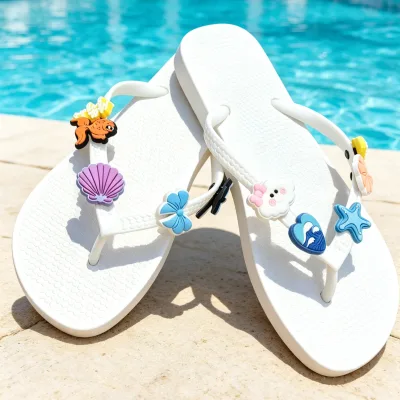
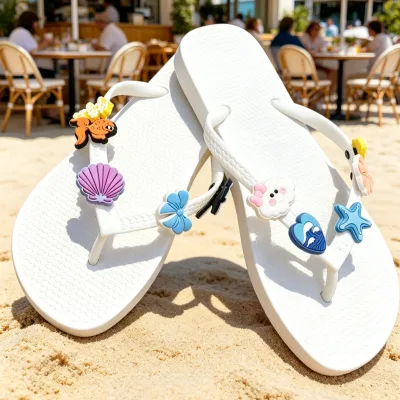
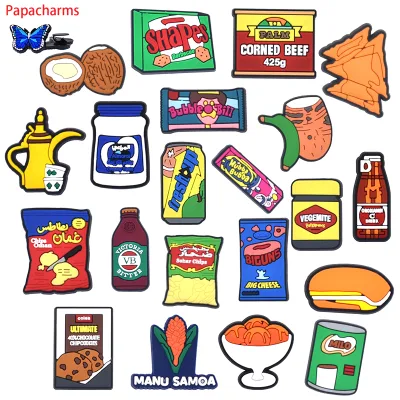
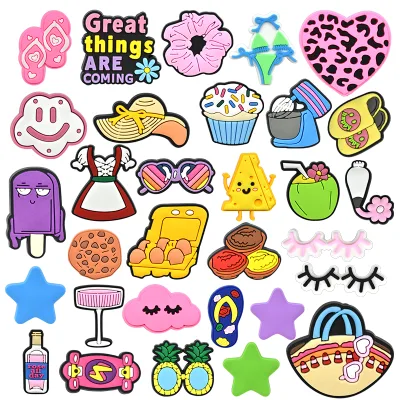


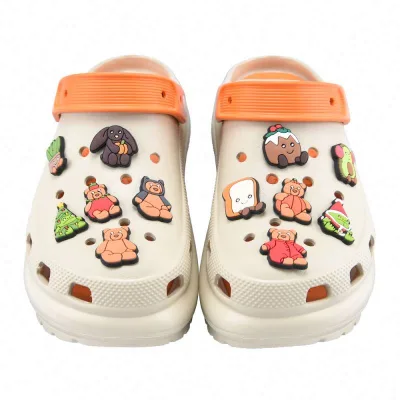
Inspired Clogs Accessories Women Fashion Shoe Charms Designer Clogs Charms
$0.06 - $0.12
MOQ: 500 Pieces
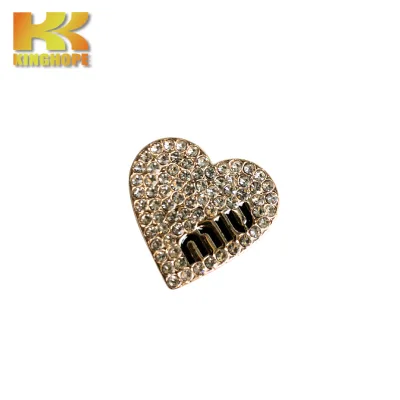
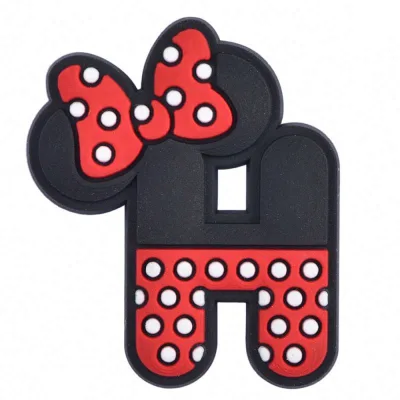
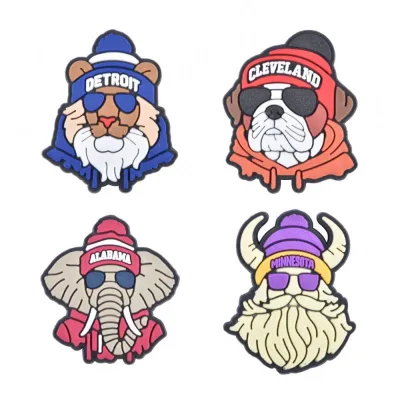
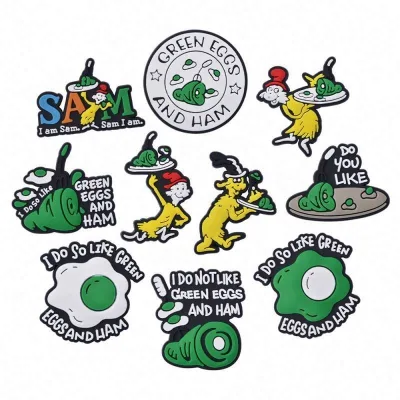
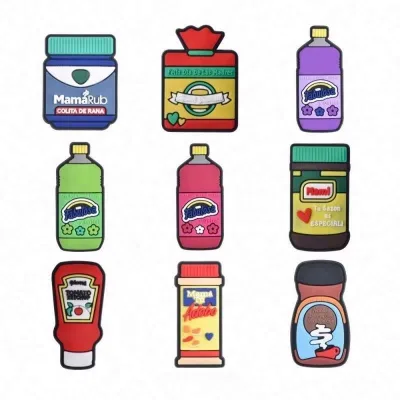
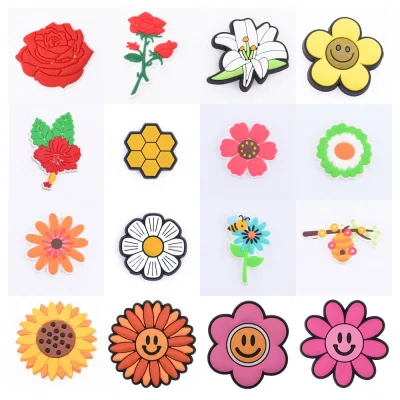
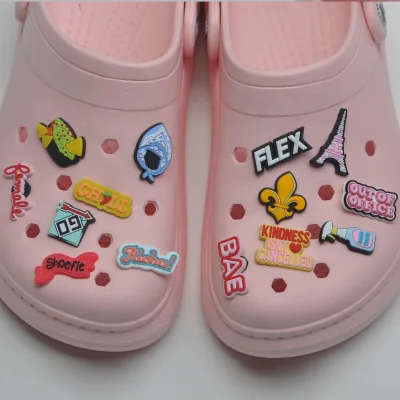
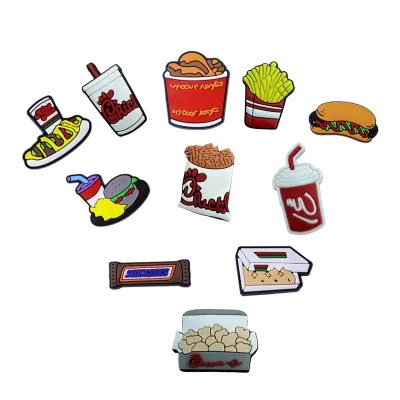


Comprehensive Sourcing Guide
Strategic Sourcing Guide for Flip Flop Charms
Understanding Product Specifications and Material Variability
When sourcing Flip Flop Charms, buyers must first navigate the inherent variability in product specifications found within the current market. The core product category encompasses shoe ornaments, charms, and buckles designed to attach to footwear, specifically targeting clogs, flip flops, and casual shoes. A critical observation from available market data indicates that material composition is not uniform across all listings. Buyers will encounter products constructed from soft PVC, rubber, and other polymers. The selection of material directly influences the tactile feel, durability, and safety profile of the final accessory. For instance, soft PVC is frequently cited as a primary material, offering flexibility suitable for decorative purposes, while rubber variants are noted for their washability and robustness.
Size specifications also present a significant range of variation that requires precise definition during the procurement process. Market observations reveal size dimensions ranging from compact 2.5 to 3 cm units to slightly larger variants measuring 2.5 to 3.5 cm. Some listings specify a standard size, while others provide precise measurements such as 1.5 x 1.5 x 1 cm for the product standard or 2 x 2 x 1 cm for single package dimensions. The weight of individual units is equally variable, with observed values ranging from approximately 2.3 grams per piece to a gross weight of 0.03 kg per unit. This discrepancy suggests that "standard" sizing is not a fixed industry metric but rather a variable dependent on the specific design complexity and material density. Buyers must explicitly define their required dimensions in the purchase order to avoid receiving mismatched inventory.
Furthermore, the attachment mechanism and design intent vary. While some products are marketed broadly as "shoe charms" or "ornament accessories," others specify the decoration part as the "vamp" of the shoe, indicating a specific placement on the upper part of the footwear. The style is generally categorized as customizable, with options for custom logos and designs. Color availability is another area of divergence; some suppliers offer a fixed list of color codes (such as XKZ-801 series or XKZ-861 series), while others state that colors are "as pictures" or require direct contact for the latest catalog. This lack of standardization necessitates a rigorous review of visual samples before committing to a bulk order.
Compliance, Certification, and Safety Verification
In the realm of footwear accessories, particularly those intended for general consumer use, compliance and safety standards are paramount. Although specific certification documents are not universally listed in the provided product data, buyers must treat the absence of explicit certification claims as a risk factor requiring immediate verification. Products made from PVC and rubber are subject to strict regulations regarding chemical composition, particularly concerning phthalates, heavy metals, and other hazardous substances.
Buyers should verify that the manufacturing facility adheres to international safety standards relevant to the target market. For children's footwear accessories, or even general adult accessories, compliance with standards such as EN71 (European safety of toys) or ASTM F963 (US standard consumer safety specification for toy safety) is often expected, even if the product is not explicitly labeled as a toy. The "washable" feature mentioned in some product attributes implies that the material must withstand exposure to water and detergents without degrading or releasing harmful chemicals. This functional claim requires validation through laboratory testing.
Furthermore, the origin of the product plays a role in compliance. A significant portion of the observed supply chain originates from Fujian, China. While this region is a major manufacturing hub, it does not guarantee compliance with specific destination market regulations. Buyers must request test reports from the supplier that correspond to the specific regulations of their import country. For example, if importing into the European Union, the supplier must provide proof of REACH compliance. If importing into the United States, proof of CPSIA compliance is essential. The procurement strategy must include a clause requiring the submission of valid third-party test certificates prior to the finalization of the order. Without these documents, the risk of customs detention or product recalls increases significantly.
Cost Drivers and Pricing Structure Analysis
The pricing structure for Flip Flop Charms is influenced by several dynamic factors, primarily material costs, order volume, and customization requirements. The observed price range in the market spans from $0.02 to $9.15 USD per unit. This wide disparity is not indicative of a single product tier but rather reflects the complexity of the design, the material used, and the level of customization. The lower end of the price spectrum typically corresponds to simple, unbranded rubber or PVC charms with standard colors and no custom logos. Conversely, the higher price points are associated with intricate designs, custom branding, or specialized materials that may command a premium.
Minimum Order Quantity (MOQ) is a critical cost driver that directly impacts the unit price. Market data shows an MOQ range from 2 pieces to 1,000 pieces, with specific high-confidence observations indicating MOQs of 100 pieces, 500 pieces, or 500 pieces for specific models. Suppliers often employ a tiered pricing model where the unit cost decreases as the order volume increases. A buyer ordering the minimum MOQ of 2 pieces will likely face a significantly higher per-unit cost compared to a buyer ordering 1,000 pieces. Therefore, the total cost of ownership must be calculated by considering the trade-off between inventory holding costs and the savings achieved through volume discounts.
Customization is another major factor influencing cost. The availability of custom logos and designs is a common feature, but it invariably adds to the production cost. This includes the setup costs for mold creation or screen printing, as well as the additional labor time required for the custom application. Suppliers may charge a separate fee for custom logo placement, which is often listed as "acceptable" or "provided" but not always included in the base unit price. Buyers must clarify whether the quoted price includes the cost of the custom tooling or if it is a one-time setup fee. Additionally, the payment terms, which include options like Alibaba, Western Union, T/T, PayPal, and Money Gram, can affect the final cost through transaction fees or currency exchange rates, though these are generally secondary to the base product cost.
Typical Applications and Market Segmentation
Flip Flop Charms serve a diverse range of applications, extending beyond simple footwear decoration to become a form of personal expression and fashion accessory. The primary application is as a decorative element for clogs and flip flops, allowing consumers to personalize their footwear. The "vamp" decoration part suggests that these charms are specifically designed to attach to the upper strap area of the shoe, enhancing the aesthetic appeal without compromising the structural integrity of the footwear.
The market segmentation for these products is broad, targeting various demographics. While some listings specify the gender as "Other" or "Unisex," the nature of the product appeals to a wide audience, including children, teenagers, and adults. The "shoe charm" and "shoe ornament accessories" keywords indicate a focus on the fashion and lifestyle sector. The customization options, such as custom logos, make these products particularly attractive for corporate branding, promotional events, and souvenir manufacturing. Companies often use these charms as low-cost marketing tools, distributing them at trade shows or as part of a promotional package.
Furthermore, the "washable" feature highlights a practical application for consumers who require durable accessories that can withstand regular wear and cleaning. This makes them suitable for summer wear, beach activities, and casual outdoor use. The variety of colors, ranging from specific coded series to "as pictures" options, allows buyers to cater to seasonal trends and color preferences. The ability to customize the design also opens up opportunities for niche markets, such as sports teams, schools, or hobby groups, who may want to create unique charms that reflect their identity.
Supplier Evaluation and Selection Criteria
Selecting the right supplier for Flip Flop Charms requires a rigorous evaluation process that goes beyond the basic product listing. The first step is to verify the supplier's location and production capabilities. With a high concentration of suppliers in Fujian, China, buyers should confirm the specific factory location to ensure it aligns with their logistical preferences. The supplier's ability to handle customization is a key differentiator. Buyers should inquire about the supplier's experience with custom logos and designs, asking for examples of previous work to assess the quality of their printing or molding techniques.
Communication and responsiveness are also critical indicators of supplier reliability. The variability in product descriptions, such as the difference between "as pictures" and specific color codes, suggests that clear communication is essential to avoid misunderstandings. Buyers should evaluate the supplier's willingness to provide detailed catalogs, samples, and technical specifications. The availability of free samples, as noted in some product attributes, is a positive indicator that allows buyers to physically inspect the product quality before placing a large order.
Payment terms and methods should be reviewed carefully. While options like T/T, PayPal, and Western Union are common, buyers should assess the security of the transaction. Using platforms like Alibaba can offer additional protection through escrow services. The supplier's flexibility in handling different payment methods can also indicate their experience with international trade. Finally, the supplier's ability to meet the MOQ requirements is crucial. Buyers must ensure that the supplier can accommodate their desired order volume without compromising on quality or lead time.
Quality Control and Long-Term Procurement Considerations
Implementing a robust quality control (QC) strategy is essential for maintaining product consistency and customer satisfaction. Given the observed variability in size, weight, and material, buyers should establish clear acceptance criteria before production begins. This includes defining the acceptable range for dimensions (e.g., 2.5-3 cm), weight tolerances, and color accuracy. A pre-production sample approval process is highly recommended to ensure that the final product matches the buyer's expectations.
For long-term procurement, buyers should consider the scalability of the supplier's production capacity. As demand grows, the supplier must be able to increase output without sacrificing quality. The lead time for production and shipping should be clearly defined and agreed upon in the contract. The "express/standard" shipping options available suggest that buyers have flexibility in choosing their delivery method based on urgency and cost. However, buyers should also consider the potential for supply chain disruptions and have contingency plans in place.
Sustainability and ethical sourcing are becoming increasingly important in the footwear accessory market. Buyers should inquire about the supplier's environmental policies, particularly regarding the disposal of waste and the use of eco-friendly materials. While specific sustainability certifications are not mentioned in the provided data, asking about these practices can help identify suppliers who are committed to responsible manufacturing. Additionally, maintaining a strong relationship with the supplier can lead to better pricing, priority production, and access to new designs. Regular audits and quality checks should be scheduled to ensure that the supplier continues to meet the required standards over time.
Comparison of Key Product Attributes
To facilitate a clearer understanding of the market landscape, the following table summarizes the key attributes observed across different product listings. This comparison highlights the variability that buyers must navigate when sourcing Flip Flop Charms.
| Attribute | Observation A | Observation B | Observation C |
|---|---|---|---|
| Material | Soft PVC | Rubber | Rubber / PVC |
| Size | 2.5-3 cm | 2.5-3.5 cm | Standard Size |
| Weight | ~2.3g/pcs | 0.03 kg (Gross) | 0.003 kg (Gross) |
| MOQ | 100 PCS | 500 PCS | 500 pieces |
| Custom Logo | Acceptable | Provided | Available |
| Color Options | As Pictures | Specific Codes (XKZ series) | Standard Color |
| Origin | Fujian, China | Fujian, China | Fujian, China |
| Packaging | OPP Bags | OPP Bag | OPP Bag |
| Usage | Shoe Decoration | Clogs Shoe | Shoe Ornament |
This table underscores the necessity for buyers to specify their requirements clearly. The differences in size, weight, and color options mean that a "one-size-fits-all" approach to sourcing is ineffective. By understanding these variations, buyers can make informed decisions that align with their specific product needs and market demands.
FAQs
What materials are used for Flip Flop Charms?
Flip Flop Charms are commonly made from soft PVC or rubber. These materials offer flexibility and durability, with rubber variants noted for being washable and robust enough for regular wear.
Can I order custom logos on these charms?
Yes, custom logos are acceptable and provided by many suppliers. Buyers should clarify if setup fees apply for mold creation or printing, as customization often adds to the base unit cost.
What is the typical MOQ for these products?
The minimum order quantity varies, with common values of 100, 500, or 1000 pieces. Buyers must verify the specific MOQ for their chosen model to ensure it aligns with their inventory needs.
Where are these charms typically manufactured?
Most products originate from Fujian, China, a major manufacturing hub for footwear accessories. Buyers should confirm the specific factory location to ensure it meets their logistical and compliance requirements.
How are the charms packaged for shipping?
Individual items are typically packed in OPP bags. The single package size is often around 2x2x1 cm, with a gross weight of approximately 0.03 kg per unit for standard designs.
What size range do these shoe charms come in?
Sizes generally range from 2.5 to 3.5 cm, though some listings specify standard sizes. Buyers should define exact dimensions in their purchase order to avoid receiving mismatched inventory due to design variability.