Source Flip Design Smart Remote Switch for Home, Office, and Appliance
Compare 30 Flip Design Smart Remote Switch options from verified Chinese manufacturers. Buyers can evaluate specifications like voltage, control distance, and installation methods for decoration, furniture, and electronics applications.
Key considerations
Products List




Comprehensive Sourcing Guide
Flip Design Smart Remote Switch Sourcing Guide
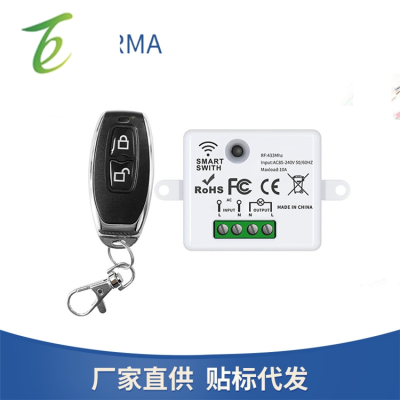
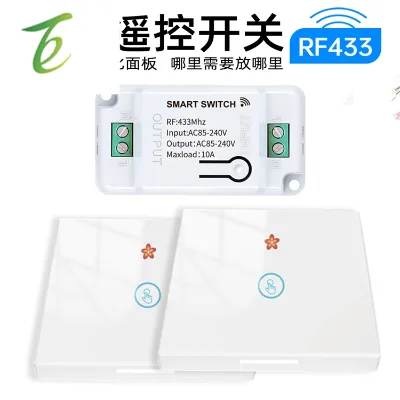
Sourcing flip design smart remote switches requires a nuanced understanding of both the mechanical actuation style and the underlying wireless communication protocols. These devices typically combine a tactile physical interface with remote control capabilities, allowing users to toggle connected loads via a handheld transmitter or a wall-mounted panel. The "flip" mechanism often refers to a specific aesthetic or functional design where the switch cover or button operates with a distinct snapping action, providing clear tactile feedback. Buyers must distinguish between simple mechanical remotes and true smart switches that integrate into broader home automation ecosystems, as the procurement strategy and technical verification steps differ significantly between these two categories.
The market for these components is diverse, ranging from basic RF-based remote sockets to complex Wi-Fi enabled wall switches. Procurement teams need to evaluate the specific use case, whether it is for residential lighting control, appliance management, or industrial equipment monitoring. The observed product landscape includes models with varying voltage ratings, current capacities, and communication distances. Understanding these variations is critical for selecting the right component for a specific project, ensuring that the chosen switch can handle the electrical load and communicate reliably within the intended environment.
Product Scope and Observed Listing Signals
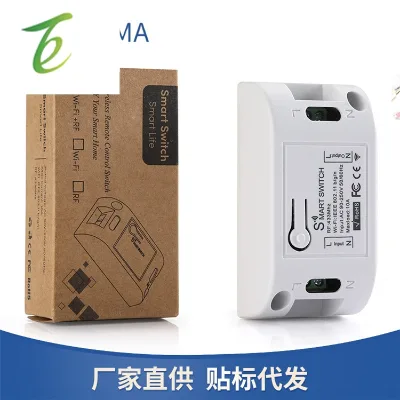
The current market listings reveal a wide spectrum of product types under the broad category of remote-controlled switches. Observed models include specific identifiers such as TY66072, KA1, KY-CZ01, YK-002, D09/B09, KY-001, and generic labels like "WIFI" or "wifi switch." These models vary significantly in their physical dimensions and packaging. For instance, some units are packaged in standard cartons with dimensions like 1495cm, while others require more robust packaging such as carton-plywood cases or cardboard boxes. The physical form factors also differ, with some switches being square and measuring 8686mm or 85.5mm85.5mm*85.5mm, indicating compatibility with standard wall boxes, while others may have different mounting requirements.
Price and minimum order quantity (MOQ) signals suggest a highly competitive market with significant variability. The observed price range spans from $0.2 to $266.3 USD, reflecting the disparity between basic RF remote sockets and more advanced smart home integration devices. Similarly, MOQs range from 1 to 500 units, catering to both small-scale prototyping and large-scale industrial procurement. Buyers should note that customization is available across many listings, allowing for tailored solutions regarding branding, packaging, or specific technical adjustments. The origin of these products is primarily China, with specific mentions of regions like Sanmen, Zhejiang, and Guangdong, which are known manufacturing hubs for electronic components.
Technical Specifications to Verify
When evaluating technical specifications, the communication protocol is a primary differentiator. Some models utilize RF (Radio Frequency) technology with specific encoding formats, such as 1527 Encoding Format, offering control distances ranging from 30 to 100 meters. These are suitable for applications where line-of-sight is not guaranteed or where simple, robust remote control is needed without network dependency. In contrast, other models are labeled as "WIFI" or "Smart," indicating integration with IP-based networks. These devices often support dual control modes, allowing for both manual operation and remote activation, and may be designed to work within a larger smart home system. Buyers must verify the specific network requirements and compatibility with existing infrastructure.
Electrical and environmental specifications are equally critical for ensuring long-term reliability. Voltage and current ratings vary, with some switches supporting a wide operating voltage range of 24V-260V, while others are rated for specific inputs like AC220V. Current capacity is another key factor, with some models rated for up to 10A. The operating temperature range is typically specified between -20℃ and 60℃ or 70℃, which is important for installations in environments with extreme temperature fluctuations. Additionally, the power source for the remote control unit itself must be considered; some rely on batteries, while others are hardwired. Buyers should also check the protection rating and material composition, such as plastic housings, to ensure durability and safety.
Compliance and Safety Documentation
Compliance with regional safety standards is non-negotiable for electrical components. Buyers must verify that the switches carry appropriate certifications for their target markets. Observed listings mention certifications such as RoHS and CE, which indicate compliance with environmental and European safety standards, respectively. However, the presence of these certifications on a listing does not guarantee validity for every unit or batch. Procurement teams should request valid test reports and certificates from recognized third-party laboratories. It is also important to check for other relevant standards, such as IEC 62368, which pertains to audio/video, information, and communication technology equipment safety, although this should be verified against the specific product type.
Guarantees and warranty terms provide an additional layer of security for buyers. Some suppliers offer a 3-year guarantee, which can be a significant indicator of product quality and supplier confidence. However, the scope of this guarantee should be clearly defined, covering defects in materials and workmanship versus wear and tear. Buyers should also inquire about the return policy and the process for handling defective units. Ensuring that the supplier has a clear and responsive after-sales support structure is essential, especially for large orders or long-term supply agreements. Documentation should include user manuals, installation guides, and technical datasheets that are available in the required languages.
Cost Drivers and Commercial Terms
Several factors influence the final cost of flip design smart remote switches. The complexity of the internal circuitry, the quality of the RF module or Wi-Fi chip, and the durability of the mechanical switch mechanism are primary cost drivers. Models with advanced features, such as dual control modes or integration with smart home ecosystems, typically command higher prices. Packaging also plays a role; custom packaging or more robust materials like plywood cases can increase costs. Buyers should analyze the total cost of ownership, including shipping, tariffs, and potential customs duties, rather than focusing solely on the unit price.
Commercial terms such as payment methods, lead times, and shipping arrangements are critical for supply chain planning. While specific lead times are not provided in the observed data, buyers should negotiate clear delivery schedules, especially for large orders. Payment terms should be structured to mitigate risk, such as using letters of credit or escrow services for initial transactions. Volume discounts may be available for orders exceeding certain thresholds, so buyers should leverage their projected annual requirements to negotiate better pricing. It is also important to clarify who is responsible for logistics and insurance during transit to avoid unexpected costs or delays.
Supplier Qualification and Quality Control
Supplier qualification is a crucial step in mitigating procurement risk. Buyers should conduct thorough due diligence on potential suppliers, verifying their business licenses, manufacturing capabilities, and quality management systems. Suppliers located in established manufacturing hubs like Zhejiang and Guangdong may have access to better supply chains and skilled labor. However, location alone is not a guarantee of quality. Buyers should request samples to evaluate the build quality, tactile feel of the flip mechanism, and reliability of the remote control function. Testing samples under real-world conditions can reveal potential issues with signal strength, battery life, or mechanical durability.
Quality control processes should be clearly defined and agreed upon before production begins. Buyers should inquire about the supplier's incoming material inspection, in-process quality checks, and final random inspection procedures. Defining acceptable quality limits (AQL) for defects is essential for ensuring consistent product quality. For large orders, considering third-party inspection services can provide an additional layer of assurance. Buyers should also assess the supplier's ability to handle variations and deviations, ensuring that any changes in materials or components are communicated and approved in advance. Building a strong relationship with the supplier can facilitate better communication and problem resolution throughout the procurement process.
Long-Term Procurement Checks
Long-term procurement success depends on continuous monitoring and evaluation of supplier performance. Buyers should establish key performance indicators (KPIs) such as on-time delivery rate, defect rate, and responsiveness to issues. Regular audits, whether virtual or on-site, can help ensure that the supplier maintains consistent quality standards and adheres to agreed-upon terms. Feedback from end-users or installation teams can provide valuable insights into the product's performance in the field, highlighting any recurring issues or areas for improvement.
As technology evolves, buyers should stay informed about emerging trends in smart home and remote control technologies. This includes advancements in communication protocols, energy efficiency, and integration capabilities. Maintaining a diversified supplier base can mitigate risks associated with single-source dependencies. Regularly reviewing and updating procurement specifications ensures that the purchased products remain aligned with current market standards and customer expectations. By proactively managing these aspects, buyers can secure a reliable supply of high-quality flip design smart remote switches that meet their long-term business needs.
FAQs
What customization options are available for these switches?
Customization is available for these products to meet specific buyer requirements. The items support various applications including decoration, furniture, and electronics, allowing tailored solutions for different installation needs.
Which certifications do the smart remote switches hold?
The products hold RoHS and CE certifications to ensure safety and compliance. These standards verify that the electrical components meet international requirements for environmental protection and electrical safety in various markets.
How is the remote control socket installed on a wall?
The remote control socket is designed for wall-mounted installation methods. This ensures a secure and stable fit within standard electrical setups while maintaining the square shape and compact dimensions of the unit.
What is the maximum voltage rating for these devices?
The maximum voltage rating for these devices is 220V. This specification ensures compatibility with standard electrical systems while supporting the operational voltage range of 24V to 260V for versatile usage scenarios.
Can these switches operate in extreme temperatures?
Yes, these switches can operate in temperatures ranging from -20 to 70 degrees Celsius. This wide operating range ensures reliable performance in various environmental conditions without compromising the internal electronic components.
What is the control distance for the remote function?
The control distance for the remote function ranges from 30 to 100 meters. This effective range allows for convenient operation of connected devices from a significant distance within residential or commercial spaces.
Which packing methods are used for these products?
Products are packed in cartons, cardboard boxes, or plywood cases depending on the model. These packaging options ensure safe transport and protection of the switches during shipping to international destinations.
What is the origin location of these smart switches?
The products originate from locations including Sanmen, Zhejiang, and Guangdong in China. These manufacturing hubs provide access to established supply chains and production capabilities for high-quality electronic components.