Source Floating Guppy Fish Food for tanks, ponds, and breeding
Explore 30 listings for Floating Guppy Fish Food suitable for aquariums, ponds, and breeding programs. Buyers can compare protein levels, pellet sizes, and packaging options from verified suppliers in China.
Key considerations
Products List


Frozen Seafood, Giant Squid Fillet, Seafood Calamari Squid Sotong Fillet
$2000.00 - $5000.00
MOQ: 5 Tons


Fish Feed Machine Pet Food Machine Floating Fish Food Sinking Fish Food Production
$34000.00 - $35600.00
MOQ: 1 Sets


Large Scale Fish Farm Fish Feed Plant Floating & Sinking Fish Feed Machine
$1400.00 - $100000.00
MOQ: 1 Sets


Automatic Floating Fish Feed Food Producing Equipment Machine Plant
$25000.00 - $60000.00
MOQ: 1 Pieces


Comprehensive Sourcing Guide
Strategic Sourcing Guide for Floating Guppy Fish Food
The global aquatic feed market presents a complex landscape for procurement professionals seeking specialized nutrition for ornamental fish. When sourcing Floating Guppy Fish Food, buyers must navigate a variety of product formulations, regulatory environments, and supply chain dynamics. The core requirement for guppy nutrition involves a diet that supports rapid growth, vibrant coloration, and digestive health, often necessitating floating formulations to accommodate the surface-feeding habits of this species. This guide synthesizes available market data and technical specifications to provide a disciplined framework for evaluating potential suppliers and products.
Technical Specifications and Formulation Analysis
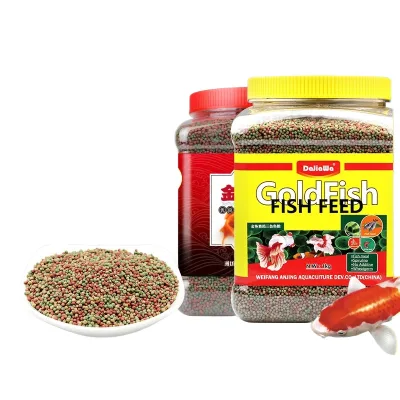
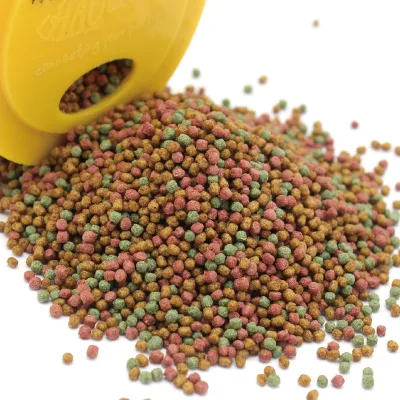
The technical profile of floating guppy food is defined by specific physical and nutritional parameters that distinguish it from sinking feeds or general-purpose fish meals. A critical observation in the current market is the prevalence of "triple nutrition" formulations, which often combine protein sources with essential vitamins and minerals. For guppies, the particle size is a primary determinant of suitability. Available data indicates specific granule sizes such as 1.5mm and 3.0mm, which are critical for matching the mouth size of guppies at different life stages. Smaller particles, such as the 1.5mm variant, are generally preferred for fry or juvenile guppies, while larger 3.0mm pellets may suit adult specimens.
Nutritional composition is equally vital. High-protein content is a standard requirement for active, small-breed aquatic pets. Market listings frequently cite protein levels around 45% or higher, derived from ingredients like fish meal. The presence of specific additives, such as brine shrimp and spirulina, is common in premium formulations designed to enhance coloration and immune response. The physical property of floating is achieved through extrusion processes that create air pockets within the pellet, ensuring the food remains on the water surface for a duration that allows guppies to consume it before it sinks and decomposes.
Buyers must verify the moisture content, as excessive water can lead to rapid spoilage and reduced shelf life. Observed specifications suggest moisture levels around 6%, which is a benchmark for stability in dry feed. Furthermore, the packaging dimensions and gross weight are essential for logistics planning. Standard single package sizes observed in the market range from compact units of 20x15x15 cm to larger cartons measuring 45x33x30 cm, with gross weights varying significantly from 1.0 kg to 20.0 kg depending on the bulk configuration.
Compliance and Certification Verification
In the B2B procurement of animal feed, regulatory compliance is non-negotiable. The supply chain for aquatic food products often traverses international borders, necessitating adherence to strict safety and quality standards. Suppliers in major production hubs, such as Fujian and Shandong in China, are frequently required to demonstrate compliance with international food safety management systems.
Key certifications to verify include HACCP (Hazard Analysis and Critical Control Points), which is essential for identifying and controlling biological, chemical, and physical hazards in the production process. Additionally, ISO certifications indicate a commitment to standardized quality management. For markets with stringent import regulations, such as the European Union or the United States, buyers should look for BRC (British Retail Consortium) and FDA (Food and Drug Administration) compliance. Some listings also reference EU APPA standards, which may be relevant for specific regional market access.
It is imperative for buyers to request current, valid certificates rather than relying on historical claims. The presence of these certifications should be cross-referenced with the specific facility where the product is manufactured. Furthermore, the processing method, such as IQF (Individually Quick Frozen) for frozen alternatives or specific extrusion techniques for dry food, must be documented to ensure the product meets the intended storage and usage requirements.
Cost Drivers and Pricing Structures
The pricing of Floating Guppy Fish Food is influenced by a confluence of factors, including raw material costs, processing complexity, and packaging requirements. The observed price range in the market is exceptionally broad, spanning from $0.80 to $100,000 USD. This variance reflects the difference between small retail units and massive industrial bulk orders. For procurement professionals, understanding the cost drivers is essential for budgeting and negotiation.
Raw material quality is a primary cost driver. Ingredients such as high-grade fish meal, spirulina, and brine shrimp are more expensive than generic fillers. Products featuring "triple nutrition" or specific protein percentages (e.g., 45% protein) will command a premium over basic formulations. Packaging also plays a significant role; bulk packaging in large cartons reduces the unit cost compared to single-item retail packaging.
The Minimum Order Quantity (MOQ) is another critical factor affecting the effective cost per unit. Market data shows MOQs ranging from 1 unit to 1,000 units, with specific bulk requirements often set at 100 kg. Suppliers with higher supply abilities, such as 22 tons or 50,000 kilograms per month, may offer more competitive pricing for large-volume contracts. Payment terms, such as a 30% T/T advance, also impact cash flow and should be factored into the total cost of ownership. Buyers should analyze the total landed cost, including shipping from ports like Qingdao, rather than focusing solely on the ex-works price.
Typical Applications and Usage Scenarios
Floating Guppy Fish Food is designed for specific applications within the ornamental fish industry. The primary application is the daily feeding of guppies in home aquariums, public aquariums, and commercial breeding facilities. The floating nature of the feed is particularly advantageous for guppies, which are surface feeders. This characteristic allows aquarists to monitor consumption levels easily, ensuring that the fish are eating adequately without the feed sinking and fouling the water.
The product is applicable to various life stages, from fry to adult fish, provided the particle size is adjusted accordingly. The "All Life Stage" designation found in some specifications suggests a versatile formulation, though the particle size remains the limiting factor for very young fry. Special diets, such as high-protein options, are often utilized during breeding seasons or growth spurts to maximize reproductive success and color development.
In commercial settings, the shelf life of the product is a critical consideration. With observed shelf lives ranging from 2 to 3 years, suppliers must ensure proper storage conditions to maintain quality. For frozen alternatives, a storage temperature of -18°C is required to preserve the nutritional integrity of ingredients like brine shrimp. The packaging details, such as cartons and bags, must be robust enough to protect the feed from moisture and light, which can degrade vitamins and fats over time.
Supplier Evaluation and Supply Chain Capabilities
Evaluating a supplier for Floating Guppy Fish Food requires a deep dive into their operational capabilities and track record. The supply base is concentrated in specific regions, with notable activity in Fujian and Shandong provinces in China. Buyers should verify the "Place of Origin" to ensure it aligns with their quality expectations and logistical preferences.
Key metrics for supplier evaluation include supply ability and lead time. A supplier capable of delivering 50,000 kilograms per month offers significantly more stability than one with a 22-ton monthly capacity. Lead times, typically ranging from 7 to 15 days, must be factored into inventory planning. The port of dispatch, such as Qingdao, is a logistical hub that can influence shipping costs and transit times.
The brand name and product model number are also useful identifiers. While some suppliers operate under generic names like "bulk," others may have established brand identities. Model numbers, such as a20150513 or 54364326, serve as unique identifiers for specific product lines, allowing buyers to track consistency across orders. Buyers should also assess the supplier's willingness to offer OEM (Original Equipment Manufacturer) services, which can be crucial for private labeling and brand differentiation.
Quality Control and Inspection Protocols
Implementing a rigorous quality control (QC) protocol is essential to mitigate the risks associated with sourcing animal feed. The first line of defense is the verification of raw materials. Suppliers should provide documentation confirming the source of fish meal and other protein sources. The processing method, whether it involves extrusion for dry food or IQF for frozen products, must be consistent with the product specifications.
Inspection should focus on physical attributes such as color, texture, and floating stability. The "three color" or "red" variations observed in the market indicate specific ingredient blends, but the consistency of these colors across batches is a sign of quality control. Moisture content must be tested regularly to ensure it remains within the specified range (e.g., 6%), as deviations can indicate improper drying or storage issues.
For frozen products, the storage temperature must be maintained strictly below -18°C throughout the supply chain. Any breach in the cold chain can lead to thawing and refreezing, which degrades the quality of ingredients like brine shrimp. Buyers should consider third-party inspection services to verify these parameters before shipment, particularly for large orders.
Long-Term Procurement Considerations
Sourcing Floating Guppy Fish Food is not merely a transactional activity but a strategic partnership that requires long-term planning. Buyers should consider the scalability of the supplier's operations. As demand grows, the supplier must be able to increase production without compromising quality. The supply ability of 50,000 kilograms per month suggests a capacity for significant scaling, but buyers must confirm that this capacity is sustainable.
Inventory management is another critical aspect. With shelf lives of 2 to 3 years, buyers have flexibility in stockpiling, but they must ensure proper storage conditions to prevent degradation. The packaging details, such as the use of cartons and bags, should be evaluated for their ability to protect the product during long-term storage and transport.
Finally, buyers should maintain open communication channels with suppliers to stay informed about changes in raw material availability, regulatory updates, and new product formulations. The ability to adapt to market changes, such as shifts in ingredient costs or new certification requirements, is a hallmark of a reliable supplier. By focusing on these long-term factors, procurement professionals can build a resilient supply chain that ensures a consistent supply of high-quality Floating Guppy Fish Food.
| Feature | Specification A | Specification B | Verification Point |
|---|---|---|---|
| Main Ingredient | Fish meal | 45% Protein | Request lab analysis |
| Particle Size | 1.5mm / 3.0mm | 3.0mm | Visual inspection |
| Shelf Life | 2 Years | 3 Years | Check packaging date |
| Moisture Content | 6% | Not specified | Moisture meter test |
| Certification | HACCP, ISO, BRC | HACCP, FDA | Request valid certificates |
| Storage Temp | Ambient / <-18°C | Ambient | Verify cold chain if frozen |
| MOQ | 100 kg | 1 unit | Confirm order terms |
| Lead Time | 7-15 Days | 7-15 Days | Confirm production schedule |
FAQs
What certifications are required for Floating Guppy Fish Food?
Products often carry HACCP, ISO, BRC, FDA, and EU APPA certifications. Buyers must verify current certificates from the manufacturing facility to ensure compliance with international food safety standards before placing orders.
Which particle sizes are suitable for guppy feeding?
Available sizes include 1.5mm and 3.0mm granules. The 1.5mm variant is preferred for fry or juvenile guppies, while the 3.0mm pellets are better suited for adult specimens to match their mouth size.
How long is the shelf life of this pet food?
Shelf life typically ranges from 2 to 3 years depending on the specific product formulation. Proper storage conditions are essential to maintain quality and prevent nutrient degradation over time.
Can I find suppliers with high monthly supply capacity?
Yes, some manufacturers offer supply abilities of 50,000 kilograms per month or 22 tons. These high-capacity sources are suitable for large-volume contracts requiring consistent inventory replenishment.
What is the typical minimum order quantity for bulk purchases?
Minimum order quantities vary from 1 unit to 1000 units, with specific bulk requirements often set at 100 kilograms. Buyers should check individual supplier terms to determine the exact threshold for their needs.
Where are the main production locations for this feed?
Major production hubs are located in Fujian and Shandong provinces in China. Buyers can verify the place of origin to align with logistical preferences and quality expectations for their specific procurement strategy.