Source Floating Outdoor Inflatable Bar for Sea Lake and Pool
Find 30 Floating Outdoor Inflatable Bar options with customizable sizes and materials like PVC drop stitch. Buyers can compare specifications, warranty policies, and lead times from multiple suppliers for commercial or party use.
Key considerations
Products List


Hot Selling 2024 Dwf Inflatable Bar Floating Casual Bar for Water Party
$150.00 - $160.00
MOQ: 1 Pieces

Barry Manufacturer Outdoor Backyard Water Swimming Pool Inflatable Floating Bar
$999.00 - $1999.00
MOQ: 1 Pieces

Factory Customized New Commercial Outdoor Inflatable Floating Pool Bar for Home Backyard
$999.00 - $1999.00
MOQ: 1 Pieces


Custom Size Outdoor Foldable Floating Water Platform Inflatable Floating Dock
$189.00 - $299.00
MOQ: 1 Pieces


Commercial PVC Swim up Floating Water Pub Tent Swimming Inflatable Pool Bar for Adults
$999.00 - $1999.00
MOQ: 1 Pieces

Inflatable Floating Pool Bar Swimming Pool Water Bar Inflatable Pool Bar
$750.00 - $1800.00
MOQ: 1 Pieces


Factory New Style Inflatable Floating Island Platform Floating Bar with Tent
$599.00 - $1599.00
MOQ: 1 Pieces


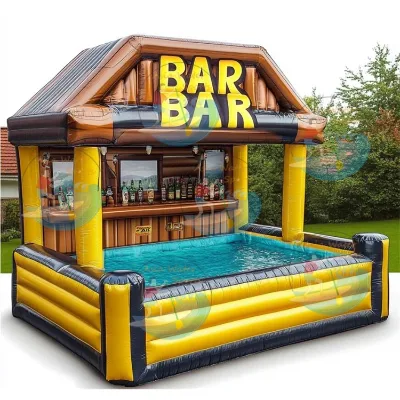
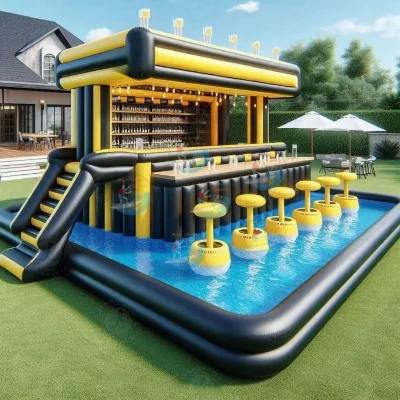
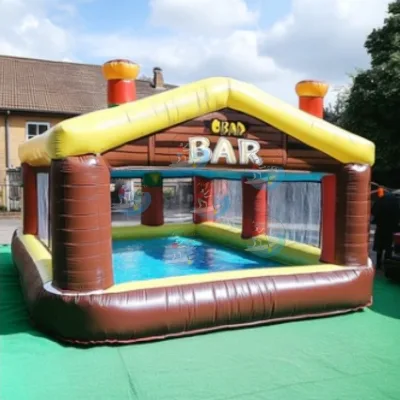
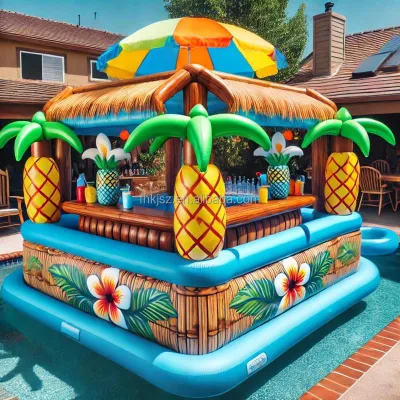
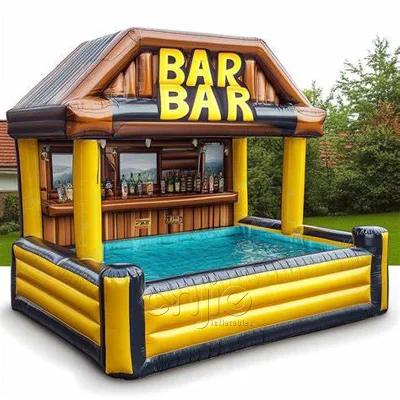
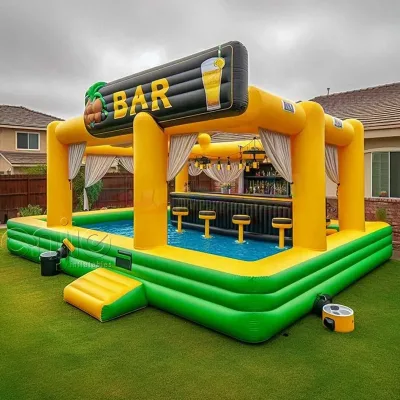
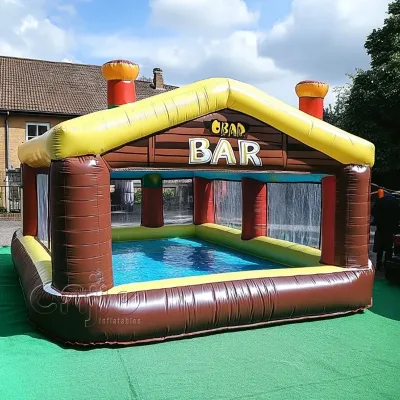

Custom Inflatable Floating Water Bar Pool Float Bar for Water Entertainment
$1000.00 - $2000.00
MOQ: 1 Pieces
Comprehensive Sourcing Guide
Strategic Sourcing Guide for Floating Outdoor Inflatable Bars
The global market for floating outdoor inflatable bars has expanded significantly, driven by the rising demand for versatile hospitality solutions in marine, recreational, and event sectors. For procurement professionals, navigating this category requires a disciplined approach that distinguishes between generic inflatable structures and specialized commercial-grade units designed for buoyancy and durability. This guide synthesizes observed market data and technical specifications to provide a framework for evaluating suppliers, assessing product integrity, and managing the procurement lifecycle for these specialized assets. The focus remains on evidence-based criteria, ensuring that purchasing decisions are grounded in verifiable product attributes rather than marketing assertions.
Technical Specifications and Material Integrity
The foundational element of any floating inflatable bar is its construction material and structural design. In the current supply landscape, the predominant raw material identified for these units is PVC Drop Stitch. This specific material choice is critical because it provides the necessary rigidity and load-bearing capacity required for a bar that must support heavy equipment, such as kegs, coolers, and glassware, while remaining afloat. Unlike standard PVC used for simple toys, Drop Stitch technology involves thousands of threads connecting the top and bottom layers, allowing the structure to maintain a flat, stable surface under pressure.
When evaluating technical specifications, buyers must scrutinize the thickness parameters. Observed data indicates a range of thicknesses, with specific listings noting dimensions such as 10 cm or 4 inches. These measurements are not merely aesthetic; they directly correlate to the structural integrity and the maximum load capacity of the unit. A thickness of 10 cm or 4 inches suggests a heavy-duty construction suitable for commercial applications, whereas thinner variants may be intended for lighter, recreational use. The standard dimensions for these units often include custom configurations, with specific models adhering to standards like 1.2m x 1.2m or 4ft x 4ft. However, the market also supports fully customized sizes to fit specific vessel dimensions or event layouts.
Color options are another technical variable. While standard offerings include white, black, and gray, the ability to customize colors is a prevalent feature. This customization extends to the branding surface, allowing operators to apply logos or specific color schemes. The manufacturing technique typically involves welding, a process that ensures seams are robust and watertight, a crucial factor for any product operating in aquatic environments. The product models observed, such as JE-IB, JE-BAR, and various ZBY series identifiers, represent different iterations of these designs, each potentially optimized for specific load capacities or seating arrangements.
Compliance, Certification, and Safety Standards
In the realm of commercial inflatables, compliance is not optional; it is a prerequisite for liability management and operational safety. Buyers must verify that suppliers provide valid certification documentation. The supply data explicitly references CE certification for certain models, indicating adherence to European safety, health, and environmental protection standards. This certification is a strong indicator that the product has undergone rigorous testing for material safety and structural integrity.
However, the presence of a specific certification in a listing does not guarantee that every unit from a supplier meets that standard. Procurement teams must request current, verifiable certificates for the specific batch or model being purchased. While some background information mentions ISO standards, these should be treated as general industry references rather than confirmed attributes of every listed product. The buyer's responsibility is to confirm that the specific unit meets the regulatory requirements of the destination market. For instance, if the bar is intended for use in the United States, additional compliance checks beyond CE may be necessary.
Safety features are also embedded in the product design. The inclusion of accessories such as pumps, repair kits, and suitable plugs is standard. These items are essential for the initial setup and long-term maintenance. The warranty policies observed, ranging from standard coverage to specific terms like 3-year warranties, serve as a proxy for the manufacturer's confidence in their product. A longer warranty period often implies a higher quality control process and more durable materials. Buyers should treat warranty terms as a key differentiator when comparing suppliers, ensuring that the coverage includes defects in materials and workmanship.
Cost Drivers and Pricing Structures
Understanding the cost structure of floating inflatable bars is essential for budgeting and total cost of ownership analysis. The observed price range in the market spans from 100 to 3000 USD. This wide variance is driven by several factors, including the complexity of the design, the thickness of the PVC material, the size of the unit, and the level of customization required. A basic, small-scale unit will naturally fall at the lower end of this spectrum, while a large, custom-configured commercial bar with advanced features will command a premium price.
The Minimum Order Quantity (MOQ) is another significant cost driver. Data indicates an MOQ range of 1 to 20 units. This flexibility allows small businesses or event planners to purchase single units for testing or specific events, while larger organizations can leverage bulk ordering to reduce per-unit costs. The ability to order a single piece (1 PCS) is a notable market feature that lowers the barrier to entry for new buyers.
Customization is a primary factor influencing price. While standard models are available, the demand for customized sizes, colors, and logos adds to the production complexity and cost. Buyers should anticipate that any deviation from standard specifications will result in a higher unit price. Additionally, the lead time, observed to be between 7 and 15 working days, impacts the overall cost. Rush orders or expedited shipping may incur additional fees, so planning the procurement timeline well in advance is crucial for cost efficiency. The packaging method, typically carton or PVC bags depending on the component, also affects shipping costs, especially for large units that may require special freight arrangements.
Typical Applications and Operational Scenarios
Floating inflatable bars are designed for a diverse range of applications, making them highly versatile assets for various industries. The primary use cases identified include sea, lake, river, and pool environments. This versatility allows operators to deploy these units in coastal resorts, inland water parks, private estates, and commercial marinas. The specific product models, such as the ZBY-DOCK-002, are explicitly designed for use in oceans, lakes, and on yachts, highlighting their suitability for marine environments.
Beyond water-based recreation, these units serve as functional spaces for events. The "Occasion" attributes list gardens, backyards, and parties as common settings. This suggests that the inflatable bar can be used as a standalone feature in land-based events where a temporary bar structure is needed, provided it is kept dry or used in a controlled environment. The seating capacity is another critical application metric, with some models designed to accommodate more than 10 people. This capacity makes them suitable for medium-sized gatherings, enhancing the social aspect of the event.
The "Scene" attribute further clarifies the intended environment, covering commercial pools and amusement parks. In these settings, the inflatable bar acts as a central hub for service and socialization. The product name "Inflatable Pool Bar" and "Inflatable Dock" underscores the dual functionality of these units as both a service station and a floating platform. The ability to customize the pool shape, such as square configurations, allows for integration into various pool layouts. Whether for a high-end yacht party or a community pool event, the inflatable bar provides a portable, temporary solution that can be inflated on-site and deflated for storage.
Supplier Evaluation and Quality Control
Selecting the right supplier is a critical step in the procurement process. Buyers should evaluate suppliers based on their ability to provide consistent quality, clear communication, and reliable after-sales support. The presence of a warranty policy is a strong indicator of a supplier's commitment to quality. A 3-year warranty, for example, suggests that the manufacturer stands behind their product for an extended period, reducing the risk for the buyer.
Quality control should be verified through the inspection of raw materials and manufacturing techniques. The use of PVC Drop Stitch and welding techniques are standard indicators of quality, but buyers must ensure these are consistently applied. Requesting samples or detailed product specifications, including thickness and material composition, is essential. The "Condition: New" attribute confirms that the products are manufactured fresh, but buyers should also inquire about the production process to ensure that the units are not refurbished or returned stock.
Supplier reliability is also measured by their lead times and packaging standards. A lead time of 7-15 working days is standard, but deviations from this norm can indicate production bottlenecks or logistical issues. Packaging is another area of focus; units are typically shipped in cartons or PVC bags, with specific dimensions like 12012010 cm for packing. Proper packaging ensures that the product arrives without damage, which is vital for maintaining the integrity of the inflatable structure. Buyers should also verify the supplier's ability to handle custom orders, as this requires a more complex production workflow.
Long-Term Procurement and Maintenance Considerations
The lifecycle of a floating inflatable bar extends beyond the initial purchase. Long-term procurement considerations include maintenance, storage, and potential replacement costs. The inclusion of repair kits and pumps with the product is a significant advantage, as it empowers buyers to perform minor repairs and setup tasks without relying on external services. However, buyers should assess the quality of these accessories to ensure they are compatible with the main unit.
Storage is a critical factor for inflatables. When not in use, the units must be deflated and stored in a dry, cool environment to prevent material degradation. The packaging provided, whether carton or PVC bags, should be durable enough to protect the unit during storage and transport. The "Portable Room Outdoor" function highlights the ease of transport, but buyers must ensure that the storage solution is adequate to prevent damage from UV exposure or moisture.
Future procurement strategies should also consider the scalability of the product line. As business needs grow, the ability to order additional units or customize new designs becomes important. The observed MOQ flexibility allows for this scalability, enabling buyers to start with a single unit and expand their fleet as demand increases. Additionally, the availability of customized colors and logos allows for brand consistency across multiple units, which is essential for commercial operators.
In conclusion, sourcing floating outdoor inflatable bars requires a meticulous approach that balances technical specifications, compliance, cost, and long-term value. By focusing on verified attributes such as material thickness, certification status, and warranty terms, buyers can make informed decisions that ensure the safety, durability, and functionality of their procurement. The market offers a wide range of options, from standard models to fully customized solutions, catering to diverse needs across marine, recreational, and event sectors. A disciplined procurement strategy, grounded in the evidence provided, will yield the best results for any organization looking to invest in these versatile assets.
FAQs
What materials are used for floating outdoor inflatable bars?
These units are primarily constructed from PVC Drop Stitch material to ensure rigidity and load-bearing capacity. Some listings also mention standard PVC or Dwf materials. This construction allows the bar to support heavy equipment while remaining afloat in various water environments.
Can I customize the size and color of the inflatable bar?
Yes, customization is available for both size and color options. Buyers can select from white, black, or gray, or request customized colors and dimensions. Specific models support custom sizes, allowing operators to tailor the unit to their specific vessel or event layout requirements.
What is the lead time for ordering these inflatable bars?
The standard lead time for production is between 7 and 15 working days. This duration applies to most models, though custom orders may vary. Buyers should plan their procurement timeline accordingly to ensure timely delivery for their events or commercial deployments.
Which certifications are available for commercial inflatable bar models?
Some models carry CE certification, indicating adherence to European safety and environmental standards. Buyers should verify specific certificates for the batch they purchase. While other standards exist, CE is the explicitly documented certification for certain units in the current supply data.
What is the minimum order quantity for purchasing these bars?
The minimum order quantity ranges from 1 to 20 units depending on the supplier and model. Some listings explicitly state an MOQ of 1 piece, allowing for single-unit purchases. This flexibility supports both small event planners and larger commercial organizations.
How much weight can the floating bar support?
Specific models are designed to support a maximum capacity of over 500kg. Other units may accommodate seating for more than 10 people. The load capacity depends on the thickness and construction, with thicker options like 10 cm or 4 inches offering higher durability.
What accessories are included with the inflatable bar purchase?
Standard accessories typically include a pump, repair kits, and suitable plugs. These items are essential for initial setup and long-term maintenance. Some packaging also includes specific bags for the inflatables and cartons for the pump or blower components.