Source Floor Carpet Runner for Home Hotel Decoration
Find 30 Floor Carpet Runner options featuring hand-made and tufted techniques with customizable sizes and shapes. Buyers can compare materials like chemical fiber and wool, thickness levels, and anti-slip features for home, hotel, and commercial decoration needs.
Key considerations
Products List
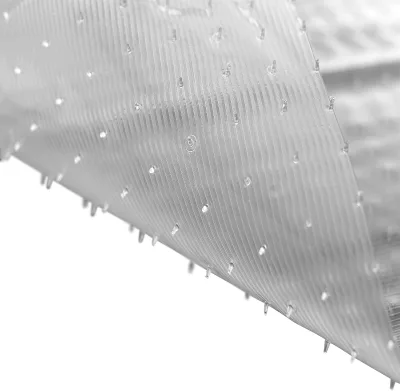


Floor Carpet Runner Exterior Carpet Throw Rug Nondisposable Carpets Designer Carpet Tiles
$29.00 - $59.00
MOQ: 5 Square Meters








Comprehensive Sourcing Guide
Strategic Sourcing Guide for Floor Carpet Runners
Navigating the global market for floor carpet runners requires a disciplined approach that balances aesthetic requirements with rigorous technical verification. Buyers seeking to procure these products must understand that the term "Floor Carpet Runner" encompasses a diverse range of specifications, from high-pile decorative pieces to functional anti-slip solutions. The following guide synthesizes available product attributes and industry standards to provide a framework for effective procurement. This analysis focuses on the critical variables that influence product performance, cost, and compliance, ensuring that sourcing decisions are grounded in observable facts rather than marketing assertions.
Technical Specifications and Material Composition
The foundation of any successful procurement strategy lies in a precise understanding of technical specifications. In the current market, floor carpet runners exhibit significant variance in material composition, thickness, and construction techniques. Data indicates that products are frequently categorized by their primary material, with Chemical Fiber and Wool being prominent options. Chemical fiber variants often appear in models designed for high-traffic commercial or hotel environments, offering durability and cost efficiency. Conversely, wool options may be selected for specific aesthetic or tactile requirements, though they require distinct maintenance protocols.
Thickness is a critical differentiator that directly impacts the runner's performance and suitability for specific installation locations. Observed specifications reveal thickness ranges from 5mm to 15mm. A 5mm profile is typically associated with printed or low-pile applications suitable for areas where floor height clearance is a constraint. In contrast, 13mm and 15mm profiles suggest a plush, high-pile construction often found in hand-made or hand-embroidered designs intended for luxury residential or hotel settings. The product form is generally listed as either "Rugs" or "Carpet," but for runners, the functional distinction lies in the width and length ratios.
Construction techniques further define the product's character and longevity. The market offers Hand Made, Tufted, and Printed variants. Hand-made and hand-embroidered options, often featuring cut pile or loop pile textures, provide a unique aesthetic value but may command higher production costs. Tufted and printed runners offer consistency and are often utilized for standardized designs. Buyers must verify the specific "Technics" attribute for each supplier, as this dictates the manufacturing process and the resulting texture. For instance, a "Cut Pile Loop Pile" combination offers a textured surface that can hide footprints and dirt better than a uniform pile, while a "Printed" design relies on dyeing techniques that may fade over time if not properly treated.
Customization Capabilities and Design Flexibility
One of the most compelling advantages of sourcing floor carpet runners from specialized manufacturers is the extensive scope for customization. The supply chain data highlights that "Customization" is a widely available attribute, allowing buyers to tailor products to specific brand identities or interior design schemes. This flexibility extends across multiple dimensions: design, size, shape, and texture.
Suppliers frequently offer "Any Design" capabilities, meaning that logos, patterns, or specific colorways can be integrated into the runner. This is particularly valuable for commercial clients in the hospitality sector, such as hotels, who wish to incorporate their branding into hallway aesthetics. Similarly, the availability of "Any Size" and "Any Shape" allows for the creation of non-standard runners that fit unique architectural features, such as curved staircases or irregularly shaped corridors. Standard dimensions observed in the market include 200300cm, 120160cm, 140200cm, and 180260cm, but the ability to deviate from these norms is a key differentiator.
Color customization is another critical factor. While "Customized" is listed as a standard attribute, buyers should verify the specific color palette and dye-fastness properties. The "Design" attribute often leans towards "Modern" or "Custom Design," suggesting a trend towards contemporary aesthetics. However, the underlying "Product Form" and "Usage" attributes indicate that these runners are also designed for "Prayer" spaces, which may require specific directional or symbolic design elements. When evaluating customization, procurement teams must ensure that the supplier's technical capabilities align with the desired complexity of the design, as intricate hand-embroidered or custom-sized orders may impact lead times and unit costs.
Compliance, Standards, and Safety Attributes
While specific certification names are not universally listed in the provided data, the presence of certain functional attributes implies adherence to safety and quality standards. Buyers must prioritize products that explicitly state "Eco-Friendly" and "Washable" characteristics, as these indicate a commitment to environmental responsibility and ease of maintenance. The "Anti-Slip" feature is a mandatory safety consideration for runners used in high-traffic areas, particularly in commercial and hotel environments where slip-and-fall risks are elevated.
Installation location is a primary determinant of compliance requirements. The data specifies "Floor Carpet" as the installation location, which necessitates that the product meets fire safety and slip-resistance standards relevant to the jurisdiction of the installation site. For example, runners intended for "Hotel" or "Commercial" use often require higher fire-retardancy ratings than those for residential use. Although specific test results are not provided, the "Usage" attribute lists "Prayer," "Hotel," "Home," and "Decoration," suggesting that the products are designed to meet the varied safety needs of these environments.
Furthermore, the "Cleaning & Maintenance" attributes, such as "Hand Wash" and "Stain Resistant," are critical for long-term compliance with hygiene standards. In healthcare or food service adjacent areas, "Stain Resistant" properties are essential to maintain sanitary conditions. Buyers should request documentation verifying that the "Anti-Slip" and "Stain Resistant" claims are backed by third-party testing, particularly for commercial contracts where liability is a concern. The "Product Packing" methods, ranging from "PP Bag" to "Woven Bags Packing," also play a role in ensuring the product arrives in a condition that meets quality expectations, protecting against moisture and damage during transit.
Cost Drivers and Economic Factors
The pricing structure for floor carpet runners is influenced by a complex interplay of material costs, production techniques, and customization levels. The observed price range of 0.54 to 600 USD reflects the vast spectrum of product types available. The lower end of this range typically corresponds to mass-produced, printed, or chemical fiber runners with standard dimensions and minimal customization. These products often utilize automated "Tufted" or "Printed" techniques, which reduce labor costs and increase production speed.
Conversely, the higher price points are driven by the use of premium materials like "Wool," labor-intensive techniques such as "Hand Made" or "Hand Embroidered," and extensive customization. A runner with a 15mm thickness, custom shape, and unique design will inherently cost more due to the increased material usage and skilled labor required. The "MOQ" (Minimum Order Quantity) range of 1 to 2000 units also significantly impacts the unit cost. Suppliers with lower MOQs may charge a premium for flexibility, while those requiring higher volumes can offer more competitive pricing through economies of scale.
Additional cost drivers include the "prod_packing" method and the "prod_standard" specifications. Complex packing solutions, such as "15-20 Rolls / Bag" or specialized "Woven Bags," add to the logistical cost. Similarly, non-standard sizes or custom designs require unique setup times and material cutting processes, which increase the overall price. Buyers must balance their budget constraints against the desired quality and customization level, understanding that a 5mm printed runner will be significantly more affordable than a 15mm hand-embroidered wool runner.
Supplier Evaluation and Geographic Considerations
When evaluating potential suppliers, geographic origin is a key factor in logistics and quality assurance. The data indicates that products originate from several locations within China, including "Guangdong," "Foshan Cty, Guangdong Province," and "Guangzhou." These regions are known for their robust manufacturing ecosystems and specialized textile industries. Proximity to these hubs can facilitate better communication and faster sampling, but buyers must also consider the specific capabilities of each facility.
Supplier evaluation should focus on the consistency of their product attributes. A reliable supplier will demonstrate clear documentation of their "prod_model" numbers, "prod_standard" dimensions, and "prod_packing" methods. The presence of multiple model numbers (e.g., 697, 790, 628, 936, 712, 207, H3) suggests a diverse product line, but buyers must verify that the specific model matches their technical requirements. For instance, a supplier offering a "Hand-Made" product with a "13mm" thickness must be able to consistently deliver that specification across large orders.
Quality control during the sourcing process involves verifying the "Cleaning & Maintenance" instructions and the "Feature" claims. Buyers should request samples to test the "Anti-Slip" performance and "Stain Resistant" properties firsthand. Additionally, the "Eco-Friendly" claim should be substantiated with material safety data sheets or environmental compliance certificates. It is crucial to avoid suppliers who make vague claims without supporting evidence, as this can lead to compliance issues and product failures in the field.
Long-Term Procurement and Maintenance Strategy
Sourcing floor carpet runners is not merely a transactional activity but a strategic decision that impacts long-term operational costs. The "Cleaning & Maintenance" attributes, such as "Hand Wash" and "Stain Resistant," dictate the ongoing maintenance budget and labor requirements. Products that are "Washable" and "Eco-Friendly" may reduce the need for harsh chemicals and specialized cleaning services, thereby lowering long-term costs. However, "Hand Wash" requirements may increase labor intensity compared to machine-washable options, which is a factor to consider for large-scale commercial installations.
The "Usage" attributes, including "Decoration," "Home," "Hotel," and "Prayer," indicate the intended lifespan and wear patterns of the product. Runners in "Hotel" or "Commercial" settings will experience higher traffic and require more durable materials and construction techniques. Buyers should prioritize products with "Anti-Slip" features and robust "Technics" like "Tufted" or "Hand Made" for these high-wear environments. For "Home" or "Decoration" uses, aesthetic appeal and "Custom Design" capabilities may take precedence over extreme durability.
Finally, the "prod_packing" and "prod_standard" details are essential for logistics planning. Understanding the packaging method ensures that the product arrives in optimal condition, reducing the risk of damage and returns. Buyers should establish clear communication channels with suppliers regarding lead times and production schedules, especially for custom orders. By maintaining a proactive approach to maintenance and supplier relationships, organizations can ensure that their floor carpet runners continue to meet performance and aesthetic standards throughout their lifecycle.
FAQs
What materials are used for floor carpet runners?
Floor carpet runners are primarily made from chemical fiber or wool. Chemical fiber variants offer durability for high-traffic areas, while wool options provide a softer texture suitable for luxury residential settings.
How thick are the available floor carpet runners?
Thickness ranges from 5mm to 15mm depending on the model. A 5mm profile suits printed low-pile applications, whereas 13mm and 15mm options indicate plush, high-pile constructions for decorative use.
Can I customize the size and shape of the runner?
Yes, customization is available for any size, shape, and design. Suppliers offer standard dimensions like 200 by 300cm but can produce non-standard sizes to fit unique architectural features or specific branding needs.
Which installation locations are suitable for these runners?
These runners are designed for floor carpet installation in homes, hotels, commercial spaces, and prayer areas. They feature anti-slip properties to ensure safety in high-traffic environments like corridors and lobbies.
How should I clean and maintain the Floor Carpet Runner?
Most runners require hand washing and are stain resistant for easier maintenance. Some products are washable and eco-friendly, but buyers should verify specific care instructions to ensure long-term hygiene and appearance.
What construction techniques are used for these products?
Construction techniques include hand-made, tufted, and printed methods. Hand-made options often feature hand-embroidered details with cut pile or loop pile textures, while printed variants offer consistent designs for mass production.