Source Flocking Plantain Simulation Plant for Home and Office
Find 30 options for the Flocking Plantain Simulation Plant to enhance indoor and outdoor spaces. Compare specifications such as height, material, and placement styles to select the ideal artificial greenery for your design needs; compare the available evidence and request quotations based on your requirements.
Key considerations
Products List
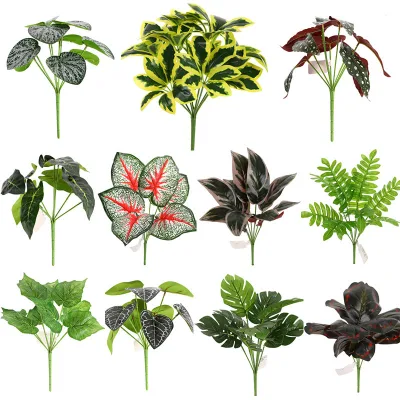
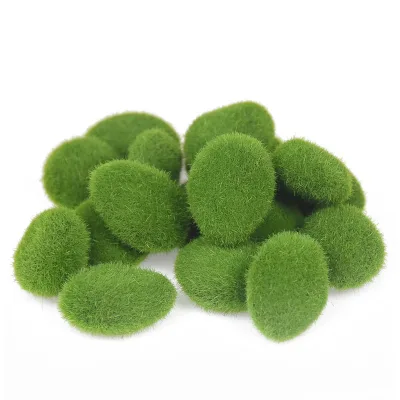
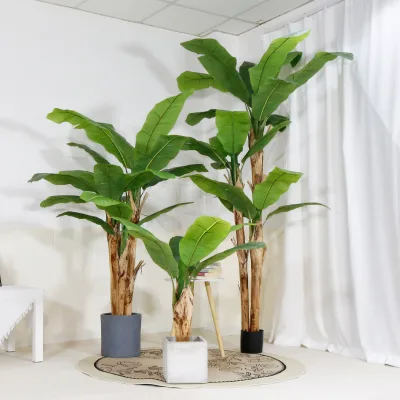
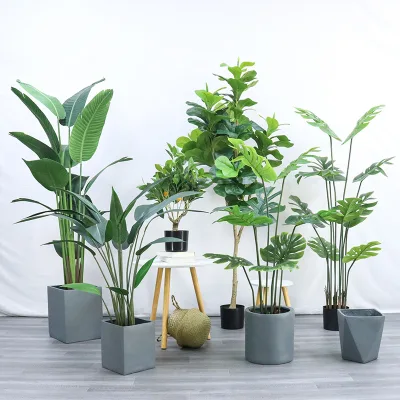


Fake Plant Plastic Plant Leaf Artificial Plant Synthetic Plant Landcaping Plant for Decoration
$4.90 - $5.10
MOQ: 1000 Square Meters


$4.90 - $5.10
MOQ: 1000 Square Meters


High Quality Faux Greenery Simulation Green Potted Plant Artificial Plant
$9.50 - $23.00
MOQ: 50 Pieces


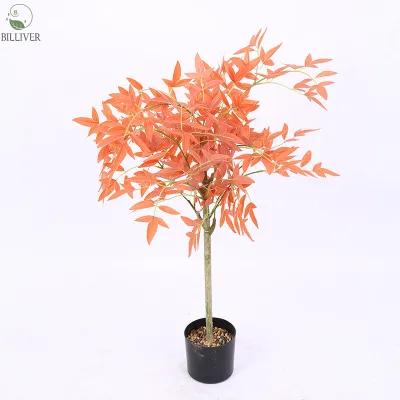

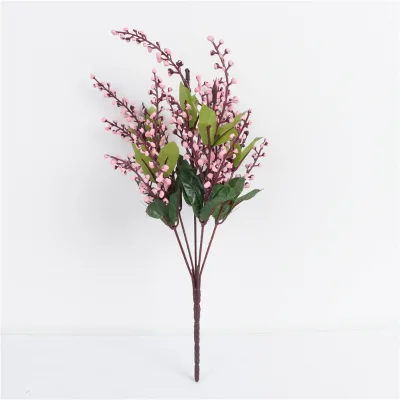



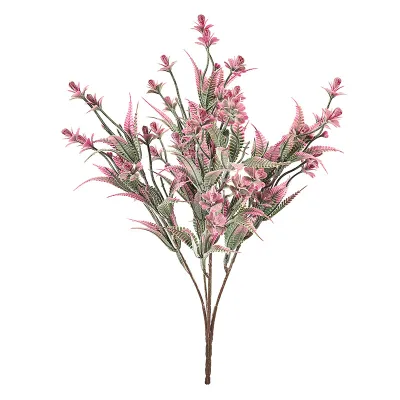
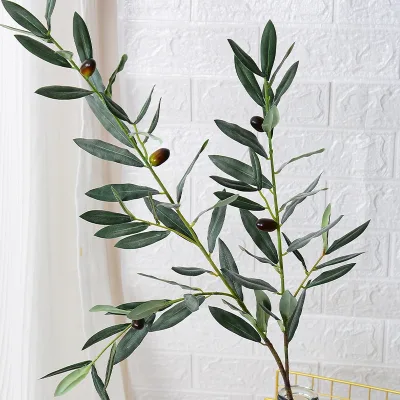

Comprehensive Sourcing Guide
Flocking Plantain Simulation Plant Sourcing Guide
Buyers evaluating flocking plantain simulation plants must first distinguish between general artificial foliage and specialized decorative items with specific textural finishes. The observed market data indicates a diverse range of artificial plant types, including trees, flowers, and grass panels, often sourced from China with origins in regions like Shaanxi. Procurement teams should verify whether the "flocking" attribute refers to a specific surface treatment or if the product relies on standard PE or plastic materials to achieve a natural look. Understanding this distinction is critical before initiating contact with suppliers, as the manufacturing process for flocking differs significantly from standard embossing or screen printing techniques found in other listings.
Commercial signals in the current market show a wide variance in product dimensions and packaging, with single package sizes ranging from 33x15x10 cm to 50x20x20 cm. This inconsistency suggests that buyers cannot rely on a single standard specification for flocking plantain plants and must explicitly define their size requirements during the inquiry phase. The observed minimum order quantities vary from 2 to 1000 units, with some suppliers offering a specific MOQ of 5 pieces, which impacts the feasibility of small-scale testing versus bulk procurement. Buyers should align their initial order volume with these observed ranges to ensure they can access the most competitive pricing tiers without overcommitting to inventory.
Product Scope and Observed Listing Signals
The product scope for artificial foliage in this category extends beyond simple greenery to include specialized applications such as desktop decoration, wall hangings, and floor placements. Listings indicate that these items are designed for both indoor and outdoor usage, with features like UV resistance and fire retardancy being key selling points for exterior installations. Buyers should scrutinize the specific color variations available, which range from standard Army Green to complex multi-variant options like nine-headed begonia or nine green immortal taro, ensuring the selected SKU matches the intended aesthetic theme. The presence of customization services suggests that suppliers can adapt these products for specific event occasions, including weddings, graduations, and holiday celebrations.
Observations of the market reveal that "flocking" may be a specific finish or a mislabeled attribute for standard plastic textures, as many listings emphasize high simulation and natural touch leaves rather than a distinct flocking process. The material composition is predominantly PE or plastic, with some products featuring a plastic black pot for immediate display. Buyers must verify if the advertised "natural look" is achieved through embossing, screen printing, or actual flocking, as these processes yield different tactile and visual results. The availability of samples supports the need for physical verification before committing to large orders, especially given the wide range of single gross weights observed, from 0.020 kg to 10.000 kg.
Technical Specifications to Verify
Technical verification must begin with the precise dimensions and structural integrity of the artificial plantain units, as observed sizes vary significantly between 28-41 cm and 50 cm in height. Buyers should request detailed specifications for the stem rigidity and leaf density to ensure the product maintains its shape in both indoor and outdoor environments. The observed data includes specific model numbers like SD11-2624 and 11-2623, which serve as critical identifiers for matching exact product configurations. It is essential to confirm whether the "Standard" size designation applies to the leaf spread or the overall height, as this affects spatial planning for desktop or floor installations.
Material composition and surface treatment are equally critical, with listings citing PE, plastic, and various surface treatments like machinery processing or adhesive installation methods. Buyers need to confirm the specific type of plastic used, as this dictates the product's resistance to UV degradation and its ability to withstand outdoor weather conditions. The observed advantage of being "Fire Retardant" and "Environment Friendly" requires validation through specific test reports rather than relying on general marketing claims. Additionally, the maintenance requirements, such as dusting with a cloth, should be weighed against the durability of the material to ensure long-term aesthetic retention without excessive upkeep.
Compliance and Safety Documentation
Safety compliance is paramount for artificial plants intended for public or commercial spaces, particularly given the claims of fire retardancy and UV resistance found in the market. Buyers must request independent test certificates that verify the fire safety ratings and UV stability of the materials, as these claims are not universally guaranteed across all suppliers. The observed "Life Guarantee" of 1-5 years suggests a range of durability expectations, and procurement teams should clarify the specific conditions under which this guarantee applies. Without documented proof of these safety standards, the risk of product failure in regulated environments increases significantly.
Environmental compliance is another critical area, with some listings highlighting "Environment Friendly" attributes and the use of PE materials. Buyers should verify if the manufacturing process adheres to recognized environmental standards and if the materials are recyclable or free from harmful substances. The "Customized -design Service" option introduces complexity, as custom designs may require additional safety assessments to ensure they meet local regulations. It is advisable to ask suppliers for a declaration of conformity that covers both the material safety and the manufacturing process, ensuring that the final product aligns with the buyer's corporate sustainability goals.
Cost Drivers and Commercial Terms
Cost drivers for flocking plantain simulation plants are heavily influenced by the complexity of the surface treatment, the size of the unit, and the volume of the order. The observed price range of 0.33 to 57.14 USD reflects the vast difference between small, simple items and larger, more complex installations with custom designs. Buyers should analyze the cost per unit relative to the single gross weight and package dimensions, as shipping costs can vary dramatically based on these factors. The presence of a specific MOQ of 5 pieces indicates that small orders may carry a premium, while larger volumes could unlock more favorable pricing structures.
Commercial terms such as delivery time and payment conditions are also significant variables, with observed lead times ranging from 7 to 10 days for standard orders. Buyers must clarify whether this delivery window includes packaging and logistics or if it represents only the production time. The availability of sample support is a positive indicator, but the cost and lead time for samples should be factored into the overall procurement budget. Additionally, the "Customized" nature of some products may extend lead times and increase costs, requiring clear agreements on timelines and pricing adjustments for bespoke requests.
Supplier Qualification and Quality Control
Supplier qualification should focus on verifying the manufacturer's capability to produce consistent quality across different product lines, as the observed data shows a mix of artificial trees, flowers, and grass panels. Buyers should assess the supplier's experience with specific materials like PE and their proficiency in surface treatments such as embossing or flocking. The presence of a brand name like "Shaanxi Longstar" suggests established manufacturing capabilities, but buyers must still conduct due diligence to ensure the supplier can meet specific quality benchmarks. Requesting references from previous clients who have ordered similar artificial plants can provide valuable insights into the supplier's reliability.
Quality control processes must be robust, covering everything from material selection to final packaging. Buyers should inquire about the supplier's internal inspection protocols, particularly for critical attributes like color consistency and structural stability. The observed "Life Guarantee" of 1-5 years implies a confidence in product durability, but this should be backed by a clear quality assurance plan. Regular factory audits or third-party inspections can help ensure that the supplier maintains high standards and that the products delivered match the agreed-upon specifications. Establishing a clear communication channel for quality issues is also essential for resolving any discrepancies promptly.
Long-Term Procurement Checks
Long-term procurement success depends on establishing a reliable supply chain that can adapt to changing market demands and design trends. Buyers should monitor the supplier's ability to maintain consistent quality over time, especially when scaling up orders or introducing new product variations. The observed range of product types, from artificial cherry blossom trees to wall hanging plants, indicates a versatile supplier base, but buyers must ensure that the specific flocking plantain products remain a priority. Regular performance reviews and feedback loops can help identify potential issues before they impact the buyer's operations.
Sustainability and innovation are also key factors for long-term partnerships, as the market increasingly values environmentally friendly and durable products. Buyers should encourage suppliers to invest in research and development to improve the natural look and longevity of their artificial plants. The "Customized" service option offers a pathway for continuous improvement, allowing buyers to refine product designs based on customer feedback. By fostering a collaborative relationship with suppliers, buyers can ensure a steady supply of high-quality flocking plantain simulation plants that meet evolving aesthetic and functional requirements.
FAQs
What materials are used for the artificial plants?
The artificial plants are primarily made from plastic and PE materials. These materials allow for high simulation and natural touch leaves. The products are designed to be environment friendly and durable for both indoor and outdoor usage scenarios.
Can I customize the design of the artificial plants?
Yes, customized design services are available for these artificial plants. Buyers can request specific styles or configurations to meet their unique decoration needs. This customization option ensures that the final product aligns perfectly with the intended aesthetic and functional requirements.
What is the typical lead time for delivery?
The typical delivery time for these artificial plants is 7-10 days. This timeframe applies to standard orders and ensures timely availability for various occasions. Buyers should confirm specific lead times with suppliers to account for any potential variations in production schedules.
Are the artificial plants suitable for outdoor use?
Yes, the artificial plants are suitable for both indoor and outdoor usage. They feature UV resistant and anti-UV properties to withstand outdoor conditions. The materials are also waterproof and fire retardant, ensuring durability and safety in various environmental settings for long-term decoration.
What is the minimum order quantity for these products?
The minimum order quantity for these artificial plants is 5 pieces. This low MOQ allows buyers to test the product quality before placing larger orders. It is an ideal option for small businesses or individual buyers looking for decorative solutions without significant initial investment.
How should I maintain the artificial plants?
Maintenance for these artificial plants is simple and requires minimal effort. Buyers can clean the dust off the leaves using a cloth. This easy maintenance routine helps preserve the natural look and high simulation quality of the plants over time without complex cleaning procedures.