Source Flocking Sequins Velvet Lace Fabric for dresses, wedding gowns, and accessories
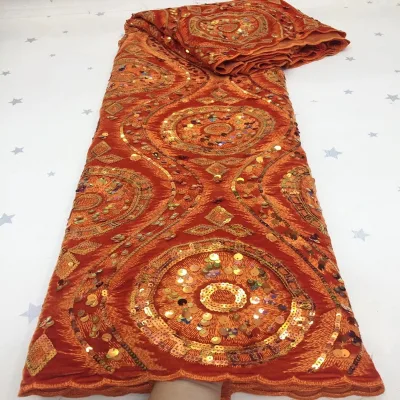
Explore 30 listings of Flocking Sequins Velvet Lace Fabric suitable for evening dresses, wedding gowns, and fashion accessories. Buyers can compare specifications like width, material, and embroidery types from verified suppliers in China.
Key considerations
Products List
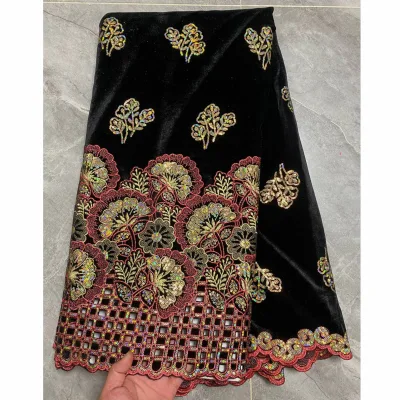


Elegant Sequins Lace Embroidery Fabric for Wedding Crafts and Decorations
$4.00 - $9.00
MOQ: 300 Meters


Elegant Embroidered Lace Fabric with Sparkling Sequins for Fashion Projects
$4.00 - $9.00
MOQ: 300 Meters


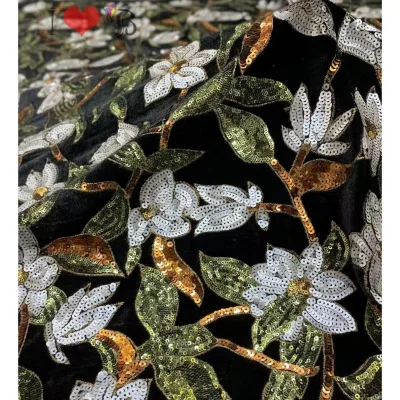
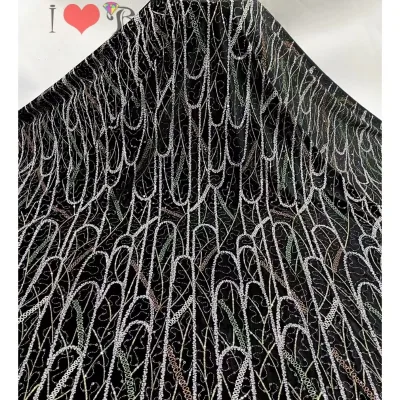

Custom Nice Sequins Embroidered Velvet Color Sequin Dresses Cloth Lace Fabrics
$6.00 - $10.00
MOQ: 50 Yards


Special Designed OEM Embroidery Lace Fabrics with Sequins for Wedding Dresses
$10.00 - $14.00
MOQ: 50 Yards

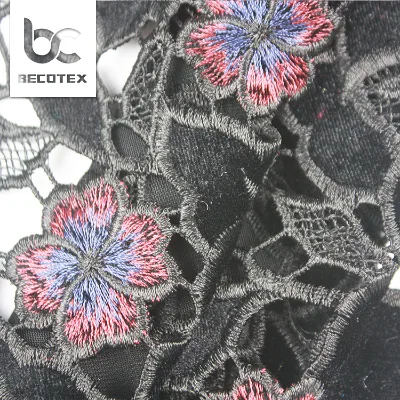


Comprehensive Sourcing Guide
Strategic Sourcing Guide for Flocking Sequins Velvet Lace Fabric
Understanding Product Attributes and Technical Specifications
When sourcing Flocking Sequins Velvet Lace Fabric, buyers must first distinguish between the specific material compositions and structural characteristics that define this complex textile category. The market offers a diverse range of options, often blending traditional lace techniques with modern embellishments. Based on observed product data, the fabric types frequently cited include 100% Polyester mesh and blends of Viscose and Polyester. These material choices directly influence the drape, durability, and suitability for various end-uses. The technical construction often involves a weft knitted type, which provides elasticity essential for garments like evening dresses and swimwear.
The visual and tactile profile of this fabric is defined by its decoration and embroidery methods. Common observations include 3D embroidery and 3D floral designs, which add significant depth and texture to the surface. The inclusion of sequins alongside flocking and velvet elements creates a multi-layered aesthetic. Specifications regarding width are critical for pattern matching and yield calculations; observed ranges typically fall between 50 to 52 inches, with some listings specifying 51-52 inches. Weight is another vital parameter, with medium-weight options around 200 g/m² being common for upholstery and garment applications, while lighter mesh variants may be used for overlays.
The following table summarizes the key technical observations found in current market listings to assist in specification verification:
| Attribute Category | Observed Specifications |
|---|---|
| Material Composition | 100% Polyester, Viscose / Polyester Blend |
| Fabric Type | Mesh, Lace, Velvet, Nonwoven |
| Knitted Type | Weft |
| Width | 50/52 inches, 51-52 inches |
| Weight | 200 g/m² (Medium Weight) |
| Decoration | 3D Embroidery, Sequins, Flocking, Lace |
| Pattern | Yarn Dyed, 3D Floral |
| Coating | PE Coated (for specific waterproof variants) |
Buyers should verify that the specific supplier's inventory matches these technical parameters, as the term "velvet lace" can sometimes refer to different base fabrics depending on the manufacturer's process.
Compliance, Certification, and Safety Standards
In the B2B textile sector, compliance is not merely a formality but a prerequisite for market access, particularly for products intended for children, intimate apparel, or export to regulated regions. While specific certification status varies by supplier, buyers must actively verify claims regarding safety and environmental standards. The supplied data mentions "Eco-Friendly" as a feature and references standards such as ISO 9001 and OEKO-TEX in background contexts. However, these should be treated as potential attributes rather than guaranteed facts for every listing.
When evaluating a supplier, procurement teams should request current, valid certificates rather than relying on general marketing claims. For fabrics containing sequins and flocking, chemical safety is paramount. Buyers should inquire about the presence of harmful substances, ensuring the material meets relevant regional regulations. If the fabric is intended for baby and kids' wear, as indicated by the "Applicable to the Crowd" data, the verification of OEKO-TEX Standard 100 becomes essential to confirm the absence of allergens and toxic dyes. Similarly, for eco-conscious markets, the "Eco-Friendly" claim should be backed by specific documentation regarding dyeing processes and material recyclability.
It is crucial to note that while some listings mention "Waterproof" features, this is often associated with specific coatings like PE Coated variants. Buyers must distinguish between water-resistant treatments and fully waterproof capabilities, as this distinction impacts the fabric's suitability for outdoor applications or swimwear. The verification process should include asking for test reports from accredited laboratories that specifically address the flocking adhesion, sequin security, and chemical composition of the velvet and lace components.
Cost Drivers and Pricing Structures
The pricing of Flocking Sequins Velvet Lace Fabric is influenced by a complex interplay of material costs, labor intensity, and customization requirements. The observed price range in the market spans from approximately $0.95 to $15.00 per unit, a wide variance that reflects differences in material quality, design complexity, and order volume. The primary cost driver is the embellishment process. The addition of 3D embroidery, sequins, and flocking requires specialized machinery and skilled labor, which significantly increases the unit cost compared to plain lace or mesh fabrics.
Order volume plays a decisive role in the final price. The Minimum Order Quantity (MOQ) observed in the market ranges from 1 yard to 5,000 yards. Suppliers often offer tiered pricing, where the unit cost decreases as the order quantity increases. For instance, an MOQ of 15 yards is noted for certain in-stock items, while larger custom orders may require higher thresholds. Buyers should be aware that "In-Stock Items" may command a premium due to immediate availability, whereas custom designs with a longer lead time might offer better pricing at scale.
Additional cost factors include the specific width of the fabric, as wider rolls may incur higher shipping costs and material waste if not utilized efficiently. The "Reeled" packing method and the weight of the fabric (e.g., 200 g/m²) also affect logistics costs. Furthermore, the "Customization" availability allows for bespoke designs, which typically involves setup fees and higher per-unit costs compared to standard catalog patterns. Buyers must balance the desire for unique designs with the budgetary constraints imposed by these technical and logistical variables.
Typical Applications and End-Use Scenarios
The versatility of Flocking Sequins Velvet Lace Fabric makes it suitable for a broad spectrum of applications, ranging from high-fashion garments to industrial uses. The "Usage" data indicates a wide array of potential end-uses, including dresses, jeans, shirts, wedding attire, and uniform production. The specific combination of velvet, lace, and sequins makes it particularly popular for evening wear and bridal fashion, where the "3D floral" and "couture" features add a luxurious aesthetic.
Beyond apparel, the fabric is utilized in home textiles, upholstery, and accessories. The "Applicable to the Crowd" data confirms suitability for women, men, girls, boys, and infants, suggesting its adaptability across different demographics. For instance, the "Eco-Friendly" and "Breathable" attributes make certain variants appropriate for baby and kids' wear, while the "Waterproof" and "Elastic" features support applications in swimwear and sportswear. The "Industry" and "Bag" categories highlight its utility in fashion accessories, luggage, and bags, where durability and visual appeal are equally important.
The following table outlines common applications based on observed product attributes:
| Application Sector | Specific Use Cases | Relevant Fabric Attributes |
|---|---|---|
| Fashion Apparel | Evening dresses, Wedding gowns, T-shirts | 3D Embroidery, Sequins, Velvet, Elastic |
| Home Textiles | Upholstery, Decorative accents | Medium Weight, Wrinkle Resistant |
| Accessories | Bags, Purses, Luggage, Shoes | Durable Lace, Flocking, Custom Designs |
| Specialized Wear | Swimwear, Sportswear, Uniforms | Waterproof, Breathable, Elastic |
| Children's Wear | Baby & Kids clothing, Underwear | Eco-Friendly, Soft Texture, Safe Materials |
Buyers should align their product development strategy with these applications, ensuring that the selected fabric's technical properties, such as density and coating, match the functional requirements of the final product.
Supplier Evaluation and Selection Criteria
Selecting the right supplier requires a rigorous evaluation process that goes beyond price comparisons. The "Place of Origin" data indicates that suppliers are primarily located in China, with specific mentions of Zhejiang and Guangdong provinces. These regions are known for their textile manufacturing capabilities, but buyers must verify the specific capabilities of each vendor. Key evaluation criteria should include the supplier's ability to handle "Customization," their "Supply Type" (In-Stock vs. Made-to-Order), and their adherence to "Production Standards."
Buyers should assess the supplier's technical proficiency in handling complex decorations like 3D embroidery and flocking. The "Technic" attribute, which includes both "embroidered" and "Nonwoven" methods, suggests that suppliers may have varying specializations. It is advisable to request samples that demonstrate the quality of the sequin attachment and the flocking adhesion, as these are common points of failure in this fabric category. Additionally, the "7_days_sample_order_lead_time" support indicates that some suppliers offer rapid prototyping, which is valuable for design validation.
Communication and transparency are also critical. The "Payment" methods observed, such as UnionPay and PayPal, suggest varying levels of financial flexibility. Buyers should ensure that the supplier has a clear policy on "Customization" and "Design" acceptance, particularly for bespoke patterns. The "Model Number" variations (e.g., CG1189, TS156, TS164) indicate a structured product catalog, which can simplify the sourcing process if the buyer has specific requirements. Finally, verifying the "Single package size" and "Single gross weight" helps in planning logistics and estimating shipping costs accurately.
Quality Control and Long-Term Procurement Strategy
Maintaining consistent quality is essential for long-term procurement success. The "Feature" list includes attributes like "Wrinkle Resistant," "Waterproof," and "Elastic," which must be verified through physical testing. Buyers should implement a quality control protocol that includes checking the "Density" (e.g., 133×100) and the "Thickness" (Medium Weight) to ensure consistency across batches. The "Coated Type" (PE Coated) requires specific attention to ensure the coating does not crack or peel after repeated washing or use.
For long-term partnerships, buyers should establish clear specifications for "Pattern" and "Color" consistency. The observed "Color" options, such as Black and Black Velvet, should be matched against physical swatches to account for lighting variations. The "Reeled" packing method should be standardized to prevent tangling and damage during transit. Additionally, the "Design" acceptance process should be formalized to ensure that custom requests are executed with precision.
Buyers should also consider the "Lead Time" implications of their procurement strategy. While some suppliers support a 7-day sample lead time, full production orders may have different timelines. Establishing a reliable supply chain involves building relationships with suppliers who can consistently meet delivery schedules and maintain quality standards. Regular audits and feedback loops can help identify potential issues early, ensuring that the Flocking Sequins Velvet Lace Fabric continues to meet the brand's expectations over time. By focusing on these technical and operational aspects, buyers can mitigate risks and secure a stable supply of high-quality textile materials.
FAQs
What material is used for Flocking Sequins Velvet Lace Fabric?
The fabric is typically made from 100% polyester or a blend of viscose and polyester. This composition ensures durability and a specific drape suitable for evening dresses and wedding attire.
Can I order samples for this lace fabric within a week?
Yes, suppliers support a 7-day sample order lead time for this product. This allows buyers to verify the 3D embroidery and sequin quality before committing to larger custom orders.
Which width options are available for this mesh lace fabric?
The standard width ranges from 50 to 52 inches, with specific listings showing 51-52 inches. This dimension is critical for pattern matching in garment construction and upholstery applications.
How is the decoration applied to the velvet lace fabric?
Decoration involves 3D embroidery, flocking, and sequins applied to a mesh or nonwoven base. These techniques create a textured, floral design suitable for couture and fashion accessories.
What is the minimum order quantity for in-stock items?
The minimum order quantity can be as low as 15 yards for specific in-stock items. However, some listings indicate an MOQ range starting from 1 yard up to 5000 yards depending on customization.
Are there eco-friendly options available for this fabric?
Yes, the product features are listed as Eco-Friendly, which may relate to dyeing processes or material recyclability. Buyers should request specific documentation to confirm environmental compliance for their target market.