Source Floor Standing Galvanized Gestation Bed for pig farms, breeding, and feeding
Compare 30 listings for the Floor Standing Galvanized Gestation Bed designed for pig farms, breeding operations, and feeding systems. These units feature hot-dip galvanized steel, stainless steel options, and customizable sizes to suit various livestock needs.
Key considerations
Products List
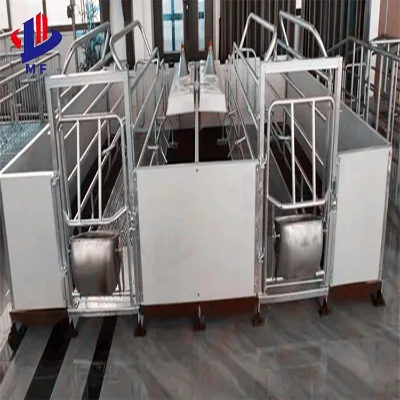
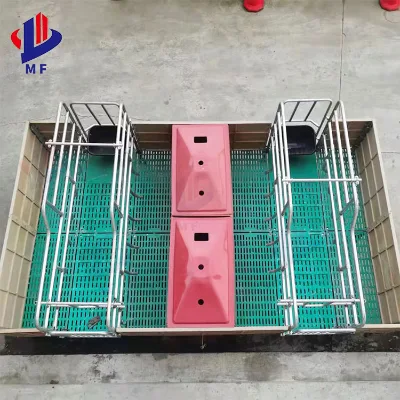


Best Price Factory Direct Pig Farrowing Gestation Bed for Pig Raising
$330.00 - $350.00
MOQ: 50 Pieces


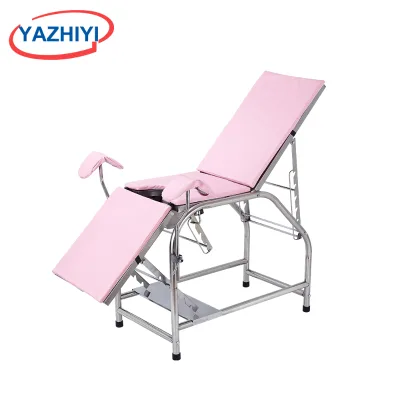
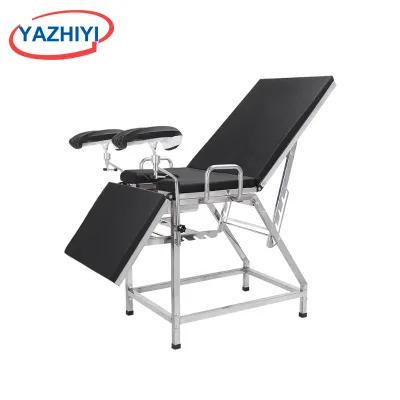


Multiposition Manual Obstetric and Gynecological Bed for Baby Birthing
$2000.00 - $10000.00
MOQ: 2 piece

Intelligent Electric Obstetric and Gynecological Ldr Delivery Bed with Central Brake
$500.00 - $10000.00
MOQ: 1 Pieces

Comprehensive Sourcing Guide
Strategic Sourcing Guide for Floor Standing Galvanized Gestation Beds
Understanding the Core Product Architecture and Technical Specifications
When sourcing floor standing galvanized gestation beds, buyers must first distinguish between the structural frame and the flooring components, as these elements define the product's longevity and animal welfare outcomes. The core architecture typically involves a robust metal framework designed to withstand significant static and dynamic loads. Based on observed market data, the primary structural material is often stainless steel or hot-dip galvanized steel pipe, specifically utilizing Q235 steel in certain configurations. The surface treatment is a critical differentiator; the most prevalent and recommended process for these units is hot-dip galvanizing. This method provides a thick zinc coating that offers superior corrosion resistance compared to electro-galvanizing, which is essential for the harsh, humid, and chemically aggressive environments found in livestock farms.
The flooring component of the gestation bed is equally vital. The product listings indicate a variety of flooring types, including circular plastic floors, cast iron floors, and PVC panels. The plastic floor is frequently highlighted for its ease of cleaning and comfort, while cast iron offers extreme durability. The structural configuration can vary between single-tier and connected systems. A single-tier design is common for individual pens, whereas connected structures allow for modular expansion of the farrowing or gestation area. The dimensions of these units are not uniform; observed specifications range from compact sizes like 2.2m by 0.65m by 1.1m to larger configurations such as 2.4m by 1.8m. Some suppliers offer fully customized sizing, with general dimensions spanning from 2 to 4 meters in length, allowing buyers to tailor the footprint to their specific barn layouts.
The installation method is consistently noted as "floor standing," meaning the unit does not require overhead suspension or complex mounting systems. Instead, it rests directly on the concrete floor, often secured with bolts or designed with a stable base. The weight of these units is substantial, with observed values reaching up to 350 kg, indicating a heavy-duty build intended for long-term use. The structure is described as "connected" in many instances, suggesting that individual pens can be linked to form continuous rows, which streamlines management and feeding processes. The color is often customizable, though grey is a frequently observed standard, allowing for integration into various farm aesthetics or safety color-coding schemes.
Compliance, Certification, and Safety Standards Verification
In the realm of agricultural machinery and livestock equipment, compliance with international and regional standards is a non-negotiable aspect of procurement. Buyers must verify that the supplier can provide valid documentation for certifications such as CE and SGS. These certifications are critical indicators that the product has undergone rigorous testing for safety, structural integrity, and material quality. The CE mark, for instance, suggests conformity with health, safety, and environmental protection standards for products sold within the European Economic Area, while SGS certification often relates to quality inspection and verification services.
While some background information references standards like ISO 3801 or EN 12825, these should be treated as general industry benchmarks rather than guaranteed attributes of every listed product. Buyers should explicitly request the specific test reports associated with the product's model number to confirm that the galvanized coating thickness meets the required specifications for the intended environment. The standard for the steel pipe used in construction is often cited as "hot dip galvanized steel pipe," but the exact thickness of the zinc coating and the grade of the steel (e.g., Q235) must be confirmed in the purchase agreement.
Furthermore, the product's condition is listed as "New," which implies that the buyer should expect a brand-new unit without prior use. However, the warranty period is a crucial compliance metric; a standard warranty of one year is observed in the market data. This warranty should cover structural failures, coating delamination, and defects in the plastic or cast iron flooring. Buyers must ensure that the warranty terms are clearly defined in the contract, including the scope of coverage, the process for filing claims, and the geographical limitations of the warranty service. It is also important to verify that the product's design complies with local animal welfare regulations, which may dictate specific dimensions, spacing, and material safety requirements that go beyond general industry standards.
Cost Drivers and Economic Factors in Procurement
The pricing of floor standing galvanized gestation beds is influenced by a complex interplay of material costs, manufacturing processes, and logistical factors. The observed price range in the market is extremely broad, spanning from $0.01 to $10,000. This wide variance suggests that the price is not a fixed unit cost but rather depends heavily on the specific configuration, material grade, and order volume. The primary cost driver is the material composition; units made entirely of stainless steel will command a higher price than those utilizing Q235 steel with a galvanized coating. Similarly, the type of flooring—whether circular plastic, cast iron, or PVC—significantly impacts the final cost.
The minimum order quantity (MOQ) is another critical economic factor. Data indicates an MOQ range from 1 to 435 units. Buyers purchasing a single item for a small-scale operation will face a higher per-unit cost compared to those placing bulk orders. The high-end MOQ of 435 suggests that suppliers offer significant volume discounts, making it economically viable for large commercial farms to consolidate their procurement. The selling unit is typically listed as a "single item," but the ability to customize the order size allows for flexibility in budget management.
Logistics and packaging also contribute to the total cost of ownership. The standard packing method involves using packing belts followed by palletization, which is essential for protecting the galvanized surface during transit. Some listings mention "sea transportation" as the primary shipping method, which implies that buyers must factor in ocean freight costs, insurance, and import duties. The weight of the product, up to 350 kg per unit, further influences shipping costs, as heavier loads incur higher freight charges. Buyers should request a detailed breakdown of costs, including the unit price, packaging fees, and shipping estimates, to accurately assess the total investment required.
Typical Applications and Operational Scenarios
Floor standing galvanized gestation beds are designed for specific applications within the livestock industry, primarily targeting pig farming operations. The primary use case is for gestation and farrowing, providing a secure and comfortable environment for sows. The product is explicitly categorized under "Livestock Farm" and "Poultry Equipment," though the latter classification may be a broad categorization error in some listings; the detailed specifications clearly point to pig farming as the core application. The beds are suitable for various stages of pig production, including breeding, heat preservation, cleaning, and feeding.
The design features, such as the "strong load" capacity and "connected" structure, make these beds ideal for high-density farming environments where space efficiency and animal safety are paramount. The circular plastic floor or cast iron floor options provide a non-slip surface that reduces the risk of injury to the animals, while the galvanized steel frame ensures the structure remains stable and corrosion-resistant in wet conditions. The "floor standing" installation method allows for easy integration into existing barns without the need for major structural modifications.
The versatility of these units is further enhanced by the availability of customization options. Buyers can specify the color, size, and flooring type to match their specific operational needs. For instance, a farm focusing on heat preservation might prioritize insulated flooring options, while a farm focused on cleaning efficiency might opt for smooth plastic floors that are easy to hose down. The product's ability to function as a "pig crate fence" or "farrowing crate" allows it to serve multiple roles within the farm, reducing the need for separate equipment purchases.
Supplier Evaluation and Geographic Considerations
When evaluating potential suppliers, buyers should prioritize those with a verified track record in manufacturing agricultural equipment. The origin of the product is a significant factor, with the majority of observed listings indicating "Henan, China" as the place of origin. Henan is a known hub for agricultural machinery manufacturing in China, offering a concentration of suppliers with specialized expertise in steel processing and farm equipment design. However, buyers must exercise due diligence to ensure that the supplier is a legitimate manufacturer rather than a trading company, as this affects the quality control and after-sales support capabilities.
Key evaluation criteria should include the supplier's ability to provide detailed technical drawings, material certificates, and certification documents. The presence of a one-year warranty is a positive indicator, but buyers should also inquire about the supplier's response time for warranty claims and their availability of spare parts. The "customization" capability is another important metric; suppliers that offer flexible sizing and design options are better equipped to meet the unique needs of different farm layouts.
Buyers should also consider the supplier's production capacity and lead times. While specific lead times are not provided in the data, the high MOQs and complex manufacturing processes suggest that production may take several weeks. It is advisable to discuss production schedules and delivery timelines early in the negotiation process to avoid delays. Additionally, the supplier's experience with international shipping and their ability to handle export documentation should be verified to ensure a smooth procurement process.
Quality Control and Long-Term Procurement Considerations
Ensuring the quality of floor standing galvanized gestation beds requires a rigorous quality control (QC) process that extends beyond the initial inspection. Buyers should implement a multi-stage QC strategy that includes pre-production material verification, in-process monitoring, and final product inspection. The hot-dip galvanizing process must be strictly controlled to ensure the zinc coating thickness meets the required standards for corrosion resistance. Any defects in the coating, such as bare spots or uneven thickness, can lead to premature rusting and structural failure.
The structural integrity of the frame is another critical quality metric. The "strong load" attribute implies that the unit must withstand the weight of a large sow without bending or collapsing. Buyers should request load test results or third-party verification to confirm that the product meets the specified load-bearing capacity. The flooring material must also be durable and resistant to cracking or chipping, especially in the case of plastic or cast iron options.
Long-term procurement considerations involve planning for maintenance and replacement. The "1 Year" warranty provides a baseline for product reliability, but buyers should also consider the expected lifespan of the equipment, which can be extended through regular maintenance. The "connected" structure allows for modular replacement, meaning that individual units can be replaced without dismantling the entire system. Buyers should also evaluate the availability of replacement parts, such as flooring panels or fasteners, to ensure that the system can be maintained over its full lifecycle.
In conclusion, sourcing floor standing galvanized gestation beds requires a comprehensive understanding of the product's technical specifications, compliance requirements, cost drivers, and supplier capabilities. By carefully evaluating these factors, buyers can make informed decisions that ensure the long-term success and efficiency of their livestock farming operations. The combination of robust materials, advanced surface treatments, and flexible design options makes these units a valuable investment for modern pig farming, provided that the procurement process is conducted with diligence and attention to detail.
FAQs
What material is used for the frame of this bed?
The frame is constructed from stainless steel or hot-dip galvanized steel pipe. Some configurations utilize Q235 steel to ensure structural integrity and corrosion resistance in farm environments.
How is the surface treated to prevent rust?
The surface undergoes an overall hot dip galvanizing process to provide a thick zinc coating. This treatment ensures superior corrosion resistance against the humid and chemically aggressive conditions of livestock farms.
Which flooring options are available for the sow bed?
Available flooring types include circular plastic floors, cast iron floors, and PVC panels. Buyers can select the option that best suits their cleaning requirements and animal comfort needs.
Can the product dimensions be customized for specific farms?
Yes, customization is available for size, color, and flooring type. Standard sizes include 2.4 by 1.8 meters or 2.2 by 0.65 by 1.1 meters, but buyers can request tailored dimensions.
What certifications do these galvanized beds typically hold?
The products commonly hold CE and SGS certifications to verify safety and quality standards. Buyers should request specific test reports to confirm compliance with structural and material requirements.
How is the product packaged for shipping?
Items are packed with belts and then placed on pallets for protection during transit. Some listings specify sea transportation as the primary shipping method for these heavy units.
What is the warranty period for this equipment?
The standard warranty period is one year for new units. This coverage typically includes structural failures and coating defects, though specific terms should be verified in the purchase contract.