Source floor tile polishing machine for marble, granite, and concrete
Find and compare 27 floor tile polishing machine options for marble, granite, and concrete applications. These automatic CNC units feature high precision wet grinding, customizable head counts from 8 to 25, and trusted components like Siemens motors and Mitsubishi PLCs for reliable stone processing.
Key considerations
Products List


Hand Stone Grinding Polishing Granite Marble Tiles Polishing Machine
$2000.00 - $3000.00
MOQ: 1 Pieces


Floor Grinding Stone Marble Granite Slab Polishing Processing Machinery
$11488.00 - $12988.00
MOQ: 1 Pieces

Hot Sale Marble Polishing Machinery Concrete Floor Grinder Tumbling Machine for Stone Polish
$11488.00 - $12988.00
MOQ: 1 Pieces


Professional Grade Granite and Marble Polishing Machine for Precision Results
$40000.00 - $45000.00
MOQ: 1 Pieces

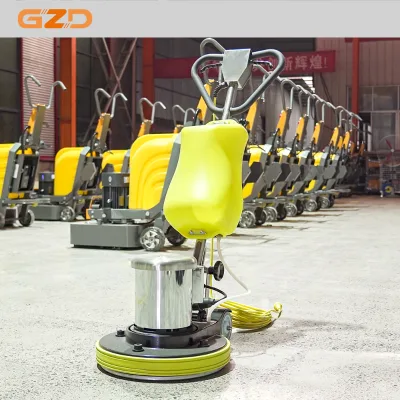
Comprehensive Sourcing Guide
Floor Tile Polishing Machine for Marble and Granite Sourcing Guide
Sourcing industrial stone finishing equipment requires a precise understanding of machine architecture, component quality, and operational parameters. The market for floor tile polishing machines for marble and granite presents a diverse array of configurations, ranging from basic barrel polishers to high-precision CNC disc grinding systems. Buyers must navigate this variety by focusing on verifiable technical specifications rather than marketing claims. This guide provides a structured approach to evaluating these machines, ensuring that procurement decisions are grounded in observable data and industry-standard verification practices.
The following sections detail the critical aspects of sourcing these machines, including product scope, technical verification, compliance documentation, cost analysis, supplier qualification, and long-term maintenance considerations. Each section is designed to help procurement professionals make informed decisions that align with their specific production needs, budget constraints, and quality standards. By adhering to the evidence-based criteria outlined herein, buyers can mitigate risks associated with equipment failure, non-compliance, and inadequate after-sales support.
Product Scope and Observed Listing Signals
The observed product landscape for floor tile polishing machines includes a wide range of types, such as barrel polishing machines, disc grinding machines, and vibration polishing machines. Listings indicate that these machines are primarily designed for processing materials like granite, marble, concrete curbs, cement bricks, jadestone, glass, and ceramics. The automation level is consistently reported as automatic, with control systems often featuring CNC capabilities. This suggests that modern units are equipped with advanced automation for consistent finishing quality, reducing manual intervention and increasing throughput.
Listing signals reveal significant variability in configuration, particularly regarding the number of polishing heads. The observed range spans from 8 heads to 25 heads, allowing buyers to select machines that match their specific production volume requirements. Additionally, the tile width processing capability varies, with observed minimum widths of 300mm and maximum widths up to 2100mm. This flexibility is crucial for manufacturers producing diverse tile sizes, from small mosaic pieces to large-format floor tiles. Buyers should verify these specifications against their actual production needs to ensure optimal machine utilization.
Technical Specifications to Verify
When evaluating technical specifications, the grinding method is a critical differentiator. Many observed units utilize wet grinding, which helps in dust control and achieving a high-gloss finish. However, buyers must confirm whether the machine supports dry grinding or other specialized methods if their process requires it. The precision level is often described as high precision, but this should be validated through technical datasheets that specify tolerance levels and surface finish quality. Understanding the specific grinding method and precision capabilities is essential for ensuring the machine meets the desired output quality.
Component quality is another vital aspect of technical verification. Observed listings highlight the use of reputable brands for key components, such as Siemens motors, FUJI contactors, Mitsubishi or Panasonic PLCs, and Japan Yaskawa inverters. Linear guides from Taiwan Hiwin and bearings from Japan NSK are also commonly cited. These components are known for their reliability and longevity, which directly impact the machine's operational efficiency and maintenance costs. Buyers should request detailed component lists to verify the brands and models used, ensuring that the machine is built with high-quality, durable parts.
Compliance and Safety Documentation
Compliance with international safety and quality standards is non-negotiable for industrial machinery. Observed certifications include CE, ISO, GOST, SONCAP, UL, CCC, and API, indicating that many manufacturers adhere to multiple regulatory frameworks. The CE mark is particularly important for buyers in the European market, as it signifies conformity with health, safety, and environmental protection standards. Buyers must verify that the certification documents are valid and issued by recognized bodies, ensuring that the machine meets the specific regulatory requirements of their target market.
Safety features and operational documentation are equally important. Buyers should request comprehensive user manuals, safety guidelines, and maintenance schedules from the supplier. These documents should clearly outline emergency stop procedures, electrical safety protocols, and routine maintenance tasks. Additionally, verifying the machine's electrical specifications, such as the observed 380V/50Hz standard, is crucial to ensure compatibility with the buyer's facility power supply. Buyers should also inquire about the availability of alternative electrical configurations if their facility operates on a different voltage or frequency.
Cost Drivers and Commercial Terms
The cost of floor tile polishing machines is influenced by several factors, including the number of heads, automation level, component quality, and customization options. Observed price ranges vary significantly, reflecting the diversity in machine specifications and capabilities. Buyers should consider the total cost of ownership, which includes not only the initial purchase price but also installation, maintenance, and energy consumption costs. Higher-priced machines with premium components may offer better long-term value due to reduced downtime and lower maintenance requirements.
Commercial terms such as minimum order quantity (MOQ), packaging, and shipping arrangements also impact the overall procurement cost. Observed MOQs range from 1 to 10 units, providing flexibility for both small and large buyers. Packaging methods vary, with some machines shipped in 2*40ft containers and others in single containers, fully wrapped with waterproof membranes to protect against transit damage. Buyers should negotiate clear terms regarding shipping, insurance, and delivery timelines to avoid unexpected costs and delays. Understanding these commercial terms is essential for accurate budgeting and project planning.
Supplier Qualification and Quality Control
Supplier qualification is a critical step in the sourcing process. Buyers should assess the supplier's manufacturing capabilities, quality control processes, and after-sales service offerings. Observed listings indicate that many suppliers offer overseas engineer support for installation and training, which is a valuable service for international buyers. Buyers should verify the supplier's experience in exporting similar machines and request references from existing customers to gauge their reliability and service quality.
Quality control measures should be clearly defined and agreed upon before placing an order. Buyers should inquire about the supplier's inspection procedures, including pre-shipment inspections and factory acceptance tests. Requesting detailed technical drawings and specifications can help ensure that the machine meets the buyer's exact requirements. Additionally, buyers should consider engaging third-party inspection services to verify the machine's quality and compliance before shipment. This proactive approach helps mitigate risks and ensures that the purchased equipment meets the expected standards.
Long-Term Procurement Checks
Long-term procurement success depends on the availability of spare parts and ongoing technical support. Buyers should verify the supplier's inventory of spare parts and their lead times for delivery. Machines with widely available spare parts and quick delivery times minimize downtime and ensure continuous production. Additionally, buyers should assess the supplier's warranty terms, with observed guarantees typically ranging from 12 months to 1 year. Understanding the warranty coverage and the process for claiming warranty services is essential for protecting the investment.
Regular maintenance and performance monitoring are also key to long-term machine reliability. Buyers should establish a routine maintenance schedule based on the supplier's recommendations and monitor the machine's performance metrics, such as polishing speed and surface finish quality. Investing in operator training ensures that the machine is used correctly, reducing the risk of damage and extending its lifespan. By focusing on these long-term procurement checks, buyers can maximize the value of their investment and maintain high-quality production standards over time.
FAQs
What is the minimum tile width this machine can process?
The minimum tile width this machine can process is 300mm. The maximum width supported reaches 2100mm, allowing for versatile handling of various stone slab sizes during the polishing operation.
Which certifications does the machine hold for international safety?
The machine holds multiple international certifications including CE, ISO, GOST, SONCAP, UL, CCC, and API. These ensure compliance with diverse regional safety and quality standards for global deployment.
Can the machine be customized for specific production needs?
Yes, customization is available for this stone polishing machine. Buyers can select configurations ranging from 8 to 25 heads to match their specific throughput requirements and production volume targets.
What is the guaranteed warranty period for this equipment?
The standard guarantee period for this equipment is 1 year. Some specific models may offer a 12-month warranty, ensuring coverage for initial operational issues and component reliability.
Which brands are used for the motor and control systems?
The machine utilizes Siemens motors and Mitsubishi or Panasonic PLCs for control. Critical components like inverters, bearings, and linear guides are sourced from Japan and Taiwan for enhanced durability.
How is the machine packed for international shipping?
The machine is packed in containers, with options for 1 container per set or 2*40 open containers per set. Some units are fully wrapped with a waterproof membrane to protect against moisture.
What materials can this polishing machine effectively process?
This machine effectively processes granite, marble, concrete curb, cement brick, jadestone, glass, and ceramics. It is designed as a versatile stone polishing solution for multiple hard material types.