Source Foam Velvet Insert Jewelry Box for Packaging, Gifts, and Retail
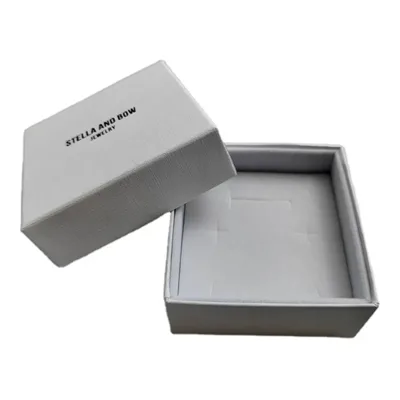
Find 30 Foam Velvet Insert Jewelry Box options from China. Compare materials like velvet and PU leather, sizes, and customization services for jewelry packaging needs. Evaluate lead times, MOQs, and logo printing methods to select the best supplier for your specific requirements and budget constraints.
Key considerations
Products List
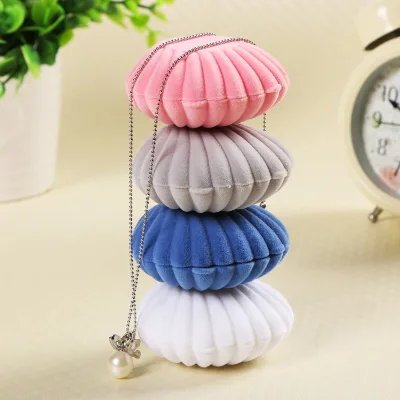

Blue Velvet Jewelry Box Insert Velvet Travel Jewelry Box Velvet Logo Jewellery Box
$0.20 - $3.00
MOQ: 500 Pieces




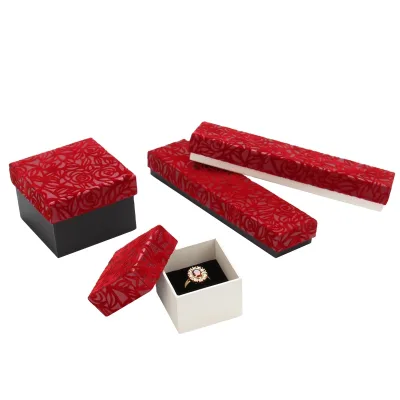
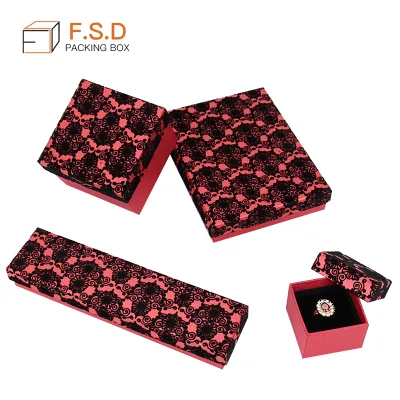


New Fashion Silk Ribbon Paper Jewelry Gift Packaging Boxes with Foam Insert
$0.75 - $0.85
MOQ: 1000 Pieces


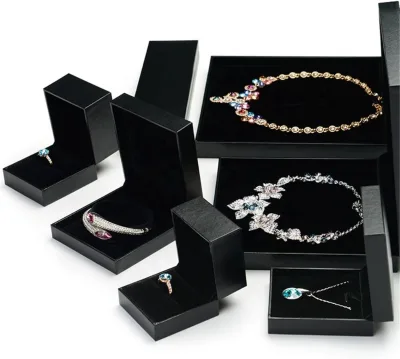
Book Type Black Jewelry Box Cardboard Jewelry Boxes with Velvet Foam Holder
$0.40 - $0.80
MOQ: 1000 Pieces


Comprehensive Sourcing Guide
Foam Velvet Insert Jewelry Box Sourcing Guide
This guide addresses the specific procurement needs for foam velvet inserts designed for jewelry packaging, focusing on the observed market data from Chinese manufacturing hubs. Buyers must distinguish between generic foam products and specialized inserts that utilize velvet or suede linings to protect delicate items. The observed listings indicate a strong preference for customizable designs, with suppliers offering OEM services to match specific brand aesthetics. Understanding the distinction between the outer box material and the internal insert composition is critical for ensuring the final product meets luxury packaging expectations.
Procurement decisions should prioritize suppliers who explicitly state their capability to handle custom logo applications and specific color requirements like blue, pink, or white. The market data reveals a wide range of single package sizes, suggesting that buyers must verify dimensions against their specific jewelry inventory rather than assuming standard sizing. Additionally, the availability of recycled materials in some listings offers a potential sustainability angle, but this requires direct confirmation with the manufacturer to ensure it aligns with corporate responsibility goals.
Product Scope and Observed Listing Signals
The observed product scope centers on single-layer jewelry packaging solutions that combine structural foam with soft velvet or PU leather inserts. Listings frequently highlight the ability to customize the design, including the option to accept custom logos through hot stamping or silk screen printing. Buyers should note that while some products are described as having recycled material features, the primary function remains the protection and presentation of jewelry items within a compact, single-item package.
Market signals indicate a diverse range of color options and insert materials, including suede, satin, and fabric, which allows for significant differentiation in the final product. The observed price range of 0.01 to 8 USD suggests a highly competitive market where volume and customization complexity drive the final cost. Buyers must carefully review the single gross weight and package dimensions, as these vary significantly between models like BL-00054 and CVB1251, impacting shipping calculations and storage requirements.
Technical Specifications to Verify
Buyers must rigorously verify the physical dimensions and density of the foam inserts to ensure they fit the intended jewelry pieces securely. The observed data lists specific sizes such as 65.53cm and varying densities ranging from 20 to 96kg/M3, which directly influence the hardness and protective qualities of the insert. It is essential to confirm whether the hardness falls within the 18-60 range observed in some listings, as this determines the firmness required to hold rings or necklaces without deformation.
The material composition of the inserts requires detailed scrutiny, as suppliers offer options ranging from velvet and PU leather to fabric and satin. Verification should extend to the outer shell material, with velvet being a common exterior choice, and the internal lining must be checked for softness and elasticity. Buyers should also confirm the specific technology used, such as CNC engraving or laser cutting, to ensure the precision of the cutouts matches the intricate shapes of the jewelry being packaged.
Compliance and Safety Documentation
While the supplied facts do not explicitly list specific international safety certifications, buyers must request documentation regarding the chemical safety of the foam and fabric materials used. Since the inserts are designed for direct contact with jewelry, which may be worn by consumers, verifying that the materials are free from harmful substances is a critical compliance step. The absence of stated certifications in the general listing data means that the buyer cannot assume compliance and must demand test reports for flammability and toxicity before placing large orders.
Documentation regarding the manufacturing process and material sourcing is equally important for brands with sustainability mandates. Some listings mention the use of recycled materials, but this claim requires third-party verification to be valid for marketing purposes. Buyers should also ensure that the packaging materials, such as the cartons or paper sleeves mentioned in the data, meet local recycling standards in their target markets to avoid regulatory issues upon import.
Cost Drivers and Commercial Terms
The commercial terms observed in the market indicate a standard requirement for a 30% deposit via T/T before production begins, which is a common practice for custom manufacturing. The minimum order quantity (MOQ) varies significantly, with some listings showing 500 pieces while others suggest ranges up to 3000, directly impacting the unit cost and cash flow requirements for the buyer. Understanding these thresholds is vital for small businesses that may need to negotiate lower MOQs or consolidate orders to meet the supplier's volume requirements.
Lead times are a major cost driver, with sample times ranging from 7 to 15 days and bulk lead times averaging about 30 days. These timelines can fluctuate based on the complexity of the customization, such as the need for specific logo printing or unique mold sizes. Buyers must factor in these durations when planning their inventory cycles, as delays in sample approval or bulk production can disrupt the entire supply chain and increase holding costs for finished goods.
Supplier Qualification and Quality Control
Supplier qualification should focus on verifying their status as a direct manufacturer, as some listings claim to be a "100% Manufacturer" to reduce middleman costs. Buyers must confirm the location of the factory, with Guangdong and Changzhou being the primary origins observed, to assess the logistical feasibility and potential tariffs associated with importing from these regions. The claim of 24-hour online service suggests a responsive support structure, but this should be validated through direct communication to ensure reliability during the production phase.
Quality control processes are a critical differentiator, with some suppliers explicitly stating a 100% QC inspection before shipment. Buyers should request a detailed quality control plan that outlines how defects in the velvet lining or foam density are identified and rectified. The ability to provide sample files in formats like PDF, CDR, and AI indicates a mature design workflow, but the final product must still be inspected against the approved sample to ensure consistency in color, texture, and structural integrity.
Long-Term Procurement Checks
Establishing a long-term partnership requires regular audits of the supplier's ability to maintain consistent quality and adhere to agreed-upon lead times. Buyers should implement a system for periodic re-inspection of the foam density and fabric softness, as these attributes can degrade over time if the supplier changes raw material sources. The observed variety of insert materials, including velvet and PU leather, necessitates ongoing verification to ensure that the tactile experience of the packaging remains consistent with the brand's luxury positioning.
Future procurement strategies should also account for the scalability of the supplier's production capabilities, particularly regarding custom mold sizes and design changes. As the business grows, the ability to handle larger volumes without compromising the 30-day bulk lead time will be essential. Buyers should maintain open communication channels to discuss potential innovations, such as new eco-friendly materials or advanced cutting technologies, to keep the product competitive in the evolving jewelry packaging market.
FAQs
What materials are used for foam velvet inserts?
The inserts utilize soft, elastic, and waterproof foam with densities ranging from 20 to 96kg/M3. Available lining options include velvet, PU leather, suede, satin, and various fabrics. These materials ensure jewelry protection while offering hardness levels between 18 and 60 for optimal cushioning and durability during shipping and storage.
Can I customize the design and logo?
Yes, OEM services are available for customized designs and logos. You can provide logo files in PDF, CDR, PSD, AI, or JPG formats. Customization options include hot stamping, silk screen printing, embossing, and general printing. The manufacturer accepts custom requests to align with your specific branding and packaging requirements.
What is the minimum order quantity for production?
The standard minimum order quantity is 500 pieces. However, observed ranges indicate that some suppliers may accept orders starting from 50 pieces up to 3000 pieces depending on the specific configuration. Buyers should confirm the exact MOQ with the factory, as it may vary based on customization complexity and material selection.
How long does production take for bulk orders?
Bulk production typically requires about 30 days after deposit confirmation. Sample preparation takes approximately 7 to 15 days, with sample lead time around 7 days. Buyers should plan their procurement schedule accordingly, considering these timelines alongside shipping methods such as express, sea, air, train, or truck transport options.
What payment terms are accepted by the factory?
The factory accepts TT payment with a 30% deposit required to initiate production. This standard term ensures commitment from both parties before manufacturing begins. Buyers should arrange the remaining balance according to the supplier's specific invoice terms. Always verify current payment policies directly with the manufacturer to ensure smooth transaction processing.
Where are these jewelry boxes manufactured?
These products are manufactured in China, specifically originating from Guangdong and Changzhou regions. The business type is identified as a China factory, indicating direct manufacturing capabilities. Buyers can expect standard mold sizes and custom standards based on their requested specifications, ensuring quality control through 100% inspection processes before shipment.