Source Foam Trumpet Case for trumpet, double bass, and travel
Compare 30 Foam Trumpet Case options from Jiangsu and Guangdong suppliers. Buyers can evaluate materials like EVA and ABS, sizes from 1/8 to 4/4, and features including waterproof and shockproof protection for various musical instruments.
Key considerations
Products List
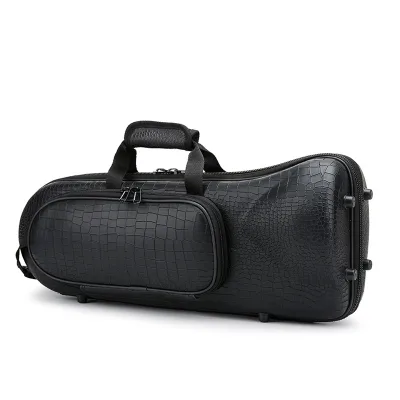
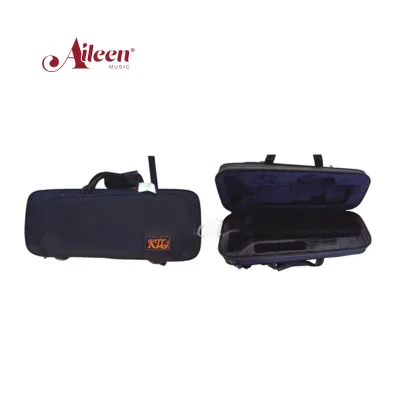
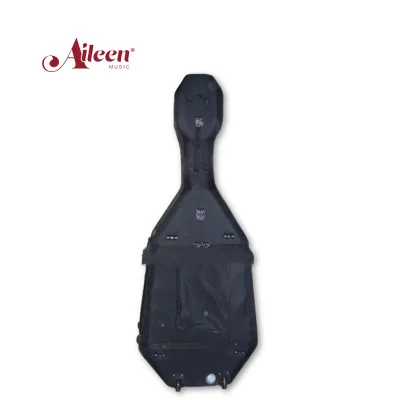
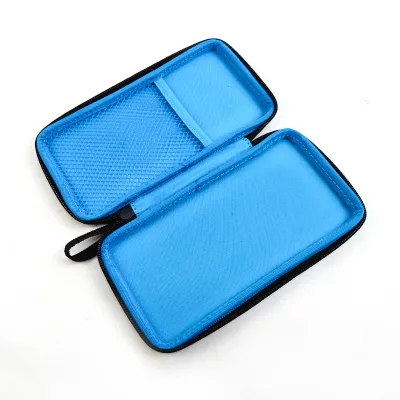
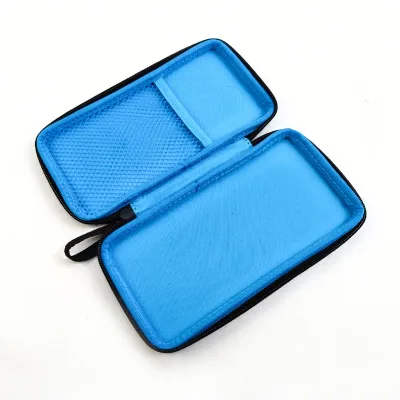
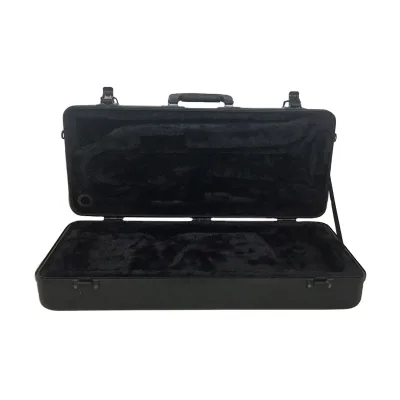
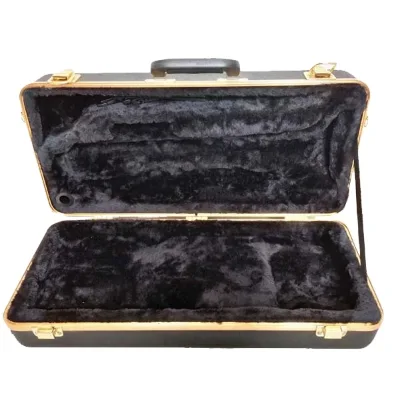


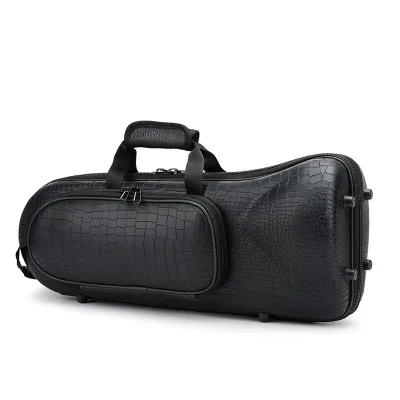
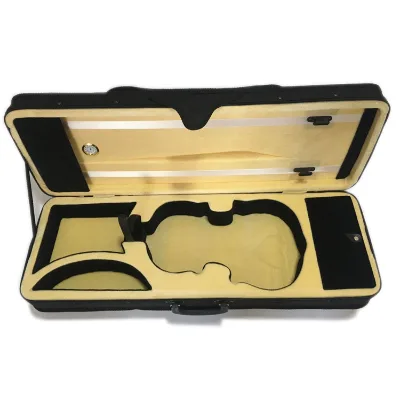
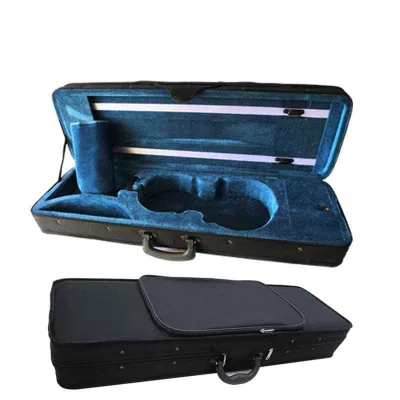
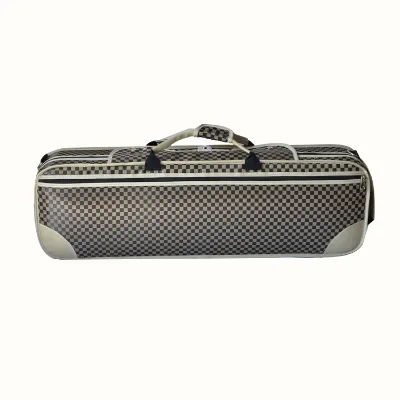
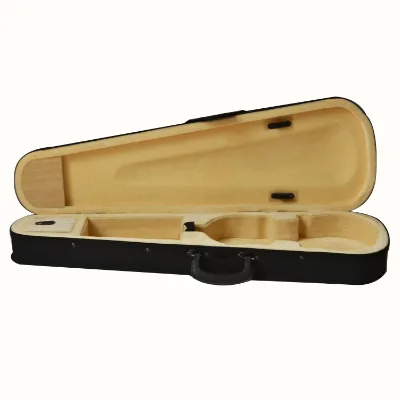
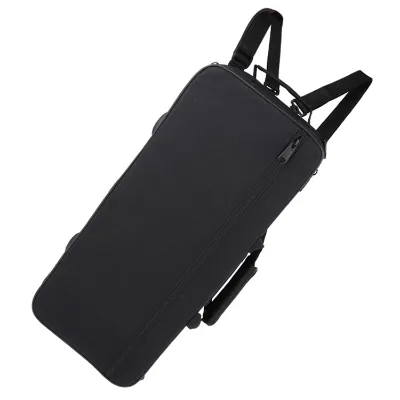
Customize Portable EVA Protective Trumpet Storage Box Musical Trumpeter Hard Case
$8.34 - $10.43
MOQ: 1000 pieces



Comprehensive Sourcing Guide
Strategic Sourcing Guide for Foam Trumpet Cases
Understanding Product Composition and Material Variants
When sourcing a Foam Trumpet Case, the primary objective is to identify a product that balances protection, weight, and durability. The market offers distinct material configurations, each serving different protection profiles. Based on available industry data, the core material for many trumpet cases is explicitly identified as Foam. This material is often selected for its ability to absorb shock and cushion the instrument against impact during transit. However, a comprehensive sourcing strategy must also account for composite material structures. Some high-end or specialized cases utilize a combination of PU (Polyurethane), EVA (Ethylene-Vinyl Acetate), and Spandex. This tri-layer construction suggests a design where EVA provides a rigid outer shell for structural integrity, PU offers a smooth, water-resistant finish, and Spandex adds a soft, flexible interior lining to prevent scratching.
Another prevalent material category involves ABS (Acrylonitrile Butadiene Styrene). While not a foam in the traditional sense, ABS cases are often grouped with foam-lined options because they frequently incorporate internal foam padding. These rigid shells offer superior resistance to crushing forces compared to soft foam-only cases. Buyers must distinguish between a case that is entirely foam and one that is a hard shell with foam inserts. The observed product attributes indicate that EVA is also a standalone material used in similar applications, often marketed for its lightweight and water-resistant properties. When evaluating suppliers, it is critical to verify the specific material composition, as "foam" can refer to the internal lining or the entire structural body of the case.
Technical Specifications and Dimensional Standards
The physical dimensions of a trumpet case are not uniform; they vary significantly based on the intended instrument size and the manufacturer's design philosophy. Sourcing guides must emphasize the importance of matching the case size to the specific trumpet model. Data indicates that available sizes include standard fractional measurements such as 4/4, 3/4, 1/2, 1/4, and 1/8. These correspond to full-size trumpets down to student or child-sized instruments. A single product listing might offer a range of these sizes, while others may offer Custom Size options, which are particularly relevant for professional musicians with non-standard instruments or specific equipment needs.
Beyond the internal dimensions, the external packaging size is a critical logistical factor. Observed specifications list single package sizes ranging from compact dimensions like 20.5 x 10 x 2.8 cm for smaller accessories or travel cases, to larger dimensions such as 50 x 45 x 28 cm for full-sized trumpet storage. The gross weight of these units also varies, with observed data points showing weights as low as 0.8 kg for lighter EVA or foam cases and up to 9.000 kg for heavier, fully equipped ABS or hard-shell units. When requesting quotes, buyers should explicitly request the single package size and gross weight to calculate accurate freight costs. The model numbers associated with these specifications, such as TPC002, CSB001, S1119, 0815, and JE004, serve as unique identifiers for these specific configurations.
Compliance, Certification, and Safety Standards
In the B2B procurement of musical instrument accessories, verifying compliance and safety certifications is essential for risk management. While many products are marketed with general features like Waterproof, Shockproof, and Dustproof, these are functional claims that require validation. For buyers operating in regulated markets, the presence of specific certifications is a key differentiator. One observed attribute explicitly lists ISO9001 as a certificate held by a supplier. This standard indicates that the manufacturer has a quality management system in place, which is a strong indicator of consistent production processes.
Buyers should also investigate the "Eco-friendly" claims often associated with modern foam and EVA materials. The attribute list mentions Eco-friendly as a feature, but without specific third-party testing data or recognized environmental standards (such as REACH or RoHS compliance), this remains a marketing observation. It is the buyer's responsibility to request test reports or certification documents that substantiate these environmental claims. Furthermore, the "Shockproof" and "Dustproof" features should be verified against specific industry standards for impact resistance and ingress protection (IP ratings), although such specific ratings were not observed in the provided data. Suppliers should be asked to provide evidence of how their cases meet these performance criteria, especially for high-value instruments.
Cost Drivers and Pricing Dynamics
The pricing of foam trumpet cases is influenced by a complex interplay of material costs, manufacturing complexity, and order volume. The observed market data reveals a wide price range, with listed prices spanning from $1.3 to $700. This vast disparity suggests that the market includes both low-cost, mass-produced soft cases and high-end, custom-engineered hard shells. The lower end of the spectrum likely corresponds to simple foam or EVA cases with minimal branding, while the upper end reflects cases with advanced features like custom molding, high-grade ABS shells, and integrated locking mechanisms.
Minimum Order Quantity (MOQ) is another significant cost driver. The observed MOQ range extends from 1 to 1000 pieces. Suppliers with an MOQ of 500 pcs or higher often offer lower unit prices due to economies of scale, whereas suppliers accepting orders as low as 1 piece typically charge a premium for handling small batches. The supply ability also impacts cost; some suppliers list a capacity of 2000 pieces per month, while others are limited to 100 pieces per month. Higher supply capacity often correlates with more stable pricing and better availability during peak seasons. Buyers must balance their budget against their volume requirements, understanding that custom features like Customized Color or Customized Logo will invariably increase the unit cost and potentially raise the MOQ threshold.
Supplier Evaluation and Operational Capabilities
Selecting the right supplier requires a thorough evaluation of their operational capabilities and brand flexibility. The product data indicates that suppliers operate under various brand models, including Aileen, BRN, OEM, and Custom. This suggests a market that supports both branded distribution and private label manufacturing. The attribute OEM/ODM: Warmly Welcomed and OEM/ODM: Yes confirms that many manufacturers are open to custom branding and design modifications. For buyers looking to create a private label, it is essential to confirm the supplier's capacity for logo customization and their willingness to adhere to specific design specifications.
Geographic origin is a critical factor in supplier selection. The data points to two primary manufacturing hubs: Jiangsu, China and Guangdong, China. Both regions are known for their robust manufacturing ecosystems, but they may differ in specialization and logistics. The Port of dispatch is consistently listed as Shanghai Port, which is a major global shipping hub. This centralization simplifies logistics for international buyers, as most suppliers likely utilize the same major port for export. However, buyers should verify the specific factory location relative to the port to estimate inland transportation costs and lead times. Additionally, the Packaging Details are noted as "Normal exporting package," but for high-value shipments, buyers should negotiate for reinforced packaging to prevent damage during transit.
Quality Control and Long-Term Procurement Strategy
Ensuring long-term quality requires a proactive approach to quality control (QC) and supplier relationship management. The observed features such as Waterproof, Shockproof, and Dustproof are not guarantees of performance but rather design intentions. To mitigate risk, buyers should implement a rigorous QC protocol that includes pre-shipment inspections. This should involve checking the integrity of the foam lining, the durability of the zippers or latches, and the accuracy of the dimensions against the specified model numbers. For cases made of ABS or PU+EVA+Spandex, visual inspection for surface defects and structural rigidity is paramount.
Long-term procurement considerations also involve supply chain resilience. With supply abilities ranging from 100 to 2000 pieces per month, buyers must assess whether the supplier can scale production to meet fluctuating demand. The Selling Units are listed as "Single item," which implies flexibility for small orders, but for large-scale contracts, buyers should negotiate volume discounts and secure production slots. The availability of Customized Color and Customized Logo options adds value but introduces complexity; buyers should ensure that the supplier has the capability to maintain color consistency and logo placement accuracy over multiple production runs. Finally, maintaining open communication regarding the Model Number (e.g., TPC002, CSB001) ensures that the exact specifications are met in every shipment, preventing costly errors or mismatches in the final product.
Comparative Analysis of Case Types
To assist buyers in making informed decisions, the following table summarizes the key attributes of the observed product types, highlighting the trade-offs between material, size, and intended use.
| Attribute | Foam/Soft Case | ABS/Hard Shell Case | EVA Composite Case |
|---|---|---|---|
| Primary Material | Foam | ABS | PU + EVA + Spandex |
| Typical Weight | ~0.8 kg | ~9.0 kg | Variable |
| Key Features | Lightweight, Shock-absorbent | Crush-resistant, Rigid | Waterproof, Durable |
| Common Sizes | 4/4, 3/4, 1/2, 1/4, 1/8 | 4/4, 3/4, 1/2, 1/4, 1/8 | Custom Size |
| MOQ Range | 1 - 1000 pcs | 500 pcs (observed) | 1 - 1000 pcs |
| Certification | ISO9001 (Supplier dependent) | ISO9001 (Supplier dependent) | ISO9001 (Supplier dependent) |
| Best Application | Travel, Student Use | Professional, High Security | General Travel, Outdoor |
This comparison underscores that there is no single "best" case; the optimal choice depends on the specific needs of the end-user, whether they prioritize portability, maximum protection, or environmental resistance. By carefully analyzing these attributes against the supplier's capabilities, buyers can construct a procurement strategy that minimizes risk and maximizes value.
FAQs
What materials are used for foam trumpet cases?
Foam is the primary material, though some cases use PU, EVA, and Spandex composites. Others may feature ABS shells with internal foam padding. Buyers should verify the specific composition to ensure adequate protection and durability for their instrument.
Which sizes are available for trumpet cases?
Standard sizes include 4/4, 3/4, 1/2, 1/4, and 1/8 to fit various trumpet models. Some suppliers also offer custom sizes for non-standard instruments. Selecting the correct fractional size is essential for a proper fit and protection.
Can I find trumpet cases with ISO9001 certification?
Yes, some manufacturers hold ISO9001 certification for their quality management systems. This indicates consistent production processes but does not guarantee specific product performance. Buyers should request documentation to verify the certification status before placing orders.
What is the typical MOQ for these cases?
Minimum Order Quantities range from 1 piece to 1000 pieces depending on the supplier. Some vendors require a minimum of 500 pieces for standard orders. Lower MOQs often come with higher unit prices compared to bulk purchases.
How much do foam trumpet cases cost?
Listed prices vary widely from 1.3 to 700 USD based on material and features. Simple foam cases are at the lower end, while custom ABS or hard-shell options are higher. Final cost depends on order volume and specific customization requirements.
Where are these cases manufactured?
Products originate from Jiangsu and Guangdong provinces in China. Most suppliers dispatch goods via Shanghai Port. Buyers should confirm the specific factory location to estimate inland logistics costs and lead times accurately.
Do these cases offer waterproof and shockproof protection?
Many listings claim features like waterproof, shockproof, and dustproof capabilities. These are design attributes that require verification against specific industry standards. Buyers should request test reports to confirm the actual performance levels for their needs.