Source Foldable Fabric Drawer Organizer for Home Storage
Compare 30 Foldable Fabric Drawer Organizer options for home storage needs. Evaluate features like stackable design, dust-proof material, and customizable sizes to find the right solution for your inventory; compare the available evidence and request quotations based on your requirements.
Key considerations
Products List


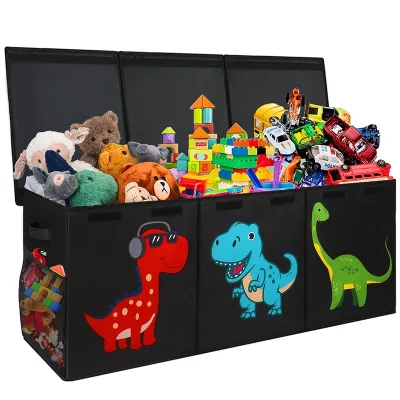

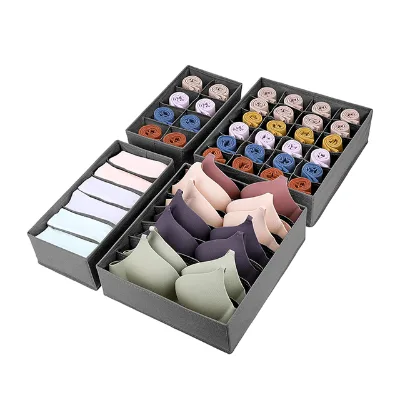
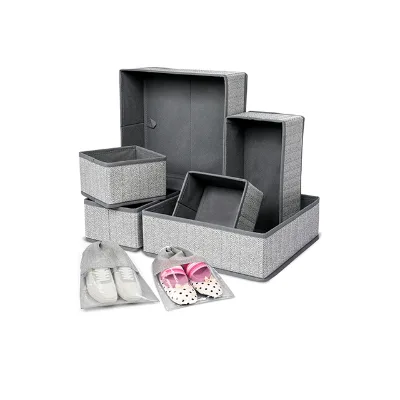


Non-Woven Fabric Folding Cloth Wardrobe Lightweight Organizer for Bedroom
$7.23 - $8.33
MOQ: 500 Pieces

3 Sets of Foldable Cloth Storage Boxes Closet Drawer Organizer for Socks
$1.53 - $1.66
MOQ: 2000 Pieces


Foldable Cloth Canvas Organizer Box Storage Closet Dresser Drawer Organizer for Clothes
$1.42 - $1.55
MOQ: 500 Pieces


Storage Box Collapsible Clothes Organizer for Jeans Foldable Clothing Storage Box
$0.80 - $1.80
MOQ: 1000 Pieces
Comprehensive Sourcing Guide
Foldable Fabric Drawer Organizer Sourcing Guide
Procuring foldable fabric drawer organizers requires a strategic approach that balances aesthetic versatility with functional durability. These storage solutions are increasingly popular in home organization sectors due to their space-saving design and ease of assembly. Buyers must navigate a market characterized by diverse material compositions, ranging from simple linen blends to more robust cotton-linen mixes, each offering distinct tactile and visual properties. The primary value proposition lies in the ability to customize dimensions and colors to match specific interior design schemes, making these items highly adaptable for retail and direct-to-consumer channels.
The sourcing landscape is dominated by manufacturers in China, particularly in regions like Jiangsu, which serve as major hubs for textile and home goods production. This geographic concentration offers logistical advantages but also necessitates rigorous due diligence regarding supply chain transparency. Buyers should focus on verifying the actual material composition and structural integrity of the folding mechanisms, as these are critical factors influencing product longevity and customer satisfaction. Understanding the specific manufacturing capabilities of suppliers is essential to ensuring that the final product meets the expected quality standards for both domestic and international markets.
Product Scope and Observed Listing Signals
The current market for foldable fabric drawer organizers presents a wide array of options, with observed price points ranging from $0.50 to $10.00 USD. This broad spectrum reflects variations in material quality, branding, and order volume, with minimum order quantities typically starting at 100 pieces and extending up to 3,000 pieces. Listings frequently highlight features such as foldability, stackability, and dust-proof capabilities, which are key selling points for consumers seeking efficient storage solutions. The style trends lean towards modern and simple designs, often available in neutral colors like gray, beige, brown, and green to suit various home decor preferences.
Specific product models observed in the market include identifiers such as MU-Y54, MU-Y08, and MU-Y46, each associated with distinct dimensional standards. For instance, some units measure 40x10x10 cm, while others offer larger capacities like 46 liters with dimensions of 30x30x30 cm. These variations allow buyers to curate product lines that cater to different storage needs, from small drawer inserts to larger wardrobe organizers. The presence of customization options further expands the scope, enabling businesses to tailor products to specific client requirements, thereby enhancing market competitiveness and brand differentiation.
Technical Specifications to Verify
When evaluating technical specifications, buyers must prioritize the verification of material composition and structural dimensions. Common materials include linen, cotton and linen blends, and fabric variants, each offering different levels of durability and aesthetic appeal. It is crucial to confirm the exact weight and volume of each unit, as these factors impact shipping costs and perceived value. For example, some models weigh as little as 0.15 kg, while others may weigh up to 0.61 kg, indicating differences in material thickness and construction quality. Accurate specification verification ensures that the product aligns with the intended use case, whether for lightweight clothing storage or heavier household items.
Dimensional accuracy is another critical aspect that requires careful attention. Standard sizes observed include 40x27x17 cm and 50x38x30 cm, with some products offering customizable dimensions to meet specific client needs. Buyers should request detailed technical drawings or samples to verify that the folded and unfolded states meet the advertised measurements. Additionally, the disassembly features, such as whether a product is designed to be undissembled or easily taken apart, should be confirmed. This information is vital for assessing the ease of storage and maintenance, which are key factors in customer satisfaction and product longevity.
Compliance and Safety Documentation
Compliance and safety documentation are essential for ensuring that foldable fabric drawer organizers meet international regulatory standards. Buyers should verify that suppliers provide necessary certifications related to material safety, particularly for textiles that may come into direct contact with clothing or skin. While specific certification statuses are not universally disclosed, it is advisable to request test reports for flammability, chemical content, and physical durability. These documents help mitigate risks associated with product liability and ensure that the goods comply with the regulatory requirements of the target market.
In addition to material safety, buyers should inquire about packaging standards and labeling requirements. The observed packaging methods include box and carton formats, which must be robust enough to protect the product during transit. Proper labeling, including country of origin and material composition, is crucial for customs clearance and consumer information. Buyers should also verify that the suppliers adhere to ethical manufacturing practices, as this can impact brand reputation and market access. Ensuring comprehensive compliance documentation is a proactive step that safeguards against potential legal and operational disruptions.
Cost Drivers and Commercial Terms
Cost drivers for foldable fabric drawer organizers include material selection, customization complexity, and order volume. The use of premium materials like cotton-linen blends or specific color options can increase production costs, while standard configurations may offer more competitive pricing. Minimum order quantities typically range from 100 to 3,000 pieces, with larger orders often benefiting from economies of scale. Buyers should negotiate terms that align with their inventory management strategies, considering factors such as lead times and payment schedules. Understanding these cost dynamics is essential for maintaining healthy profit margins and ensuring sustainable procurement practices.
Commercial terms also encompass delivery times and logistical arrangements. Observed lead times range from 15 to 30 days, depending on the order size and customization requirements. Buyers should clarify these timelines during the negotiation phase to avoid supply chain disruptions. Additionally, the choice of packaging, whether box or carton, can impact shipping costs and storage efficiency. It is advisable to establish clear agreements on quality control procedures and return policies to address any potential issues post-delivery. Transparent commercial terms foster trust and facilitate smoother business operations between buyers and suppliers.
Supplier Qualification and Quality Control
Supplier qualification is a critical step in the sourcing process, requiring thorough vetting of manufacturing capabilities and quality assurance systems. Buyers should assess the supplier’s production capacity, technological infrastructure, and experience in handling similar products. Visiting the factory or conducting virtual audits can provide valuable insights into the operational efficiency and adherence to quality standards. It is also important to verify the supplier’s ability to meet customization requests, as this flexibility can be a significant competitive advantage in the market.
Quality control measures should be integrated into the procurement process to ensure consistent product quality. Buyers should establish clear quality benchmarks and conduct regular inspections during production and before shipment. This includes checking for defects in stitching, material consistency, and dimensional accuracy. Implementing a robust quality control protocol helps minimize the risk of receiving substandard products and reduces the likelihood of customer complaints. By prioritizing supplier qualification and rigorous quality control, buyers can build a reliable supply chain that supports long-term business success.
Long-Term Procurement Checks
Long-term procurement checks involve continuous monitoring of supplier performance and market trends to ensure sustained value. Buyers should regularly review supplier metrics, such as on-time delivery rates, product quality consistency, and responsiveness to issues. Establishing key performance indicators (KPIs) can help track these metrics and identify areas for improvement. Additionally, staying informed about emerging trends in home organization and storage solutions can help buyers adapt their product offerings to meet changing consumer demands. This proactive approach ensures that the procurement strategy remains relevant and competitive in a dynamic market environment.
Building strong relationships with suppliers is also crucial for long-term success. Open communication and collaborative problem-solving can lead to better pricing, improved product quality, and enhanced service levels. Buyers should consider developing strategic partnerships with key suppliers to secure preferential treatment and access to new innovations. Regularly revisiting and updating procurement policies and procedures can help address any emerging challenges and optimize the sourcing process. By focusing on long-term relationship building and continuous improvement, buyers can achieve greater stability and efficiency in their supply chain operations.
FAQs
What are the standard dimensions for these foldable fabric drawer organizers?
The standard dimensions vary by model, with common sizes including 40x10x10cm, 30x30x30cm, and 50x38x30cm. Some models offer customized sizing options to fit specific storage needs. Buyers should verify the exact dimensions for each product code, such as MU-Y54 or MU-Y08, to ensure proper fit within their existing furniture or closet spaces.
Can these organizers be customized for specific branding or sizes?
Yes, customization is available for many of these fabric drawer organizers. Buyers can request specific sizes, colors like gray, beige, or green, and potentially branding options. The product origin is China, with some suppliers located in Jiangsu. Customization allows for tailored solutions that meet specific aesthetic or functional requirements for home or commercial storage applications.
What is the typical minimum order quantity for bulk purchases?
The typical minimum order quantity ranges from 100 to 3000 pieces, depending on the supplier and specific product model. Some items have an MOQ of 100PCS, while others may require higher volumes. Buyers should check the specific listing for the exact MOQ, as it varies based on whether the item is standard stock or requires custom manufacturing processes.
How long does delivery usually take for these storage units?
Delivery time typically ranges from 15 to 30 days after order confirmation. This lead time accounts for production and shipping logistics from the origin, which is often China. Buyers should factor in this timeframe when planning inventory, especially for customized orders which may require additional processing time before shipment can commence.
What materials are used to construct these foldable organizers?
These organizers are primarily constructed from fabric, cotton, linen, or plastic materials. Common material combinations include cotton and linen for a soft, breathable finish, while plastic components may be used for structural support. The choice of material affects durability, weight, and aesthetic appeal, with options available in various colors to match different interior design styles.
Are these drawer organizers suitable for home clothing storage?
Yes, these organizers are specifically designed for home usage, particularly for clothing storage. They feature foldable designs that save space when not in use and are often dust-proof and moisture-proof. The single-layer or stackable configurations help keep garments organized, accessible, and protected from environmental factors, making them ideal for closets, drawers, and wardrobes.