Source Foldable Fabric Storage Bins for Home Office Garage
Compare 30 listings of Foldable Fabric Storage Bins for Home and Office use. Buyers can evaluate options featuring eco-friendly materials, dust-proof designs, and customizable logos with varying capacities and support structures.
Key considerations
Products List
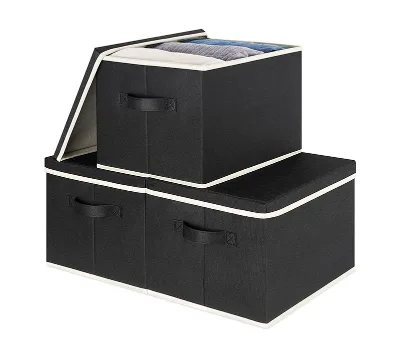

Foldable Fabric Storage Bins for Closet Organization Clothing Storage Box
$2.60 - $3.30
MOQ: 1000 Pieces


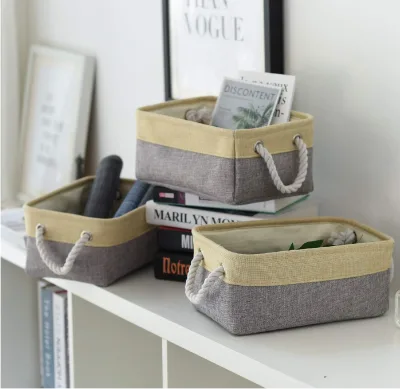
Household Storage Box Fabric Collapsible Storage Bins Foldable Cube Organizer
$0.80 - $1.80
MOQ: 1000 Pieces






Comprehensive Sourcing Guide
Foldable Fabric Storage Bins for Home and Office Sourcing Guide
Sourcing foldable fabric storage bins requires a careful balance between aesthetic integration and functional durability. These products serve as versatile organizational tools for residential and commercial environments, offering a soft-sided alternative to rigid plastic or wire containers. The primary value proposition lies in their ability to collapse flat when not in use, thereby maximizing storage efficiency during off-seasons or when relocating. Buyers must recognize that while the visual appeal is often modern and minimalist, the structural integrity depends heavily on the internal support system and the quality of the fabric weave.
Procurement decisions should be driven by specific use cases, ranging from apparel and bedding to books, magazines, shoes, and sundries. The observed market includes models designed for medium and large capacities, with some units supporting loads up to 5kg. This weight limit is a critical constraint for buyers intending to store dense items like hardcover books or toolkits. Understanding the intended load distribution helps in selecting the appropriate model, whether it features a felt support structure for lighter, decorative items or a cardboard base for heavier, bulkier goods.
Product Scope and Observed Listing Signals
The current market landscape for these storage solutions is diverse, with listings indicating a wide range of customization options and material compositions. Products are frequently described as eco-friendly, reusable, and space-saving, appealing to environmentally conscious consumers and businesses aiming to reduce waste. The observed price range suggests a competitive market with entry-level options starting at low price points, allowing for bulk purchasing without significant capital expenditure. However, the lowest prices often correlate with basic designs, while premium features such as reinforced handles, dust-proof zippers, or custom branding command higher price tiers.
Key product attributes observed include a variety of colors, with grey and black being prominent choices that fit modern interior design schemes. The shapes are predominantly rectangular, ensuring efficient use of shelf and closet space. Features such as folding mechanisms and dust-proof designs are standard expectations, but the quality of these features varies. Buyers should note that while many products claim to be foldable, the ease of folding and the stability of the folded state can differ significantly between suppliers. Additionally, the presence of custom labels and logos indicates that many manufacturers are equipped to handle OEM and ODM requests, making these bins suitable for corporate gifting or branded retail products.
Technical Specifications to Verify
Dimensional accuracy and material thickness are critical technical specifications that directly impact the usability and longevity of the storage bins. The observed dimensional tolerance is often listed as less than ±2cm, which is acceptable for general household use but may require tighter tolerances for precise shelving systems. Buyers should verify the exact external and internal dimensions of the bins to ensure they fit their intended storage spaces. The capacity of these bins varies, with some models offering 20L of volume, which is suitable for medium-sized items, while larger models provide more substantial storage for bedding or seasonal clothing.
The internal support structure is another vital technical aspect. Some bins utilize a 2mm felt support, which provides a soft, flexible base suitable for lightweight items, while others employ cardboard supports for added rigidity and load-bearing capacity. The choice between felt and cardboard should be based on the intended load; cardboard offers better stability for heavier items but may degrade if exposed to moisture. Additionally, the weight tolerance of the bins, often specified as less than ±10%, is an important factor for logistics and shipping calculations. Buyers should also consider the production techniques, such as injection molding for any plastic components, which can affect the durability and finish of the product.
Compliance and Safety Documentation
While specific certification requirements may vary by region and end-use, buyers should ensure that the fabric materials used in the storage bins meet relevant safety and environmental standards. For products marketed as eco-friendly, verification of material composition is essential to confirm the absence of harmful chemicals or non-recyclable components. Buyers should request material safety data sheets (MSDS) or environmental compliance certificates from suppliers to validate these claims. This is particularly important for products intended for use in nurseries, schools, or healthcare facilities where material safety is paramount.
Dust-proof features, often achieved through zippered closures or tight-fitting lids, should be evaluated for their effectiveness in protecting stored items from dust and pests. Buyers should verify the quality of the zippers and seams to ensure they do not fail under regular use. Additionally, if the bins are intended for commercial use or resale in specific markets, compliance with local labeling and packaging regulations must be confirmed. This includes ensuring that the product packaging, whether in cartons or OPP bags, meets recycling and waste management standards in the destination country.
Cost Drivers and Commercial Terms
The cost of foldable fabric storage bins is influenced by several factors, including material quality, customization options, and order volume. The observed MOQ range spans from 1 to 3000 pieces, offering flexibility for both small businesses and large retailers. Higher MOQs typically result in lower unit prices, making them attractive for bulk procurement. However, buyers should also consider the costs associated with customization, such as adding custom logos or labels, which may incur additional setup fees or increase the MOQ requirements.
Shipping and packaging costs are also significant drivers of the total landed cost. The observed packing methods, including carton and OPP bag packaging, affect the volume and weight of the shipment, which in turn influences freight charges. Buyers should negotiate clear terms regarding packaging standards to minimize damage during transit and optimize container space. Additionally, payment terms and lead times should be discussed upfront to ensure alignment with inventory planning and cash flow requirements. Suppliers located in regions like Zhejiang, China, may offer competitive pricing and efficient logistics, but buyers should verify these advantages through direct communication.
Supplier Qualification and Quality Control
Selecting a reliable supplier is crucial for ensuring consistent product quality and timely delivery. Buyers should conduct thorough due diligence on potential suppliers, verifying their business licenses, production capabilities, and quality control processes. Suppliers that offer OEM and ODM services should have established design and engineering teams to handle custom requests effectively. It is advisable to request samples of different models, such as those with felt or cardboard supports, to evaluate the build quality, fabric durability, and ease of folding.
Quality control measures should be implemented throughout the production process, from material inspection to final packaging. Buyers should define clear acceptance criteria for defects, such as stitching errors, zipper malfunctions, or dimensional inaccuracies. Implementing pre-shipment inspections can help identify and rectify issues before the goods are dispatched. Additionally, establishing a clear communication channel with the supplier for addressing any post-delivery concerns is essential for maintaining a productive business relationship. Suppliers with a track record of meeting customization standards and delivering on time are preferable for long-term procurement needs.
Long-Term Procurement Checks
Sourcing foldable fabric storage bins is not a one-time transaction but an ongoing process that requires regular evaluation and adjustment. Buyers should monitor market trends and supplier performance to identify opportunities for cost savings or product improvements. Regularly reviewing the product range can help in discovering new models with enhanced features, such as improved dust-proof designs or more durable materials. Engaging with suppliers for feedback on product usage can also provide valuable insights for future procurement decisions.
Building a diversified supplier base can mitigate risks associated with supply chain disruptions or quality issues. Maintaining relationships with multiple suppliers allows for flexibility in sourcing and negotiation. Additionally, staying informed about changes in regulations or standards related to textile products and packaging can help buyers remain compliant and competitive. By continuously assessing the value proposition of their current suppliers and exploring new options, buyers can ensure that their procurement strategy remains aligned with their business goals and customer expectations.
FAQs
What is the maximum load capacity for these storage bins?
The maximum load capacity is 5kg per unit. This limit ensures structural integrity while maintaining the foldable design for easy storage when not in use.
Can I request a customized logo on the fabric bins?
Yes, customized logos are available for these products. Buyers can specify their branding requirements to personalize the storage bins for corporate or retail use.
Which materials are used to construct these storage containers?
These containers are constructed from fabric with felt or cardboard support options. The felt thickness is specified at 2mm to provide durability and shape retention.
How does the folding feature benefit home and office use?
The foldable design allows for space-saving storage when the bins are empty. This feature makes them ideal for seasonal organization in both residential and commercial spaces.
What is the minimum order quantity for bulk purchases?
The minimum order quantity varies by model, with some requiring 3000 pieces. Buyers should check specific product models to confirm the exact MOQ for their order.
Are these storage bins suitable for multiple types of items?
Yes, they are designed for multiple uses including apparel, books, shoes, and tools. The versatile design supports organization across various categories in any space.