Find Foldable Freestanding Exhibition Rack for Home, Hotel, and Shop
Source 30 listings for the Foldable Freestanding Exhibition Rack designed for indoor display in homes, hotels, and shops. Buyers can compare metal and acrylic options with customizable sizes and logos to find suitable storage and decoration solutions.
Key considerations
Products List


Customized Color Display/ Display Rack/Stand/Shelf for Tile Exhibition/Advertising
$130.00 - $155.00
MOQ: 200 Pieces


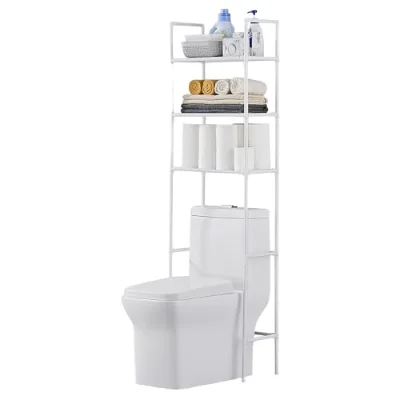


Comprehensive Sourcing Guide
Strategic Sourcing Guide for Foldable Freestanding Exhibition Racks
Understanding Product Architecture and Material Composition
The core keyword, Foldable Freestanding Exhibition Rack, describes a versatile category of display hardware designed for temporary or semi-permanent setups in commercial and retail environments. When analyzing the product attributes available in the current market, buyers encounter a distinct divergence in material composition that fundamentally alters the application scope and durability profile. The observed product data indicates that manufacturers utilize both metal and acrylic as primary structural materials. Metal variants are frequently associated with heavy-duty applications, offering robustness for holding tools, ornaments, or jewelry in high-traffic zones such as supermarkets, exhibition shows, and specialty stores. In contrast, acrylic options provide a transparent aesthetic often preferred for jewelry displays or modern interior settings where visual lightness is prioritized over sheer load-bearing capacity.
The structural design of these units is characterized by a "fold type" or "assemble and install" construction method. This duality allows the rack to be compacted for efficient logistics and storage, a critical feature for buyers managing inventory across multiple locations. The "folded" state is a specific attribute observed in the product specifications, confirming that the mechanism allows for significant reduction in footprint. Furthermore, the "connect" build method suggests that components are modular, enabling buyers to customize the configuration based on specific display needs. The "floor-type" style is the dominant form factor, ensuring stability without the need for wall anchoring, which aligns with the "floor mounted" installation attribute. This freestanding nature is essential for temporary exhibitions where drilling into floors or walls is prohibited or impractical.
Technical Specifications and Customization Parameters
When evaluating technical specifications, the variability in size and shape is a primary consideration for procurement teams. The product data reveals a spectrum of size options ranging from "regular" dimensions to fully "customized size" configurations. This flexibility is crucial for buyers with unique spatial constraints or specific branding requirements. The "tree" shape is a notable design attribute observed in specific listings, indicating that these racks can be engineered to mimic organic forms for decorative purposes, particularly in living rooms or hotel lobbies. However, for standard commercial use, the "modern" style and rectangular or grid-based geometries are more common.
Customization extends beyond dimensions to include color and branding. The market offers "customized color" options, allowing brands to match their corporate identity, while "white" remains a standard neutral option. The "customized logo" attribute highlights the potential for direct branding on the rack itself, which is a valuable marketing tool for trade shows and retail displays. Additionally, the "design" service is available, where suppliers offer design and drawing artwork capabilities. This implies that buyers are not limited to off-the-shelf models but can engage in a co-design process to create unique display solutions. The functional versatility is further enhanced by the availability of different board types, including "metal board," "metal net," and "wood board," which determine the surface texture and load distribution for the displayed products.
Compliance, Certification, and Safety Standards
In the B2B procurement of exhibition equipment, verifying compliance and certification is non-negotiable to ensure safety and market access. The observed product data explicitly lists "SGS" and "ISO9001-2000" (also noted as ISO9001:2000) as key certifications. These certifications indicate that the manufacturing process adheres to international quality management standards and that the products have undergone third-party testing for safety and quality. The "SGS" standard is referenced both as a certification and as a product standard, suggesting a rigorous adherence to specific testing protocols. Buyers must verify that the specific unit they are purchasing carries these valid certifications, as the presence of a certificate on a general product page does not guarantee that every SKU in a supplier's catalog is certified.
Safety is also a critical component of the technical evaluation. The "antieft" attribute is explicitly marked as "Not Antitheft" in the provided data. This is a vital distinction for buyers planning to display high-value items such as jewelry or expensive electronics. A rack without anti-theft features requires the implementation of supplementary security measures, such as glass enclosures, locking mechanisms, or dedicated security personnel. Conversely, for general merchandise like tools or ornaments, the lack of integrated anti-theft features may be acceptable. Buyers should also check for structural stability standards, particularly regarding the "feet types," which can be "fixed," "with adjusting feet," or equipped with "wheels." The choice of feet directly impacts the rack's stability on uneven exhibition hall floors versus smooth retail surfaces.
Cost Drivers and Pricing Dynamics
The pricing landscape for foldable freestanding exhibition racks is highly dynamic, influenced by material choice, customization levels, and order volume. The observed price range in the market spans from $2.20 to $4,500 USD. This vast disparity is not indicative of a single product type but rather reflects the difference between simple, small-scale acrylic units and large, complex metal structures with custom engineering. The lower end of the spectrum likely corresponds to basic, small-footprint units or components, while the upper end encompasses large-scale display systems with extensive customization, premium materials, and complex assembly requirements.
Minimum Order Quantity (MOQ) is another significant cost driver, with observed ranges from 1 to 200 units. For buyers seeking a single unit for a specific event or a prototype, an MOQ of 1 is highly advantageous. However, for bulk procurement for a chain of stores or a large-scale trade show, higher MOQs may be required to access the lower price points within the range. The "customized" nature of the product also introduces variable costs. While "regular" sizes may be stocked and cheaper, "customized size" and "customized color" options typically incur additional tooling or setup fees. Buyers should also consider the "prod_packing" specifications, which range from "bubble bag, foam pad and five layers master carton" to "portable handbag and cardboard box." Complex or heavy-duty packaging solutions add to the overall landed cost and must be factored into the total budget.
Typical Applications and Usage Scenarios
The versatility of foldable freestanding exhibition racks is evidenced by their diverse usage scenarios. The product data identifies a wide array of applications, including "living room," "bedding room," "hotel," "display," "storage," "exhibition show," "speciality stores," "supermarkets," and "home." This breadth suggests that the same product architecture can be adapted for residential interior design, commercial retail environments, and temporary trade show booths. The "indoor" display place is a consistent attribute, indicating that these racks are generally not designed for outdoor exposure to weather elements unless specific weather-resistant coatings are applied, which is not explicitly mentioned in the standard data.
The functional role of the rack also varies by application. In "home" and "hotel" settings, the primary function is often "decoration and storage for holding," emphasizing aesthetics and organization. In "supermarkets" and "exhibition shows," the focus shifts to "countertop or flooring" utility and high-volume product presentation. The "serviceability" is noted as "common use," implying that the racks are designed for frequent setup and teardown cycles typical of the exhibition industry. The "display products" attribute further clarifies the intended load, ranging from "ornaments" and "tools" to "jewelry." Buyers must match the rack's load-bearing capacity and surface type (metal net vs. wood board) to the specific weight and fragility of the items they intend to display.
Supplier Evaluation and Quality Control Protocols
Selecting the right supplier requires a rigorous evaluation of their capabilities and quality control measures. The "prod_origin" is consistently listed as "Xiamen Fujian China" or simply "China," indicating a concentrated manufacturing hub for this type of hardware. Buyers should verify the specific factory location to assess logistics feasibility and potential tariffs. The "condition" of the products is uniformly "new," but buyers must confirm the warranty terms and the supplier's policy on handling damaged goods during transit.
Quality control should extend beyond the initial inspection to include the verification of the "prod_standard." While "SGS" is a common standard, buyers should request specific test reports for the exact model number, such as "AD-130714," "AD-81913," "DR-32," "ASD-14," "ASD-17," "YT-31," or "Z05/Z06." These model numbers represent distinct configurations, and a quality report for one model may not apply to another. The "build method" of "connect" or "assemble and install" requires careful attention to the quality of joints and fasteners. Buyers should request samples to test the folding mechanism for durability and the stability of the "feet types" under load. Additionally, the "design" service capability should be evaluated to ensure the supplier can translate technical drawings into physical products without compromising structural integrity.
Long-Term Procurement and Logistics Considerations
For long-term procurement, the logistics of storage and transportation are paramount. The "folded" attribute is a key enabler for efficient logistics, reducing shipping volume and costs. However, the "prod_packing" methods vary significantly. Some units are packed in "five layers master carton" with foam pads for maximum protection, while others use "portable handbag" packaging, which may be less robust for international shipping. Buyers must align the packaging choice with their shipping distance and handling conditions. The "customized" nature of the product also means that lead times may be longer than for standard "regular" size items.
Sustainability is another emerging consideration. The "feature" of "recycled" materials is noted in some product data, appealing to buyers with corporate sustainability goals. However, this should be verified on a per-unit basis, as not all racks in a supplier's catalog may utilize recycled content. Finally, the "serviceability" of the rack for "common use" implies a need for spare parts availability. Buyers should inquire about the availability of replacement feet, boards, or connectors to extend the lifecycle of the investment. By carefully balancing these factors—material, certification, cost, application, and logistics—buyers can secure a reliable supply of foldable freestanding exhibition racks that meet their specific operational and strategic needs.
Comparative Analysis of Key Product Attributes
To facilitate a clearer decision-making process, the following table summarizes the critical attributes observed in the market for foldable freestanding exhibition racks. This comparison highlights the trade-offs between different configurations and helps buyers align their procurement strategy with their specific requirements.
| Attribute Category | Option A: Heavy-Duty Commercial | Option B: Decorative/Residential | Option C: Specialized Display |
|---|---|---|---|
| Primary Material | Metal | Acrylic | Metal / Wood / Net Mix |
| Typical Usage | Supermarkets, Exhibition Shows | Living Room, Hotel, Home | Jewelry, Tools, Ornaments |
| Size Configuration | Customized Size | Regular / Customized | Regular / Customized |
| Installation Style | Floor Mounted (Fixed/Adjustable) | Floor Mounted (Fold Type) | Floor Mounted (Connect/Assemble) |
| Key Certification | SGS, ISO9001:2000 | ISO9001:2000 | SGS |
| Security Feature | Not Antitheft (Requires Add-ons) | Not Antitheft | Not Antitheft |
| Packaging | 5-Layer Master Carton | Bubble Bag / Handbag | Bubble Bag / Foam Pad |
| Customization | Logo, Color, Size | Logo, Color | Logo, Design, Board Type |
This table underscores that while the core function remains consistent, the specific configuration must be chosen based on the intended environment and the nature of the products being displayed. Buyers should not assume that a rack suitable for a supermarket will perform equally well in a residential setting, or vice versa, due to differences in material durability and aesthetic requirements. By adhering to the detailed specifications and verification steps outlined in this guide, procurement professionals can mitigate risks and ensure the successful deployment of their exhibition infrastructure.
FAQs
What materials are used for foldable freestanding exhibition racks?
These racks are primarily constructed from metal or acrylic. Metal variants offer robustness for heavy-duty applications like holding tools, while acrylic options provide a transparent aesthetic suitable for jewelry displays in modern settings.
Can I customize the size and color of the exhibition rack?
Yes, customization is available for both size and color. Buyers can select from regular dimensions or request customized sizes, and choose from standard white or fully customized colors to match their brand identity.
Which certifications do these racks typically hold?
The racks commonly hold SGS and ISO9001:2000 certifications. These standards indicate adherence to international quality management protocols and third-party safety testing, ensuring reliability for commercial and retail environments.
How are these racks installed and what are the feet options?
They are designed for floor-mounted installation without wall anchoring. The feet types can be fixed, adjustable, or equipped with wheels, allowing for stability on uneven exhibition floors or smooth retail surfaces.
What is the minimum order quantity for these racks?
The minimum order quantity ranges from 1 to 200 units depending on the supplier and customization level. Single units are available for prototypes, while bulk orders may require higher quantities to access lower price points.
Are these racks suitable for displaying jewelry or tools?
Yes, they are suitable for displaying ornaments, tools, and jewelry. The display products attribute confirms versatility, though buyers should note that some models are not anti-theft and may require supplementary security measures.