Source Foldable Inflatable Chair and Air Bed Set for Travel, Camping, and Home Use
Find and compare 30 Foldable Inflatable Chair and Air Bed Set options from verified manufacturers. Evaluate features like PVC materials, built-in pumps, and multi-user capacities for travel, camping, and home leisure applications.
Key considerations
Products List


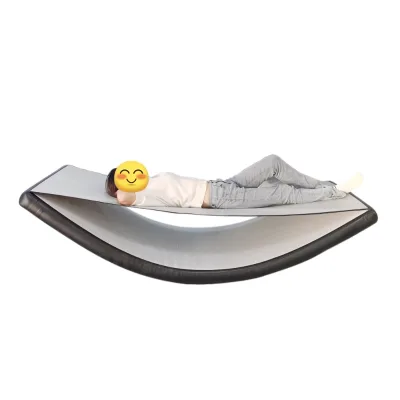
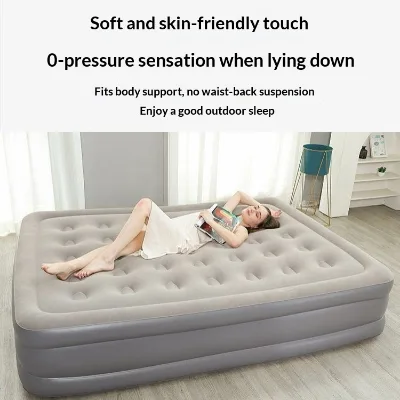
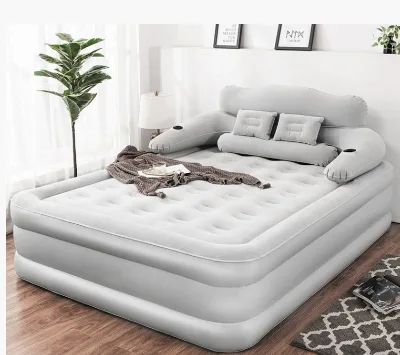


Camping Self Inflating Mattress Inflatable Air Bed with Built-in Rechargeable Pump
$18.00 - $28.00
MOQ: 200 Pieces


Twin Inflatable Air Bed with Built-in Pump Air Mattress Inflatable Sleep Bed
$25.90 - $28.65
MOQ: 300 Pieces


Inflatable Bed with Built-in Pump Inflatable Air Mattress King Camping Air Mattress
$56.76 - $62.92
MOQ: 300 Pieces


High Quality Air Mattress Inflatable Air Bed for Trip Outdoor Inflatable Bed
$31.52 - $34.92
MOQ: 300 Pieces

High Quality Inflatable Air Mattress Bed with Builtin Pump Inflatable Air Mattress
$33.64 - $37.28
MOQ: 300 Pieces

PVC Flocked Air Filled Inflatable Chair Sofa Set Furniture with Footrest Relax
$10.00 - $13.00
MOQ: 1000 Pieces

New Outdoor Single Inflatable Relax Air Sofa Chair Design with Foot-Rest
$5.50 - $6.50
MOQ: 1000 Pieces
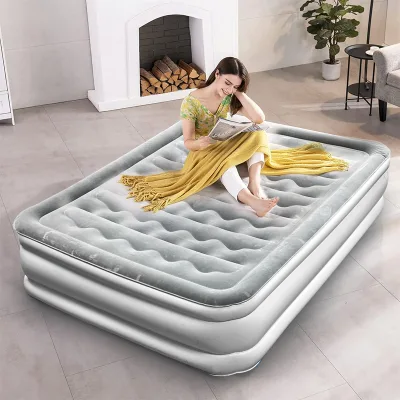


Comprehensive Sourcing Guide
Foldable Inflatable Chair and Air Bed Set Sourcing Guide
Sourcing a combined set of foldable inflatable chairs and air beds requires a nuanced understanding of material durability, inflation mechanics, and intended usage environments. These products are frequently marketed for versatile applications ranging from home furniture and living room comfort to outdoor camping, travel, and even specialized uses in hospitals, hotels, and leisure facilities. Buyers must recognize that while the core concept is simple, the execution varies significantly based on the specific PVC or PU materials used, the presence of built-in versus external pumps, and the structural integrity of the foldable components. The observed market data indicates a wide range of product attributes, including various design styles from modern minimalist to traditional, and a broad spectrum of colors and patterns to suit different aesthetic preferences.
The procurement process for these sets is heavily influenced by the supplier’s ability to handle customization and small order quantities, which is common in this category. Many manufacturers accept small orders, allowing buyers to test market response before committing to large volumes. However, the complexity of verifying quality across multiple components—such as the air bed’s mattress type, the chair’s fabric, and the inflation system’s reliability—demands a rigorous verification process. Buyers should focus on understanding the specific model numbers and specifications provided by suppliers, as these details often dictate the product’s capacity, deflate size, and overall performance in real-world scenarios.
Product Scope and Observed Listing Signals
The product scope for foldable inflatable chairs and air bed sets encompasses a diverse array of configurations, often categorized by their inflation mode and material composition. Common features include built-in inflator pumps, external pump compatibility, and self-inflating mechanisms, which directly impact user convenience and setup time. Materials typically cited include PVC, PU, and plastic for the main body, with some variants utilizing TPU for camping mats or knitted fabric for covers, enhancing comfort and breathability. The observed listings show a strong emphasis on versatility, with products designed for use in living rooms, outdoor parks, and even industrial settings like warehouses or farms, indicating a broad functional scope beyond traditional camping gear.
Observed listing signals reveal significant variation in product dimensions, weights, and design elements. For instance, specific models have been noted with deflate sizes around 145x93x41cm and inflated dimensions such as 135x85x45cm, with weights ranging from 2-5 kg, suggesting a balance between portability and stability. Design styles range from modern and contemporary to medical and luxury, catering to different end-user segments. Additionally, patterns such as plain dyed, printed, geometric, and floral options are available, allowing for aesthetic customization. Buyers should pay close attention to these signals, as they often correlate with the product’s target market and price point, helping to align procurement decisions with specific customer demands.
Technical Specifications to Verify
Verifying technical specifications is critical to ensuring that the inflatable sets meet functional requirements and safety standards. Key areas of focus include the material thickness, seam strength, and the reliability of the inflation system. Buyers should confirm whether the product uses open or closed foaming for damp-proof mats, as this affects insulation and comfort levels. Additionally, the presence of features such as heat control, shiatsu massage, or vibration heating in some advanced models requires careful evaluation of electrical safety and component durability. It is essential to verify the exact model numbers, such as HC-038 or HC-041, and cross-reference them with detailed technical datasheets to understand the precise dimensions, weight limits, and inflation times.
Another crucial aspect is the verification of the product’s structural integrity and foldability. For foldable chairs, the hinge mechanisms and frame materials must be inspected for durability and resistance to fatigue. Buyers should request detailed specifications on the fabric type, such as polyester or knitted blends, and confirm the colorfastness and resistance to UV degradation, especially for outdoor use. The presence of certifications like CE and management certifications like ISO can provide some assurance of quality control, but buyers should still request specific test reports for tensile strength, air retention, and material toxicity to ensure the products are safe for prolonged human contact.
Compliance and Safety Documentation
Compliance and safety documentation are non-negotiable for importing inflatable furniture and bedding, particularly when products are intended for use in regulated markets. Buyers must ensure that suppliers provide valid CE certificates, which indicate conformity with health, safety, and environmental protection standards for products sold within the European Economic Area. Additionally, ISO management certifications suggest that the supplier adheres to international standards for quality management systems, which can be a proxy for consistent manufacturing practices. However, buyers should not rely solely on these certifications; they must also verify that the materials used, such as PVC or PU, are free from harmful phthalates and other toxic substances, especially for products that may be used by children or in sensitive environments like hospitals.
Beyond material safety, buyers should inquire about specific test reports related to air pressure resistance and leak detection. Inflatable products are prone to failure if seams are weak or if the material is susceptible to punctures. Requesting third-party test results for these parameters can provide valuable insights into the product’s longevity and reliability. Furthermore, for products with electrical components, such as built-in pumps or heating elements, buyers must ensure compliance with local electrical safety standards, including voltage requirements and plug types. This due diligence helps mitigate the risk of product recalls and ensures that the sourced items meet the legal requirements of the destination market.
Cost Drivers and Commercial Terms
Cost drivers for foldable inflatable chair and air bed sets are influenced by material quality, customization options, and order volume. The use of premium materials like TPU or knitted fabric covers can increase the unit cost, while basic PVC constructions may offer lower price points. Customization, such as adding logos or specific colors, often incurs additional fees, which buyers should factor into their total cost analysis. The observed MOQ range of 1-1000 pieces suggests flexibility for small buyers, but larger orders may benefit from volume discounts. Buyers should also consider the packaging costs, as products are often shipped in kraft or color boxes, which can impact shipping efficiency and overall logistics expenses.
Commercial terms, including payment methods, lead times, and shipping arrangements, play a significant role in the total cost of ownership. Buyers should negotiate clear terms regarding sample orders, production timelines, and quality acceptance criteria. The port of shipment, often Shanghai or Ningbo for Chinese suppliers, can affect transit times and freight costs. Additionally, buyers should be aware of any hidden costs, such as customs duties, taxes, and handling fees, which can vary depending on the destination country. Establishing a transparent pricing structure and clear communication channels with suppliers is essential to avoid unexpected expenses and ensure a smooth procurement process.
Supplier Qualification and Quality Control
Supplier qualification is a critical step in mitigating risks associated with sourcing inflatable products. Buyers should conduct thorough due diligence on potential suppliers, verifying their business licenses, production capabilities, and past performance. Suppliers with a history of exporting to regulated markets and holding relevant certifications are generally more reliable. It is also advisable to request references or case studies from previous clients to gauge the supplier’s consistency and responsiveness. Additionally, buyers should assess the supplier’s ability to handle customization requests and their flexibility in accommodating small order quantities, which can be crucial for testing new product lines.
Quality control measures should be implemented at various stages of the production process, from raw material inspection to final product testing. Buyers should consider hiring third-party inspection agencies to conduct pre-shipment inspections, ensuring that the products meet the agreed-upon specifications and quality standards. Key inspection points include checking for air leaks, verifying dimensions and weights, and assessing the overall finish and packaging. Establishing a clear quality agreement with the supplier, including penalties for non-conformance, can help enforce accountability and ensure that the delivered products meet the buyer’s expectations.
Long-Term Procurement Checks
Long-term procurement checks involve continuous monitoring of supplier performance and product quality to ensure sustained value and reliability. Buyers should establish key performance indicators (KPIs) such as on-time delivery rates, defect rates, and customer feedback scores to evaluate supplier performance over time. Regular audits and periodic quality checks can help identify potential issues early and allow for corrective actions before they escalate. Additionally, buyers should stay informed about changes in market trends, material costs, and regulatory requirements, which can impact the sourcing strategy and product specifications.
Building a strong relationship with suppliers through open communication and collaborative problem-solving can lead to better pricing, improved product quality, and enhanced service levels. Buyers should also consider diversifying their supplier base to reduce dependency on a single source and mitigate supply chain risks. By maintaining a proactive approach to supplier management and quality control, buyers can ensure that their procurement of foldable inflatable chair and air bed sets remains efficient, cost-effective, and aligned with their business objectives. This long-term perspective is essential for sustaining competitive advantage and meeting the evolving needs of end-users in the home, travel, and outdoor markets.
FAQs
What materials are used for the inflatable air bed?
The inflatable air bed is constructed from PVC, PU, or plastic materials. Some variants feature a knitted fabric cover or TPU camping mat material for enhanced durability and comfort during use.
Can I customize the logo and color of the product?
Yes, customization is available for both the logo and color. Buyers can request specific designs, and the product supports customized colors to match brand requirements or personal preferences for the inflatable chair and air bed set.
Which certifications do the products hold?
The products hold CE product certifications and ISO management certifications. These standards ensure safety and quality compliance for the inflatable air bed and related furniture items intended for home, travel, or outdoor applications.
What is the minimum order quantity for this set?
The minimum order quantity can be as low as one piece for small orders. However, the observed MOQ range extends up to 1000 pieces depending on the specific model and supplier terms for the inflatable chair and air bed set.
Where are these products manufactured and shipped from?
These products originate from China, specifically from Jiangxi and Henan provinces. They are typically shipped via ports in Shanghai or Ningbo, making them accessible for international buyers seeking foldable inflatable chair and air bed sets.
How does the inflation mechanism work for these beds?
The beds utilize built-in or external inflator pumps for inflation. Some models are self-inflating or automatic, offering convenient operation for users needing quick setup for camping, travel, or indoor sleeping arrangements.