Source Foldable Inflatable Foot Wash Basin for Home, Salon, and Medical Use
Explore 30 options for the Foldable Inflatable Foot Wash Basin, designed for portable hygiene in bathrooms, salons, and medical settings. Compare materials like PVC and PP, check dimensions, and review OEM capabilities to find the right fit for your business needs.
Key considerations
Products List
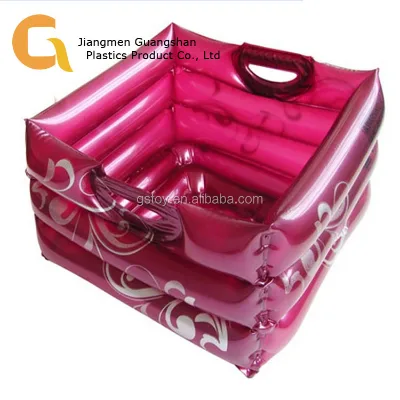

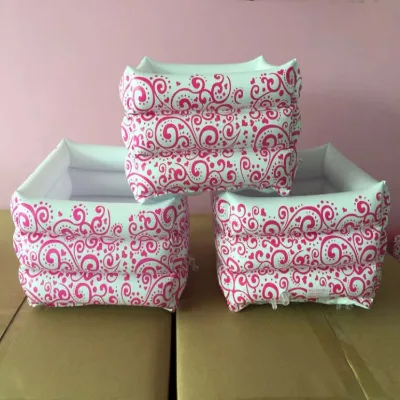
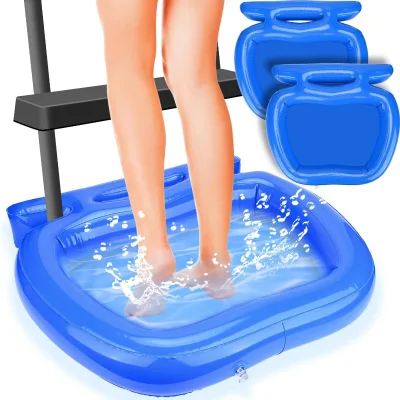


Inflatable Hair Washing Basin Portable Inflatable Shampoo Bowl for Bedside
$3.98 - $7.50
MOQ: 1000 Sets
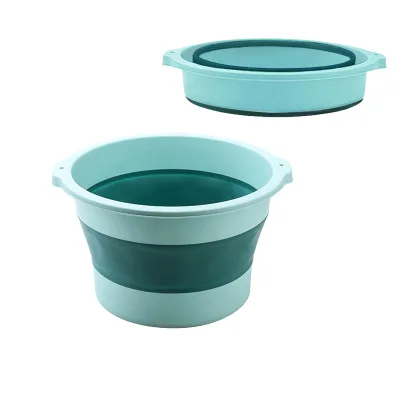


Inflatable Wash Basin for Elderly Disabled Bedridden Handicapped Air Inflatable Hair Basin
$19.75 - $21.87
MOQ: 1000 Pieces

Air Inflatable Hair Washing Basin for Bedridden Wash Hair Inflatable Shampoo Basin
$19.75 - $21.87
MOQ: 1000 Pieces

Inflatable Shampoo Basin Tub for Bedridden Disabled Injured Portable Hair Washing Bowl
$19.75 - $21.87
MOQ: 1000 Pieces
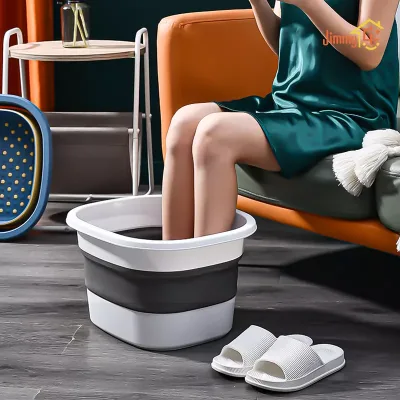
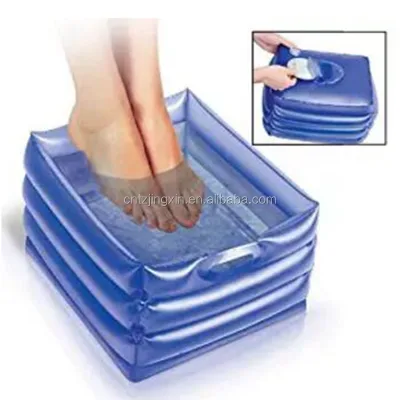
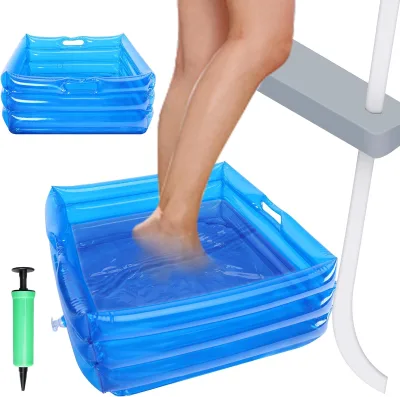
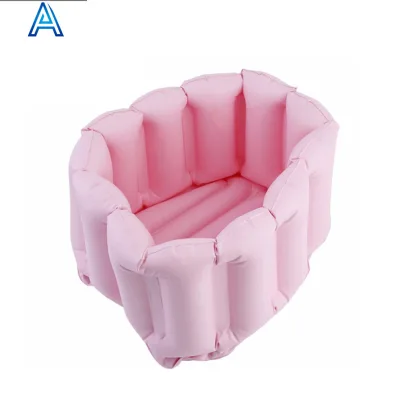
Comprehensive Sourcing Guide
Foldable Inflatable Foot Wash Basin Sourcing Guide
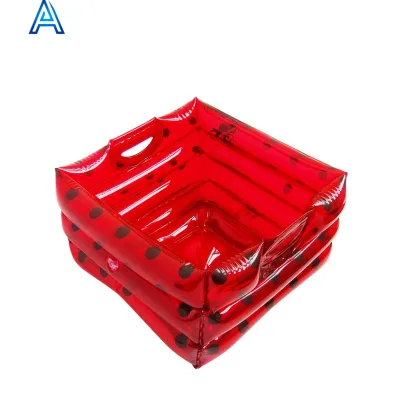
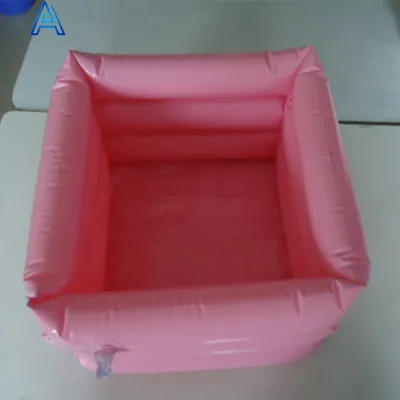
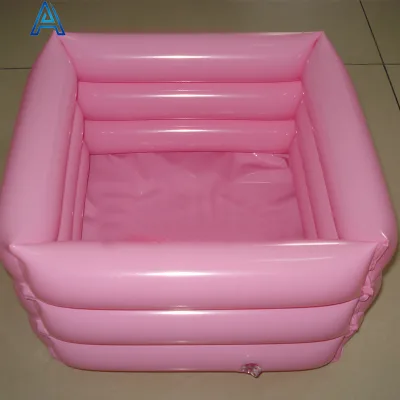
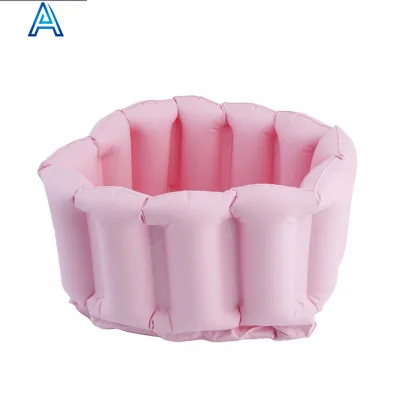
Buyers must first distinguish between general foot basins and specialized hair wash basins, as the supplied data reveals distinct product configurations. The market offers items labeled as "inflatable baby spa pools" alongside "inflating hair wash basins" designed for elderly and disabled users, each serving different hygiene and care needs. Understanding this distinction is critical before initiating a search, as the structural requirements for a baby pool differ significantly from a basin intended for medical or salon use.
Procurement teams should also note the variance in material composition observed across listings, ranging from 0.2mm PVC to 0.4mm PVC and even rigid plastic or PP variants. This material diversity directly impacts durability and suitability for specific environments, such as home bathrooms versus hospital settings. A buyer seeking a heavy-duty solution for a care facility must verify the specific material thickness and type, as a thin 0.2mm PVC product may not withstand the repeated stress of daily medical use compared to a thicker 0.4mm alternative.
Product Scope and Observed Listing Signals
The observed product range includes specific model numbers like GSIB003 and HF2100, indicating that suppliers often maintain distinct SKUs for different capacity and shape requirements. Listings frequently specify dimensions such as 35x30x28cm or 39x27x19cm, with some offering custom folding sizes like 40349.5cm. Buyers should carefully cross-reference these internal dimensions with their available storage space, as the folded footprint varies significantly between models and can affect logistics planning for warehousing.
Color and branding options present another layer of complexity in the sourcing landscape, with some items available in specific colors like Burgundy, Blue, or White, while others offer multi-color choices based on custom requests. The data indicates that OEM and ODM services are available, allowing for customized logos and branding, yet some listings are marked as non-customized. Procurement officers must clarify early in the negotiation whether the target product allows for branding customization or if it is a standard white-label item, as this decision influences the minimum order quantity and unit pricing structure.
Technical Specifications to Verify
Thickness and material integrity are the primary technical factors that determine the lifespan of an inflatable basin, with observed specifications ranging from 0.2mm to 0.4mm PVC. A buyer must explicitly request the exact millimeter thickness for the specific model they intend to purchase, as a 0.2mm sheet is significantly more prone to punctures than a 0.4mm sheet. Verifying the material type is equally important, as some products utilize PP or general plastic, which may offer different flexibility and chemical resistance properties compared to PVC.
Dimensional accuracy and accessory inclusion are critical for operational readiness, particularly regarding the inclusion of pumps and water hoses. The supplied facts list accessories such as pumps and hoses for certain models, while others may require separate procurement. Buyers should verify the exact inner size, such as 35x30x28cm, against the folded size, which can be as large as 40349.5cm, to ensure the product fits the intended storage area. Additionally, confirming the shape, whether rectangle or other forms, ensures compatibility with the user's physical space and ergonomic requirements.
Compliance and Safety Documentation
Safety certifications are a non-negotiable aspect of sourcing, with some listings explicitly mentioning CE and ISO certifications. Buyers must request valid certification documents for the specific model number they are purchasing, as the presence of these marks on one product does not guarantee compliance for another. It is essential to verify that the certification covers the specific material composition and intended use, particularly for products marketed for elderly or disabled users where safety standards are stricter.
While some background knowledge suggests standards like EN71 or ISO 27001, these should not be assumed without direct supplier confirmation. Procurement teams should treat these as verification targets rather than guaranteed attributes, asking suppliers to provide test reports that align with the specific product's application. For items intended for home or hospital use, confirming that the materials are non-toxic and meet relevant regional safety standards is vital to mitigate liability risks and ensure user safety during operation.
Cost Drivers and Commercial Terms
Pricing structures in this category show a wide observed range from 1 to 21.87 USD, influenced heavily by material thickness, customization, and order volume. The sample fee of USD$50, which is refundable upon placing a larger order, represents a significant upfront cost that buyers must factor into their initial budget. Understanding the relationship between the sample fee and the final order quantity is crucial, as the refund policy can effectively lower the cost of entry for serious buyers who commit to a substantial purchase.
Minimum Order Quantities (MOQ) vary significantly, with observed ranges from 1 to 2000 units, directly impacting the total cost of ownership for small versus large buyers. Suppliers offering low MOQs may charge higher unit prices, while those requiring 2000 units likely offer more competitive pricing but demand higher capital commitment. Buyers should negotiate based on their specific volume needs, considering that the single package size and gross weight of 1.000 kg also influence shipping costs, which can be a substantial portion of the total landed cost for bulky inflatable items.
Supplier Qualification and Quality Control
Geographic concentration of suppliers in Guangdong and Zhejiang, China, suggests a mature manufacturing ecosystem, but buyers must still verify the specific factory capabilities for their chosen model. The presence of OEM/ODM services indicates that many suppliers have the capacity for customization, yet the "Non-Customized" attribute on some listings suggests a mix of standard and bespoke production lines. Buyers should confirm which production line will handle their order to ensure the supplier has the specific tooling and expertise required for the desired customization level.
Quality control processes must be rigorously defined, especially given the variation in packaging from OPP bags to color boxes and brown boxes. The packaging method often reflects the intended market tier, with color boxes suggesting a retail-ready product and simple polybags indicating a bulk or wholesale item. Buyers should include specific packaging requirements in their purchase orders and request pre-shipment inspections to verify that the product arrives in the agreed-upon condition, ensuring that the folding mechanism and material integrity remain intact during transit.
Long-Term Procurement Checks
Sustainability and material longevity are key considerations for repeat procurement, as the thin PVC materials observed may degrade faster under frequent use. Buyers should establish a long-term quality agreement that includes periodic re-testing of material thickness and durability, ensuring that the supplier maintains consistent quality over multiple production runs. This is particularly important for products used in medical or care settings where reliability is paramount and product failure could lead to hygiene issues or user injury.
Supply chain stability and lead time consistency are also critical for maintaining inventory levels, especially given the diverse packaging and size specifications. Buyers should monitor the supplier's ability to meet delivery schedules for both standard and custom orders, as the complexity of folding sizes and custom logos can introduce delays. Establishing a clear communication channel for production updates and maintaining a buffer stock of critical components, such as pumps, will help mitigate risks associated with supply chain disruptions.
FAQs
What materials are used for foldable inflatable foot wash basins?
These basins are typically constructed from durable PVC or PP materials. Common thicknesses include 0.2mm PVC for lightweight models and 0.4mm PVC for enhanced durability. Some variants utilize plastic components for structural integrity. The material choice ensures flexibility for folding while maintaining water-tightness during use in bathrooms or hospitals.
Can I customize the logo on these inflatable basins?
Yes, OEM and ODM services are available for most suppliers. You can request customized logos printed on the basin surface. This service allows businesses to brand products for specific markets. Confirm customization options and any associated fees with the manufacturer before placing bulk orders to ensure brand alignment.
What are the typical dimensions of these basins?
Standard sizes vary, with common inner dimensions around 35x30x28cm. Folded sizes are compact, often measuring approximately 40x34x9.5cm for easy storage. Some models offer custom sizing options. Always verify the specific product model dimensions, such as 39x27x19cm, to ensure they fit your intended space or packaging requirements.
Are these basins suitable for elderly or disabled users?
Yes, many models are specifically designed as hair wash basins for elderly and disabled individuals. They often include accessories like pumps and water hoses for convenience. The inflatable design allows for adjustable height and comfort. These features make them practical for home care or hospital settings where accessibility is crucial.
What certifications do these products typically hold?
Products often carry CE and ISO certifications, indicating compliance with safety and quality standards. These certifications are essential for selling in regulated markets. Buyers should request valid certification documents from suppliers to verify authenticity. Ensuring proper certification helps mitigate regulatory risks and builds trust with end-users in international trade.
How is the packaging handled for these items?
Items are usually packed in OPP bags or color boxes. Multiple units are then placed into larger brown boxes for shipping. Standard packaging dimensions might be around 22x18x11cm per color box. This method protects the inflatable material during transit and simplifies inventory management for retailers and distributors.