Source Foldable Portable Wood Fire Pit for Patio, Garden, and Camping
Explore 30 listings for the Foldable Portable Wood Fire Pit, featuring stainless steel and cast iron options with CE certification. Buyers can compare specifications, customization, and pricing for outdoor warming and BBQ applications.
Key considerations
Products List


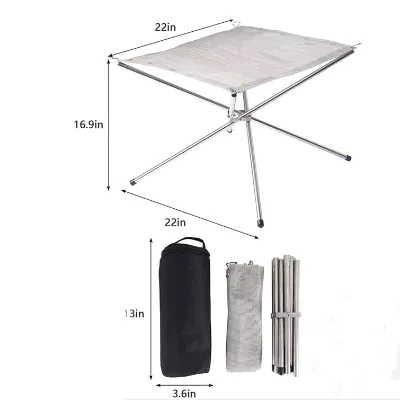
Foldable Portable 304 Stainless Steel Mesh Fireplace Fire Pit for Camping
$4.99 - $18.99
MOQ: 1 Square Meters


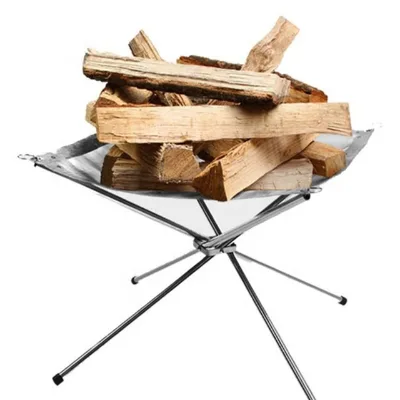


Smokeless Outdoor Aluminum Fire Pit Portable Wood Burning Carbon Fire Pit
$13.80 - $14.50
MOQ: 8 Pieces

Large Outdoor Stainless Steel Fire Pit Portable Wood Burning Smokeless Fire Pit
$38.00 - $50.00
MOQ: 1 Pieces

Stainless Steel Portable 19inch Smokeless Fire Pit for Outdoor Wood Burning
$67.00 - $72.00
MOQ: 1 Pieces


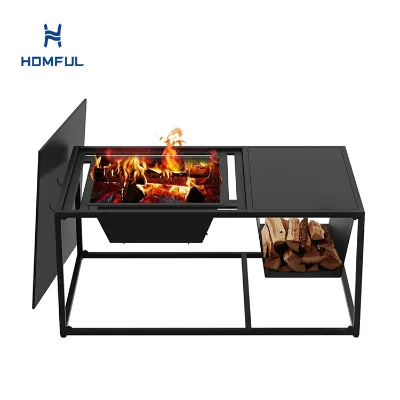
Metal Portable Outdoor Fire Pit Table Wood Burning Fire Pits With Firewood Rack
$54.70 - $55.71
MOQ: 150 pieces


Comprehensive Sourcing Guide
Foldable Portable Wood Fire Pit Sourcing Guide
Sourcing foldable portable wood fire pits requires a careful balance between structural integrity for outdoor use and the convenience of collapsible design for storage and transport. These products serve as versatile heating and ambiance solutions for patios, gardens, and backyard gatherings, offering a modern aesthetic that complements contemporary outdoor living spaces. Buyers must navigate a market where materials range from stainless steel to cast iron, each offering distinct advantages in terms of durability, weight, and heat retention. The primary value proposition lies in the ability to provide a safe, contained fire source that can be easily assembled and disassembled, making it ideal for both residential use and commercial hospitality settings such as camping sites or event venues.
The procurement process involves evaluating multiple product attributes that directly impact user experience and operational efficiency. Key considerations include the type of metal used, the presence of safety features like overheating protection, and the ease of cleaning and maintenance. While some models emphasize a minimalist modern style with silver or black finishes, others may offer customizable logos and colors to align with brand identity. Understanding these variations is crucial for selecting the right product for specific target markets, whether the end-user prioritizes rugged durability for camping or aesthetic appeal for high-end patio furniture collections.
Product Scope and Observed Listing Signals
The current market landscape for foldable portable wood fire pits reveals a diverse range of specifications and design philosophies. Observed listings indicate a price range of 1-100 USD, suggesting a broad spectrum of quality tiers from entry-level consumer goods to more robust commercial-grade units. The minimum order quantity (MOQ) varies significantly, ranging from single units for sample testing to bulk orders of up to 500 pieces, which impacts inventory planning and cash flow for distributors. Buyers should note that while some products are marketed with specific model numbers like FP19 or HD01, the actual construction details can differ widely, necessitating thorough verification of material composition and dimensional standards before committing to large orders.
Product attributes observed in the market highlight a strong emphasis on customization and versatility. Many suppliers offer options for customized logos, allowing brands to embed their identity directly into the product, which is particularly valuable for promotional items or private label opportunities. The shape of these fire pits is predominantly square, providing a stable base and a modern geometric look that fits well in contemporary outdoor settings. Additionally, the availability of samples allows buyers to physically assess the build quality, fold mechanism, and finish before scaling up production. This flexibility in customization and sampling is a critical signal of a supplier’s willingness to accommodate specific buyer requirements and quality expectations.
Technical Specifications to Verify
Material selection is the most critical technical factor in determining the longevity and performance of a foldable wood fire pit. Buyers must verify whether the unit is constructed from 304 stainless steel, cast iron, or other metal alloys, as each material offers different levels of corrosion resistance and heat tolerance. For instance, 304 stainless steel is often preferred for its superior rust resistance and sleek silver finish, making it suitable for humid outdoor environments. In contrast, cast iron variants may offer better heat retention but require more rigorous maintenance to prevent rust. The finishing process, such as powder coating, also plays a vital role in protecting the metal from the elements and enhancing the aesthetic appeal, so buyers should request details on the coating quality and durability.
Dimensional standards and structural features are equally important for ensuring the product meets user expectations for size and functionality. Observed specifications include dimensions such as 424234cm or 565643cm, which dictate the footprint and capacity of the fire pit. Buyers should verify these measurements against their target market’s space constraints and usage scenarios. Furthermore, the presence of safety features like overheating protection and the absence of automatic thermostats in some models indicate a manual operation style that requires user vigilance. The inclusion of a mantle and the folding feature are key design elements that enhance portability and safety, so verifying the robustness of the hinge mechanisms and the stability of the assembled structure is essential for preventing accidents during use.
Compliance and Safety Documentation
Safety compliance is non-negotiable for fire-related products, and buyers must ensure that suppliers provide appropriate certification documentation. The CE mark is a common certification observed in listings, indicating that the product meets European health, safety, and environmental protection standards. However, buyers should not assume that all products with a CE label are automatically compliant; it is crucial to verify the validity of the certificate and ensure it covers the specific model and manufacturing process. Additionally, features like overheating protection are critical safety mechanisms that must be tested and verified to prevent fire hazards. Buyers should request test reports or safety data sheets that demonstrate how these features function under extreme conditions to ensure they provide adequate protection for end-users.
Beyond certifications, the operational safety features of the fire pit must be clearly understood and communicated to end-users. Products that lack remote controls or automatic thermostats rely on manual operation, which places a higher burden on the user to monitor the fire. Buyers should ensure that the product packaging includes clear instructions on safe usage, maintenance, and storage. The absence of certain automated features may be a cost-saving measure, but it requires buyers to educate their customers on proper fire management. Verifying that the product design minimizes risks, such as through stable bases and enclosed fire chambers, is essential for reducing liability and ensuring customer satisfaction.
Cost Drivers and Commercial Terms
The cost of foldable portable wood fire pits is influenced by several factors, including material quality, manufacturing complexity, and packaging requirements. Stainless steel models, particularly those made from 304 grade, tend to be more expensive due to the higher cost of raw materials and the precision required in fabrication. Powder coating and other finishing processes also add to the production cost but are necessary for durability and aesthetic appeal. Buyers should analyze the cost structure to understand where value is added and where potential savings can be made without compromising quality. For example, opting for standard colors like silver or black may be more cost-effective than custom colors, which can involve additional setup fees and minimum order quantities.
Commercial terms such as MOQ and shipping methods significantly impact the total cost of ownership. While some suppliers offer low MOQs for sampling, bulk orders may require commitments of 50 pieces or more, which affects inventory management and cash flow. Shipping by sea is a common method for these bulky items, but buyers must consider the associated logistics costs and lead times. Carton packaging is standard, but the efficiency of packing can influence shipping volume and costs. Buyers should negotiate terms that align with their sales forecasts and storage capabilities, ensuring that they can manage inventory levels effectively while maintaining a healthy profit margin.
Supplier Qualification and Quality Control
Supplier qualification is a critical step in ensuring a reliable supply chain for foldable portable wood fire pits. Buyers should verify the supplier’s location, with many manufacturers based in regions like Qingdao or Jiangsu in China, which are known for their manufacturing capabilities. It is essential to assess the supplier’s production capacity, quality control processes, and ability to meet customization requests. Suppliers that offer samples and have a history of producing products with specific certifications are generally more reliable. Buyers should also evaluate the supplier’s responsiveness and willingness to provide detailed product information, as this indicates their professionalism and commitment to customer service.
Quality control measures must be implemented throughout the production process to ensure consistency and reliability. Buyers should request detailed specifications for each batch, including material certificates and inspection reports. The folding mechanism, in particular, should be tested for durability and ease of use, as this is a key feature of the product. Additionally, the finish and color consistency should be checked to ensure that the products meet aesthetic standards. Implementing pre-shipment inspections can help identify and rectify any defects before the goods are dispatched, reducing the risk of returns and customer complaints. Establishing a clear quality agreement with the supplier is essential for maintaining high standards and ensuring long-term partnership success.
Long-Term Procurement Checks
Long-term procurement success depends on continuous monitoring of product performance and supplier reliability. Buyers should gather feedback from end-users regarding the durability, ease of use, and safety of the fire pits. This feedback can inform future purchasing decisions and help identify areas for improvement in product design or manufacturing processes. Regularly reviewing supplier performance metrics, such as on-time delivery rates and defect rates, is crucial for maintaining a high-quality supply chain. Buyers should also stay informed about changes in regulations and standards that may affect the import or sale of fire-related products, ensuring ongoing compliance.
As market trends evolve, buyers should remain flexible and open to new product innovations. The demand for customizable and eco-friendly products is growing, and suppliers who can offer these features may provide a competitive advantage. Buyers should explore opportunities for product differentiation, such as offering unique finishes or enhanced safety features, to stand out in the market. Building strong relationships with suppliers through regular communication and collaboration can lead to better pricing, priority production, and access to new product developments. By maintaining a proactive approach to procurement, buyers can ensure that their product offerings remain relevant and competitive in the long term.
FAQs
What material is used for the Foldable Portable Wood Fire Pit?
The product is constructed from 304 stainless steel or cast iron to ensure durability. This metal type provides resistance against rust and corrosion during outdoor use. Some models feature a power-coated finish for added protection against the elements.
Can I customize the logo on the Foldable Portable Wood Fire Pit?
Yes, customized logos are acceptable for this product. Suppliers offer customization services to meet specific branding requirements. This option allows buyers to personalize the fire pit for promotional purposes or corporate gifting.
What is the minimum order quantity for the Foldable Portable Wood Fire Pit?
The minimum order quantity varies but can be as low as 50 pieces for certain models. Some listings indicate an MOQ of 1 unit for samples. Buyers should verify the specific MOQ with the supplier before placing a bulk order.
Does the Foldable Portable Wood Fire Pit include a remote control?
No, the product does not come with a remote control. It operates without automatic thermostats and relies on manual adjustments. Users must manage the fire manually without electronic remote assistance.
How is the Foldable Portable Wood Fire Pit packaged for shipping?
The product is packed in carton packaging for safe transport. Some suppliers offer shipping by sea for larger orders. This packaging method ensures the fire pit remains secure during transit to the destination.
What certifications does the Foldable Portable Wood Fire Pit hold?
The product holds CE certification to meet safety standards. This certification indicates compliance with relevant European health, safety, and environmental protection requirements. Buyers can rely on this standard for quality assurance.
Where is the Foldable Portable Wood Fire Pit manufactured?
The product originates from China, specifically from locations like Qingdao or Jiangsu. These regions are known for manufacturing metal goods. The origin ensures access to established supply chains for production.