Source Foldable Quick-Assembly Boxing Ring for Training, Competition, and Gym
Find 30 Foldable Quick-Assembly Boxing Ring options from verified suppliers. Compare specifications including steel frames, canvas covers, and customization features for training, competition, and gym applications.
Key considerations
Products List


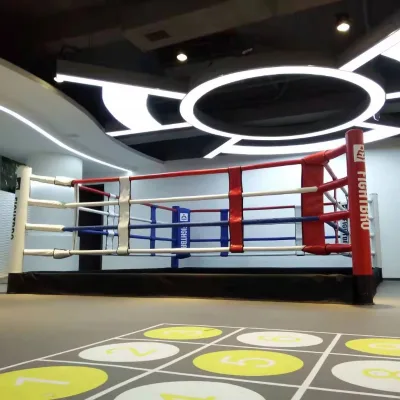
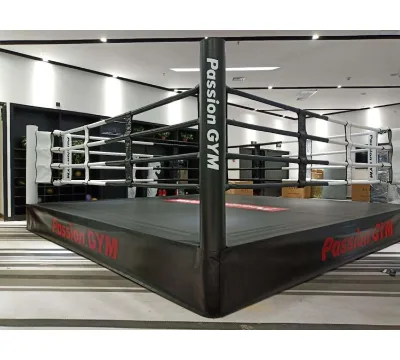
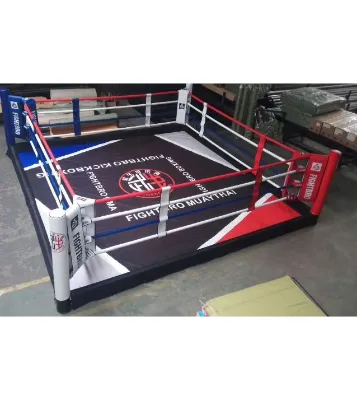
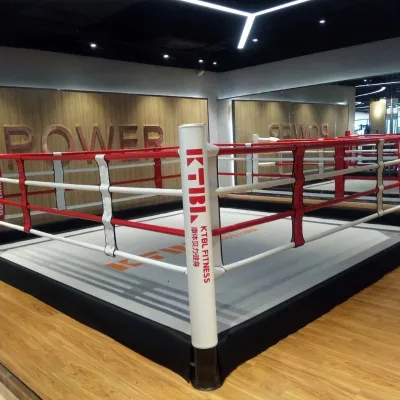
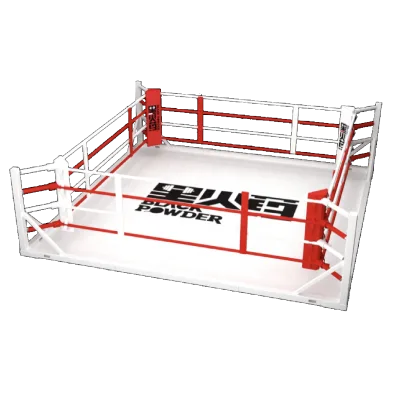
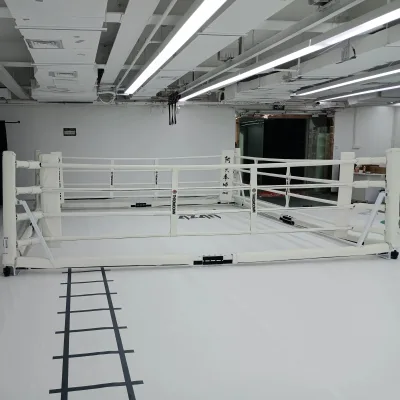
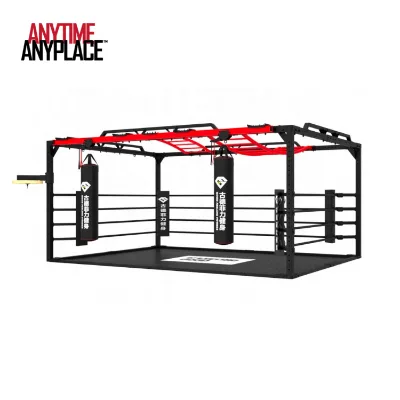
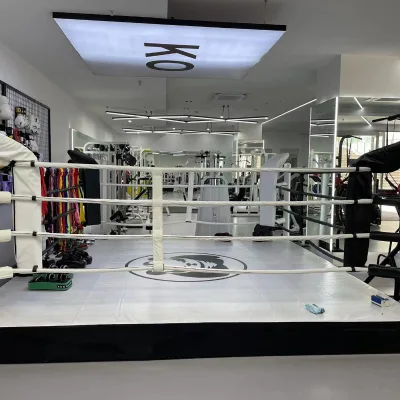
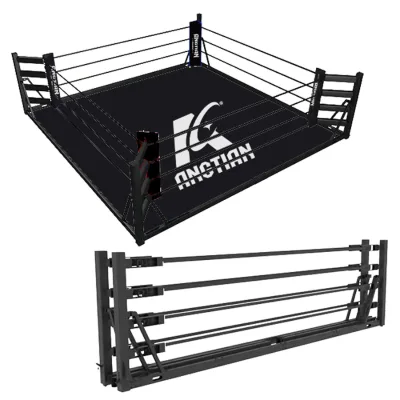
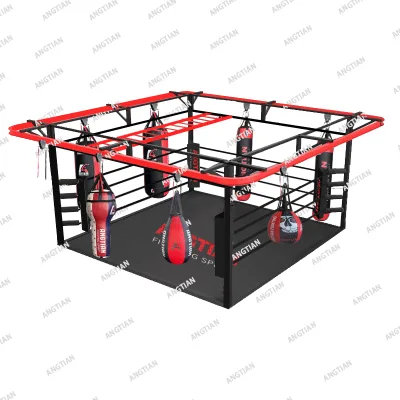
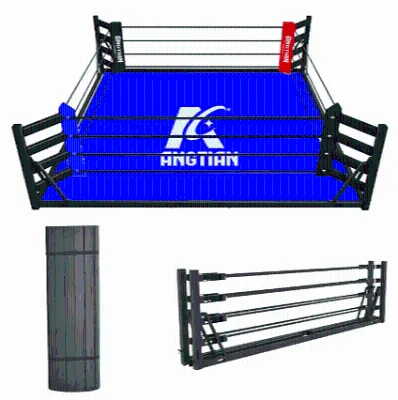
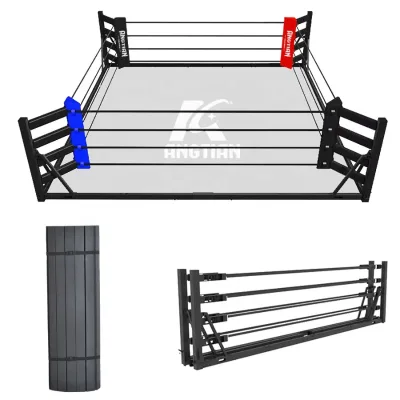


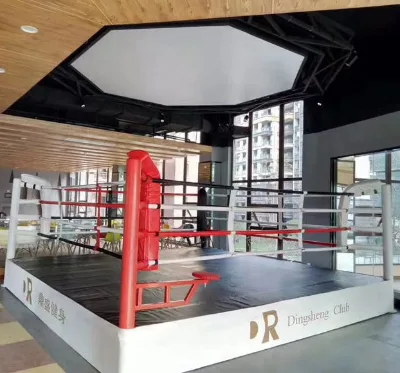
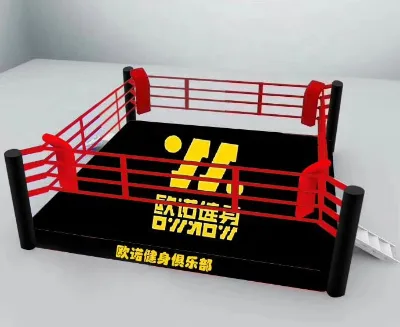


Factory Directly Sale Floor Mounted Boxing Ring, Competition Gym Equipment
$1500.00 - $2500.00
MOQ: 1 Pieces
Comprehensive Sourcing Guide
Foldable Quick-Assembly Boxing Ring Sourcing Guide
Sourcing a Foldable Quick-Assembly Boxing Ring requires a strategic balance between structural integrity and logistical efficiency. These systems are designed for venues that require rapid deployment and dismantling, such as temporary exhibition halls, multi-purpose sports centers, or touring competition circuits. The core value proposition lies in the ability to transport the ring in compact configurations while maintaining the stability and safety standards required for professional bouts. Buyers must prioritize suppliers who demonstrate engineering rigor in their folding mechanisms, ensuring that the transition from transport mode to operational mode does not compromise the ring’s load-bearing capacity or the safety of the athletes.
The procurement process involves evaluating multiple product variants that may share similar naming conventions but differ significantly in material composition and structural design. Market observations indicate a wide range of offerings, from basic steel-frame structures to more complex elevated platforms with specialized matting systems. It is critical for buyers to distinguish between rings intended for casual training and those certified for high-level competition. The decision to source a foldable system often hinges on the frequency of assembly, the weight constraints of the venue floor, and the specific regulatory requirements of the sporting bodies involved in the intended events.
Product Scope and Observed Listing Signals
The current market landscape for foldable boxing rings presents a diverse array of product attributes that buyers must carefully parse. Observed listings reveal a price range extending from approximately $367 to $7,000 USD, reflecting significant variations in material quality, brand reputation, and included accessories. Minimum Order Quantities (MOQ) are frequently observed at a single set, indicating that suppliers are accustomed to fulfilling individual procurement requests for gyms, schools, or small event organizers. This low barrier to entry allows for pilot purchases, but it also necessitates rigorous due diligence to ensure that the lowest-priced options do not sacrifice critical safety features or durability.
Product names and model numbers vary widely, with identifiers such as "WOL-FBR," "BL," and "BG4" appearing across different listings. Some products are explicitly labeled as "Elevated Boxing Ring" or "Foldable Boxing Ring," while others may simply list "Boxing Ring" with unspecified structural details. Material compositions also differ, with some rings constructed from heavy-gauge structural steel and others utilizing alloy or standard steel frames combined with EVA mats and canvas covers. Buyers should note that attributes like "International Standard" or "Competition Standard" are often claimed but must be verified against actual technical documentation rather than accepted as inherent product features.
Technical Specifications to Verify
Structural integrity is the paramount technical consideration when evaluating a foldable boxing ring. Buyers must verify the frame construction, specifically looking for heavy-gauge structural steel that can withstand the dynamic loads generated during a match. The folding mechanism itself requires inspection to ensure it locks securely in place without slippage or wobble. Specifications such as a 4x4 meter or 5x5 meter footprint are common, but the actual dimensions must be confirmed against the venue’s available space. Additionally, the single gross weight of the components should be assessed to determine if the assembly team can handle the parts safely without mechanical assistance, especially for elevated models.
The surface system, comprising the mat and canvas cover, is equally critical for athlete safety. The material composition, often a combination of EVA foam and canvas, must provide adequate shock absorption to reduce impact injuries. Buyers should inquire about the thickness and density of the EVA layers and the tensile strength of the canvas. Packaging dimensions are also a key logistical factor; for instance, some units may pack into boxes measuring 120x110x120 cm, while others might be smaller or larger. Understanding these physical constraints is essential for planning storage, transportation, and on-site assembly logistics.
Compliance and Safety Documentation
Safety compliance is non-negotiable for any equipment used in competitive sports. Buyers must request detailed safety data sheets and structural load test reports from suppliers. While some listings mention a standard of "1500KG," this figure must be contextualized to understand whether it refers to static load capacity, dynamic impact resistance, or overall structural stability. It is imperative to verify that the ring meets the specific regulations of the governing bodies relevant to the intended use, such as professional boxing commissions or amateur athletic associations. Documentation should clearly outline the testing methodologies used to certify the ring’s safety.
Furthermore, buyers should ensure that the supplier provides clear assembly and maintenance manuals that align with safety protocols. The presence of a "Competition Standard" label is insufficient without supporting evidence. Inquiries should be made regarding the fire retardancy of the canvas and mat materials, as well as the slip resistance of the surface. Suppliers who are transparent about their testing processes and willing to provide third-party certification or detailed internal test results are generally more reliable. This documentation serves as the primary defense against liability in the event of an accident or equipment failure.
Cost Drivers and Commercial Terms
The total cost of ownership for a foldable boxing ring extends beyond the initial purchase price. Key cost drivers include the quality of the steel frame, the durability of the canvas, and the complexity of the folding mechanism. Higher-end models with elevated platforms and specialized branding options will naturally command a higher price point. Buyers should also consider the cost of ancillary items such as corner pads, ropes, and lighting, which may be sold separately. Understanding the breakdown of these costs helps in budgeting accurately and avoiding unexpected expenses during the procurement process.
Commercial terms, including shipping, insurance, and payment conditions, significantly impact the final cost. Given the heavy nature of steel components, freight costs can be substantial. Buyers should negotiate clear terms regarding who bears the risk of loss during transit and how damages are handled. Additionally, the availability of customization services, such as logo printing or color selection, may incur additional fees. It is advisable to request a comprehensive quote that includes all potential charges, ensuring transparency and facilitating accurate comparison between different suppliers.
Supplier Qualification and Quality Control
Evaluating supplier qualifications is essential to mitigate procurement risks. Buyers should assess the supplier’s manufacturing capabilities, quality control processes, and track record in the sports equipment industry. Suppliers located in regions known for steel fabrication, such as Hebei or Guangdong in China, may offer competitive advantages in terms of material sourcing and production efficiency. However, geographic origin alone does not guarantee quality. Buyers should request references from previous clients, particularly those who have used the equipment for similar applications, to gauge reliability and after-sales support.
Quality control measures should be verified through site audits or third-party inspection reports if feasible. Buyers should inquire about the supplier’s procedures for inspecting welds, folding mechanisms, and surface materials before shipment. A robust quality control system will include checks for dimensional accuracy, structural stability, and material consistency. Suppliers who proactively communicate their quality standards and are willing to accommodate pre-shipment inspections demonstrate a commitment to product excellence. This diligence helps ensure that the delivered product meets the specified requirements and performs reliably over its service life.
Long-Term Procurement Checks
Long-term procurement success depends on the durability and maintainability of the boxing ring. Buyers should evaluate the expected service life of the product, which can range from one to four years depending on usage intensity and maintenance practices. Understanding the wear patterns of the canvas and mat is crucial for planning replacement schedules. Suppliers should provide guidance on proper cleaning, storage, and repair techniques to extend the product’s lifespan. Access to spare parts, such as replacement ropes, corner pads, or canvas sections, is also a key factor in long-term cost management.
Additionally, buyers should consider the supplier’s ability to provide ongoing support and updates. As safety standards and sporting regulations evolve, suppliers who offer retrofitting options or updated components can help keep the equipment compliant. Building a long-term relationship with a reliable supplier can facilitate bulk purchasing discounts, priority service, and access to new product innovations. Regular reviews of the equipment’s condition and performance will help identify potential issues early, ensuring that the boxing ring remains a safe and effective tool for training and competition.
FAQs
Can I customize the logo on the boxing ring?
Yes, customized logos are available for this product. The listing confirms that customer requirements for printing and logo customization are accepted, allowing buyers to brand the ring for their specific gym or event needs.
What is the minimum order quantity for this ring?
The minimum order quantity is one set. This low MOQ allows buyers to purchase a single unit for immediate use in training or competition without needing to meet bulk purchase thresholds typically found in wholesale markets.
Which materials are used to construct the ring?
The ring is constructed using heavy-gauge structural steel for the frame and features an EVA mat with a canvas cover. This combination ensures durability and safety while meeting international standards for boxing competition environments.
How long is the service life of the boxing ring?
The service life is estimated to be between one and four years. This duration depends on usage frequency and maintenance, making it suitable for both regular gym training and occasional competition events.
What are the available size options for the ring?
Available sizes include 4x4 meters and 5x5 meters. These dimensions are designed to meet competition standards and fit various gym spaces, ensuring the ring is appropriate for both professional matches and general training sessions.
Can the ring be used for both training and competition?
Yes, the ring is designed for use in both training and competition. Its features include international standards and a sturdy steel frame, making it versatile enough to support high-level boxing matches and daily gym workouts.