Source Foldable Resin Pendant Keychain for Gifts, Promotions, Holidays
Find 30 Foldable Resin Pendant Keychain options from verified suppliers. Compare prices, customization features, and materials like acrylic, PU leather, and resin for daily use, festival gifts, and promotional campaigns.
Key considerations
Products List


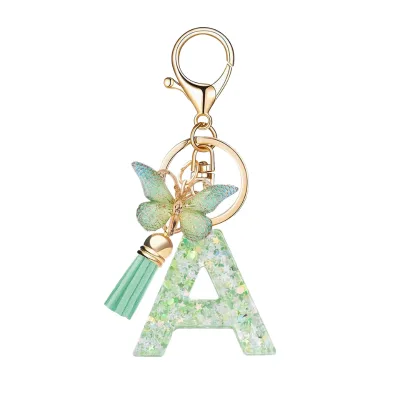


Waist Hanging Unisex Double Ring Keychain
$0.18 - $0.23
MOQ: 450 Pieces
Jinhua Hengyang Cross-Border Trade Limited Liability Company

Comprehensive Sourcing Guide
Strategic Sourcing Guide for Foldable Resin Pendant Keychains
The global market for promotional merchandise and personalized accessories continues to expand, with the Foldable Resin Pendant Keychain emerging as a versatile category for B2B buyers. This specific product type combines the aesthetic appeal of resin with functional design elements, allowing for compact storage and unique display capabilities. For procurement professionals, understanding the nuances of this category requires a disciplined approach to material verification, customization capabilities, and supply chain reliability. The following guide outlines the critical factors for sourcing these items effectively, grounded in observed market data and standard industry practices.
Material Composition and Physical Specifications
The foundation of any successful procurement strategy lies in a precise understanding of the materials involved. In the observed market data, "Resin" is explicitly listed as a primary material for keychain products, often appearing alongside other materials such as acrylic, artificial crystal, and PU leather. When sourcing a foldable resin pendant, buyers must distinguish between the resin component and the structural elements that enable the folding mechanism. The resin itself is valued for its ability to capture intricate details, vibrant colors, and a glass-like finish that mimics higher-cost materials like crystal.
However, the physical specifications of the product vary significantly across suppliers. Observed data indicates a wide range of product models, from specific codes like "Keychain-1012" to generic descriptions. Size is a critical variable; while some listings specify standard dimensions, others offer "Customized Size" as a primary feature. Buyers should verify the single package size and gross weight, as these impact shipping costs. For instance, observed data points to a single gross weight of 0.020 kg for similar resin items, but this is not a universal constant. The "Single package size" can range from compact dimensions like 5x4x0.2 cm to larger configurations depending on the foldable design.
When evaluating resin quality, the focus should be on clarity, color consistency, and durability. The material must be resistant to yellowing over time, a common issue with lower-grade resins. Additionally, the "foldable" aspect implies a mechanical joint or hinge. Buyers must ensure that the resin does not become brittle at the pivot points, which could lead to breakage during daily use. The "Shape" attribute in the market data includes diverse options such as letters, butterflies, and geometry, suggesting that the folding mechanism must be integrated seamlessly into the design without compromising the aesthetic integrity of the pendant.
Customization Capabilities and Design Flexibility
One of the primary drivers for sourcing resin keychains is the ability to customize them for branding or specific events. The market data strongly supports this trend, with "Customization" listed as "Available" and "Customized Logo Acceptable" being a frequent attribute. The "OEM" (Original Equipment Manufacturer) status is confirmed as "Yes" for many suppliers, indicating that they can produce goods under the buyer's brand name. This is crucial for companies looking to create unique promotional gifts, holiday souvenirs, or festival memorabilia.
The design flexibility extends beyond just the logo. Attributes such as "Design: Freely" and "Shape: letter, butterfly" suggest that buyers can request specific molds or designs. The "Style" varies from "Retro" and "Cute" to "Business" and "American," allowing for targeted marketing campaigns. For a foldable resin pendant, the customization process involves not only the visual design but also the functional mechanism. Buyers should verify if the supplier can accommodate specific folding angles or locking mechanisms.
The "Logo" application method is another critical consideration. While "Offset Printing" is listed as a processing method for some products, resin items often utilize pad printing, UV printing, or laser engraving to ensure the logo adheres well to the glossy surface. The "Packing" options, ranging from "OPP Bag" to "Box" and "Carton," also offer customization opportunities. Buyers can choose to include custom packaging inserts or branded boxes to enhance the unboxing experience, which is particularly important for high-value promotional gifts.
Cost Drivers and Pricing Dynamics
Understanding the cost structure of foldable resin keychains is essential for budget planning and margin analysis. The observed price range in the market spans from $0.02 to $1.31 USD. This wide variance is driven by several factors, including material quality, customization complexity, order volume, and packaging requirements. The "MOQ" (Minimum Order Quantity) ranges from 10 to 100,000 units, indicating that the product is accessible for both small-scale trials and large-scale corporate campaigns.
The primary cost drivers include the resin material itself, the complexity of the mold required for the foldable design, and the labor involved in assembly. High-quality resin that resists yellowing and maintains clarity is more expensive than standard grades. Similarly, a complex folding mechanism that requires precise engineering will increase the unit cost. Customization, such as adding a specific logo or unique shape, often incurs additional setup fees, which can be amortized over larger order quantities.
Buyers should be aware that the "Quality" attribute is listed as "High Quality" for many products, but this is a subjective claim. To ensure value, buyers must correlate price with specific quality metrics, such as the weight of the item, the finish of the resin, and the durability of the folding joint. The "Selling Units" are typically listed as "Single item," but bulk pricing structures are standard in B2B transactions. Understanding the relationship between MOQ and unit price is vital; higher volumes generally result in lower per-unit costs, but the initial investment in molds and setup must be factored into the total cost of ownership.
Compliance, Safety, and Certification Verification
While the product is marketed as "Eco-Friendly" and "High Quality," buyers must independently verify compliance with relevant safety and environmental standards. The term "Eco-Friendly" is a marketing attribute that requires substantiation. Buyers should request documentation regarding the resin's composition, ensuring it is free from harmful substances like phthalates or heavy metals, especially if the product is intended for children or general public use.
The "Standard" attribute in the data mentions specific dimensions like "4*4.5cm," but this refers to physical size rather than a regulatory standard. Buyers must verify if the product meets international safety standards such as ASTM F963 (for toys) or EN71 (for European markets), depending on the target region. Additionally, the "Application" attribute includes "Waterproof," which implies a level of durability, but this claim should be tested rather than accepted at face value.
Certification checks are particularly important for promotional items that may be distributed globally. Buyers should inquire about the supplier's ability to provide test reports from accredited laboratories. While the data does not list specific certifications, the "OEM" capability suggests that suppliers are accustomed to meeting client-specific compliance requirements. It is the buyer's responsibility to define these requirements clearly in the purchase order and request evidence of compliance before production begins.
Supplier Evaluation and Quality Control Protocols
Selecting the right supplier is a critical step in the sourcing process. The data indicates that products originate from "China," a major manufacturing hub for resin and keychain products. However, the sheer volume of suppliers necessitates a rigorous evaluation process. Buyers should assess suppliers based on their "Customization" capabilities, "OEM" experience, and "Quality" control measures.
Quality control should be implemented at multiple stages of the production process. First, the raw materials must be inspected to ensure they meet the specified resin grade. Second, the molding process should be monitored to prevent defects such as bubbles, warping, or incomplete folding mechanisms. Finally, the finished products should undergo a visual inspection and functional testing to ensure the folding action is smooth and the logo is applied correctly.
Buyers should also evaluate the supplier's "Packing" capabilities. The data shows options like "OPP Bag," "Box," and "Carton," but the quality of these packaging materials can vary. Poor packaging can lead to damage during transit, negating the high quality of the product itself. A reliable supplier will have robust packaging protocols to protect the resin pendants, especially given their delicate nature.
Typical Applications and Market Positioning
The versatility of foldable resin pendant keychains makes them suitable for a wide range of applications. The "Usage" attributes in the data include "Flashlight," "Promotion Gifts," "Holiday," "Coin Holder," "Compass," and "Festival." This diversity allows buyers to position the product in various market segments. For corporate clients, the keychain serves as a practical promotional gift that can be used daily, increasing brand visibility. For event organizers, it can be a unique souvenir for festivals or celebrations.
The "Function" attributes, such as "Daily Use," "Gift," and "Celebration," highlight the product's utility. The "Style" options, ranging from "Retro" to "Business," allow for targeted marketing. For example, a "Business" style keychain might be ideal for a corporate conference, while a "Cute" or "Butterfly" style might appeal to a younger demographic at a music festival. The "Feature" of being "Creative" and "Artistic" adds value, making the product more than just a utility item but a piece of wearable art.
Buyers should consider the "Packing" and "Logo" customization when planning applications. A custom logo on a foldable resin pendant can transform a generic item into a powerful branding tool. The "Eco-Friendly" feature can also be leveraged in marketing materials to appeal to environmentally conscious consumers, provided the claim is substantiated.
Long-Term Procurement Considerations
Sourcing foldable resin pendant keychains is not just a one-time transaction but part of a long-term supply chain strategy. Buyers should consider the scalability of the supplier's production capabilities. The observed MOQ range of 10 to 100,000 units suggests that suppliers can handle both small and large orders, but the lead times and production capacity must be verified for each specific order size.
The "Lead Time" is a critical factor that is not explicitly detailed in the data but is essential for planning. Buyers should establish clear timelines for production, shipping, and delivery to avoid delays. Additionally, the "Customization" process should be streamlined to allow for quick turnaround times for repeat orders.
Long-term relationships with suppliers can lead to better pricing, priority production slots, and improved quality control. Buyers should maintain open communication with suppliers to address any issues promptly and to explore new design opportunities. The "OEM" status of suppliers indicates a willingness to collaborate, which is beneficial for long-term partnerships.
In conclusion, sourcing foldable resin pendant keychains requires a comprehensive understanding of material properties, customization options, cost drivers, and compliance requirements. By adhering to a disciplined approach and leveraging the observed market data, buyers can secure high-quality products that meet their specific needs and contribute to their brand's success. The versatility of the product, combined with the potential for extensive customization, makes it a valuable addition to any promotional or retail inventory.
FAQs
Can I get a custom logo on a Foldable Resin Pendant Keychain?
Yes, customized logos are acceptable for these keychains. Suppliers offer OEM services with customization available for various styles like retro or business designs to meet your branding needs.
What materials are used for foldable resin pendant keychains?
Resin is the primary material used for these pendants. Other observed materials include acrylic, artificial crystal, and PU leather, offering diverse aesthetic options for different applications.
Which customization options are available for these keychains?
Customization includes free design options, customized sizes, and specific shapes like letters or butterflies. Buyers can also select from various styles such as cute, retro, or business designs.
How much does a Foldable Resin Pendant Keychain cost?
The price range observed in the market is between 0.02 and 1.31 USD per unit. Costs vary based on material quality, customization complexity, and order volume requirements.
What is the minimum order quantity for these keychains?
The minimum order quantity ranges from 10 to 100,000 units depending on the supplier. This flexibility allows for both small trial orders and large-scale promotional campaigns.
Where are foldable resin pendant keychains manufactured?
These products originate from China, which is a major manufacturing hub for resin and keychain items. Buyers should verify supplier capabilities and quality control measures when sourcing from this region.