Source Foldable Reusable Plastic Wine Glasses for parties, events, and outdoor gatherings
Compare 30 listings of Foldable Reusable Plastic Wine Glasses from verified suppliers. Buyers can evaluate specifications like material type, capacity, and packaging options to find suitable options for various occasions.
Key considerations
Products List


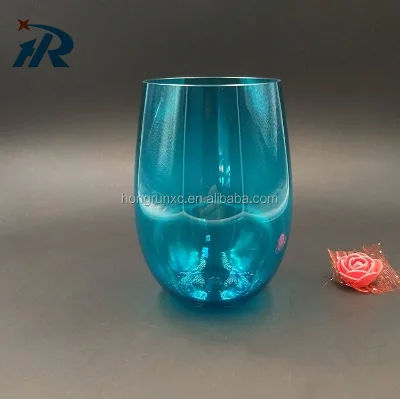
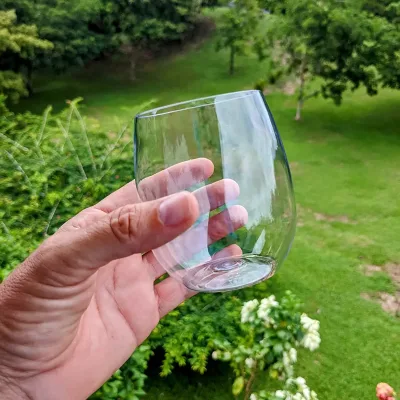
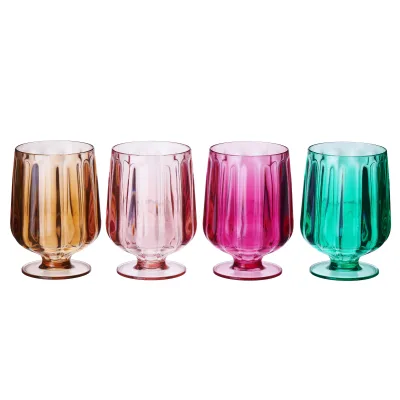
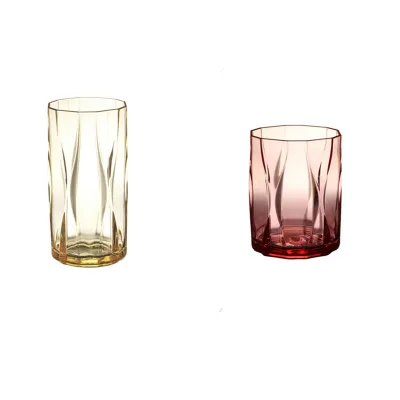
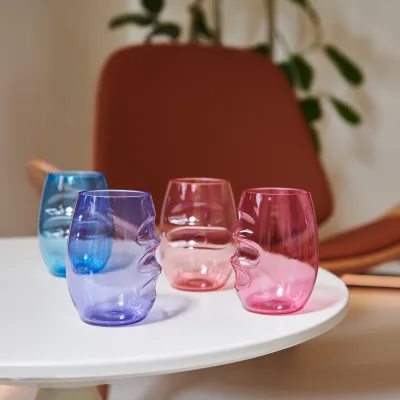
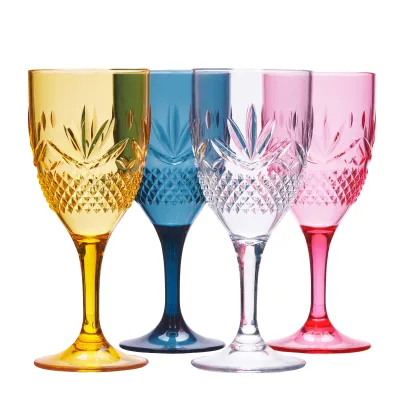
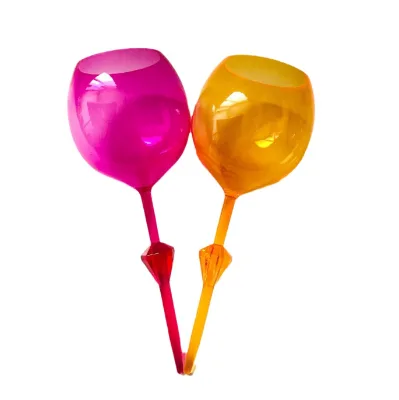
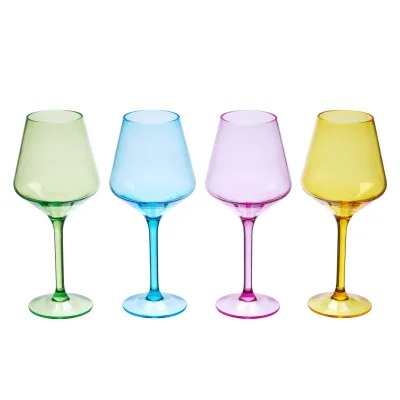
Elegant Reusable Durable BPA-Free Plastic Wine Glasses for Every Occasion
$0.68 - $0.78
MOQ: 1000 Pieces


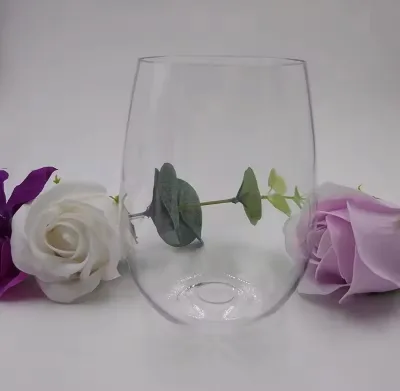
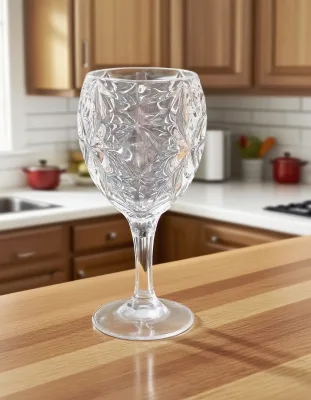
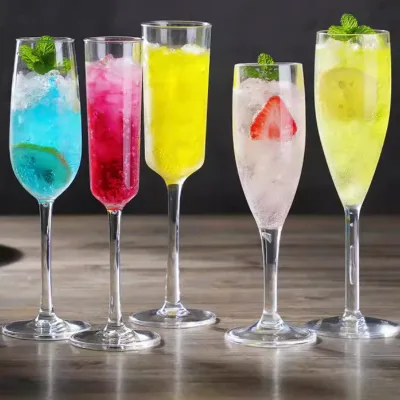
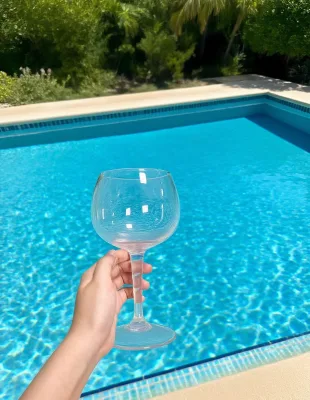
Comprehensive Sourcing Guide
Strategic Sourcing Guide for Foldable Reusable Plastic Wine Glasses
The global demand for sustainable, durable, and space-efficient tableware has elevated the profile of Foldable Reusable Plastic Wine Glasses within the B2B procurement landscape. These products represent a convergence of functionality and environmental responsibility, offering a viable alternative to single-use plastics while maintaining the aesthetic appeal required for formal events. For procurement professionals, navigating this category requires a disciplined approach to verifying product attributes, understanding material science, and ensuring supply chain reliability. This guide synthesizes available market data and technical specifications to provide a robust framework for sourcing these specialized items.
Technical Specifications and Material Composition
When evaluating Foldable Reusable Plastic Wine Glasses, the primary technical differentiator lies in the polymer composition. The material dictates the glass's flexibility, durability, and safety profile. In the current market, sourcing teams frequently encounter products manufactured from Polystyrene (PS), Polypropylene (PP), and Polycarbonate (PC). Each material offers distinct advantages. PS is often noted for its clarity and rigidity, making it suitable for simple, elegant designs. PP provides excellent chemical resistance and a lower melting point, which can be beneficial for dishwasher safety. PC is renowned for its high impact resistance and transparency, often used in high-end applications where durability is paramount.
Beyond the base polymer, the physical dimensions and structural design are critical. Standard specifications often include precise measurements for height and diameter, such as models adhering to dimensions like T52206mm or T84220mm. These metrics ensure compatibility with standard glass racks and storage units. The weight of the product is another vital specification; observed market data indicates weights ranging from approximately 118g to 125g for standard tumblers. This weight range suggests a balance between sturdiness and portability. Furthermore, the folding mechanism itself must be engineered to withstand repeated compression without cracking or losing its shape. Buyers should verify that the "foldable" attribute is intrinsic to the design and not merely a marketing term for collapsible silicone alternatives, which function differently.
Compliance and Certification Verification
In the food and beverage sector, regulatory compliance is non-negotiable. Procurement teams must rigorously verify that suppliers possess valid certifications confirming the safety of their plastic products for food contact. The most critical certifications to look for include FDA (Food and Drug Administration) approval and QS (Quality Safety) certification. These indicate that the materials used do not leach harmful substances into beverages under normal use conditions. While other standards like ISO 9001 or CE marking are often cited in general manufacturing contexts, the specific food-grade certifications are the primary indicators of safety for wine glasses.
Buyers should also be aware of regional standards. For instance, products originating from China, a major manufacturing hub for this category, must adhere to specific national standards. The "prod_standard" field often references specific dimensional or safety benchmarks, such as T125H158mm or T52206mm, which serve as internal quality control checkpoints. It is essential to request test reports that explicitly validate the product against these standards. Do not rely on general claims of "food safety"; instead, demand documentation that links the specific product model to the certification. Additionally, while some background data mentions REACH or ISO 12312, these should be treated as secondary verification points rather than primary compliance drivers unless specifically required by the buyer's local jurisdiction.
Cost Drivers and Pricing Dynamics
The pricing structure for Foldable Reusable Plastic Wine Glasses is influenced by several variable factors. The observed market price range for these items typically spans from $0.22 to $2.30 USD per unit. This wide variance is not arbitrary but is driven by the complexity of the molding process, the quality of the raw plastic, and the volume of the order. Higher-priced units often correlate with advanced features such as custom branding, superior clarity (PC vs. PS), or more complex folding mechanisms that require tighter tolerances.
Minimum Order Quantity (MOQ) is a significant cost driver. The market shows an MOQ range from as low as 1 unit for sampling to 5,000 units for bulk production. However, specific product lines may have fixed MOQs, such as 1,000 pieces for certain custom models. Economies of scale play a crucial role; as the order volume increases, the unit cost generally decreases. Buyers must also consider the packaging method, which affects the final landed cost. Products packed in individual PE bags with inner cartons (e.g., 12 or 40 pieces per inner box) incur higher packaging labor and material costs compared to bulk-packed items. Furthermore, the origin of the product, such as Guangdong, China, influences logistics costs, though it often offers competitive manufacturing rates.
Typical Applications and Usage Scenarios
The versatility of Foldable Reusable Plastic Wine Glasses makes them suitable for a diverse array of commercial and institutional applications. The primary use case is in the hospitality industry, particularly for outdoor events, festivals, and parties where the risk of breakage is high. The "Party" occasion attribute is frequently associated with these products, highlighting their suitability for large gatherings where disposable glassware is impractical and traditional glass is unsafe.
Beyond events, these glasses are ideal for camping, hiking, and travel scenarios where space is at a premium. The ability to fold the glasses flat allows for efficient packing in luggage or storage compartments. In institutional settings such as schools, universities, and corporate cafeterias, the "Non-Disposable" nature of these items supports sustainability goals by reducing waste. The "Adult" age specification indicates that these products are designed for mature consumption habits, often featuring a sleek, modern design style that aligns with professional or semi-formal environments. The "Multicolor" and "Colored" attributes also make them attractive for branded merchandise, allowing companies to customize the look to match their corporate identity.
Supplier Evaluation and Selection Criteria
Selecting the right supplier requires a multi-faceted evaluation strategy. First, verify the supplier's location and production capacity. Many manufacturers are based in China, with specific hubs like Guangdong offering a dense ecosystem of plastic molding expertise. Buyers should assess the supplier's ability to handle customization, as the "Customization" and "Customized" attributes are common requirements. This includes the ability to modify colors, add logos, or alter dimensions to meet specific branding needs.
Secondly, examine the supplier's quality control processes. A reliable supplier will have a documented process for inspecting the "prod_model" consistency, ensuring that every unit meets the specified dimensions and weight. For example, models like 1319, 1120A, or DR3084 should be produced with strict adherence to their respective standards. Buyers should also inquire about the supplier's experience with the specific plastic types they use. A supplier specializing in PS may not be as proficient with PC, which requires different processing temperatures and pressures. Finally, check the supplier's communication responsiveness and their willingness to provide samples for physical testing before committing to a large order.
Quality Control and Packaging Standards
Quality control (QC) is paramount to ensure the longevity and safety of foldable plastic wine glasses. The inspection process should focus on the structural integrity of the fold, the clarity of the plastic, and the absence of defects such as bubbles, scratches, or uneven coloring. The "Simple" style often implies a design that minimizes weak points, but the folding hinge remains a critical area for stress testing.
Packaging is another critical aspect of quality assurance. The product must be protected during transit to prevent deformation. Standard packaging methods observed in the market include placing each unit in a PE bag, followed by grouping them into inner boxes (e.g., 12 or 40 pieces), and finally sealing them in outer cartons. Carton dimensions vary significantly, with sizes like 514246cm, 49.541.550cm, or 694736cm depending on the product model and packing density. Buyers must ensure that the packaging is robust enough to withstand stacking and handling in shipping containers. The "1PCS/PE Bag, 96PCS Per Carton" configuration is a common standard that balances protection with shipping efficiency. Any deviation from these standards should be clearly communicated and agreed upon in the purchase order to avoid damage during delivery.
Long-Term Procurement Considerations
Sourcing Foldable Reusable Plastic Wine Glasses is not a one-time transaction but a strategic partnership that impacts long-term operational efficiency. Buyers should consider the lifecycle of the product. Since these items are "Non-Disposable," their durability directly correlates with the return on investment. A higher initial cost for a more durable PC-based glass may yield significant savings over time compared to cheaper PS alternatives that crack after a few uses.
Sustainability is another long-term consideration. As regulations on single-use plastics tighten globally, investing in reusable alternatives positions a business favorably. The "Custom Reusable Plastic Cups" and "Sublimation Shot Glass" categories highlight the potential for branding and customization, which can enhance customer loyalty and brand visibility. Procurement teams should also plan for inventory management. The varying carton dimensions and packing methods mean that warehouse space and logistics planning must be tailored to the specific product model. Establishing a consistent relationship with a supplier who can reliably deliver on the "prod_standard" and "prod_model" specifications ensures a steady supply chain, reducing the risk of stockouts during peak seasons like parties and festivals.
In conclusion, successful procurement of Foldable Reusable Plastic Wine Glasses requires a deep understanding of material properties, rigorous compliance checks, and a strategic approach to supplier selection. By focusing on the technical specifications, verifying certifications like FDA and QS, and understanding the cost drivers associated with MOQ and packaging, buyers can secure high-quality products that meet both functional and sustainability goals. The market offers a wide range of options, from simple PS tumblers to advanced PC designs, allowing for tailored solutions that fit diverse operational needs.
FAQs
What certifications do Foldable Reusable Plastic Wine Glasses have?
These glasses typically hold FDA and QS certifications for food safety. Buyers should verify specific test reports linking the product model to these standards before purchasing.
Which plastic types are used for these reusable wine glasses?
Common materials include Polystyrene (PS), Polypropylene (PP), and Polycarbonate (PC). Each type offers different benefits like clarity, chemical resistance, or high impact strength.
Can I customize the design and color of these plastic cups?
Yes, customization is available for colors and designs. Suppliers often offer multicolor options and can accommodate specific branding needs for party or corporate events.
What is the typical weight range for these plastic tumblers?
The weight usually ranges from 118g to 125g per unit. This weight ensures a balance between sturdiness and portability for various usage scenarios.
How are these glasses packed for shipping and delivery?
Standard packing involves one piece per PE bag, grouped into inner boxes, and sealed in outer cartons. Carton dimensions vary by model, often around 50cm in length.
What is the minimum order quantity for custom plastic wine glasses?
MOQs range from 1 unit for sampling up to 5,000 units for bulk orders. Some specific custom models may require a fixed minimum of 1,000 pieces.
Where are these foldable plastic wine glasses manufactured?
Most products originate from China, with specific manufacturing hubs in Guangdong. Buyers should confirm the exact origin to understand logistics and lead times.