Source Foldable Travel Baby Stroller for Airport, Park, and Home
Explore 30 options for the Foldable Travel Baby Stroller, featuring models with varying load capacities and dimensions. Compare specifications like weight, color, and packing details to find the right fit for your needs; compare the available evidence and request quotations based on your requirements.
Key considerations
Products List


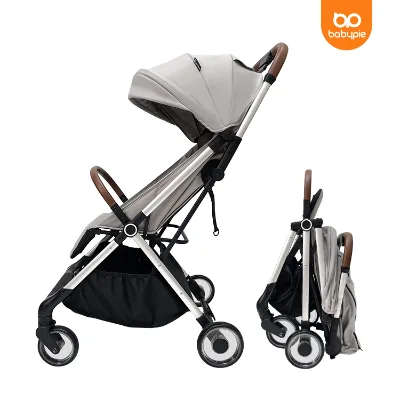

Portable Baby Stroller with Easy Folding in Two Directions Baby Stroller
$37.00 - $38.00
MOQ: 1 Pieces


New Baby Pushchair Lightweight Baby Stroller Foldable Pram Buggy Travel Stroller
$28.30 - $30.30
MOQ: 100 Pieces


Factory Auto Folding Light Weight Travel Portable Pushchair Baby Stroller
$45.00 - $52.00
MOQ: 850 Pieces


All Terrain Ultra Compact Lightweight Travel Stroller Comfortable Baby Folding Stroller
$50.00 - $60.00
MOQ: 2 Pieces

Comprehensive Sourcing Guide
Foldable Travel Baby Stroller Sourcing Guide
Sourcing foldable travel baby strollers requires a careful balance between portability features and structural durability, as these products face unique stresses during transit and daily use. Buyers must prioritize models that offer reliable folding mechanisms without compromising the integrity of the frame, ensuring that the stroller remains safe for infants and toddlers. The market offers a wide variety of options, ranging from ultra-lightweight umbrellas to more robust travel systems, each with distinct advantages for different consumer segments. Understanding these variations is essential for selecting the right product mix for your target market.
Procurement decisions should be guided by observed listing signals and verified technical specifications rather than marketing claims alone. Current market data indicates a diverse range of models, such as the MALUO K6 8 and BYQ XT-820, which exhibit varying dimensions and load capacities. These differences directly impact shipping costs and storage efficiency, making it crucial to analyze the physical attributes of each candidate. By focusing on concrete data points like net weight and packed dimensions, buyers can make informed decisions that align with their logistical capabilities and customer expectations.
Product Scope and Observed Listing Signals
The current market landscape for foldable travel strollers includes a significant number of SKUs, with observed product counts reaching thirty distinct items. Pricing signals suggest a broad range, with observed listed prices spanning from approximately $3.38 to $125 USD, reflecting variations in material quality, brand positioning, and feature sets. This wide price dispersion indicates that buyers can find options suitable for both budget-conscious consumers and premium segments, provided they carefully evaluate the value proposition of each model. It is important to note that these figures represent observed listings and may not reflect final negotiated contract prices.
Model diversity is evident in the specific product identifiers and physical attributes available from suppliers. For instance, models like the SHUAITONG ST-F1 and KUQI JW-208 showcase different design philosophies, with varying color options such as green, brown, black, and coffee. Some listings highlight customization availability, allowing buyers to tailor products to specific regional preferences or brand identities. Additionally, packing configurations vary, with some items shipped in cartons while others use specific piece counts per carton, such as 4PC/CTN or 6PC/CTN, which affects handling and inventory management strategies.
Technical Specifications to Verify
Technical verification must begin with the physical dimensions and weight of the stroller, as these factors determine shipping efficiency and user convenience. Observed standard dimensions vary significantly, with examples including 95X46X61CM for one model and 521963cm for another, highlighting the need to match product size with specific use cases. Load bearing capacity is another critical specification, with observed values ranging from 8.5kg to 50kg, which directly correlates with the age group and weight of the child the stroller is designed to support. Buyers should request detailed weight breakdowns, distinguishing between net and gross weights, to accurately calculate landed costs.
Frame construction and material quality are paramount for ensuring longevity and safety during travel. Specifications such as the prod_model identifiers, like 2603041309 and 2604051734, serve as unique references for verifying component consistency across orders. Color options, including black, gray, red, purple, and blue, allow for market segmentation, but buyers must ensure that colorfastness and material durability meet their quality standards. Additionally, age recommendations, such as those for children under three years, must be clearly defined to prevent misuse and ensure compliance with safety expectations in different jurisdictions.
Compliance and Safety Documentation
Compliance with international safety standards is non-negotiable for baby products, particularly those designed for travel. Buyers must verify that suppliers hold valid certifications, such as CE, which indicates conformity with health, safety, and environmental protection standards for products sold within the European Economic Area. While some background information mentions EN71, a common toy safety standard, buyers should confirm whether this applies to the stroller’s components or if specific child product safety regulations are more relevant. Documentation must be current and issued by accredited bodies to be accepted by customs and retailers in target markets.
Beyond certifications, buyers should request detailed test reports that cover structural integrity, stability, and material toxicity. These reports should validate that the stroller can withstand repeated folding and unfolding cycles without failure, as well as resist harmful substances in plastics and fabrics. It is crucial to ensure that all safety warnings and labels are present and compliant with local language requirements. Suppliers who provide comprehensive documentation demonstrate a commitment to quality and reduce the risk of product recalls or legal liabilities for the buyer.
Cost Drivers and Commercial Terms
Cost structures for foldable travel strollers are influenced by material selection, manufacturing complexity, and order volume. Observed minimum order quantities (MOQs) range from 1 to 850 units, offering flexibility for both small businesses and large retailers. Buyers should negotiate terms that align with their inventory turnover rates, considering that higher MOQs may yield better unit prices but increase storage costs. Additionally, customization options, such as OEM services and custom colors, can impact pricing, so it is essential to clarify any additional fees for branding or packaging modifications upfront.
Shipping and packaging efficiency play a significant role in the total landed cost. Products packed in cartons with specific dimensions, such as 82X90X44CM or 752174.5cm, affect container loading capacity and freight expenses. Buyers should analyze the volume-to-weight ratio of each model to optimize shipping strategies. Furthermore, payment terms and lead times should be clearly defined in contracts to mitigate supply chain risks. Understanding these commercial variables allows buyers to forecast margins accurately and maintain competitive pricing in their respective markets.
Supplier Qualification and Quality Control
Supplier qualification requires a thorough assessment of manufacturing capabilities and quality management systems. Buyers should verify the supplier’s origin, with many products originating from China, and evaluate their production capacity to ensure they can meet demand fluctuations. It is advisable to conduct factory audits or request third-party inspection reports to confirm that production processes adhere to international standards. Suppliers with a history of consistent output and positive feedback are more likely to deliver reliable products that meet quality expectations.
Quality control measures must be implemented at every stage of production, from raw material inspection to final packaging. Buyers should establish clear acceptance criteria for defects, such as frame misalignment, fabric tears, or faulty folding mechanisms. Regular sampling and testing during production runs can help identify issues early, reducing the risk of receiving non-conforming goods. Additionally, suppliers should provide a warranty or guarantee policy to address any post-delivery quality concerns, ensuring that buyers have recourse if products fail to meet agreed-upon specifications.
Long-Term Procurement Checks
Long-term procurement success depends on continuous monitoring of supplier performance and market trends. Buyers should regularly review supplier delivery times, product quality consistency, and responsiveness to issues. Establishing a scorecard system can help track these metrics and identify areas for improvement. Additionally, staying informed about changes in safety regulations and consumer preferences is crucial for maintaining product relevance. Suppliers who adapt quickly to market shifts and regulatory updates are valuable partners for long-term growth.
Building a resilient supply chain involves diversifying suppliers and maintaining open communication channels. Buyers should avoid over-reliance on a single source and cultivate relationships with multiple qualified suppliers to mitigate risks. Regular feedback loops with suppliers can drive continuous improvement in product design and manufacturing processes. By proactively managing these relationships and staying vigilant about quality and compliance, buyers can ensure a steady supply of high-quality foldable travel strollers that meet the evolving needs of their customers.
FAQs
What are the available color options for these strollers?
The strollers come in multiple color choices including green, brown, black, coffee, and gray. Some models offer red, purple, or blue variants. Custom colors are also available for bulk orders. Buyers can select from standard palettes or request specific shades to match their brand identity or market preferences effectively.
Can I customize the packaging for these baby strollers?
Yes, customization is available for packaging requirements. Standard packing uses cartons, with options like 4PC/CTN or 6PC/CTN depending on the model. You can also request customized packaging solutions to suit your logistics needs. This flexibility helps protect the product during transit and aligns with your retail presentation standards.
What is the load bearing capacity of these strollers?
Load capacities vary by model, ranging from 8.5kg to 50kg. Specific models support 25kg or 40kg loads. These limits ensure safety and durability for different user needs. Buyers should check the specific model specifications to ensure the chosen stroller meets the required weight support for their target demographic or usage scenario.
Are these strollers certified for safety standards?
Certain models hold CE certification, indicating compliance with relevant safety standards. This certification is crucial for selling in markets that require strict product safety approvals. Buyers should verify the specific certification status for each model before procurement to ensure regulatory compliance and market access in their target regions.
What are the typical dimensions of these strollers?
Dimensions vary significantly across models, such as 95x46x61cm or 52x19x63cm. Some compact models measure 45x62x30cm. These sizes affect storage and portability. Buyers must review the specific standard dimensions for each model to ensure they fit their storage facilities and meet the portability requirements for travel or retail display.
Is OEM service available for these baby strollers?
Yes, OEM services are available for these products. Buyers can request custom branding and design modifications. This service allows businesses to create unique products tailored to their market. OEM options provide flexibility in styling and features, helping brands differentiate their offerings while leveraging established manufacturing capabilities and quality control processes.