Source Foldable Thickened Repotting Mat for Garden, Farm, Home
Find and compare 30 Foldable Thickened Repotting Mat options from verified Chinese suppliers. Buyers can review specifications like size, material, and weight to select the right tool for garden work, plant repotting, and agricultural cover applications.
Key considerations
Products List
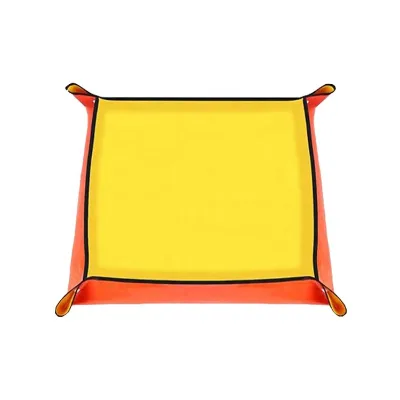
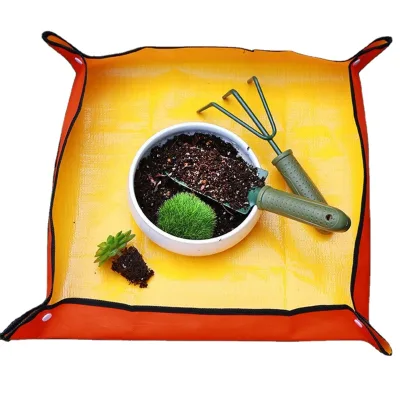
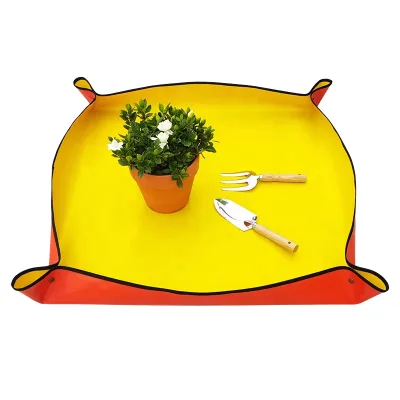
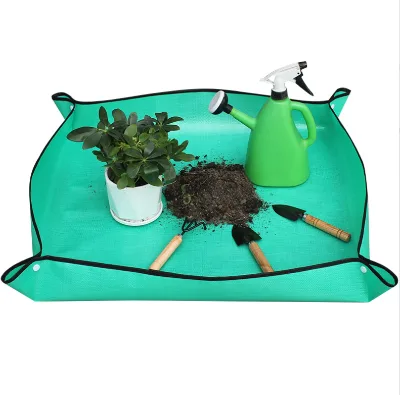

$0.12 - $0.13
MOQ: 5000 Square Meters

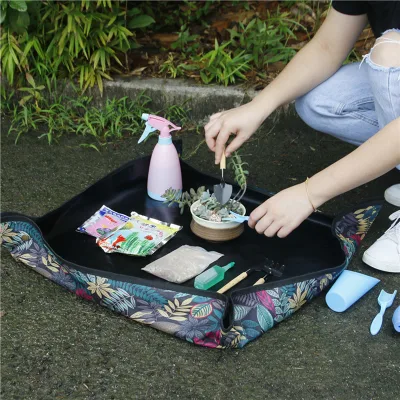

Heavy-Duty Weed Mat for Preventing Weeds and Maintaining Healthy Soil
$0.20 - $0.34
MOQ: 1000 Square Meters


Non-Woven Weed Mat for Robust Weed Control and Erosion Resistance
$0.20 - $0.34
MOQ: 1000 Square Meters


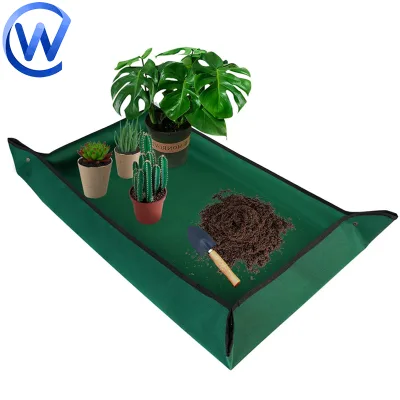


$0.10 - $0.16
MOQ: 1000 Square Meters

Comprehensive Sourcing Guide
Sourcing Strategy for Foldable Thickened Repotting Mats in the B2B Market
The global demand for specialized gardening and agricultural tools has driven a significant shift toward durable, reusable, and efficient solutions for plant maintenance. Among these, the Foldable Thickened Repotting Mat has emerged as a critical component for professional nurseries, landscaping firms, and large-scale agricultural operations. This guide provides a comprehensive, evidence-based framework for sourcing these products, focusing on technical specifications, material integrity, compliance verification, and supplier evaluation. Buyers must navigate a market where product attributes vary widely, requiring a disciplined approach to ensure that the procured items meet specific operational needs without compromising on quality or safety.
Technical Specifications and Material Composition
When evaluating a Foldable Thickened Repotting Mat, the primary focus must be on the material composition and dimensional consistency. The core material for these mats is predominantly Polyethylene (PE) or general plastic, selected for its resistance to moisture, chemicals, and physical wear. In the current market, observed specifications indicate that mats are available in various dimensions to suit different pot sizes. Common size configurations include 32cm x 32cm, 50cm x 50cm, 66cm x 66cm, 75cm x 75cm, 100cm x 100cm, and 150cm x 150cm. For specific repotting applications, single package sizes often range from 20cm x 17.5cm x 3cm to 30cm x 20cm x 2cm, reflecting the folded state of the product for efficient logistics.
The thickness and weight of the mat are critical indicators of its "thickened" nature. While some lightweight variants are observed with weights around 191.9g per unit, heavier-duty agricultural covers may specify a weight range of 50g/m² to 150g/m². The manufacturing process often involves extruding plastic molding, which ensures uniform density and structural integrity. A key technical feature to verify is the foldability; the product must return to its original shape after repeated folding without cracking or permanent deformation. Additionally, the surface texture should be non-slip to prevent soil and water from sliding off during the repotting process. Buyers should request samples to physically test the tensile strength and the flexibility of the material, ensuring it can withstand the rigors of daily use in a nursery environment.
Compliance, Certification, and Safety Standards
In the B2B procurement of garden tools and agricultural accessories, compliance with international standards is non-negotiable. While specific certification status varies by manufacturer, reputable suppliers often provide documentation for ISO and CE certifications. These certifications indicate that the manufacturing facility adheres to quality management systems and that the product meets European safety and health requirements. For products intended for agricultural use, particularly those involving soil contact, verifying that the material is free from harmful substances is essential.
Buyers must also consider the environmental impact of the product. Some market listings highlight "Eco-Friendly" styles, suggesting the use of recyclable materials or manufacturing processes that minimize waste. However, claims of eco-friendliness should be backed by tangible evidence, such as material safety data sheets or third-party testing reports. The "Anti-UV" feature is another critical specification for mats used outdoors. If the mat is intended for long-term exposure to sunlight, it must possess UV stabilization to prevent degradation, brittleness, and color fading. The absence of UV protection can lead to premature failure, increasing the total cost of ownership. Therefore, procurement teams should explicitly request UV resistance test results or a guarantee of UV stability before finalizing an order.
Cost Drivers and Pricing Structures
The pricing of foldable thickened repotting mats is influenced by several dynamic factors, including raw material costs, manufacturing complexity, and order volume. The observed price range in the market spans from $0.01 to $12.50 per unit, a wide variance that reflects differences in size, material thickness, and brand positioning. The minimum order quantity (MOQ) is a significant cost driver. For standard retail or small-scale commercial orders, MOQs can be as low as 1 unit. However, for bulk procurement, particularly for agricultural covers or large-scale garden projects, suppliers may require an MOQ of 5,000 square meters.
The unit price often decreases as the order volume increases, but buyers must balance this against storage and inventory costs. The single gross weight of the product, ranging from 0.192 kg to 0.500 kg, directly impacts shipping costs. Heavier, thicker mats will incur higher freight charges, which can erode the savings gained from a lower unit price. Additionally, customization services, such as printing logos or altering dimensions, add to the overall cost. Buyers should analyze the total landed cost, including freight, duties, and handling fees, rather than focusing solely on the ex-works price. It is also important to note that "Selling Units" may vary; some suppliers sell single items, while others sell in bulk packs, which affects the effective price per unit.
Typical Applications and Usage Scenarios
Foldable thickened repotting mats serve diverse applications across the horticultural and agricultural sectors. The primary use case is for "Garden Work" and "Plant Repotting," where the mat provides a clean, contained surface for transferring plants from one pot to another. This prevents soil spillage and protects the work surface from damage. The mats are designed to be used with "Flower/Green Plant" varieties, making them suitable for both residential gardeners and commercial nurseries.
Beyond repotting, these mats have applications in "Garden, farm," and "Agricultural Cover" contexts. In large-scale farming, they can be used to protect the ground from weed growth or to create a clean workspace for seedling propagation. The "Water-proof" feature is particularly valuable in these scenarios, as it allows the mat to be easily cleaned and reused, even in wet conditions. Some specifications indicate the product is suitable for "Home" applications, suggesting a dual market of professional and consumer use. The "Classic" and "Eco-Friendly" styles cater to different aesthetic and environmental preferences, allowing buyers to select products that align with their brand image or customer base.
Supplier Evaluation and Origin Verification
Selecting the right supplier requires a thorough evaluation of their location, production capabilities, and reliability. The supply chain for these products is concentrated in specific regions of China, with notable manufacturing hubs in Henan, Guangdong, and Fujian provinces. Each region may offer different advantages in terms of logistics, cost, and specialization. For instance, suppliers in Guangdong might have more experience with high-volume plastic molding, while those in Henan or Fujian might specialize in specific agricultural textiles.
Buyers should verify the "Place of Origin" to ensure it aligns with their supply chain strategy. Proximity to ports can reduce lead times and shipping costs. Furthermore, the "Model Number" and "Brand Name" are critical identifiers. While some products are branded (e.g., HUIHE), others may be OEM (Original Equipment Manufacturer) products, allowing buyers to private label the goods. The "Customization" availability is a key differentiator; suppliers that offer cutting services and custom dimensions provide greater flexibility for specific project requirements. Buyers must also check the "Processing Service" capabilities to ensure the supplier can handle the specific manufacturing needs, such as cutting to size or applying specific surface treatments.
Quality Control and Long-Term Procurement Considerations
Ensuring consistent quality is paramount in long-term procurement. The "Feature" list often includes attributes like "Water Permeable" and "Lightweight," which must be verified through rigorous testing. A mat that is too permeable may allow soil to pass through, defeating its purpose, while one that is too dense may be difficult to fold. Quality control checks should focus on the "Single Package Size" and "Weight" consistency to ensure that every unit meets the specified standards.
For long-term procurement, buyers should consider the durability and lifecycle of the product. The "Type" of the product, classified as "Garden Tool Parts" or "Plant Repotting Mat," dictates its expected lifespan. A high-quality mat should withstand repeated folding, washing, and exposure to various weather conditions. Buyers should establish a quality assurance protocol that includes random sampling and stress testing of incoming shipments. Additionally, maintaining a relationship with a supplier who offers consistent "Selling Units" and reliable "Lead Times" is essential for inventory management. The ability to scale orders up or down based on seasonal demand without compromising quality is a key indicator of a reliable supplier.
Comparative Analysis of Product Variants
To assist in decision-making, the following table summarizes the key differences observed among common product variants in the market. This comparison highlights the trade-offs between size, weight, and intended application.
| Feature | Variant A (Standard) | Variant B (Heavy Duty) | Variant C (Eco-Friendly) |
|---|---|---|---|
| Material | PE / Plastic | Extruded Plastic | Recyclable Plastic |
| Size Options | 100*100cm | 150*150cm | 32cm-75cm |
| Weight | 191.9g | 0.500 kg | 0.400 kg |
| Key Feature | Water-proof | Anti-UV, Thickened | Lightweight, Eco-Friendly |
| MOQ | 10 units | 5000 sq meters | 20 units |
| Certification | ISO, CE | ISO, CE | Eco-Label (Verify) |
| Origin | Henan, China | Guangdong, China | Fujian, China |
This table illustrates that while standard variants are suitable for general garden work, heavy-duty options are required for large-scale agricultural use. The MOQ for heavy-duty variants is significantly higher, reflecting the industrial nature of the order. Buyers must align their procurement strategy with these specifications to ensure cost-effectiveness and operational efficiency.
Final Procurement Recommendations
In conclusion, sourcing foldable thickened repotting mats requires a meticulous approach that balances technical specifications, cost considerations, and supplier reliability. Buyers should prioritize products with verified certifications, robust material properties, and clear usage guidelines. By focusing on the specific needs of their operation—whether it be small-scale gardening or large-scale agriculture—buyers can select the most appropriate variant from the available market options. Continuous evaluation of supplier performance and adherence to quality control standards will ensure a sustainable and efficient supply chain for these essential gardening tools.
FAQs
What material is used for foldable thickened repotting mats?
The primary material is Polyethylene (PE) or general plastic, selected for moisture and chemical resistance. Some variants use extruded plastic molding to ensure uniform density and structural integrity for repeated folding without cracking.
Which certifications are available for these garden mats?
Reputable suppliers often provide ISO and CE certifications to indicate adherence to quality management systems and safety standards. Buyers should verify these documents to ensure the product meets European safety requirements and manufacturing quality protocols.
How large are the available sizes for repotting mats?
Common size configurations include 32cm x 32cm, 50cm x 50cm, 66cm x 66cm, 75cm x 75cm, 100cm x 100cm, and 150cm x 150cm. Specific folded package sizes range from 20cm x 17.5cm x 3cm to 30cm x 20cm x 2cm for logistics efficiency.
Can buyers customize the dimensions of the mats?
Yes, customization is available for specific project requirements, including cutting services and altered dimensions. Buyers should confirm the supplier's processing capabilities for cutting and custom sizing to ensure the product meets exact operational needs.
What is the minimum order quantity for bulk purchases?
The minimum order quantity varies significantly, ranging from 1 unit for small orders to 5000 square meters for agricultural covers. Bulk procurement for large-scale projects typically requires the higher volume threshold to qualify for industrial pricing.
Where are these mats manufactured in China?
Manufacturing hubs are concentrated in Henan, Guangdong, and Fujian provinces, each offering different logistical and production advantages. Buyers should verify the specific place of origin to align with their supply chain strategy and reduce shipping costs.
Are these mats suitable for outdoor agricultural use?
Yes, they are suitable for garden work, farming, and agricultural cover applications with features like waterproofing and anti-UV protection. The anti-UV feature is critical for long-term outdoor exposure to prevent degradation and brittleness from sunlight.