Source Foldable Waterproof Pocket Umbrella for Travel, Daily Use, Promotion
Explore 30 listings of Foldable Waterproof Pocket Umbrella options from verified Chinese manufacturers. Buyers can compare features like anti-UV protection, fabric types, and customization capabilities to find the right supplier for travel, daily use, or promotional events; compare the available evidence and request quotations based on your requirements.
Key considerations
Products List


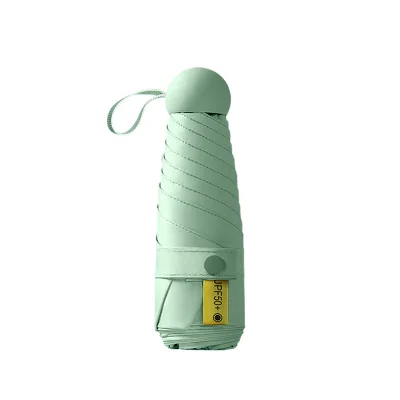
Hot Sale Rainproof 5 Folding Mini Umbrella Advertising Umbrella Promotion Umbrella
$1.50 - $3.50
MOQ: 100 Pieces




Comprehensive Sourcing Guide
Foldable Waterproof Pocket Umbrella Sourcing Guide
Sourcing a Foldable Waterproof Pocket Umbrella requires balancing compact portability with robust weather protection, a category where material science and mechanical design intersect to define product value. Buyers must navigate a market flooded with variations in fabric density, rib construction, and opening mechanisms, all of which directly impact durability and user experience. The core challenge lies in identifying suppliers who prioritize structural integrity over superficial aesthetics, ensuring the umbrella withstands repeated folding cycles without failing at critical stress points. This guide provides a disciplined framework for evaluating these products based on observable listing signals and verifiable technical attributes.
Procurement teams should approach this category with a focus on customization capabilities and origin transparency, as these factors often correlate with manufacturing quality and supply chain reliability. The observed market data indicates a wide range of customization options, from logo printing to specific colorways, allowing brands to tailor products for promotional campaigns or retail distribution. However, the diversity of models and specifications necessitates a rigorous verification process to ensure that the final product matches the initial sample. By establishing clear criteria for material composition and functional performance, buyers can mitigate the risk of receiving substandard goods that fail to meet customer expectations for reliability and style.
Product Scope and Observed Listing Signals
The current market landscape for pocket umbrellas reveals a significant diversity in product models, ranging from standard advertising umbrellas to specialized fashion items with unique features like luminous elements or novelty designs. Listings frequently highlight customization availability, with many suppliers offering OEM and ODM services to accommodate specific brand requirements. This flexibility is crucial for businesses seeking to create branded merchandise, but it also introduces complexity in quality control, as each custom order may involve different material sources and production techniques. Buyers must carefully review the specific model numbers and specifications provided, such as DG-2005 or RUM-0305-09, to ensure they align with their functional needs.
Observed listing signals also emphasize a variety of materials and construction methods, with cloth and polyester fabrics being common choices for the canopy. Some products feature fiberglass ribs, which offer a favorable balance of strength and flexibility, while others may use different materials that could affect longevity. The presence of anti-UV properties in some listings suggests a growing demand for multifunctional umbrellas that provide sun protection in addition to rain defense. However, buyers should note that not all products in this category possess these features, and it is essential to verify the specific attributes of each item before placing an order. The origin of these products, primarily from regions like Shanghai and Zhejiang in China, indicates a mature manufacturing ecosystem with established supply chains.
Technical Specifications to Verify
When evaluating the technical specifications of a foldable pocket umbrella, the frame material and rib construction are paramount indicators of durability. Fiberglass is a preferred material for ribs due to its ability to withstand high winds without breaking, a critical feature for a product that must remain reliable in adverse weather conditions. Buyers should verify the specific type of fabric used, such as polyester or pongee, as these materials differ in water repellency, drying speed, and overall feel. The size of the umbrella, often measured in inches, also plays a significant role in its portability and coverage area, with 21-inch models being a common standard for pocket-sized designs.
The opening mechanism and handle design are other key technical aspects that influence user experience. Short umbrella handles are typical for pocket models, designed to fit comfortably in a bag or pocket, but the ease of opening and closing should be tested to ensure smooth operation. Additionally, the packing method, whether in a polybag or carton, can affect the product's protection during shipping and storage. Buyers should request detailed specifications for each model, including the number of ribs and the type of canopy fabric, to ensure that the product meets their quality standards. Verifying these details helps prevent discrepancies between the ordered product and the final delivery.
Compliance and Safety Documentation
Compliance and safety documentation are essential for ensuring that the sourced umbrellas meet international standards and regulatory requirements. Certifications such as SGS and CE indicate that the products have undergone testing for specific safety and quality criteria, providing buyers with confidence in the manufacturer's commitment to quality. While some listings mention REACH compliance, buyers should verify the current status of these certifications, as regulatory landscapes can change and may require updated documentation. It is crucial to request valid certificates from suppliers to ensure that the products are safe for consumer use and do not contain harmful substances.
In addition to product-specific certifications, buyers should also consider the broader regulatory environment of the destination market. Different regions may have specific requirements for imported goods, including labeling, packaging, and material restrictions. Understanding these requirements helps avoid potential customs delays or penalties. Buyers should work with suppliers who are familiar with international compliance standards and can provide the necessary documentation to support their claims. This proactive approach to compliance ensures a smoother import process and reduces the risk of legal issues associated with non-compliant products.
Cost Drivers and Commercial Terms
The cost of foldable pocket umbrellas is influenced by several factors, including material quality, customization complexity, and order volume. The observed price range of 0.41 to 10 USD reflects the diversity of products available, with lower prices typically corresponding to simpler designs and basic materials. Higher prices may indicate the use of premium fabrics, advanced features like anti-UV coatings, or intricate customization options. Buyers should analyze the cost structure to understand what drives the price and ensure that they are getting value for their investment. It is also important to consider the total cost of ownership, including shipping and handling, when evaluating supplier quotes.
Commercial terms, such as minimum order quantities (MOQ) and payment terms, vary significantly among suppliers. The observed MOQ range of 10 to 3000 units allows for flexibility, catering to both small businesses and large enterprises. Buyers should negotiate terms that align with their inventory management strategies and cash flow requirements. Clear communication regarding lead times and production schedules is also essential to ensure timely delivery. By understanding the cost drivers and commercial terms, buyers can make informed decisions that balance cost efficiency with product quality and supply chain reliability.
Supplier Qualification and Quality Control
Supplier qualification is a critical step in the sourcing process, requiring a thorough assessment of the manufacturer's capabilities and reputation. Buyers should verify the supplier's production capacity, quality control processes, and track record in the industry. Visiting the factory or requesting third-party audit reports can provide valuable insights into the supplier's operations and commitment to quality. Additionally, checking for certifications and compliance with international standards can help identify reputable suppliers who prioritize product safety and quality. Building a relationship with a qualified supplier ensures a consistent supply of high-quality products and reduces the risk of disruptions.
Quality control measures should be implemented throughout the production process to ensure that the final products meet the specified standards. Buyers should establish clear quality criteria and conduct regular inspections during production and before shipment. Implementing a robust quality control plan helps identify and address potential issues early, preventing defects from reaching the customer. Collaborating with suppliers to improve their quality control processes can also lead to long-term benefits, such as reduced defect rates and improved product consistency. By prioritizing supplier qualification and quality control, buyers can ensure the reliability and performance of their sourced umbrellas.
Long-Term Procurement Checks
Long-term procurement checks involve continuous monitoring of supplier performance and product quality to ensure sustained value and reliability. Buyers should establish key performance indicators (KPIs) to track metrics such as on-time delivery, defect rates, and customer satisfaction. Regular reviews of these metrics help identify areas for improvement and ensure that suppliers are meeting expectations. Additionally, staying informed about industry trends and technological advancements can help buyers make informed decisions about product upgrades and innovations. By maintaining a proactive approach to supplier management, buyers can build a resilient supply chain that adapts to changing market conditions.
Feedback loops with end-users and internal stakeholders are essential for gathering insights on product performance and identifying potential issues. This feedback can inform future procurement decisions and help drive continuous improvement in product design and quality. Buyers should also consider the environmental impact of their sourcing decisions, exploring options for sustainable materials and eco-friendly production practices. By integrating sustainability into their procurement strategy, buyers can enhance their brand reputation and meet the growing demand for responsible products. Long-term procurement checks ensure that the sourcing strategy remains aligned with business goals and market expectations.
FAQs
Can I customize the Foldable Waterproof Pocket Umbrella with my logo?
Yes, customization is available for these umbrellas. You can add your logo to the fabric or handle. The product supports OEM and ODM services. This allows for branded advertising or promotional use. The material is cloth, often polyester or pongee. This feature makes the item suitable for corporate gifts or marketing campaigns.
What is the minimum order quantity for these umbrellas?
The minimum order quantity varies by supplier. Observed MOQs range from 10 to 3000 units. Some listings specify an MOQ of 500 pieces. Buyers should check individual supplier profiles for exact requirements. Lower MOQs may be available for standard models. Higher volumes often secure better pricing and customization options.
What materials are used for the umbrella frame and fabric?
The frames are typically made of fiberglass for durability. The fabric options include polyester and pongee materials. These materials provide water resistance and lightweight handling. Some models feature anti-UV properties for sun protection. The cloth material ensures a soft touch and easy folding. Fiberglass ribs offer flexibility and resistance to wind damage.
What certifications do these umbrellas meet?
Products may meet various international standards. Common certifications include SGS, CE, and REACH. These ensure safety and quality compliance for export. Buyers should verify specific certificates with suppliers. Standards like SGS often cover material safety. CE marks indicate conformity with health and safety requirements.
Where are these umbrellas manufactured?
Manufacturing locations include Shanghai, Zhejiang, and Yiwu in China. These regions are known for textile and accessory production. Suppliers in these areas offer efficient logistics. Buyers can filter by origin for specific regional preferences. The main mainland China origin ensures competitive pricing. Local clusters provide access to diverse material suppliers.
What packaging options are available for bulk orders?
Packaging typically includes polybags or PE bags for individual units. Cartons are used for bulk shipping, often holding ten pieces. Some suppliers use standard carton packing for protection. Buyers can request custom packaging for retail display. The packing method ensures product safety during transit. Clear labeling helps with inventory management and customs clearance.