Source Foldable Waterproof Harvesting Bag for Camping, Yard, Horticulture
Explore 30 listings for the Foldable Waterproof Harvesting Bag designed for outdoor fruit picking, gardening, and storage. Compare features like material, capacity, and customization options from verified suppliers in China to find the ideal solution for your needs.
Key considerations
Products List
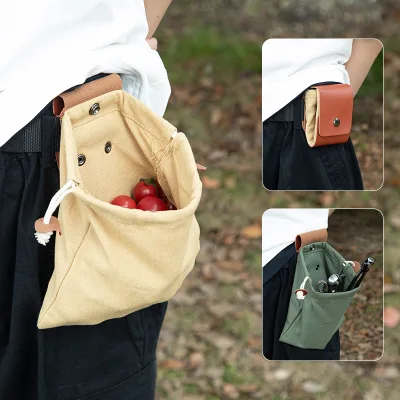


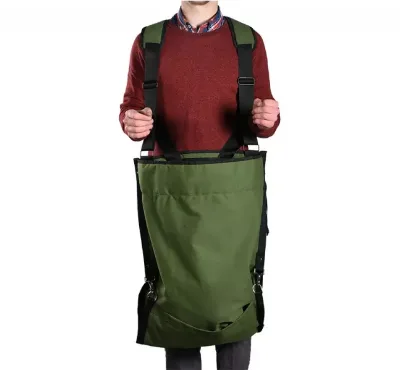
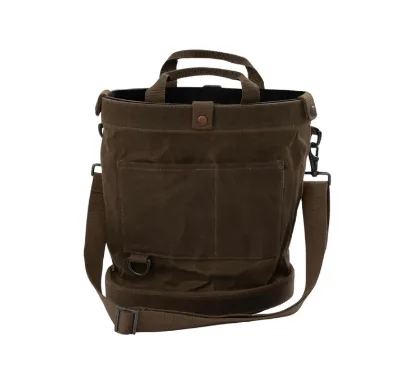
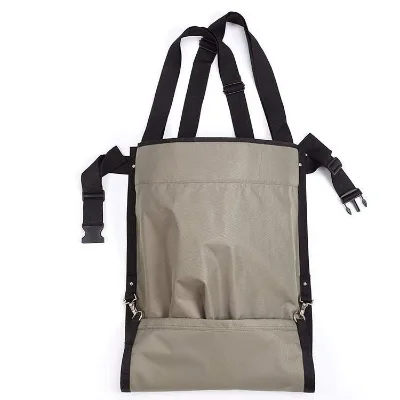
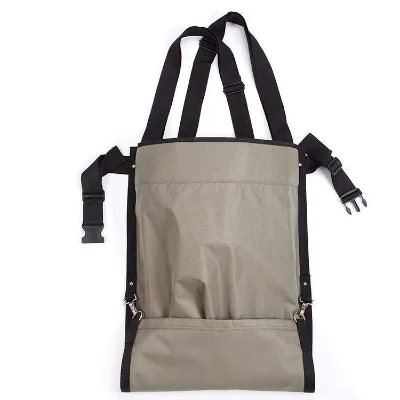
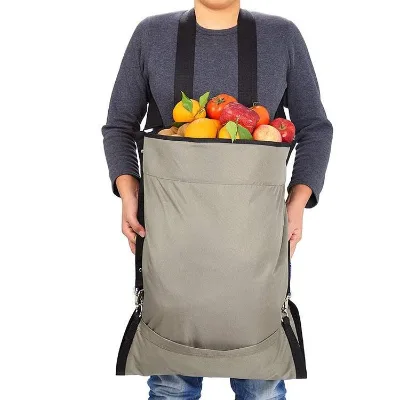
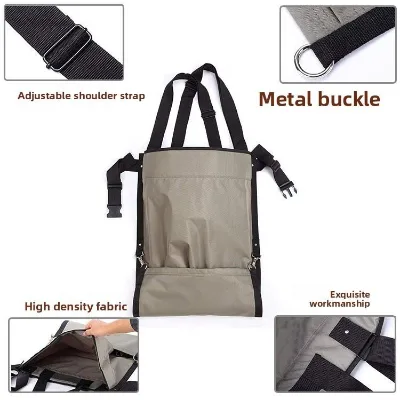


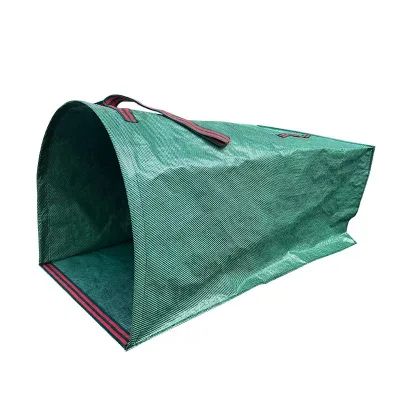
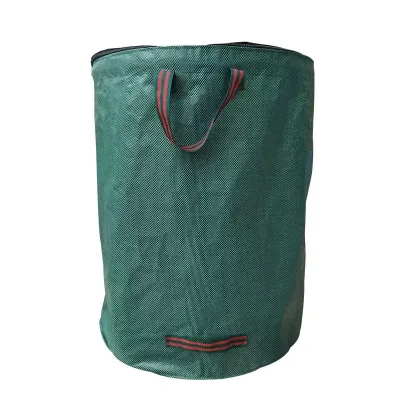
Premium Large Water Storage Bag for Rainwater Harvesting
$30.00 - $100.00
MOQ: 1 Pieces
Weifang Xinlin Environmental Protection Technology Co., Ltd.
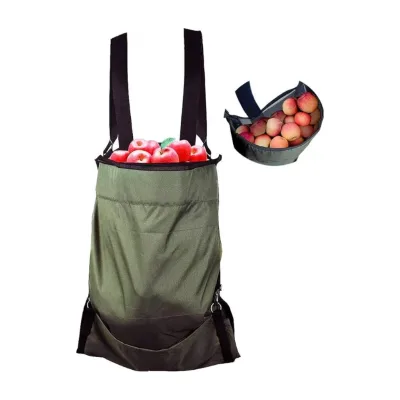




Comprehensive Sourcing Guide
Strategic Sourcing Guide for Foldable Waterproof Harvesting Bags
Understanding Product Specifications and Material Composition
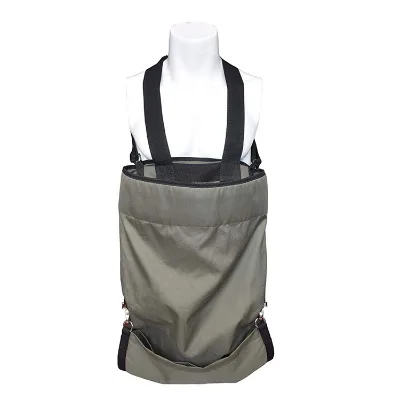
When sourcing a Foldable Waterproof Harvesting Bag, the primary objective is to identify a product that balances durability with portability. Based on current market observations, the most effective designs utilize a composite material structure. The most frequently observed material combination for this category is PU leather paired with wet wax cotton canvas. This hybrid approach leverages the water-resistant properties of the waxed canvas while utilizing the structural integrity and abrasion resistance of PU leather. The waxed canvas component is critical for the "waterproof" aspect of the core keyword, as the wax treatment creates a hydrophobic barrier that repels moisture during outdoor fruit picking or foraging activities.
In addition to the leather-canvas composite, buyers should also evaluate options constructed from 100% polyester or waxed canvas alone. These materials offer varying degrees of flexibility and weight. For instance, polyester-based models often prioritize lightweight portability, whereas waxed canvas variants emphasize ruggedness. The physical dimensions of the bag are equally significant. Observed specifications indicate that single package sizes can vary widely, ranging from compact dimensions of 23x12x2 cm to larger configurations measuring 50x45x40 cm. The internal capacity is often defined by the number of compartments, with many models featuring 2 to 3 distinct pockets to organize tools or harvested produce.
The closure mechanism is another vital specification to verify. Most functional harvesting bags employ a buckle closure system, which ensures that contents remain secure during vigorous movement. The style of these bags generally falls into the "Modern" or "Simple" categories, designed for utility rather than ornamental aesthetics. Color options typically include practical shades such as black, khaki, green, and olive, which help conceal dirt and wear in agricultural or horticultural settings. Buyers must distinguish between the external dimensions and the internal volume, as a bag with a single gross weight of 0.110 kg offers a different user experience compared to a unit weighing 10.000 kg, which may indicate a larger, more robust construction or a different product category entirely.
Compliance, Certification, and Safety Standards
Navigating the compliance landscape for harvesting bags requires a clear understanding of the certifications available in the supply chain. While many industrial goods require rigorous safety testing, the specific certifications observed for this product category vary. Some listings explicitly mention ISO9001 certification, which indicates that the manufacturer adheres to international quality management standards. This is a strong indicator of a supplier's commitment to consistent production processes and quality control. However, buyers must exercise caution when interpreting certification claims. One observed data point references "ISOType:Fire Water Tank," which is clearly unrelated to the harvesting bag category and likely represents a data entry error or a misclassification within the supplier's catalog.
When evaluating a supplier, the presence of ISO9001 should be verified through official documentation rather than relying solely on product page assertions. Buyers should request a valid certificate number and verify it with the issuing body. Beyond ISO standards, the "Export Standards" mentioned in packaging specifications suggest that the supplier is familiar with international shipping requirements, which often include specific labeling and handling protocols. For products intended for use in specific regions, additional local safety standards may apply, though these are not explicitly detailed in the general product data.
It is crucial to avoid assuming that all listed products meet every certification claim. The presence of a certification badge on a listing does not guarantee that every unit produced meets that standard. Buyers should treat certifications as observations of the supplier's capabilities rather than inherent attributes of the product itself. Furthermore, the "Customizable" standard noted in some listings implies that suppliers may offer tailored compliance solutions, such as specific material testing or regional safety approvals, upon request. This flexibility is a significant advantage for large-scale procurement where specific regulatory requirements must be met.
Cost Drivers and Pricing Dynamics
The pricing structure for foldable waterproof harvesting bags is influenced by several key factors, including material composition, customization levels, and order volume. The observed price range in the market spans from $0.02 to $2000, a vast disparity that reflects the diversity of products available. The lower end of this spectrum typically corresponds to basic, non-customized models with minimal features, such as simple polyester or canvas construction. In contrast, the higher price points are associated with premium materials like high-grade PU leather and waxed canvas, complex compartmentalization, and extensive customization options.
Minimum Order Quantity (MOQ) is a primary driver of unit cost. Suppliers often offer tiered pricing structures where the per-unit cost decreases as the order volume increases. Observed MOQ ranges extend from as low as 1 unit to as high as 1,000,000 units. For small businesses or startups, an MOQ of 300-500 pieces is a common threshold, allowing for manageable inventory levels while still accessing wholesale pricing. Larger enterprises may negotiate directly for higher volumes, potentially unlocking significant cost savings. The sample time, typically ranging from 5 to 7 working days, also impacts the overall procurement timeline and cost, particularly for custom orders requiring new tooling or material sourcing.
Packaging costs are another variable to consider. Standard packaging often involves OPP bags for individual items, while export-standard packaging may require wooden boxes or custom cartons. The choice of packaging affects both the unit price and the shipping weight. For instance, a product with a single gross weight of 10.000 kg will incur significantly higher freight costs compared to a 0.110 kg unit. Buyers should calculate the total landed cost, including packaging, freight, and duties, rather than focusing solely on the factory gate price. Additionally, the availability of OEM/ODM services can influence pricing, as custom branding and design work often incur additional setup fees.
Typical Applications and Usage Scenarios
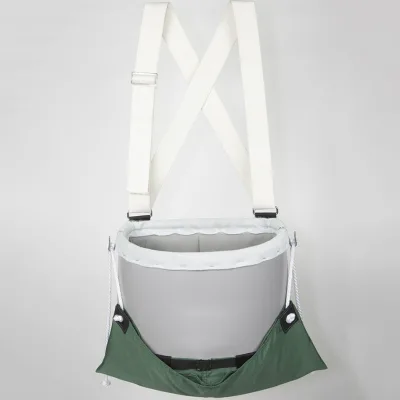
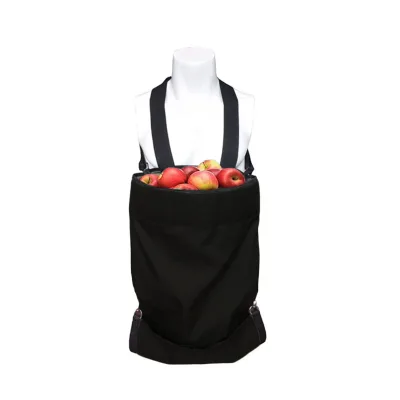
The versatility of foldable waterproof harvesting bags makes them suitable for a wide array of applications beyond simple fruit picking. The primary use case, as indicated by product names like "Outdoor fruit picking bag" and "Harvest Bag," is agricultural and horticultural work. These bags are designed to be worn as waist bags, allowing workers to keep their hands free while collecting produce. The waterproof nature of the materials ensures that the contents remain dry even in wet weather conditions, which is essential for maintaining the quality of harvested fruits and vegetables.
Beyond agriculture, these bags are increasingly utilized in camping and outdoor recreational activities. The "Multifunctional Outdoor Tool Pouch" designation highlights their utility for storing tools, snacks, and other essentials during hiking or camping trips. The durable construction and compartmentalization allow users to organize gear efficiently, preventing loss and damage. The "YARD" application mentioned in the specifications suggests that these bags are also effective for gardening tasks, such as pruning, weeding, and general yard maintenance.
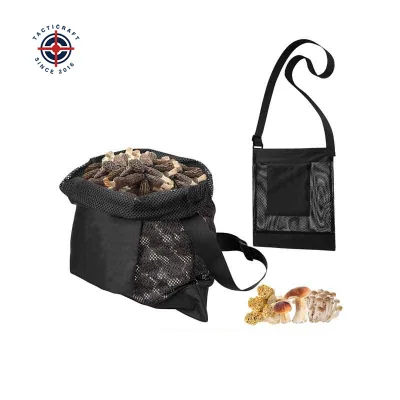
The "Storage" and "Multi-Functional" attributes further expand the potential use cases. In industrial or workshop settings, these bags can serve as portable tool carriers for mechanics, electricians, or construction workers. The ability to fold the bag when not in use makes it an ideal solution for professionals who need to save space in their vehicles or lockers. The "Foraging Bag" application points to a niche market of wild food collectors who require reliable, weather-resistant gear for gathering mushrooms, berries, and other wild edibles. The specific design features, such as the buckle closure and multiple compartments, are tailored to meet the demands of these diverse environments.
Supplier Evaluation and Sourcing Strategy
Evaluating suppliers for foldable waterproof harvesting bags requires a comprehensive approach that goes beyond simple price comparison. Buyers should prioritize suppliers with a proven track record in the bag manufacturing industry. An observed advantage of "15 Years Bag Experience" suggests that longevity in the market is a strong indicator of reliability and expertise. Suppliers with extensive experience are more likely to have refined their production processes, resulting in higher quality products and fewer defects.
Geographic location is another critical factor in supplier selection. The majority of observed products originate from Zhejiang and Guangdong, China, two regions known for their robust manufacturing capabilities and supply chain infrastructure. Sourcing from these regions can offer advantages in terms of cost efficiency and logistics, but buyers should also consider the specific capabilities of individual factories within these regions. Some suppliers may specialize in leather goods, while others focus on canvas or polyester products.
The customization capabilities of a supplier are paramount for buyers seeking branded or specialized products. The availability of OEM/ODM services, as noted in the product data, allows for significant flexibility in design, branding, and functionality. Buyers should assess the supplier's willingness to accommodate custom requests, such as specific logo placements, color variations, and unique compartment layouts. The "Custom Packaging" option further enhances the ability to create a cohesive brand identity.
When engaging with suppliers, it is essential to verify their production capacity and lead times. While sample times are typically short (5-7 working days), bulk production lead times can vary significantly based on order volume and complexity. Buyers should establish clear communication channels and request detailed production schedules to ensure timely delivery. Additionally, the "Customizable" standard noted in some listings indicates that suppliers are open to negotiating specifications, which can be a valuable asset for buyers with unique requirements.
Quality Control and Long-Term Procurement Considerations
Implementing a robust quality control (QC) strategy is essential for ensuring the longevity and performance of foldable waterproof harvesting bags. Buyers should establish clear quality benchmarks based on the observed specifications, such as material durability, water resistance, and closure integrity. Regular inspections during the production process can help identify and rectify defects before the goods are shipped. For large orders, third-party inspection services can provide an additional layer of assurance, verifying that the products meet the agreed-upon standards.
Long-term procurement considerations involve building a sustainable relationship with suppliers. This includes negotiating favorable terms for repeat orders, establishing consistent quality standards, and maintaining open lines of communication. The ability to customize products and packaging allows buyers to adapt to changing market demands and consumer preferences over time. Buyers should also consider the environmental impact of their sourcing decisions, exploring options for sustainable materials and eco-friendly packaging where feasible.
The "Export Standards" mentioned in the product data suggest that suppliers are familiar with international trade requirements, which can facilitate smoother logistics and customs clearance. However, buyers should remain vigilant regarding potential changes in trade regulations and tariffs that could impact the cost and availability of these products. Staying informed about market trends and technological advancements in bag manufacturing can help buyers make informed decisions and maintain a competitive edge.
In conclusion, sourcing foldable waterproof harvesting bags requires a meticulous approach that balances technical specifications, compliance, cost, and supplier reliability. By leveraging the observed data and adhering to best practices in procurement, buyers can secure high-quality products that meet their specific needs and contribute to the success of their operations.
FAQs
What materials are used for foldable waterproof harvesting bags?
Common materials include PU leather combined with wet wax cotton canvas or 100% polyester. These composites provide water resistance and durability for outdoor use.
Which certifications do manufacturers typically hold for these bags?
Some suppliers hold ISO9001 certification to demonstrate quality management standards. Buyers should verify specific certificates as some listings may contain unrelated data.
Can buyers request customization for logos and packaging?
Yes, customization is available for logos, colors, and packaging styles like wooden boxes or export standards. Suppliers often support OEM and ODM requests for branding.
How long does it take to receive samples of the bag?
Sample time typically ranges from 5 to 7 working days for production. This allows buyers to verify quality before committing to larger bulk orders.
What is the typical minimum order quantity for these bags?
Minimum order quantities often range from 300 to 500 pieces for standard orders. Some suppliers may accept lower quantities, while others require up to one million units.
Where are the primary manufacturing locations for these bags?
Most products originate from Zhejiang and Guangdong provinces in China. These regions offer robust manufacturing capabilities and established supply chains for bag production.
What is the price range for foldable waterproof harvesting bags?
Prices observed in the market span from 0.02 to 2000 USD depending on features. Basic models cost less while premium customized versions with complex features cost more.