Source Folding 3D Mobile Screen Magnifier for video, tablets, and phones
Explore 30 options for the Folding 3D Mobile Screen Magnifier designed to enlarge content on smartphones, tablets, and video screens. Buyers can compare specifications like magnification, lens material, and dimensions to find the right supplier for bulk orders.
Key considerations
Products List
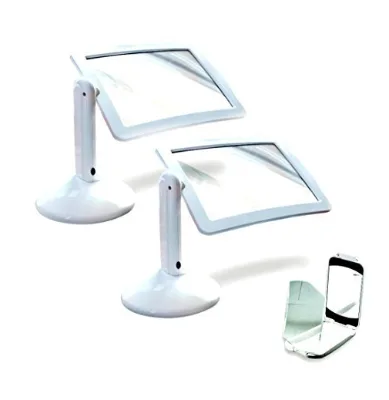


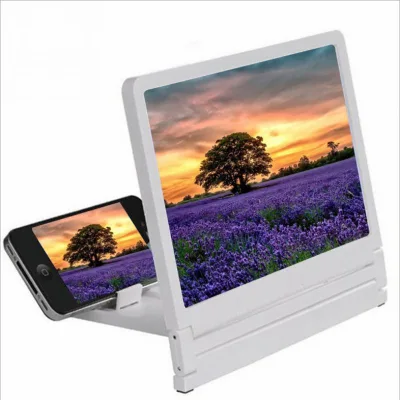
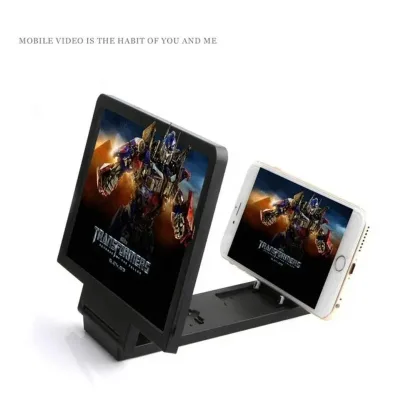
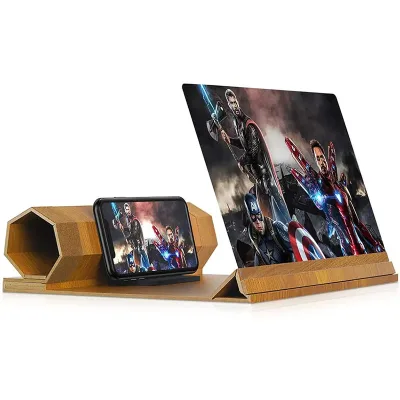
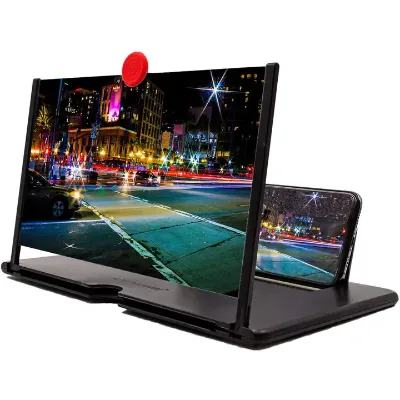
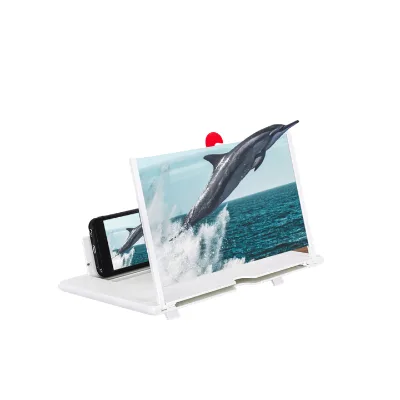


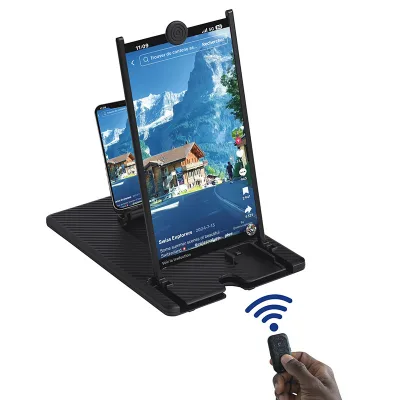
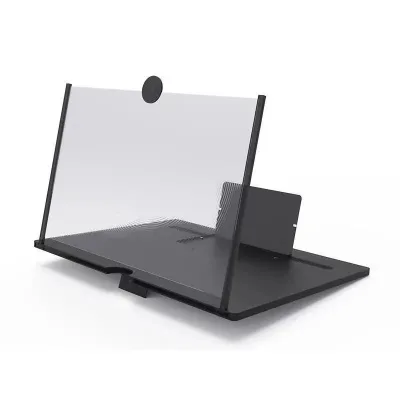


Comprehensive Sourcing Guide
Strategic Sourcing Guide for Folding 3D Mobile Screen Magnifiers
The global demand for assistive viewing devices and mobile screen enhancement tools has driven significant interest in the Folding 3D Mobile Screen Magnifier category. For B2B procurement professionals, navigating this market requires a disciplined approach that distinguishes between verified product attributes and general market assumptions. The core keyword "Folding 3D Mobile Screen Magnifier" encompasses a variety of optical devices designed to enlarge video content on smartphones and tablets. This guide synthesizes observed product data to provide a framework for evaluating suppliers, understanding technical specifications, and managing procurement risks without relying on unverified claims.
Technical Specifications and Optical Performance
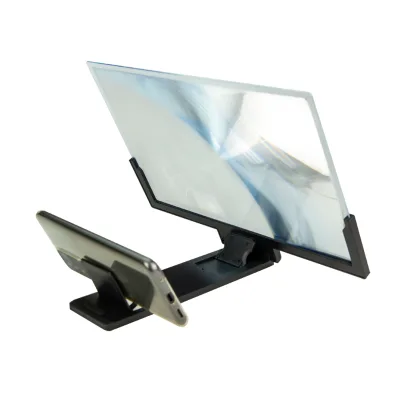
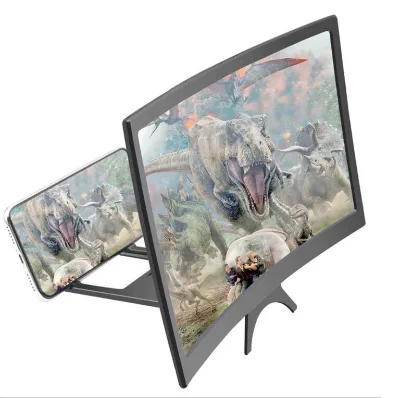
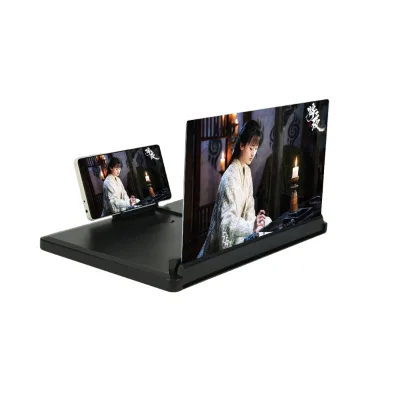
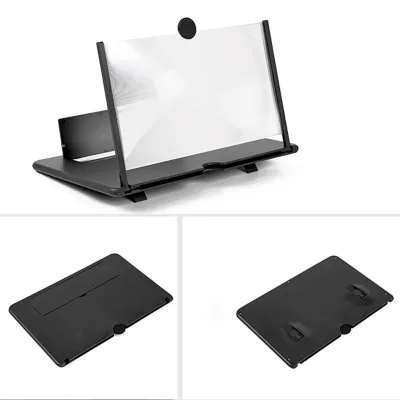
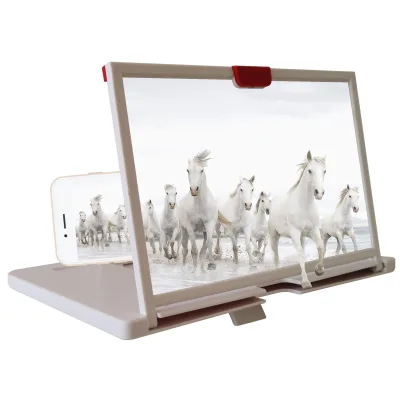
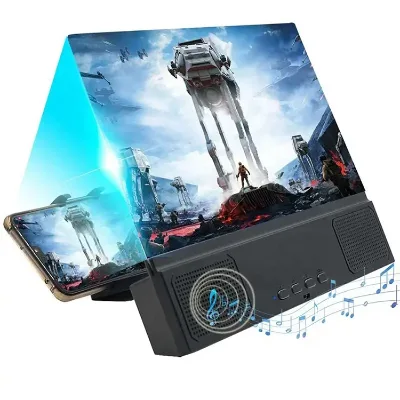
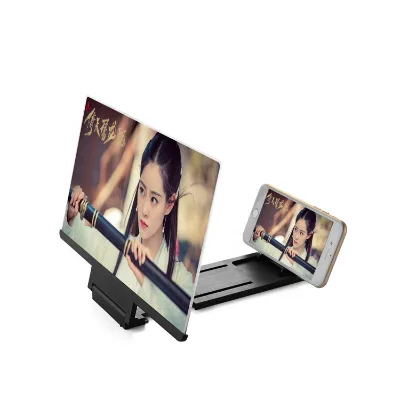
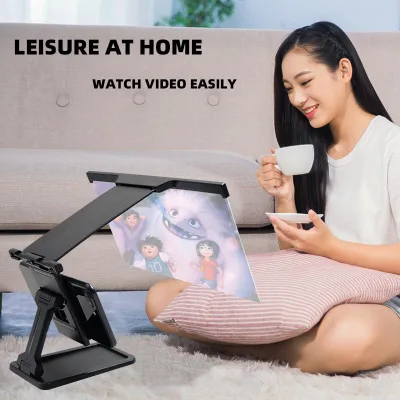
When sourcing folding 3D mobile screen magnifiers, the primary technical differentiator lies in the optical system and physical dimensions. The supplied product data indicates that these devices typically utilize an acrylic lens, with some specific models featuring a Fresnel lens design. The magnification power observed in the market data is consistently listed as 3X or 3.0X. This level of magnification is standard for handheld devices intended to provide a "3D" visual effect for video content, though buyers should verify the actual optical clarity and distortion levels during sample testing.
Physical specifications vary significantly across different SKUs, which impacts shipping costs and user ergonomics. Observed dimensions for the single package size range from 21x15x5 cm to 23x32x5 cm. Specific model numbers such as MG218-14 and MG319 correspond to distinct size profiles, with one variant measuring 26x17x3 cm and another 27.5x17.3x2.05 mm. The weight of these units also fluctuates; observed single gross weights range from 0.200 kg (200g) to 0.500 kg (500g), with a specific model noted at 450g. These variations are critical for logistics planning, as the shipping weight directly influences freight costs.
The folding mechanism is a defining feature of this product category. The attribute "foldable" appears repeatedly in the product descriptions, suggesting a design that allows the device to be compacted for storage and transport. This feature is particularly valuable for retail packaging and consumer convenience. The material composition is consistently reported as a combination of plastic and acrylic, which balances durability with the need for optical transparency. Buyers should note that the lens material is explicitly identified as acrylic in the majority of listings, which is a cost-effective alternative to glass but requires careful handling to prevent scratching.
Compliance, Certification, and Regulatory Verification
In the realm of electronic accessories and optical devices, regulatory compliance is a non-negotiable aspect of B2B procurement. While the supplied product data lists CE and RoHs certifications in a low-confidence background section, these should not be treated as guaranteed attributes for every listed product. Instead, procurement teams must treat these as verification targets. The presence of "CE" and "RoHs" in the background data suggests that the category generally aligns with European safety and environmental standards, but the specific certification status of a supplier's inventory must be confirmed through documentation.
Buyers should request valid test reports from suppliers to confirm compliance with the intended market's regulations. For example, if the target market is the European Union, the CE mark indicates conformity with health, safety, and environmental protection standards. Similarly, RoHs compliance ensures that the product does not contain restricted hazardous substances. However, relying solely on the product page listing of these certifications is insufficient. The procurement process must include a request for the actual certificate of conformity or a third-party test report that matches the specific model number being purchased.
Additionally, the "place of origin" is consistently listed as China, specifically with some data pointing to Henan. While this provides a geographic baseline, it does not guarantee a specific manufacturing standard. Buyers should verify the factory's quality management systems and ensure that the production facility adheres to international standards relevant to the destination country. The lack of specific supplier names or detailed certification data in the source material necessitates a proactive verification strategy where the buyer assumes no certification is present until proven otherwise through documentation.
Cost Drivers and Pricing Dynamics
The pricing structure for folding 3D mobile screen magnifiers is influenced by several variables, including magnification power, lens quality, packaging, and order volume. The observed listed price range in the market data spans from 0.4 USD to 198 USD. This wide disparity suggests that the category includes both basic, low-cost acrylic magnifiers and potentially higher-end units with enhanced features or premium packaging. The lower end of the spectrum likely represents standard OEM models with minimal packaging, while the higher end may include specialized configurations or bulk pricing anomalies.
The Minimum Order Quantity (MOQ) is another significant cost driver. The observed MOQ range extends from 1 unit to 25,000 units. This flexibility allows buyers to scale their procurement based on demand. Small orders with an MOQ of 1 are suitable for sampling or testing the market, whereas large orders with an MOQ of 25,000 are designed for wholesale distribution. The "Supply Ability" is noted as 100,000 pieces per month, indicating that suppliers have the capacity to handle substantial volume orders without significant lead time delays, provided the order is within their production capacity.
Packaging details also impact the final cost. Some listings specify "Netural colour Box" or "Netural Box," while others mention "colour boxes" or specific master carton dimensions like 53x32x35.5 cm. The choice between neutral and branded packaging affects the unit price and the perceived value of the product. Buyers should clarify packaging requirements early in the negotiation process, as custom branding or specific carton configurations can alter the cost structure. Furthermore, the "Selling Units" are listed as "Single item," which implies that the base price is per unit, but bulk discounts are likely available for larger quantities.
Typical Applications and Market Segmentation
The primary application for folding 3D mobile screen magnifiers is the enlargement of content on mobile phones and tablets. The product name explicitly references "3D screen Magnifier for Cell Phone Tablet Video Screen Magnifier," highlighting its utility for video consumption. The feature "Protect eyes" suggests a secondary application in reducing eye strain for users who view content for extended periods. This makes the product suitable for demographics such as elderly users or individuals with visual impairments who require larger text and images.
The "Application" attribute further specifies "mobile phone screen magnifier" and "Enlarged Smart phones Amplifier Magnifier," reinforcing the device's role as an accessory for personal electronics. The "Feature1" of "Enlage" (likely a typo for Enlarge) and "Feature2" of "Protect eyes" indicate that the product is marketed towards health-conscious consumers and those seeking enhanced viewing experiences. The "Type" is consistently identified as a "Handheld Magnifier," which implies portability and ease of use without the need for external power sources.
Market segmentation for this product includes retail consumers, educational institutions, and healthcare providers. The foldable nature of the device makes it particularly attractive for travel and mobile use cases. Additionally, the "OEM, ODM" support indicates that the product is suitable for private labeling, allowing retailers to brand the magnifier under their own names. This flexibility expands the potential market to include e-commerce sellers, electronics retailers, and promotional product distributors who wish to offer value-added accessories.
Supplier Evaluation and Sourcing Strategy
Evaluating suppliers for folding 3D mobile screen magnifiers requires a focus on production capacity, customization capabilities, and logistical reliability. The "OEM" and "ODM" attributes are confirmed as supported, meaning suppliers can accommodate custom branding and design modifications. This is a critical factor for buyers looking to establish a unique brand identity in the market. The "brand name" is listed as "neutral" or "Srate" in different listings, suggesting that many suppliers operate as white-label manufacturers.
When evaluating potential partners, buyers should verify the "Supply Ability" of 100,000 pieces per month to ensure the supplier can meet demand spikes. The "Port of dispatch" is listed as Shanghai, Ningbo, Shenzhen, and Qingdao, which are major Chinese shipping hubs. This provides buyers with multiple options for logistics and freight forwarding. However, the specific lead time is not explicitly stated in the data, so buyers must negotiate this term directly with the supplier.
The "Place of origin" is consistently China, with Henan mentioned for specific models. While this geographic concentration can offer cost advantages, it also necessitates a thorough due diligence process to ensure the supplier's reputation and reliability. Buyers should request references from previous clients and verify the supplier's business license and export capabilities. The "Single gross weight" and "Single package size" data provided can be used to calculate shipping costs accurately, which is essential for budgeting and pricing strategies.
Quality Control and Long-Term Procurement Considerations
Quality control for optical devices like screen magnifiers is paramount, as defects in the lens or frame can render the product unusable. The "Material" is specified as Plastic and Acrylic, which are durable but susceptible to scratching and cracking if not handled correctly. Buyers should implement a rigorous inspection protocol that includes checking for optical distortions, verifying the magnification power, and testing the folding mechanism for durability. The "Warranty" of 3 years observed in the data is a strong indicator of supplier confidence, but buyers should confirm the terms and conditions of this warranty, including what constitutes a defect and the process for claims.
Long-term procurement considerations involve building a sustainable supply chain. The "Packaging Details" vary, with some suppliers offering master cartons with specific quantities (e.g., 40 pcs/cnt or 50 pcs/CTN). Standardizing packaging can reduce waste and improve efficiency in the warehouse. Buyers should also consider the environmental impact of the materials used, especially if targeting markets with strict sustainability regulations. The "RoHs" certification, while low-confidence in the source data, should be a priority for compliance in environmentally conscious markets.
Finally, the "Model number" diversity, such as MG218-14, MG319, and F12, suggests a range of product iterations. Buyers should maintain a clear inventory management system to track these models and ensure they are sourcing the correct specifications. The "Keywords" like "Tablet Screen Magnifier" and "3D Video Folding Enlarged Screen Magnifier" should be used to verify that the product matches the intended use case. By maintaining a disciplined approach to quality control and supplier evaluation, buyers can mitigate risks and ensure a steady supply of high-quality folding 3D mobile screen magnifiers.
Comparative Analysis of Product Attributes
To facilitate decision-making, the following table summarizes the key observed attributes of the folding 3D mobile screen magnifiers found in the market data. This comparison highlights the variability in specifications that buyers must account for during the sourcing process.
| Attribute | Observed Value / Range | Notes for Procurement |
|---|---|---|
| Magnification | 3X / 3.0X | Standard optical power; verify actual performance. |
| Lens Material | Acrylic / Fresnel Lens | Acrylic is common; check for scratch resistance. |
| Product Type | Handheld Magnifier | Foldable design for portability. |
| Dimensions | 190x130x10mm to 27.5x17.3x2.05mm | Varies by model; impacts packaging and shipping. |
| Weight | 160g to 500g | Affects freight costs; verify single gross weight. |
| MOQ | 1 to 25,000 units | Flexible for sampling or bulk orders. |
| Supply Ability | 100,000 pieces/month | High capacity for large volume orders. |
| Packaging | Neutral Box / Colour Box | Confirm if custom branding is required. |
| Origin | China (Henan) | Verify factory location and export capabilities. |
| Warranty | 3 Years | Confirm terms and defect coverage. |
This table serves as a reference for buyers to quickly assess the variability in the market and identify the specific requirements for their procurement strategy. By focusing on these verified attributes, buyers can make informed decisions without relying on unverified claims or assumptions.
FAQs
What is the magnification power of these devices?
The magnification power is consistently 3X or 3.0X for these handheld devices. This standard level provides a clear 3D visual effect for video content on mobile phones and tablets without requiring external power sources.
Can suppliers provide OEM and ODM customization support?
Yes, suppliers explicitly support both OEM and ODM customization for these products. Buyers can request private labeling or design modifications, with options available for neutral or branded packaging depending on the specific order requirements.
What materials are used to construct the magnifier?
The devices are constructed from a combination of plastic and acrylic materials. The lens is specifically identified as acrylic in most listings, offering a cost-effective optical solution that balances durability with transparency for screen enlargement.
What is the typical single package size and weight?
Single package sizes vary from 21x15x5 cm to 23x32x5 cm depending on the model. The single gross weight ranges between 0.200 kg and 0.500 kg, which is critical for calculating shipping costs and logistics planning.
How long is the warranty period for these units?
The warranty period is listed as 3 years for the observed product models. This duration indicates supplier confidence in the product's durability, though buyers should confirm specific terms regarding defects and claims before purchasing.
What is the minimum order quantity for bulk purchases?
The minimum order quantity ranges from 1 unit to 25,000 units across different suppliers. This flexibility allows buyers to start with small sampling orders or scale up to wholesale distribution volumes based on their specific market needs.
Where are these products manufactured and shipped from?
The place of origin is consistently China, with specific models originating from Henan. Products are dispatched from major ports including Shanghai, Ningbo, Shenzhen, and Qingdao, providing multiple logistical options for international freight forwarding.