Source Folding Grille for Ventilation, AC, and Shop Use
Explore 30 listings for Folding Grille options suitable for air conditioning vents, fresh air intakes, and commercial shop applications. Compare specifications such as aluminum material, sliding styles, and custom sizes to find the right solution for your ventilation needs; compare the available evidence and request quotations based on your requirements.
Key considerations
Products List


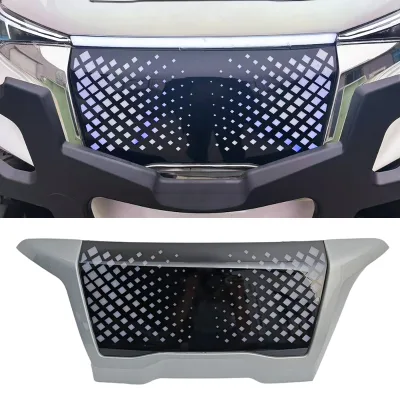


$7.20 - $14.00
MOQ: 1 Pieces



Comprehensive Sourcing Guide
Folding Grille Sourcing Guide
Sourcing folding grilles requires a nuanced understanding of their dual role in architectural ventilation and aesthetic integration. These components are primarily designed to facilitate air exchange while maintaining structural integrity and visual continuity in commercial and residential spaces. Buyers must distinguish between simple ventilation grilles and complex folding mechanisms that may integrate with curtain wall systems or specialized facade technologies. The market offers a wide spectrum of products, from basic single-layer units to sophisticated multi-layer assemblies with intelligent control features. Understanding the specific mechanical and material properties is essential for selecting the right product for high-traffic or environmentally sensitive applications.
The procurement process involves evaluating not just the grille itself but its compatibility with broader building systems. Many suppliers offer customization options, allowing for tailored dimensions, colors, and surface finishes to match specific design requirements. It is crucial to verify whether the product is intended for new construction or for replacement and repair scenarios, as this affects installation complexity and compatibility with existing frames. Buyers should also consider the operational environment, such as exposure to weather, humidity, or mechanical stress, to ensure the selected Folding Grille meets the necessary durability and performance standards over its service life.
Product Scope and Observed Listing Signals
The observed market signals indicate a diverse range of products categorized under folding mechanisms, including sliding folding doors and specialized curtain wall systems. Listings frequently highlight materials such as aluminum alloy and aluminum composite panels, which are chosen for their strength, corrosion resistance, and rust-proof qualities. These materials are often treated with polyester powder coating or baking paint to enhance durability and allow for color customization via RAL codes. The presence of certifications like CE and ISO suggests that many suppliers adhere to international quality and safety standards, providing buyers with a baseline level of confidence in manufacturing practices.
Applications span from commercial shops and supermarkets to exterior and interior wall installations. Some products are specifically designed for fresh air intake systems, integrating ventilation functions with architectural aesthetics. The observed specifications include various models, such as NCC-10 and NCC-03, which differ in layer count, shape, and surface treatment. Buyers should note that while some listings emphasize soundproofing or photovoltaic integration, these are specialized features that may not apply to all Folding Grille products. It is important to carefully review the product description to determine if the item is a standalone grille or part of a larger facade or door system.
Technical Specifications to Verify
When evaluating technical specifications, buyers must prioritize the material composition and structural design of the Folding Grille. Aluminum and aluminum alloy are common choices due to their high strength-to-weight ratio and resistance to environmental degradation. The number of layers, whether single or double, significantly impacts insulation, soundproofing, and structural stability. Buyers should verify the exact dimensions and standard sizes, such as 300x300CM or customized options, to ensure compatibility with the intended opening. Additionally, the shape, whether square, standard plane, or other forms, must align with the architectural design and functional requirements of the installation site.
Surface treatment and finishing processes are critical for longevity and maintenance. Polyester powder coating and baking paint provide protective layers against corrosion and rust, extending the service life of the product, which is often estimated around 20 years. Buyers should confirm the specific type of frame or glass curtain wall kind, such as exposed frame or frame glass curtain wall, to ensure proper integration with the building structure. The installation method, whether outlet-based or integrated into a frame type construction, also affects the complexity of the procurement and installation process. Clear specifications prevent mismatches between the product and the building’s existing infrastructure.
Compliance and Safety Documentation
Compliance with regional and international standards is a non-negotiable aspect of sourcing folding grilles, particularly for commercial and public buildings. Certifications such as CE and ISO indicate that the manufacturer has met specific requirements for quality management and product safety. Buyers should request valid certification documents to verify that the products have undergone rigorous testing and adhere to relevant regulations. These certifications provide assurance that the materials and manufacturing processes meet established safety and performance benchmarks, reducing the risk of non-compliance during building inspections or audits.
Beyond certifications, buyers must ensure that the products comply with local building codes and fire safety regulations. This includes verifying the fire rating of the materials and the structural integrity of the folding mechanism under stress. Documentation should also include details on the product’s environmental impact, such as recyclability and the absence of hazardous substances. For products intended for exterior use, additional documentation may be required to demonstrate resistance to weathering, UV exposure, and extreme temperatures. Thorough review of these documents helps mitigate legal and operational risks associated with the installation and use of the folding grilles.
Cost Drivers and Commercial Terms
The cost of folding grilles is influenced by several factors, including material quality, customization options, and surface finishing processes. Aluminum alloy and composite panels are more expensive than standard materials but offer superior durability and aesthetic appeal. Customization, such as specific colors, dimensions, or integrated features like soundproofing or photovoltaic capabilities, can significantly increase the unit price. Buyers should also consider the packaging and shipping costs, as products are often packed in wooden crates or shrink bags to prevent damage during transit. Understanding these cost drivers helps in budgeting accurately and comparing quotes from different suppliers.
Commercial terms, including minimum order quantities (MOQ) and payment terms, vary widely among suppliers. Observed MOQs range from single pieces to hundreds of units, allowing for flexibility in procurement. Buyers should negotiate terms that align with their project timeline and inventory needs. Lead times and delivery schedules are also critical, especially for large-scale projects with strict deadlines. It is advisable to clarify all commercial terms in writing, including warranties, return policies, and after-sales support. Clear communication of these terms prevents misunderstandings and ensures a smooth procurement process from order placement to final delivery.
Supplier Qualification and Quality Control
Supplier qualification is a critical step in ensuring the reliability and consistency of Folding Grille products. Buyers should assess the supplier’s manufacturing capabilities, quality control processes, and track record in the industry. Suppliers with ISO certifications and established quality management systems are more likely to deliver products that meet specified standards. It is important to verify the supplier’s ability to handle customization requests and maintain consistent quality across large orders. Requesting samples or conducting factory audits can provide valuable insights into the supplier’s production practices and quality assurance measures.
Quality control should extend beyond the initial purchase to include ongoing monitoring and inspection of delivered goods. Buyers should establish clear acceptance criteria based on the agreed-upon specifications, including material thickness, surface finish, and mechanical functionality. Implementing a robust inspection process, whether through third-party agencies or internal teams, helps identify and address any defects or discrepancies early in the supply chain. Building a strong relationship with the supplier, characterized by open communication and mutual trust, can lead to better collaboration and problem-solving. This proactive approach ensures that the folding grilles meet the project’s requirements and perform reliably over time.
Long-Term Procurement Checks
Long-term procurement success depends on continuous evaluation of supplier performance and product durability. Buyers should monitor key performance indicators such as delivery times, product quality, and responsiveness to issues. Regular feedback loops with the supplier can help identify areas for improvement and strengthen the partnership. Additionally, staying informed about industry trends and technological advancements in Folding Grille technology allows buyers to make informed decisions about future purchases. This proactive stance ensures that the procurement strategy remains aligned with evolving project needs and market conditions.
Maintenance and lifecycle management are also crucial considerations for long-term procurement. Buyers should develop a maintenance plan that includes regular inspections, cleaning, and repairs to extend the service life of the folding grilles. Understanding the warranty terms and available support services from the supplier is essential for addressing any issues that may arise post-installation. By integrating these long-term checks into the procurement process, buyers can ensure that their investments in folding grilles yield sustained value and performance. This holistic approach minimizes risks and maximizes the return on investment over the product’s entire lifecycle.
FAQs
What certifications do Folding Grille products typically hold?
Many Folding Grille products hold CE and ISO certifications as standard. These certifications ensure the aluminum alloy materials meet international safety and quality requirements for commercial applications like shops and supermarkets.
Can I customize the color and finish of the Folding Grille?
Yes, customization is available for color and surface finishing. You can select RAL codes or request specific polyester powder coating treatments to match your architectural needs while ensuring corrosion resistance.
What is the typical service life of an aluminum Folding Grille?
The service life is approximately 20 years for high-quality units. This durability stems from the aluminum material which offers high strength, rust-proof properties, and resistance to corrosion in various environments.
How are Folding Grille products packaged for shipping?
Products are typically packed in wooden crates or shrink bags within cartons. This protective packaging ensures the items arrive safely without damage during transit from the manufacturing origin in China.
What is the minimum order quantity for Folding Grille units?
The minimum order quantity can be as low as one piece for single items. However, bulk orders may vary, with observed ranges extending up to 500 units depending on the specific supplier and model.
Where are these Folding Grille products manufactured?
These products originate from manufacturing hubs in Guangdong and Zhejiang Hangzhou, China. The location ensures access to established supply chains for aluminum materials and specialized surface treatment processes.